


Mehr zum Buch
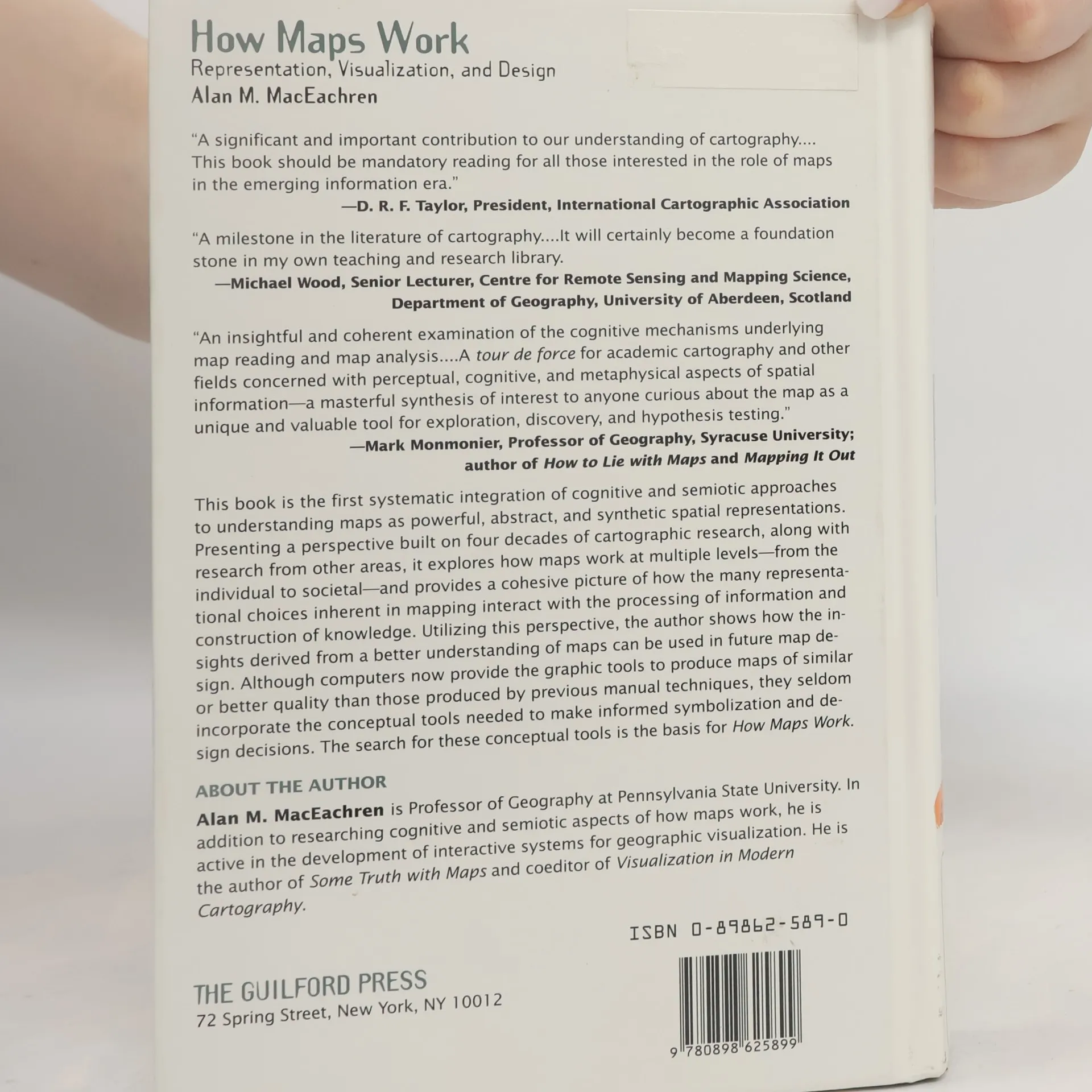
This book is the first systematic integration of cognitive and semiotic approaches to understanding maps as powerful, abstract, and synthetic spatial representations. Presenting a perspective built on four decades of cartographic research, it explores how maps work at multiple levels--from the cognitive to the societal--and provides a cohesive picture of how the many representational choices inherent in mapping interact with the processing of information and construction of knowledge. «MDUL»«MDNM»Utilizing this complex perspective, the author shows how the insights derived from a better understanding of maps can be used in future map design. Although computers now provide the graphic tools to produce maps of similar or better quality than previous manual techniques, they seldom incorporate the conceptual tools needed to make informed symbolization and design decisions. The search for these conceptual tools is the basis for «MDUL»How Maps Work«MDNM».
Buchkauf
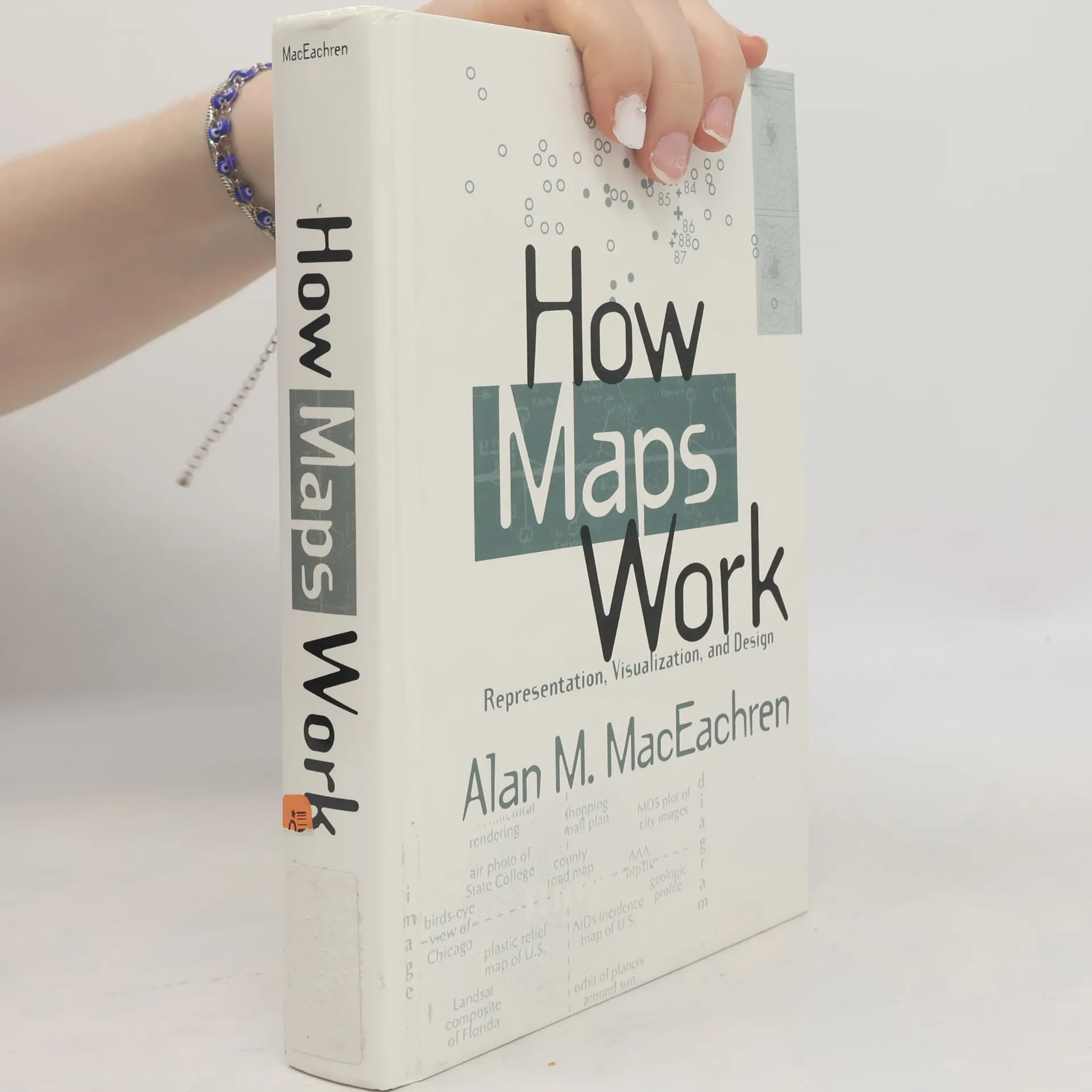
How Maps Work, Alan M. MacEachren
- Sprache

- Erscheinungsdatum
- 1995
- Einband
- (Hardcover),
- Buchzustand
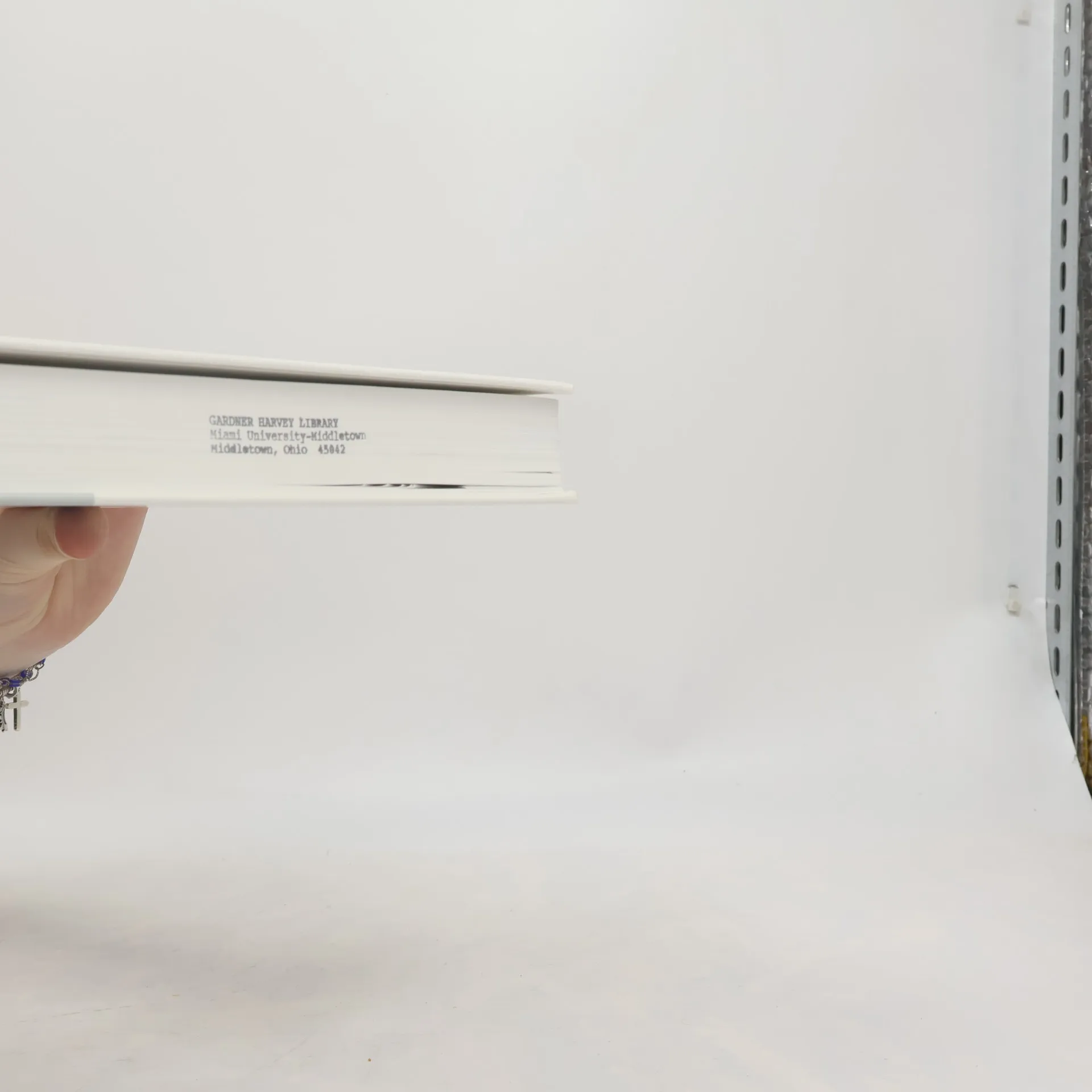
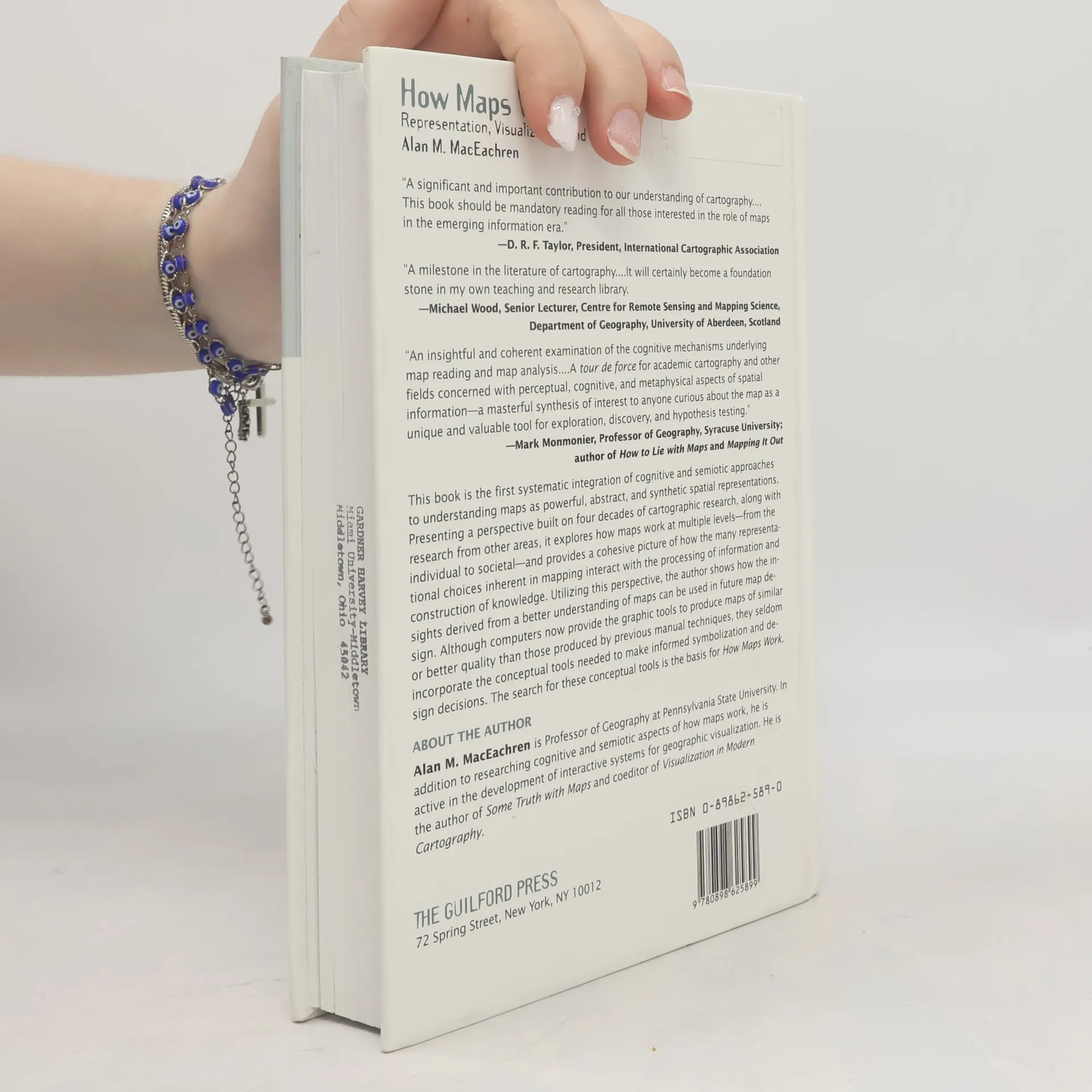
- Beschädigt
- Preis
- 2,75 €inkl. MwSt.
Keiner hat bisher bewertet.
- Titel
- How Maps Work
- Untertitel
- Representation, Visualization, and Design
- Sprache
- Englisch
- Autor*innen
- Alan M. MacEachren
- Verlag
- Guilford Press
- Erscheinungsdatum
- 1995
- Einband
- Hardcover
- Seitenzahl
- 513
- ISBN10
- 0898625890
- ISBN13
- 9780898625899
- Reihe
- Schlagwörter
- Psychologische Thematik, Architektur, Wissenschaft, USA, Technologie, Informationen, Kartografie, Semiotik, Systeme, Visualisierung
- Beschreibung
- This book is the first systematic integration of cognitive and semiotic approaches to understanding maps as powerful, abstract, and synthetic spatial representations. Presenting a perspective built on four decades of cartographic research, it explores how maps work at multiple levels--from the cognitive to the societal--and provides a cohesive picture of how the many representational choices inherent in mapping interact with the processing of information and construction of knowledge. «MDUL»«MDNM»Utilizing this complex perspective, the author shows how the insights derived from a better understanding of maps can be used in future map design. Although computers now provide the graphic tools to produce maps of similar or better quality than previous manual techniques, they seldom incorporate the conceptual tools needed to make informed symbolization and design decisions. The search for these conceptual tools is the basis for «MDUL»How Maps Work«MDNM».