




Mehr zum Buch
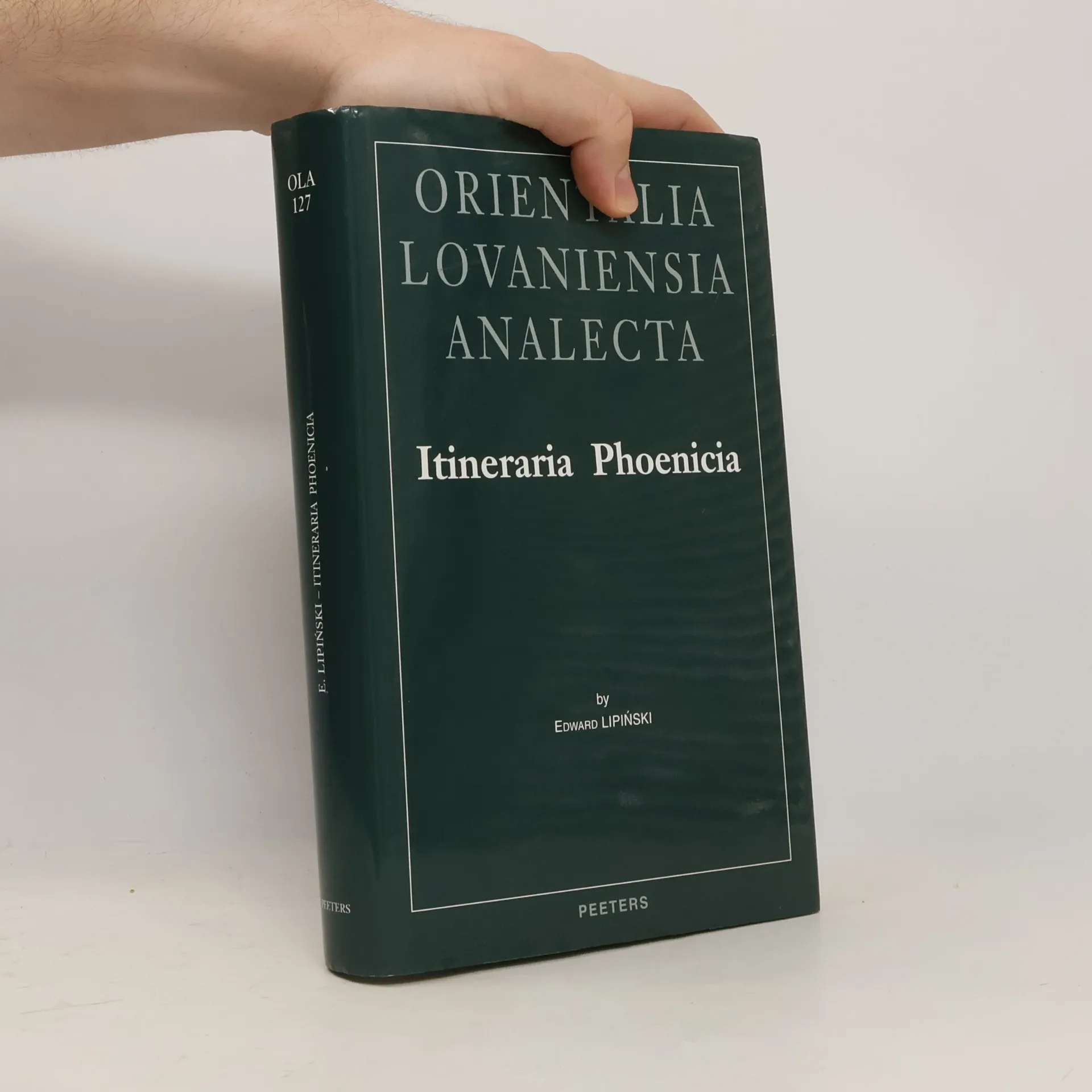
The land and sea routes of the Phoenicians in their homeland and their trading Empire are examined in the present volume on the ground of Neo-Assyrian military itineraries (Chapters I and II), and of information provided by epigraphy, literary sources, and archaeological findings on Cyprus, in Anatolia, and in the Aegean (Chapters III, IV and V). Chapters VI and VII examine the problems of Ophir and Tarshish, developing fresh insights, while Chapters VIII and IX analyse the Periplus of Pseudo-Scylax 104 and 110-111. The voyage of Hanno the Carthaginian to the Sebou basin (Morocco) and the Canary Islands is re-examined in Chapter X. Finally, Chapters XI and XII are devoted to Byrsa (Carthage) and to Jerusalem, with special attention to traces of Phoenician presence and activity in this city. Detailed indices complete the volume.
Buchkauf
Orientalia Lovaniensia Analecta - 127: Itineraria Phoenicia Studia Phoenicia 18, Edward Lipiński
- Sprache

- Erscheinungsdatum
- 2003
- Einband
- (Hardcover)
Keiner hat bisher bewertet.
- Titel
- Orientalia Lovaniensia Analecta - 127: Itineraria Phoenicia Studia Phoenicia 18
- Sprache
- Englisch
- Autor*innen
- Edward Lipiński
- Verlag
- Peeters Publishers
- Erscheinungsdatum
- 2003
- Einband
- Hardcover
- Seitenzahl
- 635
- ISBN10
- 9042913444
- ISBN13
- 9789042913448
- Reihe
- Kategorien
- Schlagwörter
- Historisches Thema, Archäologie, Geisteswissenschaften, Belgien, Phönizier
- Beschreibung
- The land and sea routes of the Phoenicians in their homeland and their trading Empire are examined in the present volume on the ground of Neo-Assyrian military itineraries (Chapters I and II), and of information provided by epigraphy, literary sources, and archaeological findings on Cyprus, in Anatolia, and in the Aegean (Chapters III, IV and V). Chapters VI and VII examine the problems of Ophir and Tarshish, developing fresh insights, while Chapters VIII and IX analyse the Periplus of Pseudo-Scylax 104 and 110-111. The voyage of Hanno the Carthaginian to the Sebou basin (Morocco) and the Canary Islands is re-examined in Chapter X. Finally, Chapters XI and XII are devoted to Byrsa (Carthage) and to Jerusalem, with special attention to traces of Phoenician presence and activity in this city. Detailed indices complete the volume.