

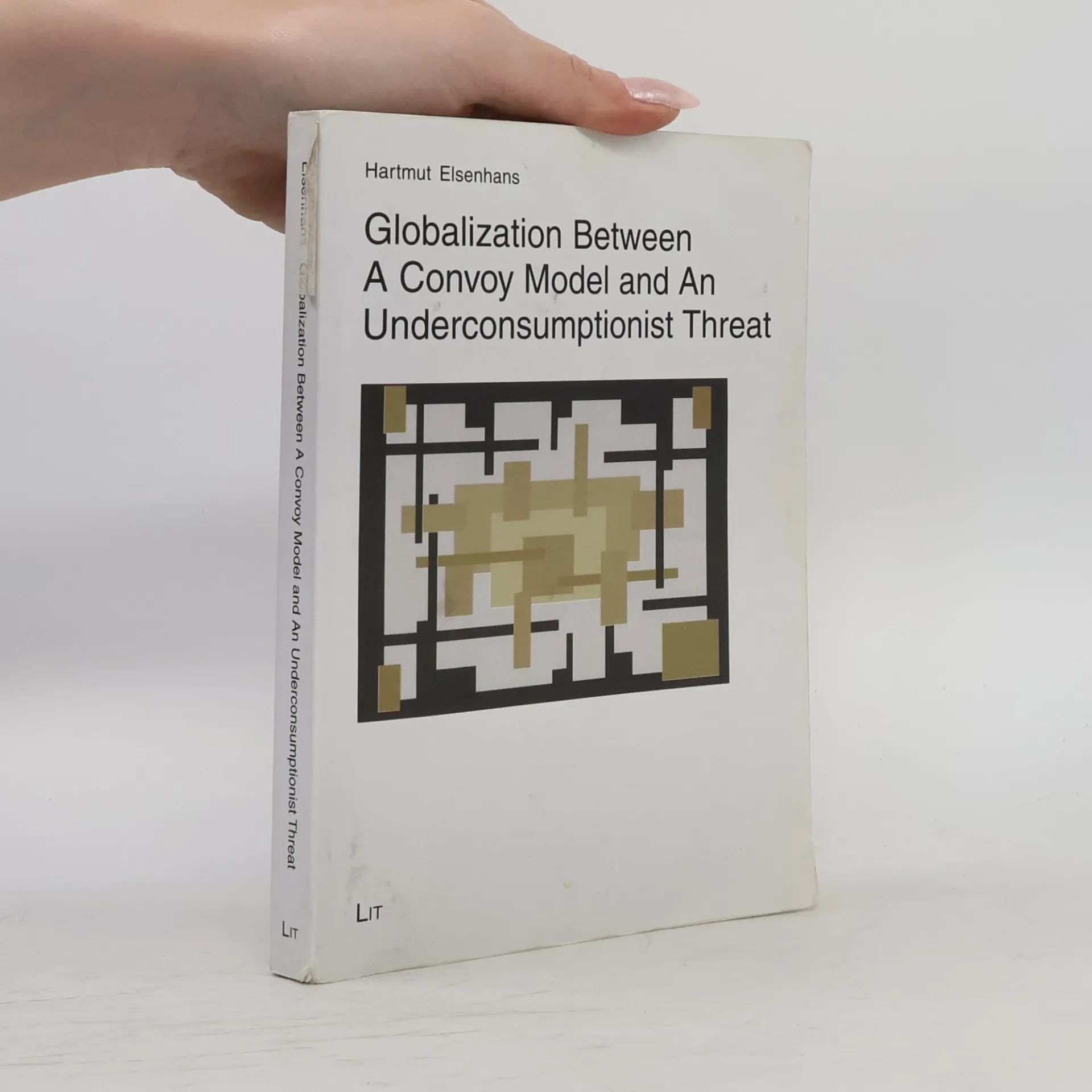


Globalization Between a Convoy Model and an Underconsumptionist Threat
Autor*innen
Mehr zum Buch
There are different types of globalization. Today's globalization is characterized by the worldwide disempowerment of labor. This is the result not of low real wages in backward countries but of devaluation-driven exports from relatively prosperous catch-up countries. An alternative form of globalization, the convoy model, is possible if the causes of devaluation-driven exports are eliminated. This does not call for a worldwide alignment of labor costs, but worldwide full employment policies. The latter require a strong state in labor-surplus economies of the underdeveloped South in addition to social and economic reforms in favor of the poor.
Buchkauf
Globalization Between a Convoy Model and an Underconsumptionist Threat, Hartmut Elsenhans
- Sprache

- Erscheinungsdatum
- 2006
- Einband
- (Paperback)
Keiner hat bisher bewertet.
- Titel
- Globalization Between a Convoy Model and an Underconsumptionist Threat
- Sprache
- Englisch
- Autor*innen
- Hartmut Elsenhans
- Verlag
- Lit
- Erscheinungsdatum
- 2006
- Einband
- Paperback
- Seitenzahl
- 312
- ISBN10
- 3825892190
- ISBN13
- 9783825892197
- Reihe
- Schlagwörter
- Beschreibung
- There are different types of globalization. Today's globalization is characterized by the worldwide disempowerment of labor. This is the result not of low real wages in backward countries but of devaluation-driven exports from relatively prosperous catch-up countries. An alternative form of globalization, the convoy model, is possible if the causes of devaluation-driven exports are eliminated. This does not call for a worldwide alignment of labor costs, but worldwide full employment policies. The latter require a strong state in labor-surplus economies of the underdeveloped South in addition to social and economic reforms in favor of the poor.