



Parameter
- 330 Seiten
- 12 Lesestunden
Mehr zum Buch
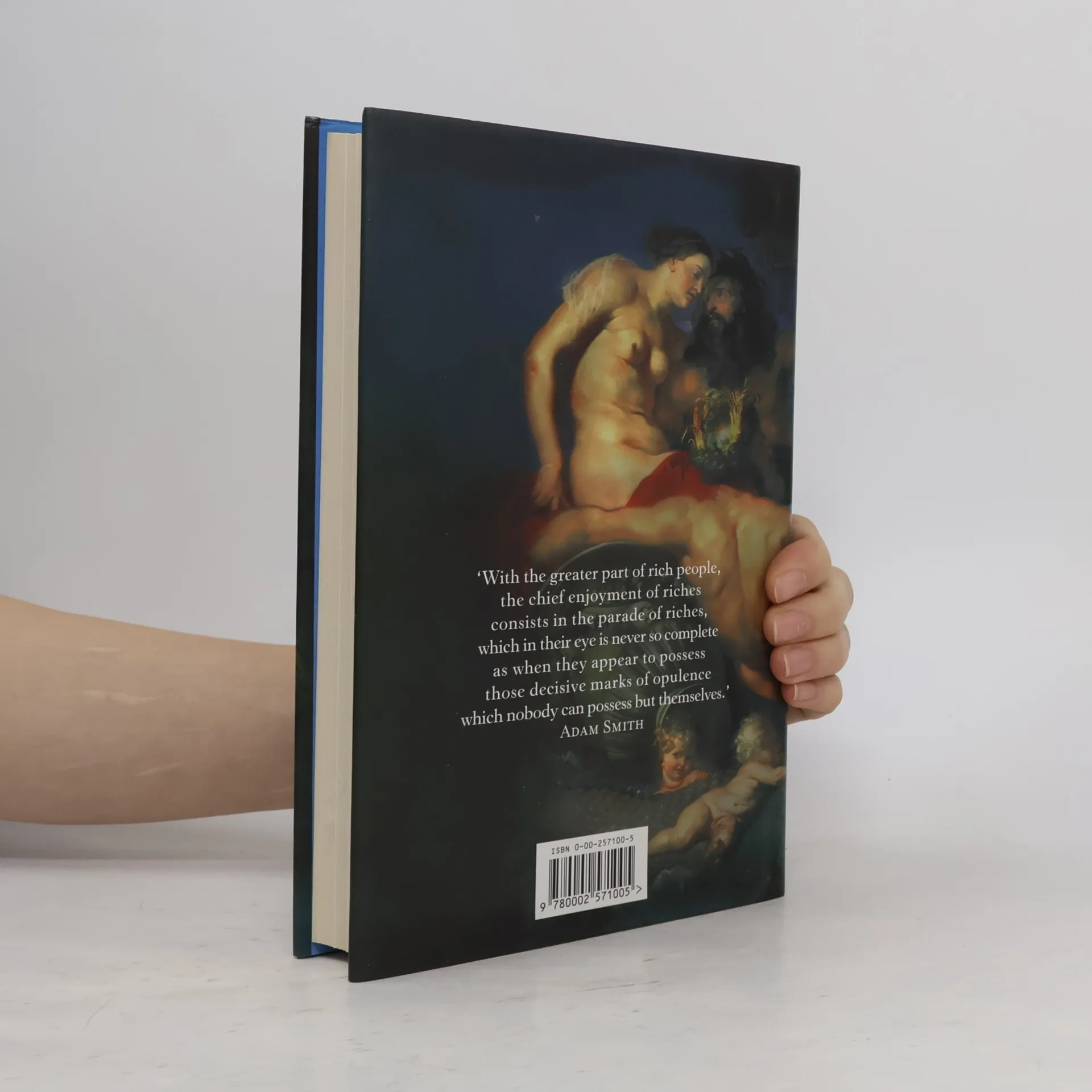
The man who has money will always rule the man who has art... for starving men are weak. Colin Platt's book explores the connection between the great artistic patrons and the artists they commissioned from the Catholic Church in the 11th century to the birth of modernism. It looks at how the great and the rich have used art to bolster political power, ego and at the dependence of princes on great art and writing to shape and claim a historical legacy. The book also examines how changes in socio-economic conditions filter through to artistic endeavour, and why - at any particular time - art flourished in specific geographical locations. There have been patrons of genius in every Abbot Desiderius in the 11th, St Bernard in the 12th, Louis IX in the 13th. Tiny, seafaring Portugal has had three. The flourishing of European art is closely linked to periods of economic growth and to in the 18th century, London took over as the commercial capital of the West. When Reynolds, Romney, Gainsborough, Stubbs and West were joined shortly afterwards by William Blake, John Constable and J.M.W. Turner, even the French had to acknowledge the excellence of British art - indisputably
Buchkauf
Marks of Opulence, Colin Platt, Professor Colin Platt
- Sprache

- Erscheinungsdatum
- 2004
- Einband
- (Hardcover),
- Buchzustand
- Gebraucht - Gut
- Preis
- 2,79 €inkl. MwSt.
Keiner hat bisher bewertet.
- Titel
- Marks of Opulence
- Untertitel
- The Why, When and Where of Western Art 1000-1914
- Sprache
- Englisch
- Autor*innen
- Colin Platt, Professor Colin Platt
- Verlag
- HarperCollins Publishers
- Erscheinungsdatum
- 2004
- Einband
- Hardcover
- Seitenzahl
- 330
- ISBN10
- 0002571005
- ISBN13
- 9780002571005
- Reihe
- Schlagwörter
- Historisches Thema, Kunst, Mittelalter, Kunstgeschichte, Geschichte Europas, Westeuropa
- Beschreibung
- The man who has money will always rule the man who has art... for starving men are weak. Colin Platt's book explores the connection between the great artistic patrons and the artists they commissioned from the Catholic Church in the 11th century to the birth of modernism. It looks at how the great and the rich have used art to bolster political power, ego and at the dependence of princes on great art and writing to shape and claim a historical legacy. The book also examines how changes in socio-economic conditions filter through to artistic endeavour, and why - at any particular time - art flourished in specific geographical locations. There have been patrons of genius in every Abbot Desiderius in the 11th, St Bernard in the 12th, Louis IX in the 13th. Tiny, seafaring Portugal has had three. The flourishing of European art is closely linked to periods of economic growth and to in the 18th century, London took over as the commercial capital of the West. When Reynolds, Romney, Gainsborough, Stubbs and West were joined shortly afterwards by William Blake, John Constable and J.M.W. Turner, even the French had to acknowledge the excellence of British art - indisputably