

Mehr zum Buch
Towards the end of the nineteenth century many affluent and educated people, influenced by developments in medical, biological and psychiatric sciences, became convinced that ignorance, insanity and criminality – even homosexuality and hysteria – were symptoms of the degeneration of the human race. Such theories seemed to provide plausible explanations for disturbing social changes, and new insights into human character and morality. For a time they achieved extraordinary dominance. In this book William Greenslade investigates the impact of degeneration theories on British culture, and on fiction. He traces the difficulties experienced by writers, including Hardy, Gissing, Conrad, Wells, Forster and Woolf, in negotiating their own freedom of interpretation in the light of such theories; he pursues the survival of degenerationism in the work of popular writers Warwich Deeping and John Buchan; and he charts the resilience of its tropes through the 1930s.
Buchkauf
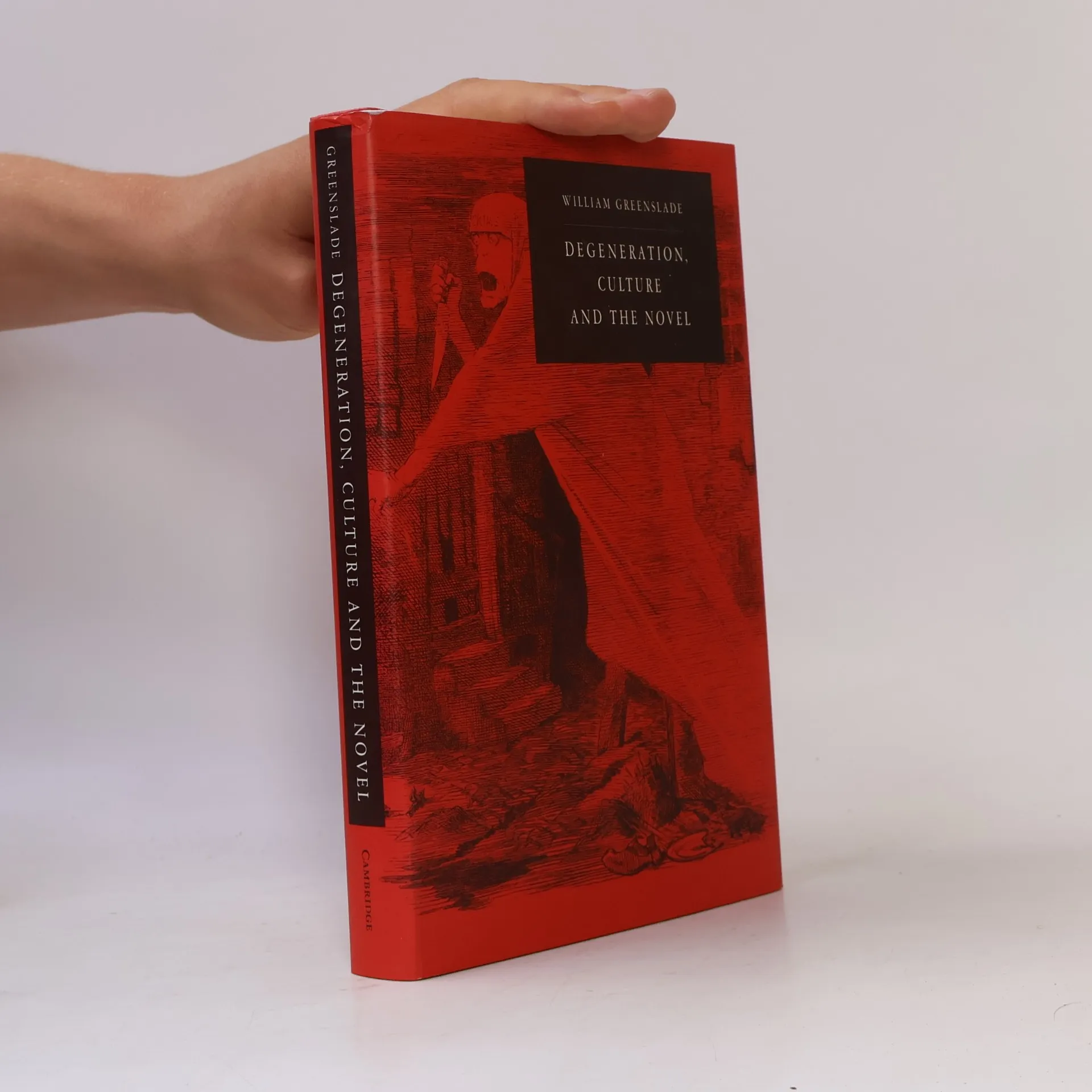
Degeneration, Culture and the Novel, William M. Greenslade, William P. Greenslade
- Sprache

- Erscheinungsdatum
- 1994
- Einband
- (Hardcover)
Keiner hat bisher bewertet.
- Titel
- Degeneration, Culture and the Novel
- Untertitel
- 1880–1940
- Sprache
- Englisch
- Autor*innen
- William M. Greenslade, William P. Greenslade
- Erscheinungsdatum
- 1994
- Einband
- Hardcover
- Seitenzahl
- 369
- ISBN10
- 0521416655
- ISBN13
- 9780521416658
- Reihe
- Schlagwörter
- Historisches Thema, 20. Jahrhundert, 19. Jahrhundert, Großbritannien, Literarische Kritik
- Beschreibung
- Towards the end of the nineteenth century many affluent and educated people, influenced by developments in medical, biological and psychiatric sciences, became convinced that ignorance, insanity and criminality – even homosexuality and hysteria – were symptoms of the degeneration of the human race. Such theories seemed to provide plausible explanations for disturbing social changes, and new insights into human character and morality. For a time they achieved extraordinary dominance. In this book William Greenslade investigates the impact of degeneration theories on British culture, and on fiction. He traces the difficulties experienced by writers, including Hardy, Gissing, Conrad, Wells, Forster and Woolf, in negotiating their own freedom of interpretation in the light of such theories; he pursues the survival of degenerationism in the work of popular writers Warwich Deeping and John Buchan; and he charts the resilience of its tropes through the 1930s.