


Mehr zum Buch
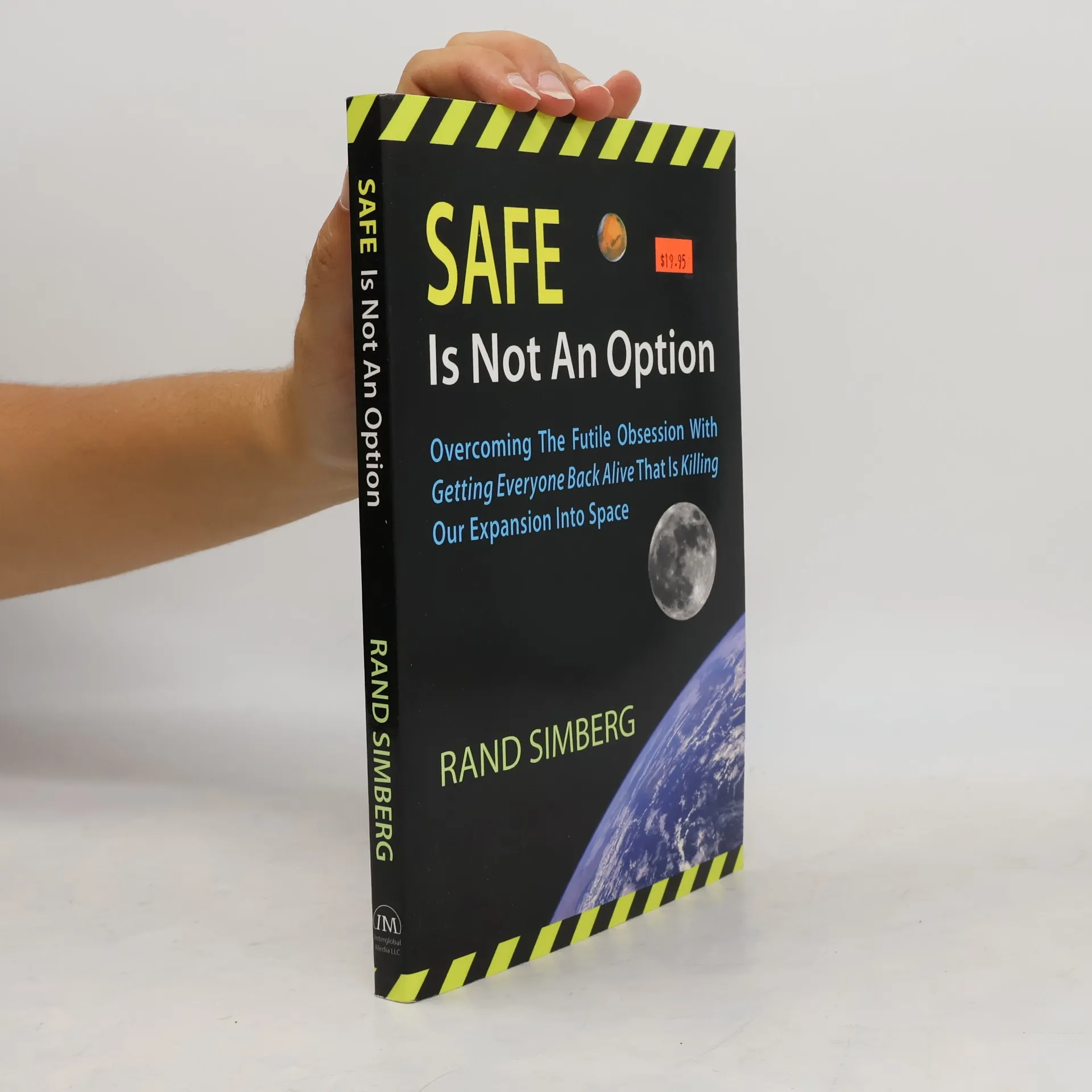
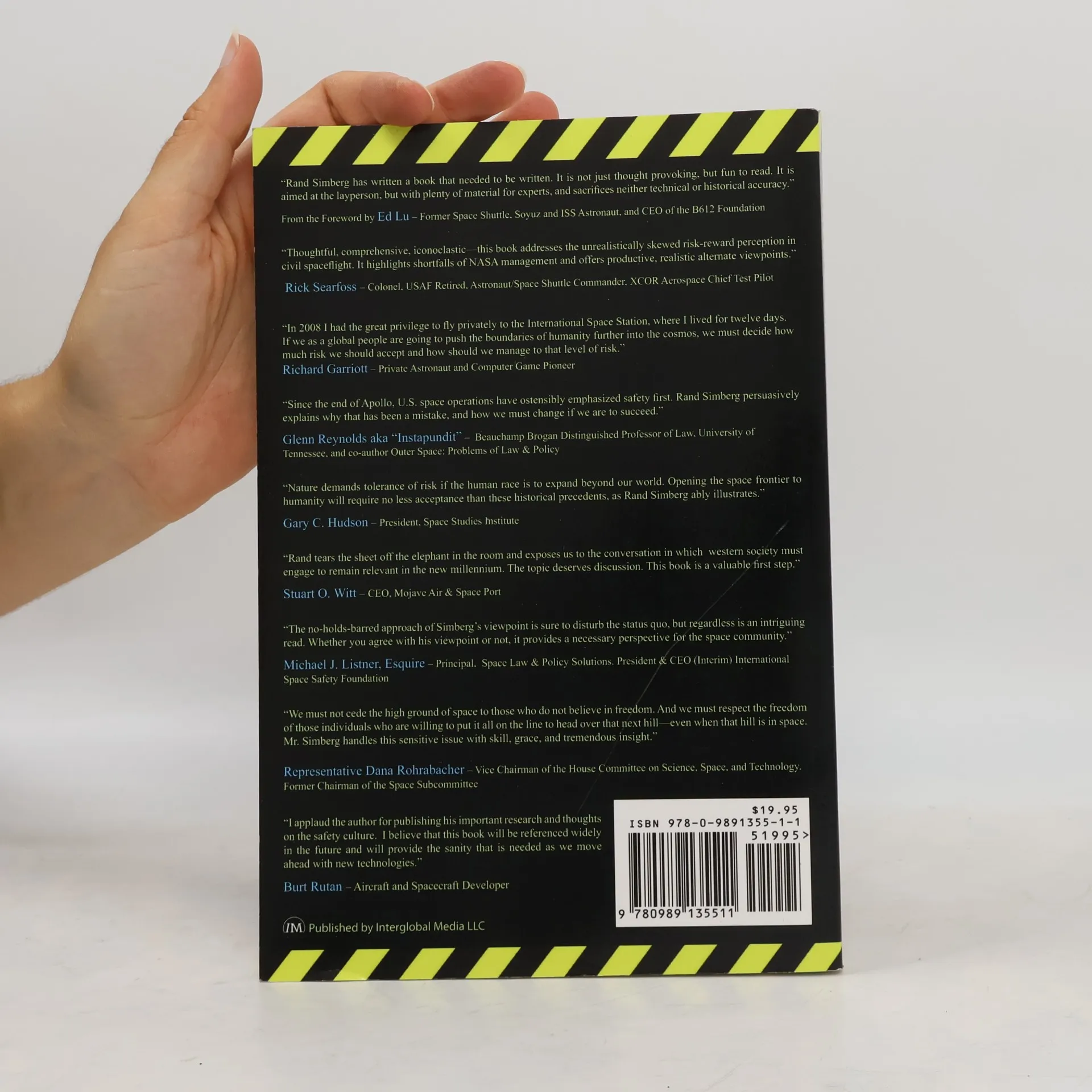
The history of exploration, particularly in space, has always involved risks to the health and lives of explorers. In the realm of space exploration, however, the focus has shifted from achieving goals to minimizing the risk of injury or death for those involved. Since the Apollo era, human spaceflight has been costly and infrequent, with around 500 individuals participating and a death rate of approximately 4%. This risk aversion has led to an irrational and expensive approach to safety, resulting in minimal achievements at high costs. The narrative explores the necessity for a more balanced regulatory approach to passenger safety in commercial spaceflight, advocating for NASA to evaluate mission rewards more rationally and for Congress to reconsider its insistence on prioritizing safety above all else. This insistence reflects a lack of commitment to exploring new frontiers. The author, a seasoned aerospace engineer with extensive experience in the space industry, provides insights into the regulatory and market challenges facing commercial and personal spaceflight. His background includes consulting and writing on space policy and technology, underscoring the need for a shift in how society views safety in the context of space exploration.
Buchkauf
Safe Is Not an Option, Ed Lu, Rand Simberg, William Simon
- Sprache

- Erscheinungsdatum
- 2013
- Einband
- (Paperback),
- Buchzustand
- Gebraucht - Gut
- Preis
- 9,39 €inkl. MwSt.
Keiner hat bisher bewertet.
- Titel
- Safe Is Not an Option
- Untertitel
- How a Futile Obsession with Getting Everyone Back Alive is Killing Our Expansion Into Space
- Sprache
- Englisch
- Autor*innen
- Ed Lu, Rand Simberg, William Simon
- Verlag
- Interglobal Media LLC
- Erscheinungsdatum
- 2013
- Einband
- Paperback
- Seitenzahl
- 242
- ISBN10
- 0989135519
- ISBN13
- 9780989135511
- Reihe
- Schlagwörter
- Rechtsthematik, Wissenschaft, Technologie, Weltraum, Politische Theorien, Soziale Aspekte
- Beschreibung
- The history of exploration, particularly in space, has always involved risks to the health and lives of explorers. In the realm of space exploration, however, the focus has shifted from achieving goals to minimizing the risk of injury or death for those involved. Since the Apollo era, human spaceflight has been costly and infrequent, with around 500 individuals participating and a death rate of approximately 4%. This risk aversion has led to an irrational and expensive approach to safety, resulting in minimal achievements at high costs. The narrative explores the necessity for a more balanced regulatory approach to passenger safety in commercial spaceflight, advocating for NASA to evaluate mission rewards more rationally and for Congress to reconsider its insistence on prioritizing safety above all else. This insistence reflects a lack of commitment to exploring new frontiers. The author, a seasoned aerospace engineer with extensive experience in the space industry, provides insights into the regulatory and market challenges facing commercial and personal spaceflight. His background includes consulting and writing on space policy and technology, underscoring the need for a shift in how society views safety in the context of space exploration.