

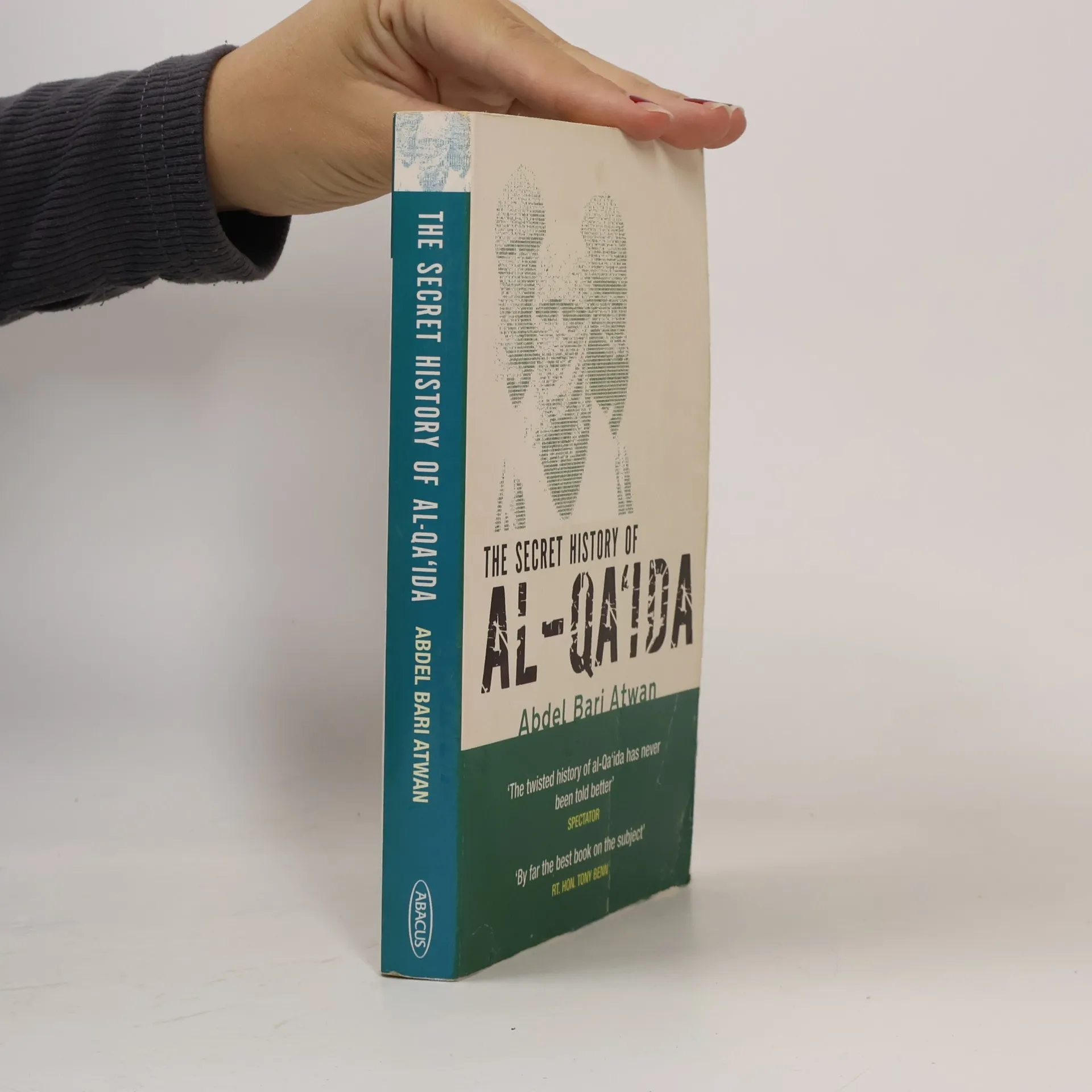
The Secret History of Al-Qa'ida
Autor*innen
Parameter
- 304 Seiten
- 11 Lesestunden
Mehr zum Buch
Over the last ten years, journalist and al-Qa'ida expert Abdel Bari Atwan has cultivated uniquely well-placed sources and amassed a wealth of information about al-Qa'ida's origins, masterminds and plans for the future. In this book, Atwan reveals how al-Qa'ida's radical departure from the classic terrorist / guerrilla blueprint has enabled it to outpace less adaptable efforts to neutralise it. The fanaticism of its fighters, and their willingness to kill and be killed, are matched by the leadership's opportunistic recruitment strategies and sophisticated understanding of psychology, media and new technology - including the use of the Internet for training, support and communications. Atwan also argues that current events in the Middle East represent watershed moments in the group's evolution that are making it more dangerous by the day, as it refines and appropriates the concept of jihad and makes the suicide bomber a permanent feature of a global holy war.
Buchkauf
The Secret History of Al-Qa'ida, Abdel Bari Atwan
- Sprache

- Erscheinungsdatum
- 2006
- Einband
- (Paperback)
Keiner hat bisher bewertet.
- Titel
- The Secret History of Al-Qa'ida
- Sprache
- Englisch
- Autor*innen
- Abdel Bari Atwan
- Verlag
- Abacus
- Erscheinungsdatum
- 2006
- Einband
- Paperback
- Seitenzahl
- 304
- ISBN10
- 0349120358
- ISBN13
- 9780349120355
- Reihe
- Kategorien
- Schlagwörter
- Historisches Thema, Religiöse Themen, Politik, Kriege, Großbritannien, Politische Theorien, London, Gewalt, Terrorismus, Soziale Geschichte, Irak, Politische Geschichte, Madrid, Saudi-Arabien, Dschihad, Politische Bewegungen
- Beschreibung
- Over the last ten years, journalist and al-Qa'ida expert Abdel Bari Atwan has cultivated uniquely well-placed sources and amassed a wealth of information about al-Qa'ida's origins, masterminds and plans for the future. In this book, Atwan reveals how al-Qa'ida's radical departure from the classic terrorist / guerrilla blueprint has enabled it to outpace less adaptable efforts to neutralise it. The fanaticism of its fighters, and their willingness to kill and be killed, are matched by the leadership's opportunistic recruitment strategies and sophisticated understanding of psychology, media and new technology - including the use of the Internet for training, support and communications. Atwan also argues that current events in the Middle East represent watershed moments in the group's evolution that are making it more dangerous by the day, as it refines and appropriates the concept of jihad and makes the suicide bomber a permanent feature of a global holy war.