

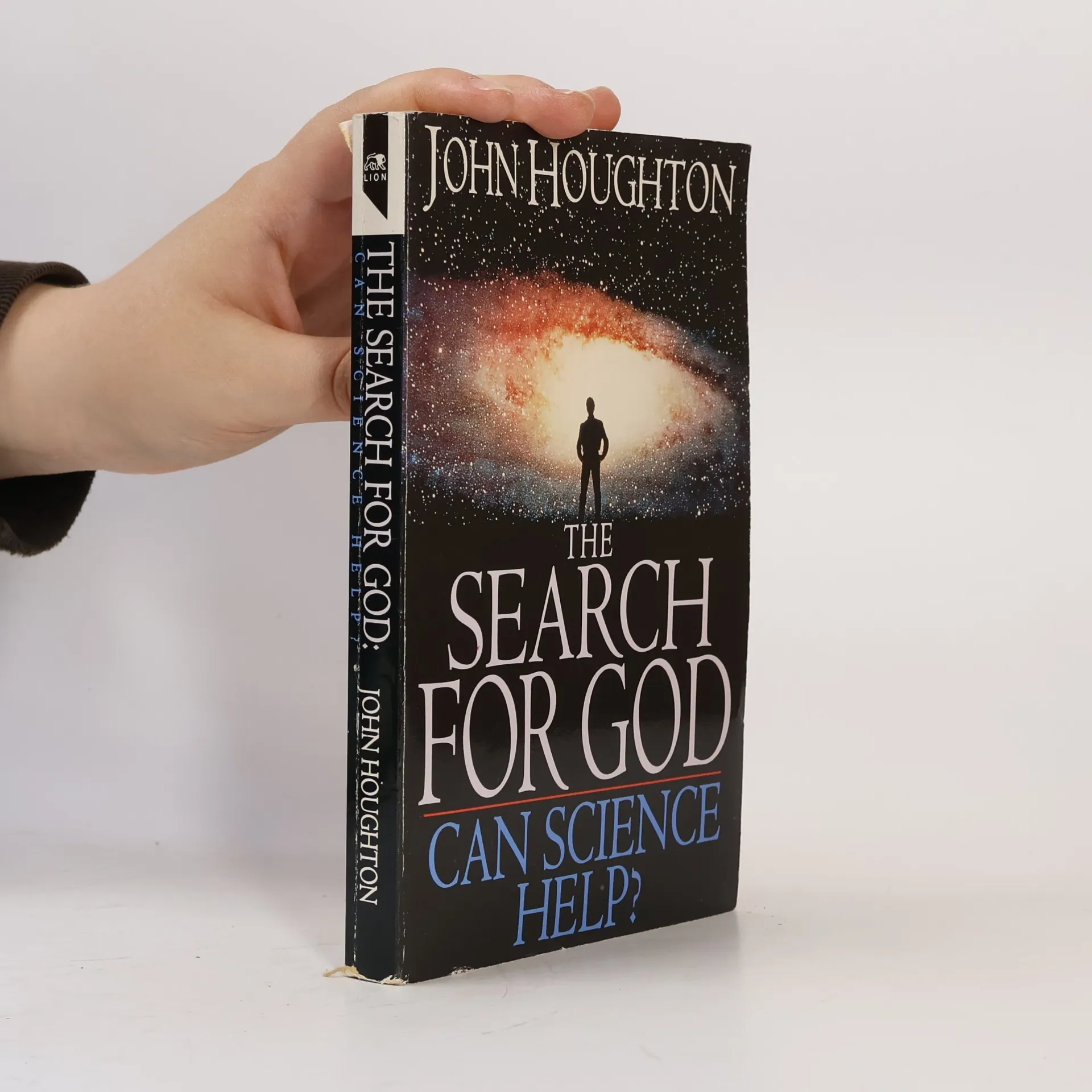


Parameter
- 224 Seiten
- 8 Lesestunden
Mehr zum Buch
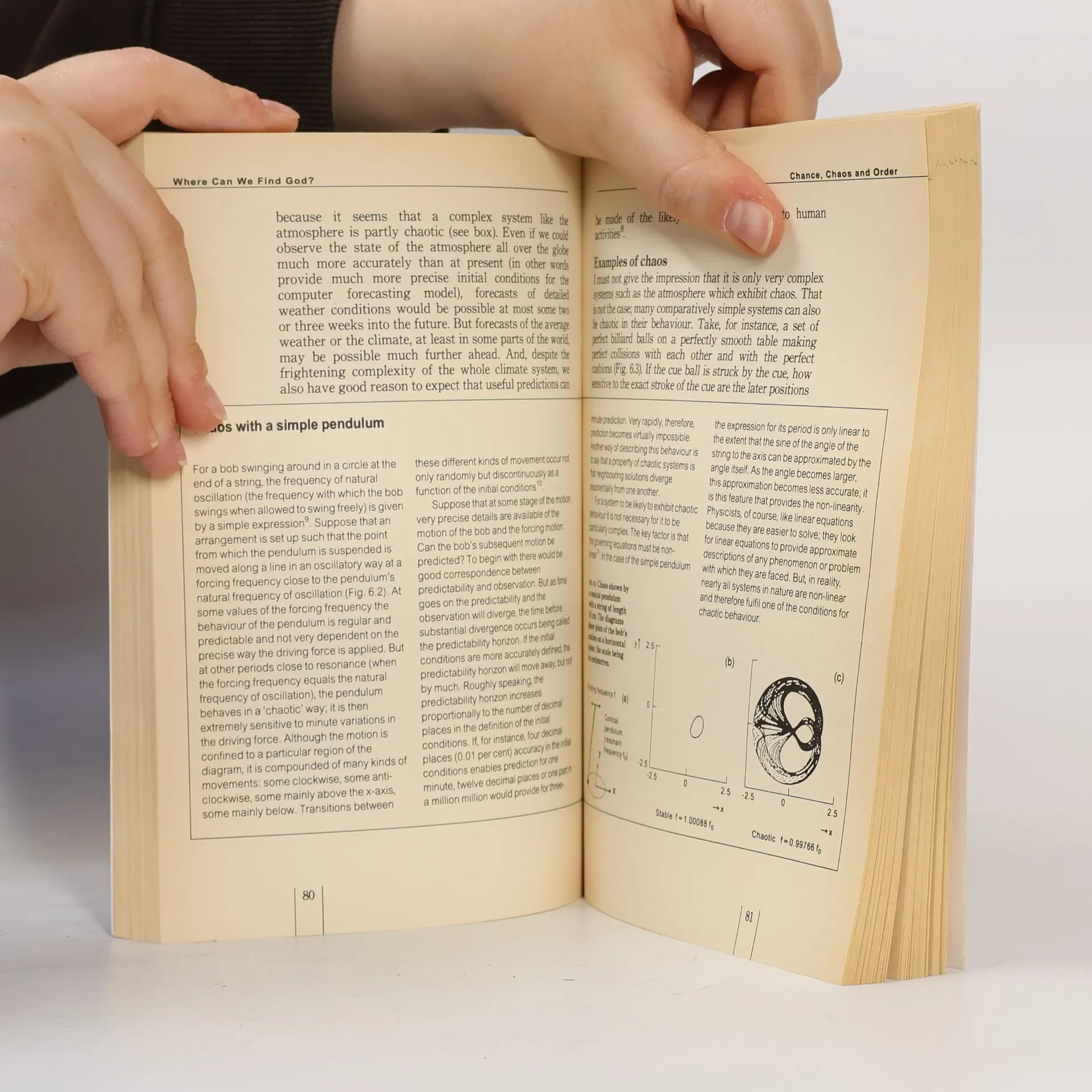
In this book, adapted from the Oxford Templeton Lectures given in 1992, Sir John Houghton, a leading British scientist with a long involvement in space research, explores the overlap between the concerns of science and religion.He describes our current knowledge of the physical universe, its origins and the place of human beings in it. He looks at the traditional ways people have found God through the natural order, and the way the 'God of the gaps' has diminished as scientific knowledge has grown. He uses Einstein's description of space and time in the universe to introduce a model for God's action in the world. He puts alongside each other the revelation of God in the natural world and in the person of Jesus. He studies God's action in the through the influence of prayer on external events and the extraordinary events that are known as miracles. Finally, he compares the working methods and the motivations of science and faith - are they really so different?
Buchkauf
Search for God-Can Science Help, Houghton
- Sprache

- Erscheinungsdatum
- 1995
- Einband
- (Paperback),
- Buchzustand
- Beschädigt
- Preis
- 3,57 €inkl. MwSt.
Keiner hat bisher bewertet.
- Titel
- Search for God-Can Science Help
- Untertitel
- Can Science Help?
- Sprache
- Englisch
- Autor*innen
- Houghton
- Verlag
- Lion Pub
- Erscheinungsdatum
- 1995
- Einband
- Paperback
- Seitenzahl
- 224
- ISBN10
- 074593305X
- ISBN13
- 9780745933054
- Reihe
- Kategorien
- Schlagwörter
- Religiöse Themen, Philosophisches Thema, Wissenschaft, Wissenschaftsphilosophie, Wissenschaft und Glauben
- Beschreibung
- In this book, adapted from the Oxford Templeton Lectures given in 1992, Sir John Houghton, a leading British scientist with a long involvement in space research, explores the overlap between the concerns of science and religion.He describes our current knowledge of the physical universe, its origins and the place of human beings in it. He looks at the traditional ways people have found God through the natural order, and the way the 'God of the gaps' has diminished as scientific knowledge has grown. He uses Einstein's description of space and time in the universe to introduce a model for God's action in the world. He puts alongside each other the revelation of God in the natural world and in the person of Jesus. He studies God's action in the through the influence of prayer on external events and the extraordinary events that are known as miracles. Finally, he compares the working methods and the motivations of science and faith - are they really so different?