


Mehr zum Buch
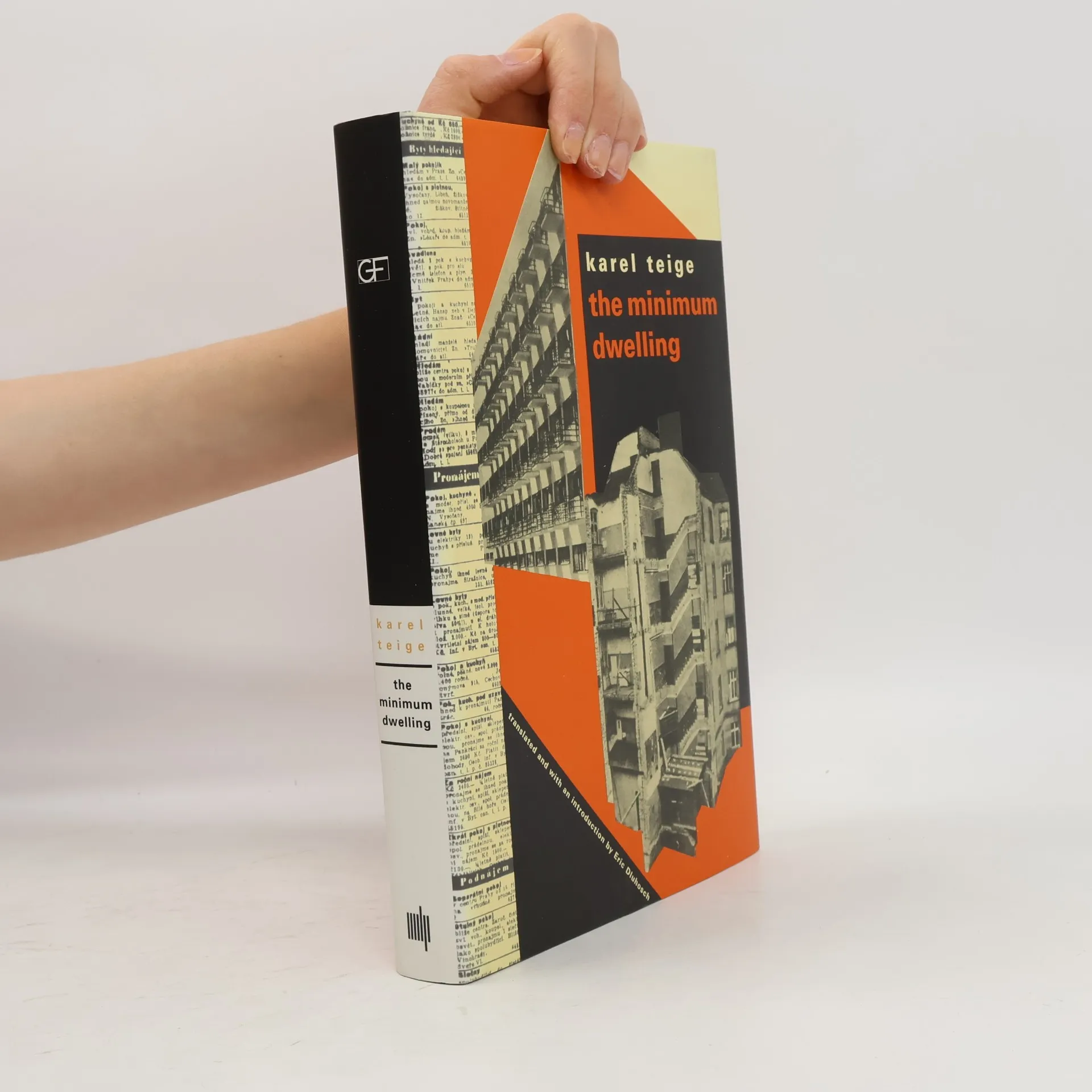
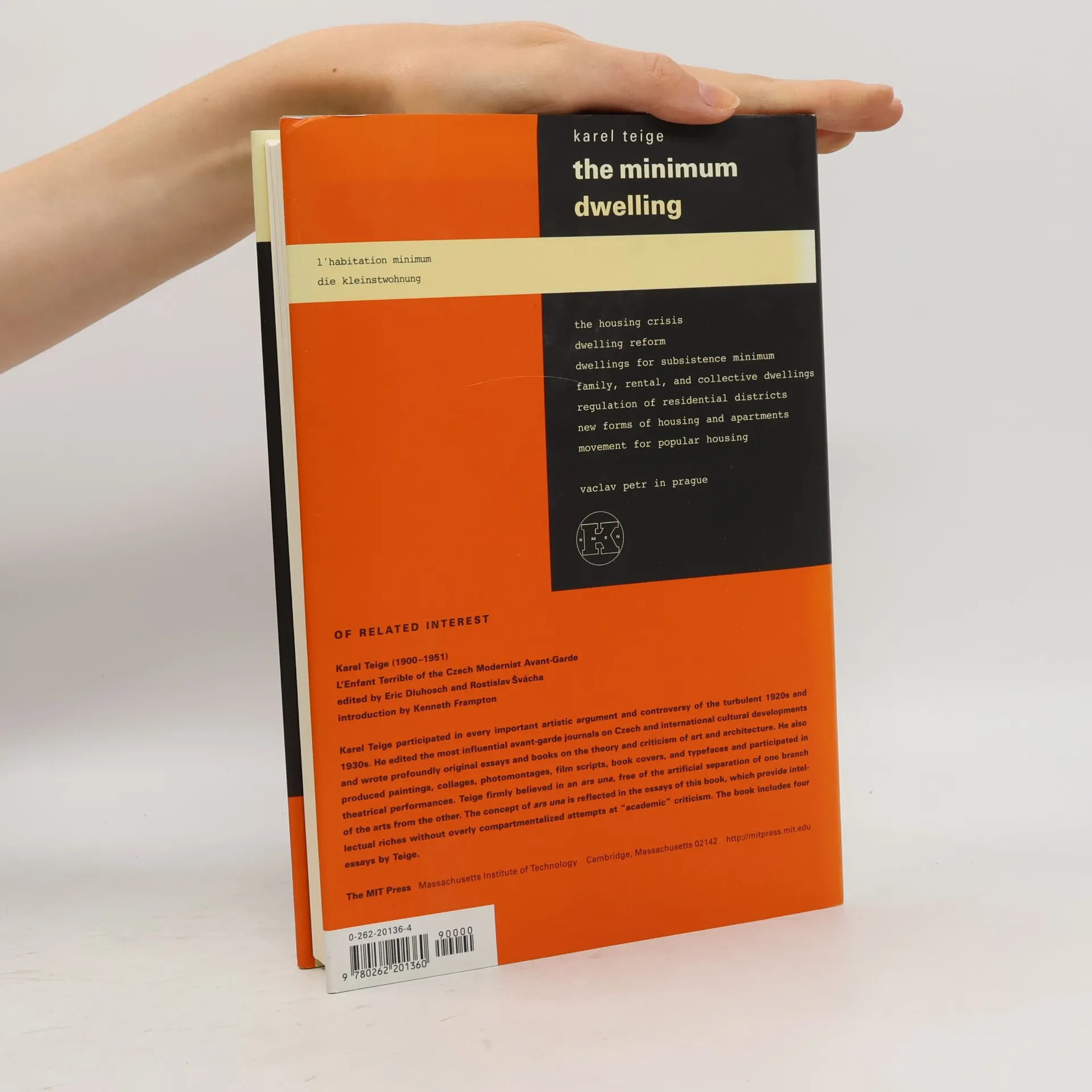
This long-awaited English-language edition of Karel Teige's influential work on minimum dwelling presents a new housing type for the working class. Teige (1900-1951), a pivotal figure in avant-garde modernism during the 1920s and 1930s, shaped various fields of art, design, and urban thought in Czechoslovakia. Originally published in Czech in 1932, this landmark architectural text advocates for a radical rethinking of domestic space and the role of modern architecture in creating new dwelling types for the proletariat. Teige critiques prominent architects like Gropius, Le Corbusier, and Mies van der Rohe for merely redesigning opulent spaces for the financial elite. Instead, he proposes the minimum dwelling as a completely new concept, developed through collaboration among architects, sociologists, economists, and more. The book challenges traditional views, particularly regarding the kitchen's role in family life and marriage as the basis of cohabitation, while exploring alternative lifestyles and new forms of communal living. Teige's insights into collective housing remain relevant today, anticipating communal living trends from the 1960s and 1970s, as well as modern condominium and retirement community designs.
Buchkauf
The Minimum Dwelling, Eric Dluhosch, Karel Teige
- Sprache

- Erscheinungsdatum
- 2002
- Einband
- (Hardcover),
- Buchzustand
- Beschädigt
- Preis
- 53,63 €inkl. MwSt.
Keiner hat bisher bewertet.
- Titel
- The Minimum Dwelling
- Untertitel
- L'habitation minimum = Die Kleinstwohnung : the housing crisis, housing reform ...
- Sprache
- Englisch
- Autor*innen
- Eric Dluhosch, Karel Teige
- Verlag
- MIT PR
- Erscheinungsdatum
- 2002
- Einband
- Hardcover
- Seitenzahl
- 360
- ISBN10
- 0262201364
- ISBN13
- 9780262201360
- Reihe
- Schlagwörter
- Historisches Thema, Architektur, USA, Tschechische Republik, Wohnen, Soziale Aspekte, Bauplanung
- Beschreibung
- This long-awaited English-language edition of Karel Teige's influential work on minimum dwelling presents a new housing type for the working class. Teige (1900-1951), a pivotal figure in avant-garde modernism during the 1920s and 1930s, shaped various fields of art, design, and urban thought in Czechoslovakia. Originally published in Czech in 1932, this landmark architectural text advocates for a radical rethinking of domestic space and the role of modern architecture in creating new dwelling types for the proletariat. Teige critiques prominent architects like Gropius, Le Corbusier, and Mies van der Rohe for merely redesigning opulent spaces for the financial elite. Instead, he proposes the minimum dwelling as a completely new concept, developed through collaboration among architects, sociologists, economists, and more. The book challenges traditional views, particularly regarding the kitchen's role in family life and marriage as the basis of cohabitation, while exploring alternative lifestyles and new forms of communal living. Teige's insights into collective housing remain relevant today, anticipating communal living trends from the 1960s and 1970s, as well as modern condominium and retirement community designs.