




Parameter
- 210 Seiten
- 8 Lesestunden
Mehr zum Buch
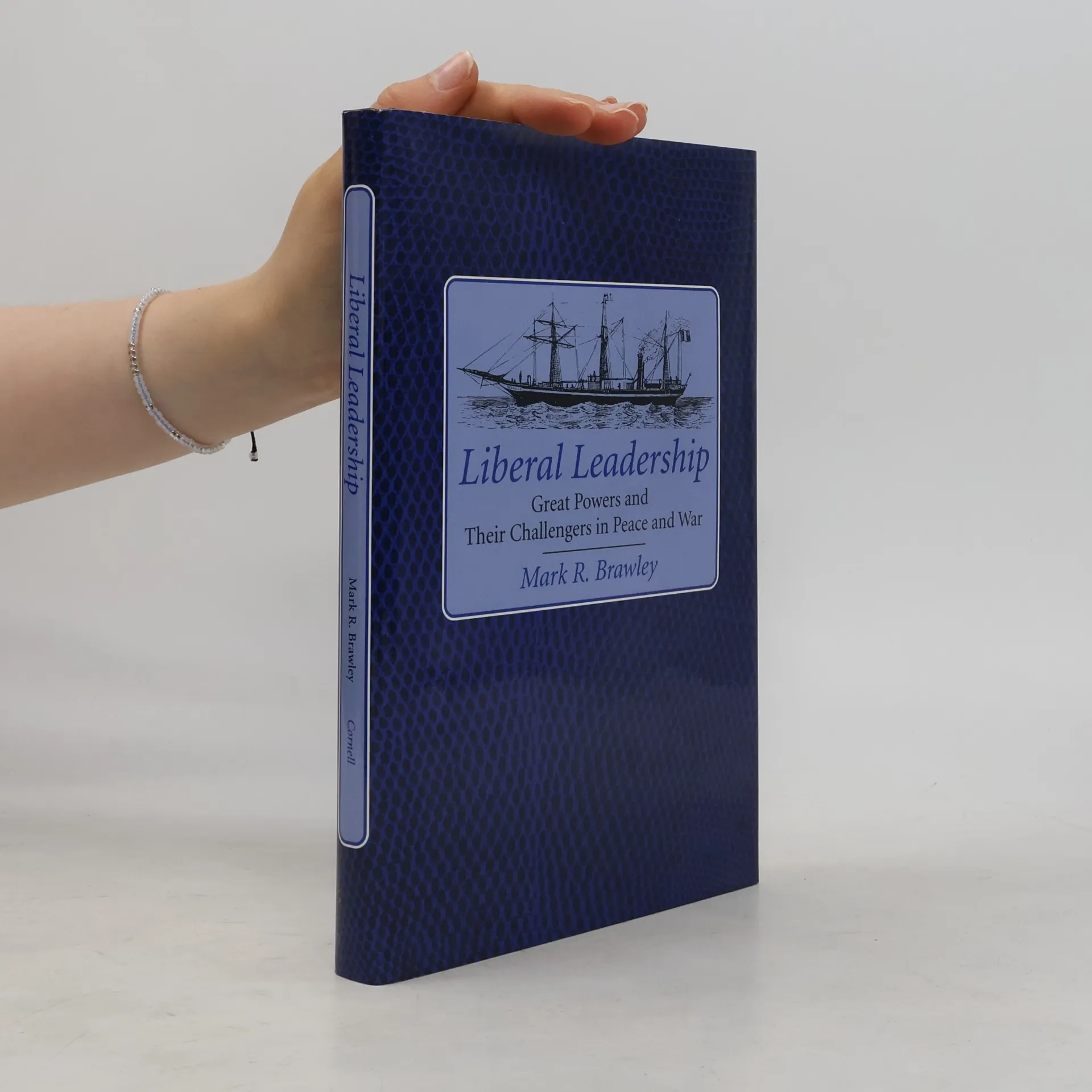
How do dominant powers emerge, and why do other nations challenge them? What are the consequences of Great Power wars on political and economic relations? Mark R. Brawley addresses these critical questions by presenting a comprehensive model that links war and hegemonic leadership. He examines the history of relations among major Western powers, from the rise of the United Provinces in 1648 to the post-World War II dominance of the United States. Since the mid-seventeenth century, Western states have engaged in global wars, with victors using their hegemonic status to create liberal economic subsystems that ultimately collapse before the next major conflict. While previous theories have focused on power distribution and capabilities, Brawley emphasizes the significance of domestic economic and political factors. He analyzes the interests that motivate states to lead liberal subsystems, considering the domestic gains and losses from international trade and the preferences of key actors regarding trade liberalization and foreign policy. This work offers stimulating insights for scholars and students in international relations, political economy, economic history, and the history of modern Europe and the United States.
Buchkauf
Liberal Leadership, Mark Randal Brawley
- Sprache

- Erscheinungsdatum
- 1993
- Einband
- (Hardcover),
- Buchzustand
- Gebraucht - Sehr gut
- Preis
- 3,69 €inkl. MwSt.
Keiner hat bisher bewertet.
- Titel
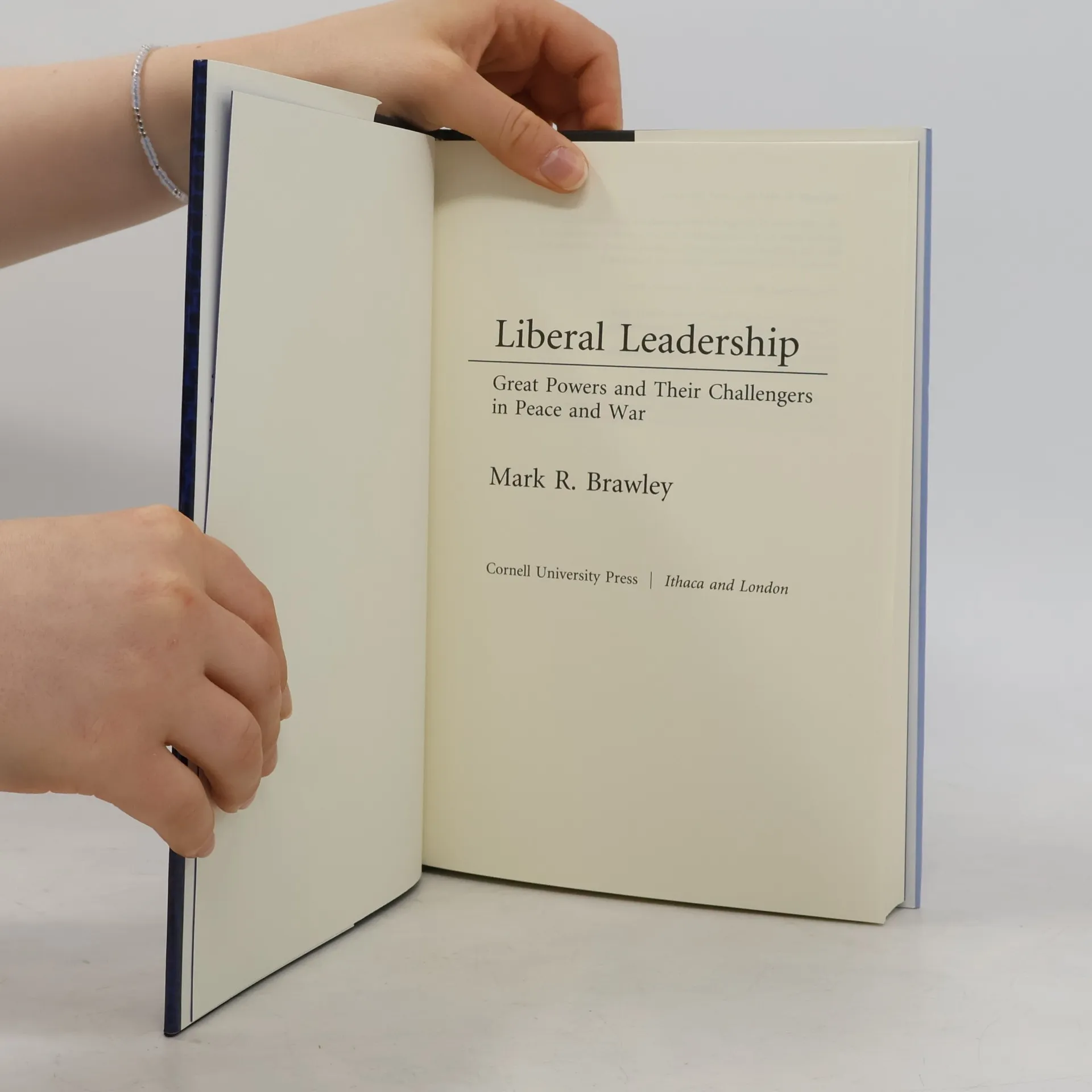
- Liberal Leadership
- Untertitel
- Great Powers and Their Challengers in Peace and War
- Sprache
- Englisch
- Autor*innen
- Mark Randal Brawley
- Verlag
- Cornell University Press
- Erscheinungsdatum
- 1993
- Einband
- Hardcover
- Seitenzahl
- 210
- ISBN10
- 0801428084
- ISBN13
- 9780801428081
- Reihe
- Kategorien
- Schlagwörter
- Historisches Thema, Handel, USA, Politische Theorien, Internationale Beziehungen, Internationale Wirtschaftsbeziehungen
- Beschreibung
- How do dominant powers emerge, and why do other nations challenge them? What are the consequences of Great Power wars on political and economic relations? Mark R. Brawley addresses these critical questions by presenting a comprehensive model that links war and hegemonic leadership. He examines the history of relations among major Western powers, from the rise of the United Provinces in 1648 to the post-World War II dominance of the United States. Since the mid-seventeenth century, Western states have engaged in global wars, with victors using their hegemonic status to create liberal economic subsystems that ultimately collapse before the next major conflict. While previous theories have focused on power distribution and capabilities, Brawley emphasizes the significance of domestic economic and political factors. He analyzes the interests that motivate states to lead liberal subsystems, considering the domestic gains and losses from international trade and the preferences of key actors regarding trade liberalization and foreign policy. This work offers stimulating insights for scholars and students in international relations, political economy, economic history, and the history of modern Europe and the United States.