

Mehr zum Buch
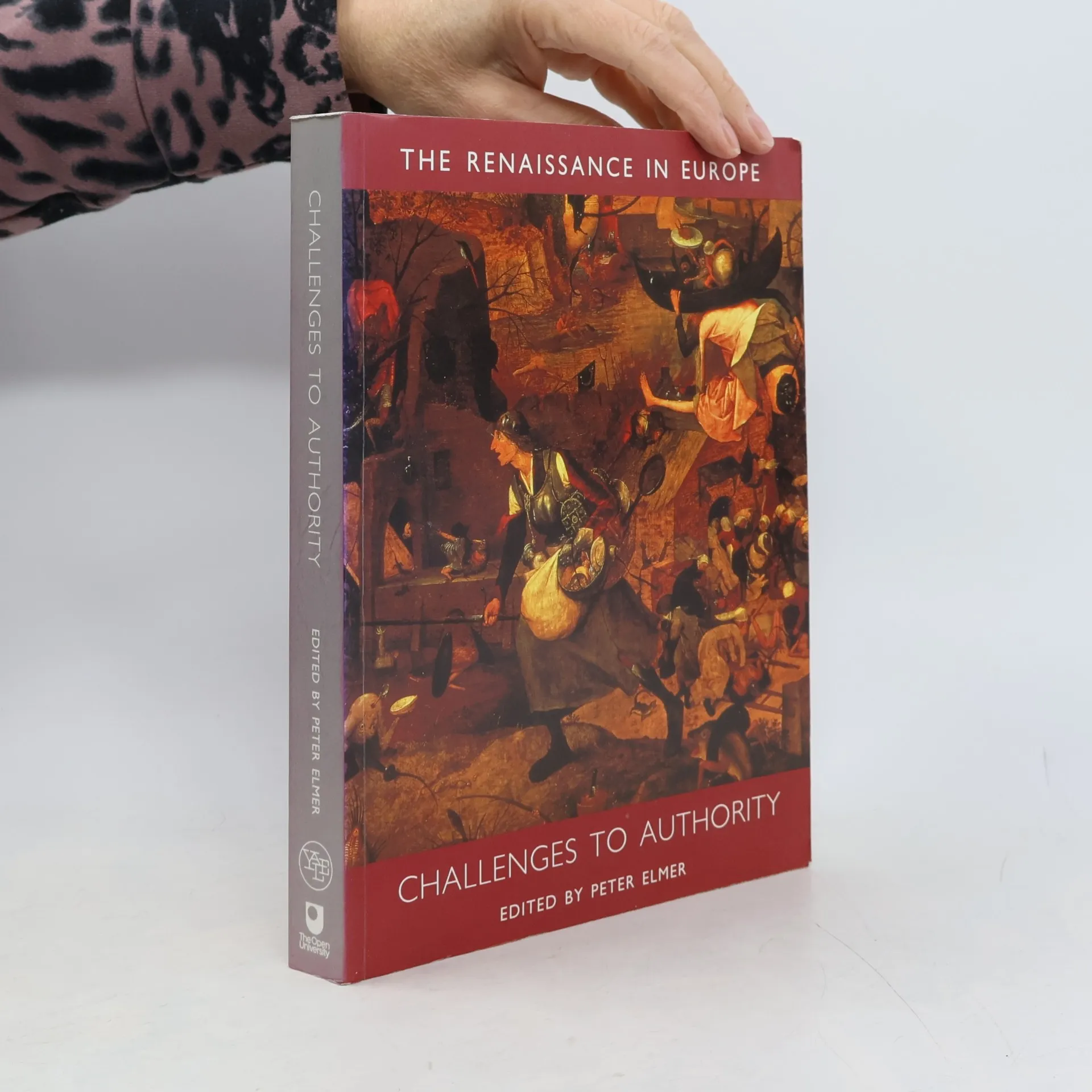
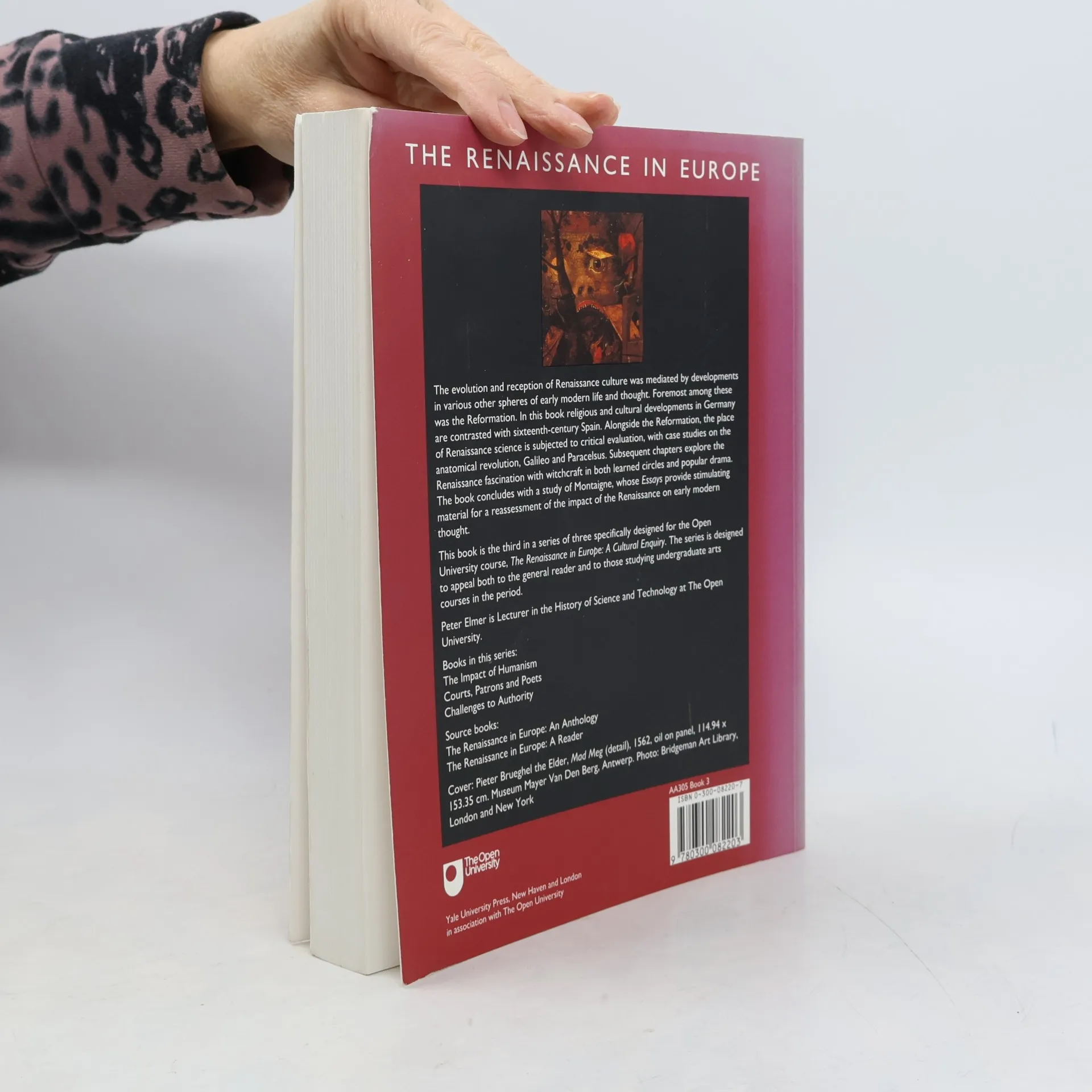
The evolution and reception of the Renaissance was mediated by developments in various other spheres of early modern life and culture. Foremost among these were the religious changes initiated by the Protestant Reformation, which are discussed in the opening chapters of this book. Religious and cultural developments in Germany are contrasted with sixteenth-century Spain and are further explored through the study of the picaresque novel Lazarillo de Tormes.The place of Renaissance science or natural philosophy is also the subject of critical evaluation in this book. Case studies on the anatomical revolution, Galileo and court patronage, and Paracelsus illustrate new approaches in the field. Subsequent chapters explore the Renaissance fascination with witchcraft and demonology in both learned discourse (Pico’s Strix) and popular drama ( The Witch of Edmonton). The volume concludes with a study of one of the most influential and provocative writers of the sixteenth century, Michel de Montaigne, whose Essays provide stimulating material for a reassessment of the impact of the Renaissance on contemporary thought.This volume is the third in a series of three texts designed for the Open University course The Renaissance in A Cultural Enquiry.
Buchkauf
Challenges to Authority, Peter Elmer
- Sprache

- Erscheinungsdatum
- 2000
- Einband
- (Paperback),
- Buchzustand
- Gebraucht - Gut
- Preis
- 5,29 €inkl. MwSt.
Keiner hat bisher bewertet.
- Titel
- Challenges to Authority
- Untertitel
- The Renaissance in Europe
- Sprache
- Englisch
- Autor*innen
- Peter Elmer
- Verlag
- Yale University Press
- Erscheinungsdatum
- 2000
- Einband
- Paperback
- Seitenzahl
- 440
- ISBN10
- 0300082207
- ISBN13
- 9780300082203
- Reihe
- Schlagwörter
- Historisches Thema, Wissenschaft, Europa, Geschichte Europas, Westeuropa, 17. Jahrhundert, Soziale Geschichte, Renaissance, 16. Jahrhundert, Geschichte der Wissenschaft, Zivilisation
- Beschreibung
- The evolution and reception of the Renaissance was mediated by developments in various other spheres of early modern life and culture. Foremost among these were the religious changes initiated by the Protestant Reformation, which are discussed in the opening chapters of this book. Religious and cultural developments in Germany are contrasted with sixteenth-century Spain and are further explored through the study of the picaresque novel Lazarillo de Tormes.The place of Renaissance science or natural philosophy is also the subject of critical evaluation in this book. Case studies on the anatomical revolution, Galileo and court patronage, and Paracelsus illustrate new approaches in the field. Subsequent chapters explore the Renaissance fascination with witchcraft and demonology in both learned discourse (Pico’s Strix) and popular drama ( The Witch of Edmonton). The volume concludes with a study of one of the most influential and provocative writers of the sixteenth century, Michel de Montaigne, whose Essays provide stimulating material for a reassessment of the impact of the Renaissance on contemporary thought.This volume is the third in a series of three texts designed for the Open University course The Renaissance in A Cultural Enquiry.