



Mehr zum Buch
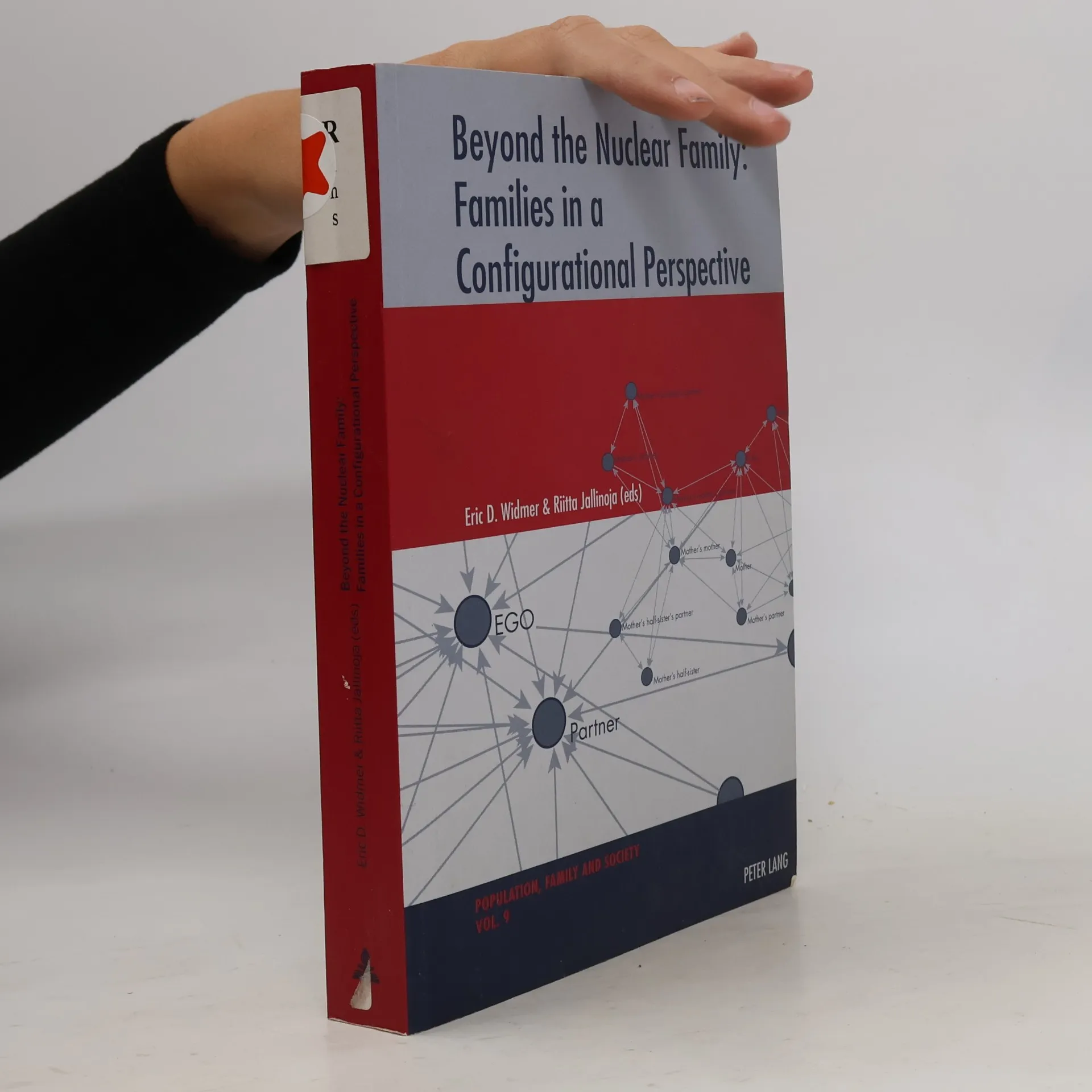
The importance of significant family contexts that are not easily circumscribed with reference to a household or a limited set of family roles has been underlined throughout the last two decades by researchers. A strong interest for family relationships beyond the nuclear family has emerged in the social sciences. The various contributions to this book develop a configurational approach to families, which emphasizes interdependencies existing among large numbers of family members, and reconsiders some of the central issues of family life in this light: fertility projects, childcare and socialization, monetary transfers across generations and support for the elderly, relationships with grandparents, uncles, aunts and in-laws, gender inequalities, divorce and other family disruptions, and the importance of friends and acquaintances for families. Beyond very real changes affecting the structures of family life since the sixties, the book reveals that basic forms of togetherness still underlie much of what is going on in family configurations.
Buchkauf
Beyond the Nuclear family: families in a configurational perspective, Eric Widmer
- Sprache

- Erscheinungsdatum
- 2008
- Einband
- (Paperback),
- Buchzustand
- Gebraucht - Sehr gut
- Preis
- 47,39 €inkl. MwSt.
Keiner hat bisher bewertet.
- Titel
- Beyond the Nuclear family: families in a configurational perspective
- Untertitel
- Families in a Configurational Perspective
- Sprache
- Englisch
- Autor*innen
- Eric Widmer
- Verlag
- Lang
- Erscheinungsdatum
- 2008
- Einband
- Paperback
- Seitenzahl
- 401
- ISBN10
- 3039117041
- ISBN13
- 9783039117048
- Reihe
- Kategorien
- Schlagwörter
- Sonstige Lehrbücher, Familie, Beziehungen, Perspektive
- Beschreibung
- The importance of significant family contexts that are not easily circumscribed with reference to a household or a limited set of family roles has been underlined throughout the last two decades by researchers. A strong interest for family relationships beyond the nuclear family has emerged in the social sciences. The various contributions to this book develop a configurational approach to families, which emphasizes interdependencies existing among large numbers of family members, and reconsiders some of the central issues of family life in this light: fertility projects, childcare and socialization, monetary transfers across generations and support for the elderly, relationships with grandparents, uncles, aunts and in-laws, gender inequalities, divorce and other family disruptions, and the importance of friends and acquaintances for families. Beyond very real changes affecting the structures of family life since the sixties, the book reveals that basic forms of togetherness still underlie much of what is going on in family configurations.