


Parameter
- 352 Seiten
- 13 Lesestunden
Mehr zum Buch
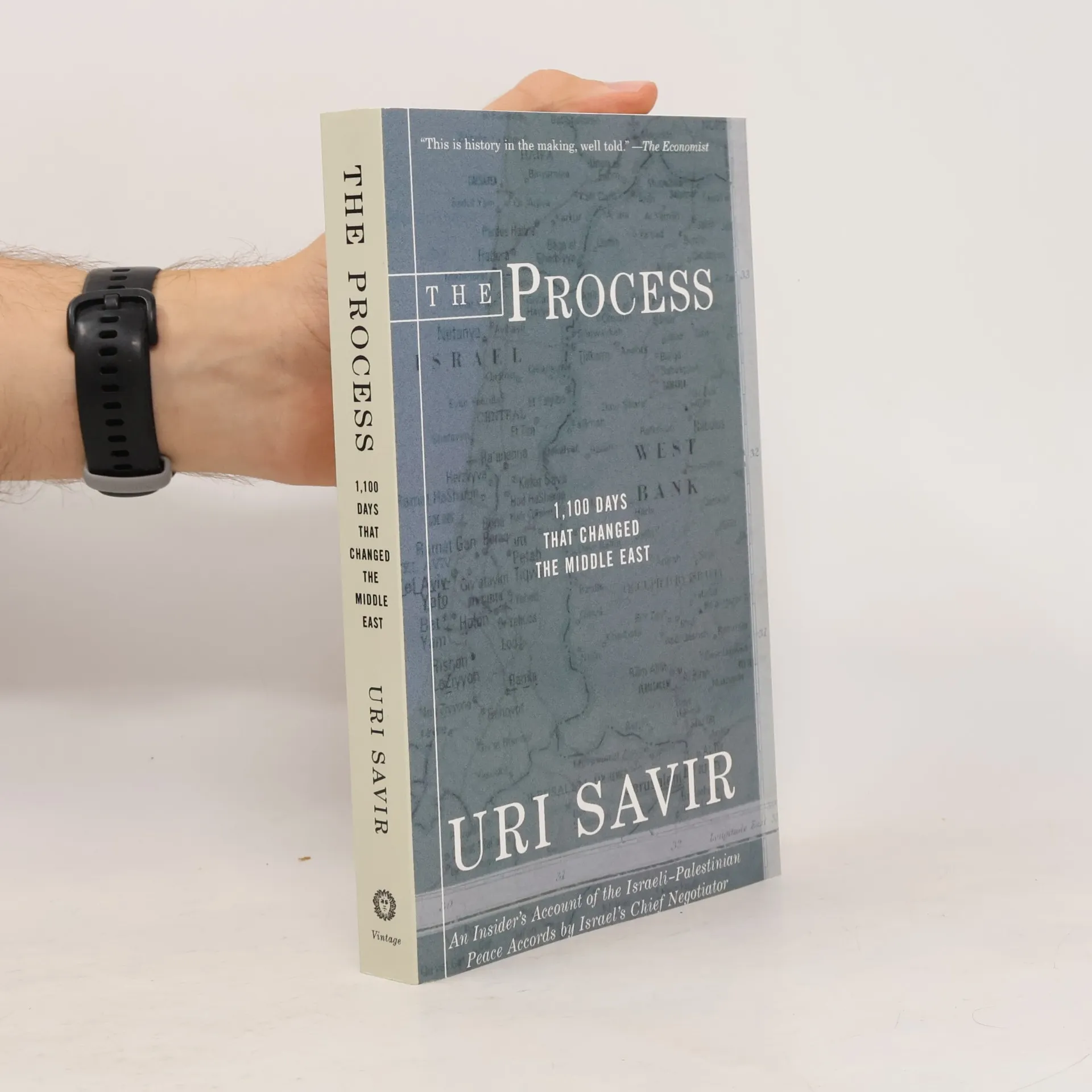
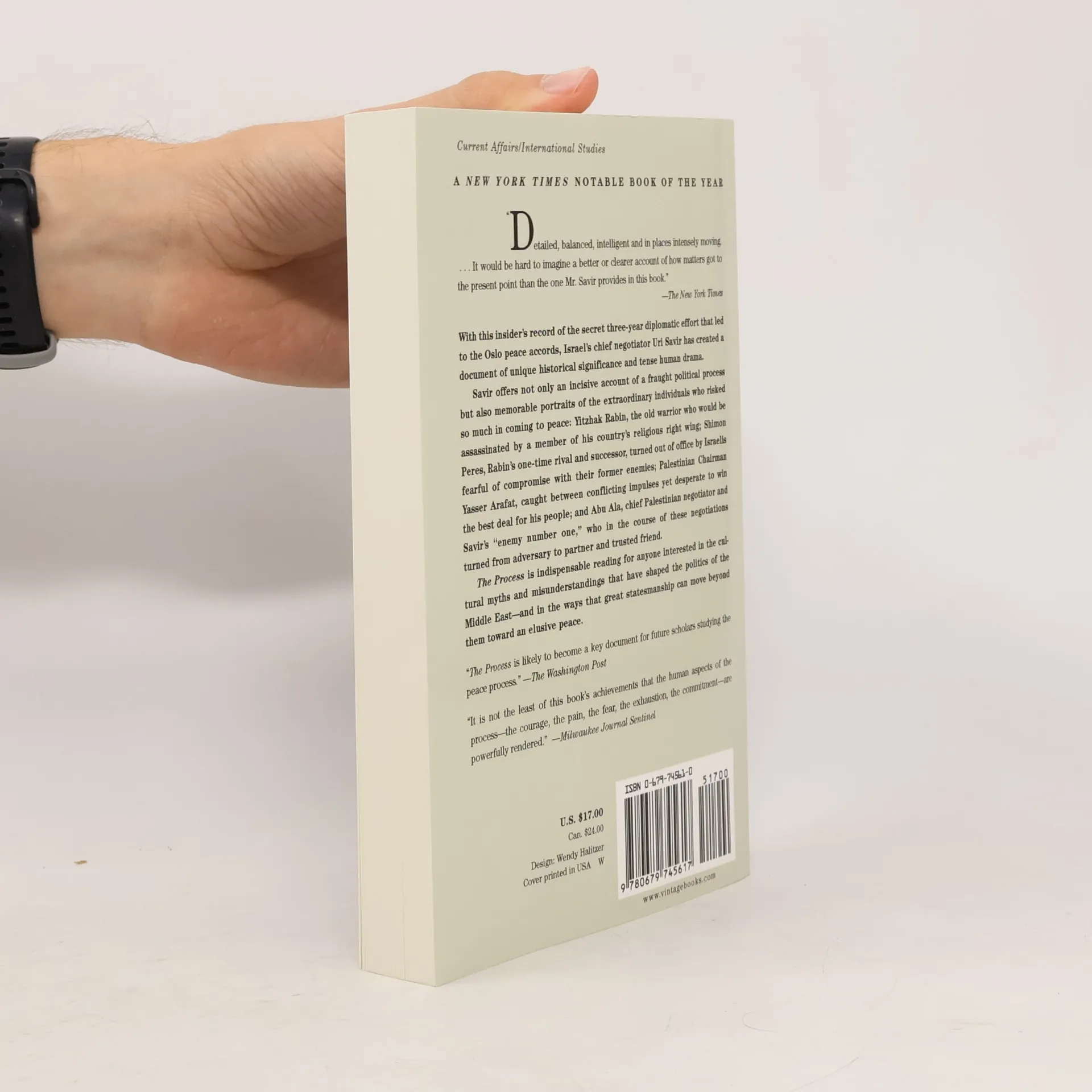
In Oslo, a nervous Norwegian diplomat introduced Uri Savir, Israel's Foreign Ministry director-general, to Abu Ala, a top aide to Yasser Arafat, marking the first official meeting between Israel and the PLO. The atmosphere was charged as Savir stated Israel's aim for a historic reconciliation with the Palestinian people, emphasizing a genuine desire for change rather than mere cosmetic adjustments. For over fifty years, both sides had denied each other's existence, resulting in immense suffering. However, in the three years following this initial encounter, extensive secret negotiations led to a groundbreaking framework for peace in a seemingly intractable conflict. This narrative recounts the Israeli chief negotiator's firsthand experiences during these negotiations, their implementation, and the aftermath, highlighting the unexpected partnership among Yitzhak Rabin, Yasser Arafat, and Shimon Peres. As the Oslo process began to shift regional allegiances, extremists on both sides sought to sabotage the emerging peace. This account also explores the evolving relationship between Savir and Abu Ala, both dedicated to their people and the pursuit of peace. The fate of the Oslo peace process hangs in the balance, with implications extending beyond Israel and Palestine to the broader Middle East and the world.
Buchkauf
The Process, Uri Savir
- Sprache

- Erscheinungsdatum
- 1999
- Einband
- (Paperback),
- Buchzustand
- Gebraucht - Sehr gut
- Preis
- 4,89 €inkl. MwSt.
Keiner hat bisher bewertet.
- Titel
- The Process
- Untertitel
- 1,100 Days That Changed The Middle East
- Sprache
- Englisch
- Autor*innen
- Uri Savir
- Erscheinungsdatum
- 1999
- Einband
- Paperback
- Seitenzahl
- 352
- ISBN10
- 0679745610
- ISBN13
- 9780679745617
- Reihe
- Kategorien
- Schlagwörter
- Historisches Thema, Politik, Kriege, Fachliteratur, Internationale Beziehungen, Israel, Geisteswissenschaften, Geopolitik, Frieden, Regierung, Palästina, Naher und Mittlerer Osten, Jerusalem, Politische Philosophie, Weltpolitik
- Beschreibung
- In Oslo, a nervous Norwegian diplomat introduced Uri Savir, Israel's Foreign Ministry director-general, to Abu Ala, a top aide to Yasser Arafat, marking the first official meeting between Israel and the PLO. The atmosphere was charged as Savir stated Israel's aim for a historic reconciliation with the Palestinian people, emphasizing a genuine desire for change rather than mere cosmetic adjustments. For over fifty years, both sides had denied each other's existence, resulting in immense suffering. However, in the three years following this initial encounter, extensive secret negotiations led to a groundbreaking framework for peace in a seemingly intractable conflict. This narrative recounts the Israeli chief negotiator's firsthand experiences during these negotiations, their implementation, and the aftermath, highlighting the unexpected partnership among Yitzhak Rabin, Yasser Arafat, and Shimon Peres. As the Oslo process began to shift regional allegiances, extremists on both sides sought to sabotage the emerging peace. This account also explores the evolving relationship between Savir and Abu Ala, both dedicated to their people and the pursuit of peace. The fate of the Oslo peace process hangs in the balance, with implications extending beyond Israel and Palestine to the broader Middle East and the world.