

Mehr zum Buch
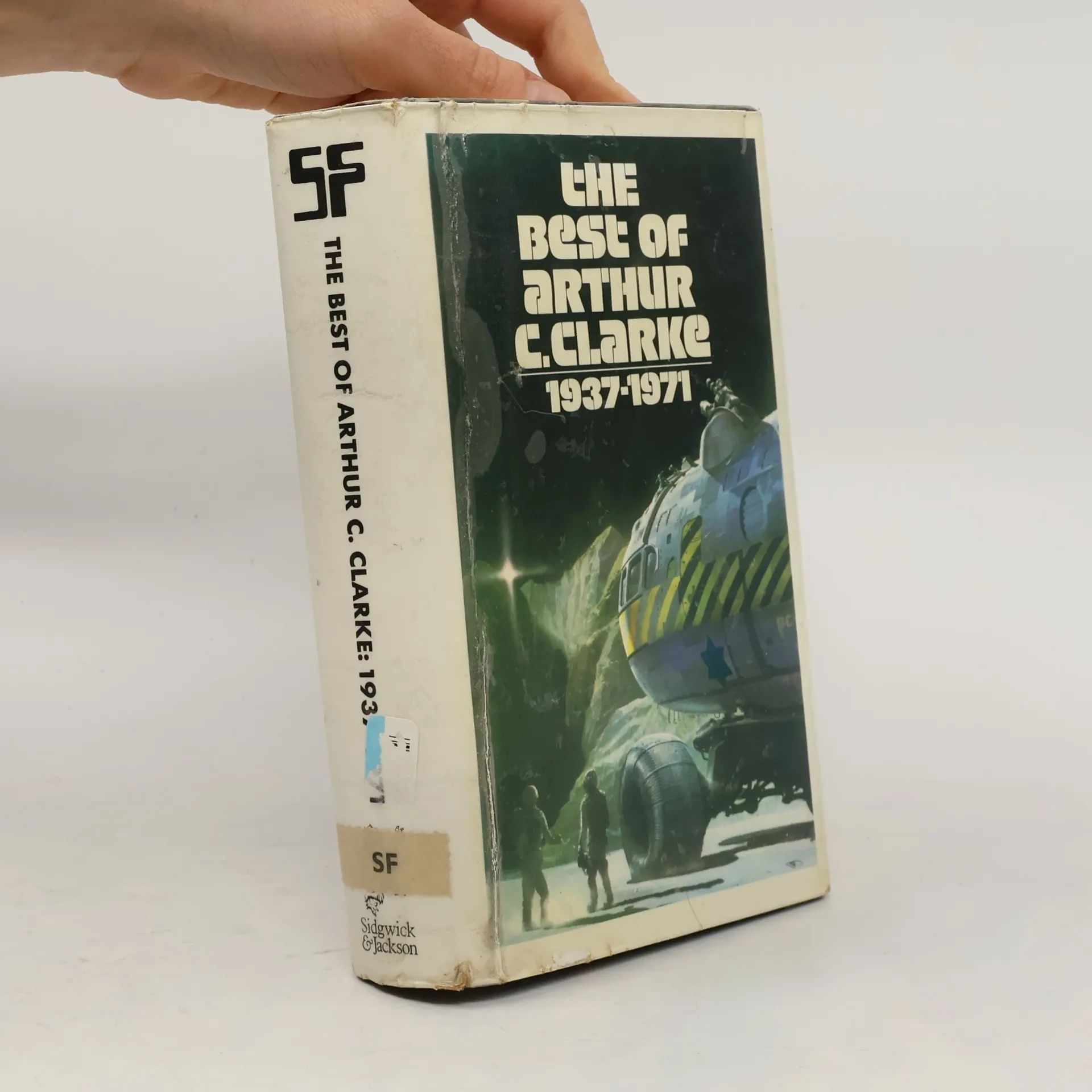
The author of such science fiction classics as The Sands of Mars, Childhood's End and the world-famous 2001: A Space Odyssey is concerned with both the scientific and the metaphysical aspects of SF. A founder member of the British Interplanetary Society, Clarke originated the proposal for the use of satellites for communications; his technical knowledge is equalled only by his skill as a writer. These eighteen stories are chosen to show Clarke's development in both areas. The collection includes: Hide and Seek One man against a murderously efficient space cruiser-on an asteroid only 20 kilometres wide. The Sentinel The short story on which the author based 2001. Sunjammer A fleet of mighty gunships embarks upon a fabulous voyage. This anthology includes a complete bibliography and an introduction by Arthur C. Clarke.
Buchkauf
The Best of Arthur C. Clarke, Arthur C. Clarke
- Sprache

- Erscheinungsdatum
- 1973
Keiner hat bisher bewertet.
- Titel
- The Best of Arthur C. Clarke
- Sprache
- Englisch
- Autor*innen
- Arthur C. Clarke
- Verlag
- Sidgwick and Jackson
- Erscheinungsdatum
- 1973
- Seitenzahl
- 336
- ISBN10
- 0283979798
- ISBN13
- 9780283979798
- Reihe
- Kategorien
- Schlagwörter
- Kurzgeschichten
- Beschreibung
- The author of such science fiction classics as The Sands of Mars, Childhood's End and the world-famous 2001: A Space Odyssey is concerned with both the scientific and the metaphysical aspects of SF. A founder member of the British Interplanetary Society, Clarke originated the proposal for the use of satellites for communications; his technical knowledge is equalled only by his skill as a writer. These eighteen stories are chosen to show Clarke's development in both areas. The collection includes: Hide and Seek One man against a murderously efficient space cruiser-on an asteroid only 20 kilometres wide. The Sentinel The short story on which the author based 2001. Sunjammer A fleet of mighty gunships embarks upon a fabulous voyage. This anthology includes a complete bibliography and an introduction by Arthur C. Clarke.