

Mehr zum Buch
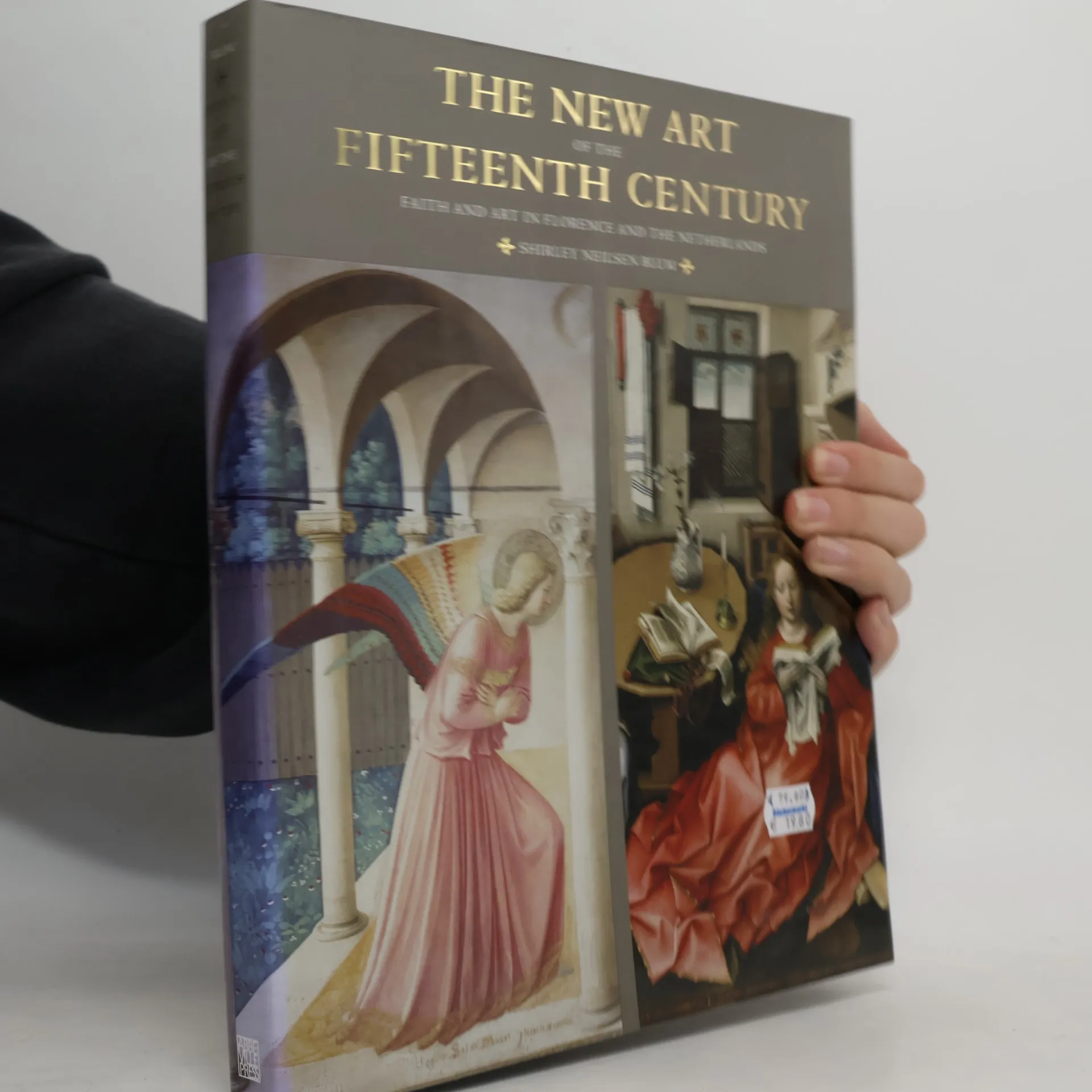
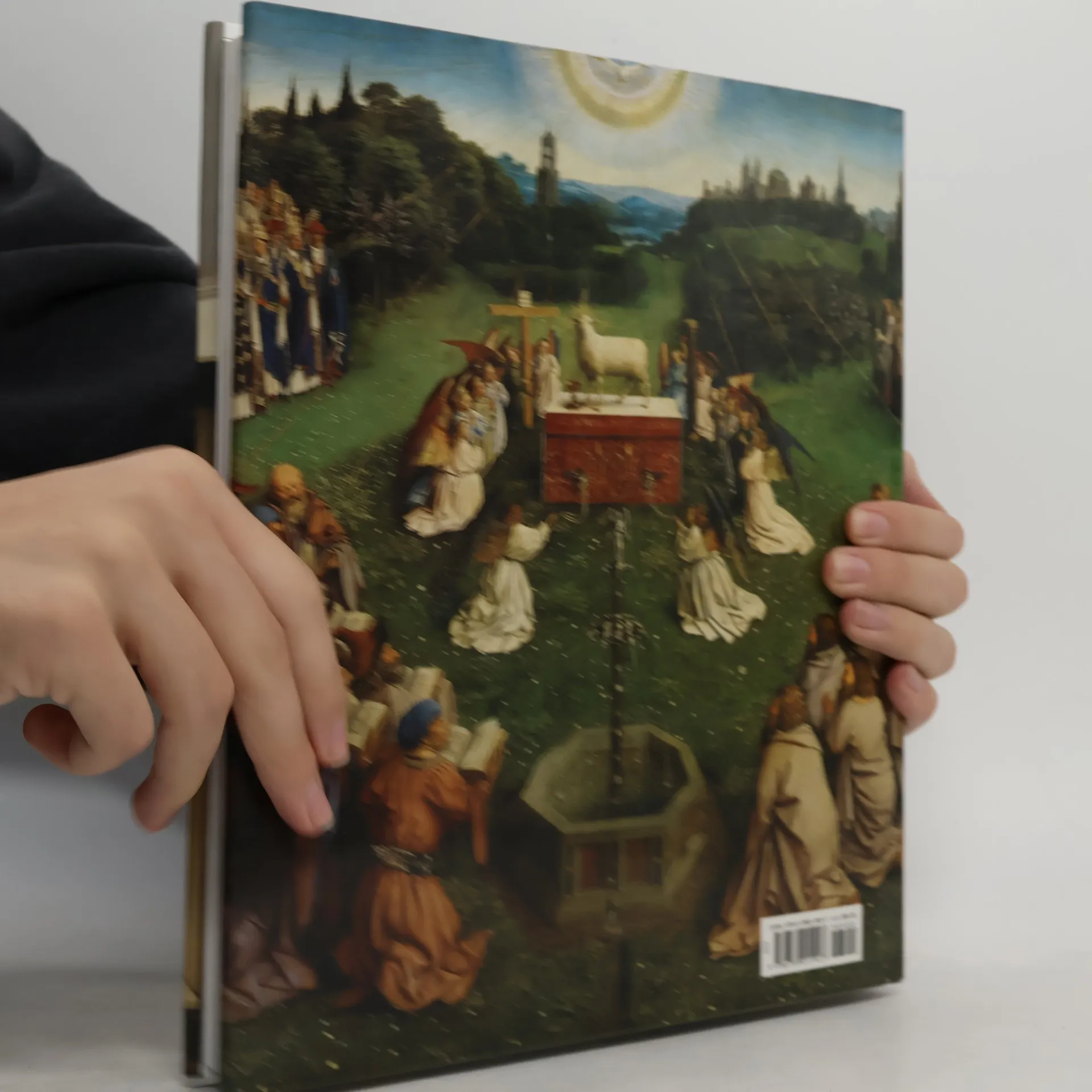
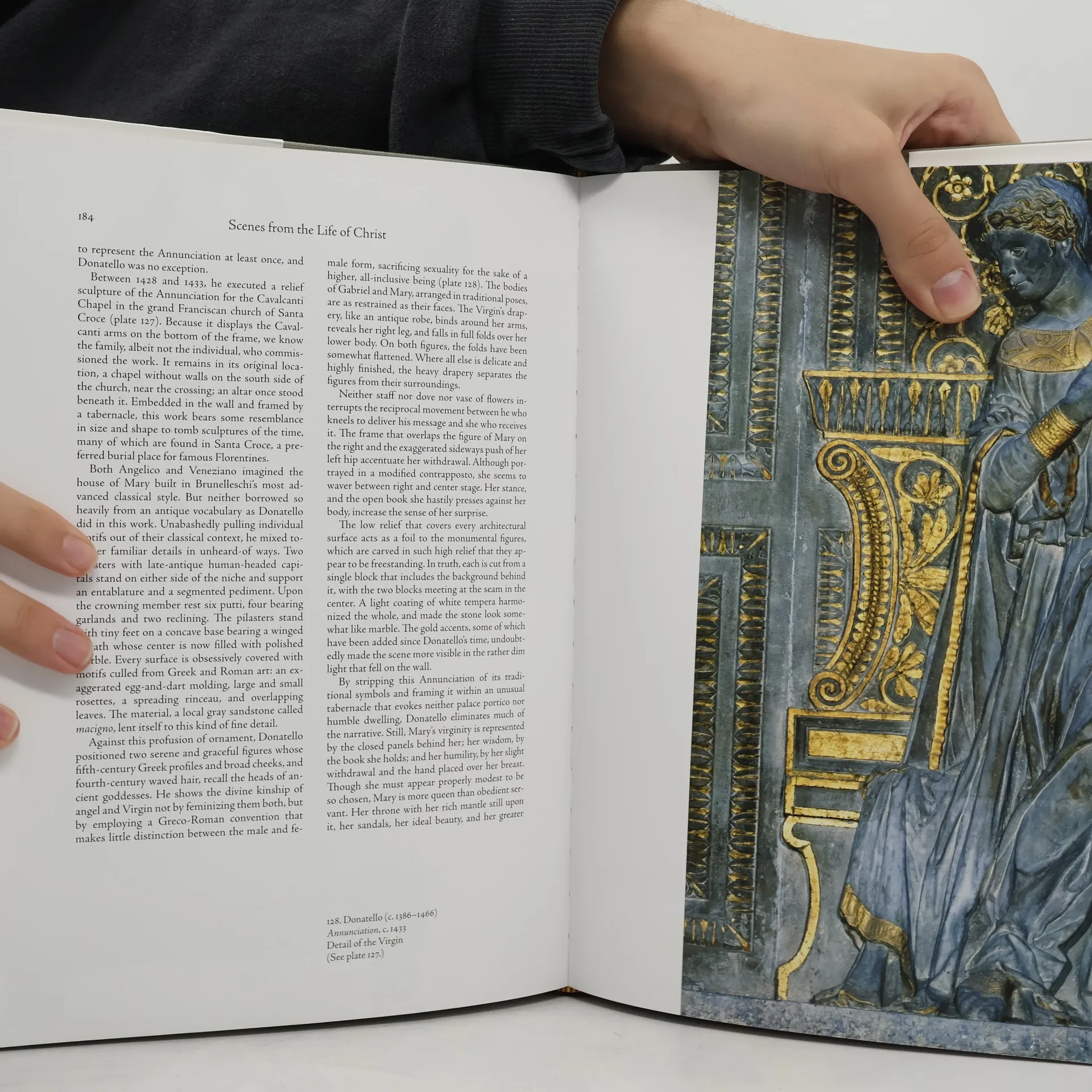
Adam and Eve are expelled from Eden, their shame and anguish palpable in a stark landscape. Nearby, a serious man kneels in prayer before the Virgin and Child, his furrowed brow contrasting with their serene perfection. In fifteenth-century Florence and Flanders, artists employed new techniques—perspective, anatomy, and nuanced light and shade—to infuse traditional religious themes with emotional depth. This artistic evolution emerged from a shared Christian culture, supported by patrons from both nobility and the burgeoning middle class. Shirley Neilsen Blum presents a synthesis of this pivotal period in Western art, bridging the Gothic's refinements and the High Renaissance's classicism, where the mystical became tangible. The first part of her work examines the rise of naturalism in the sculptures of Claus Sluter and Donatello, followed by the paintings of Van Eyck and Masaccio. The second part contrasts depictions of Christ's Infancy and Passion by Northern and Southern artists. By delving into the images and the theological ideas behind them, Blum reconstructs the experience of the fifteenth-century viewer. Richly illustrated with color plates of masterpieces by Fra Angelico, Botticelli, and Rogier van der Weyden, this insightful volume caters to both general readers and art history students.
Buchkauf
The New Art of the Fifteenth Century, Shirley Nielsen Blum
- Sprache

- Erscheinungsdatum
- 2015
- Einband
- (Hardcover)
Keiner hat bisher bewertet.
- Titel
- The New Art of the Fifteenth Century
- Untertitel
- Faith and Art in Florance and The Netherlands
- Sprache
- Englisch
- Autor*innen
- Shirley Nielsen Blum
- Verlag
- Abbeville Press
- Erscheinungsdatum
- 2015
- Einband
- Hardcover
- Seitenzahl
- 314
- ISBN10
- 0789211920
- ISBN13
- 9780789211927
- Reihe
- Schlagwörter
- Historisches Thema, Kunst, USA, Italien, Kunstgeschichte, Westeuropa, Renaissance, 15. Jahrhundert, Florenz, Christliche Kunst und Symbolik, Renaissancekunst
- Beschreibung
- Adam and Eve are expelled from Eden, their shame and anguish palpable in a stark landscape. Nearby, a serious man kneels in prayer before the Virgin and Child, his furrowed brow contrasting with their serene perfection. In fifteenth-century Florence and Flanders, artists employed new techniques—perspective, anatomy, and nuanced light and shade—to infuse traditional religious themes with emotional depth. This artistic evolution emerged from a shared Christian culture, supported by patrons from both nobility and the burgeoning middle class. Shirley Neilsen Blum presents a synthesis of this pivotal period in Western art, bridging the Gothic's refinements and the High Renaissance's classicism, where the mystical became tangible. The first part of her work examines the rise of naturalism in the sculptures of Claus Sluter and Donatello, followed by the paintings of Van Eyck and Masaccio. The second part contrasts depictions of Christ's Infancy and Passion by Northern and Southern artists. By delving into the images and the theological ideas behind them, Blum reconstructs the experience of the fifteenth-century viewer. Richly illustrated with color plates of masterpieces by Fra Angelico, Botticelli, and Rogier van der Weyden, this insightful volume caters to both general readers and art history students.