



Mehr zum Buch
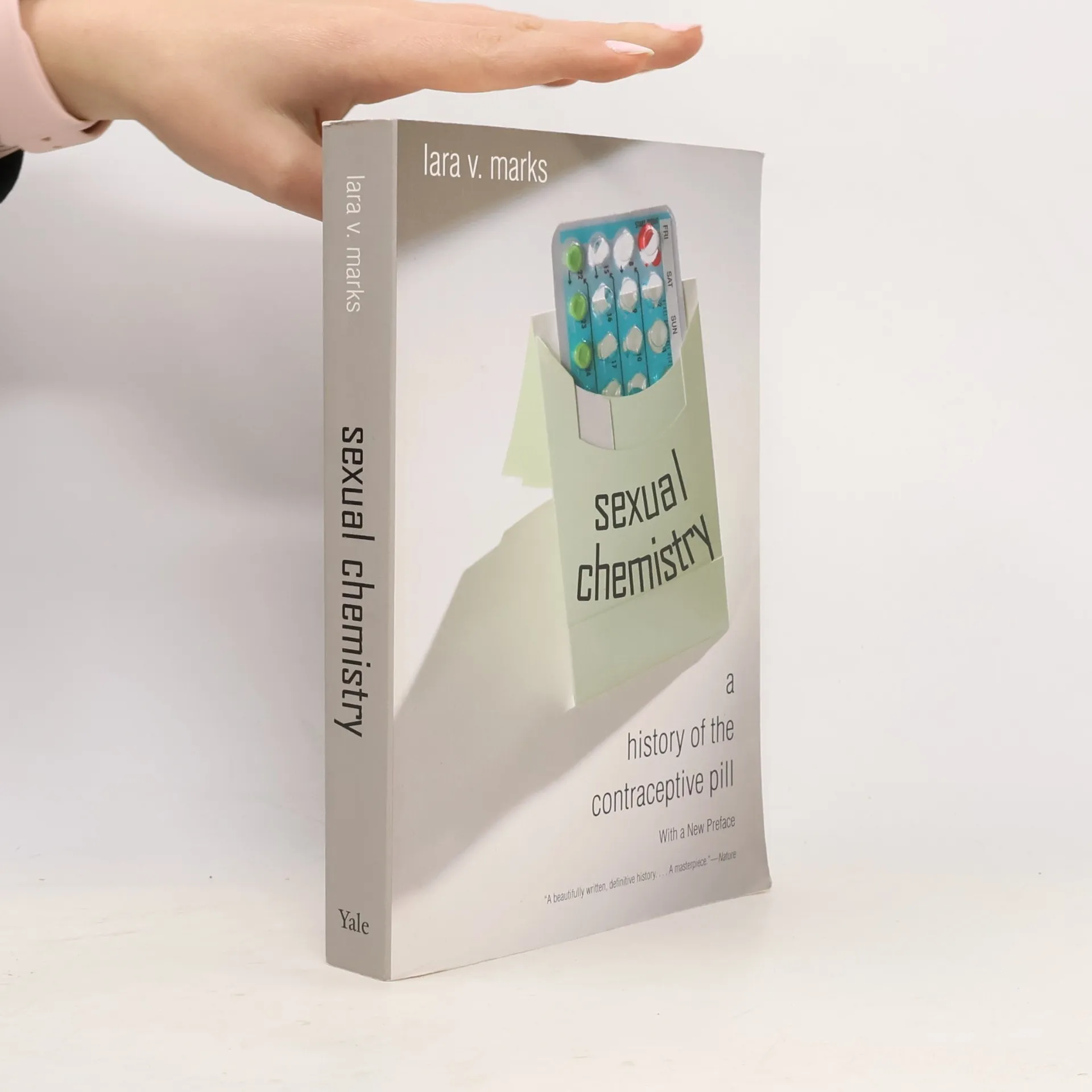
Heralded as the catalyst of the sexual revolution and the solution to global overpopulation, the contraceptive pill was one of the twentieth century’s most important inventions. It has not only transformed the lives of millions of women but has also pushed the limits of drug monitoring and regulation across the world. This deeply-researched new history of the oral contraceptive shows how its development and use have raised crucial questions about the relationship between science, medicine, technology, and society. Lara Marks traces the scientific origins of the pill to Europe and Mexico in the early years of the twentieth century, challenging previous accounts that championed it as a North American product. She explores the reasons why the pill took so long to be developed and explains why it did not prove to be the social panacea envisioned by its inventors. Unacceptable to the Catholic Church, rejected by countries such as India and Japan, too expensive for women in poor countries, it has, more recently, been linked to cardiovascular problems. Reviewing the positive effects of the pill, Marks shows how it has been transformed from a tool for the prevention of conception to a major weapon in the fight against cancer.
Buchkauf
Sexual Chemistry, Lara V. Marks
- Sprache

- Erscheinungsdatum
- 2010
- Einband
- (Paperback),
- Buchzustand
- Gebraucht - Gut
- Preis
- 2,39 €inkl. MwSt.
Keiner hat bisher bewertet.
- Titel
- Sexual Chemistry
- Untertitel
- A History of the Contraceptive Pill
- Sprache
- Englisch
- Autor*innen
- Lara V. Marks
- Verlag
- Yale University Press
- Erscheinungsdatum
- 2010
- Einband
- Paperback
- Seitenzahl
- 416
- ISBN10
- 0300167911
- ISBN13
- 9780300167917
- Reihe
- Schlagwörter
- Historisches Thema, Wissenschaft, Gesundheit, Medizin, Gender, Geschichte der Medizin, Verhütung
- Beschreibung
- Heralded as the catalyst of the sexual revolution and the solution to global overpopulation, the contraceptive pill was one of the twentieth century’s most important inventions. It has not only transformed the lives of millions of women but has also pushed the limits of drug monitoring and regulation across the world. This deeply-researched new history of the oral contraceptive shows how its development and use have raised crucial questions about the relationship between science, medicine, technology, and society. Lara Marks traces the scientific origins of the pill to Europe and Mexico in the early years of the twentieth century, challenging previous accounts that championed it as a North American product. She explores the reasons why the pill took so long to be developed and explains why it did not prove to be the social panacea envisioned by its inventors. Unacceptable to the Catholic Church, rejected by countries such as India and Japan, too expensive for women in poor countries, it has, more recently, been linked to cardiovascular problems. Reviewing the positive effects of the pill, Marks shows how it has been transformed from a tool for the prevention of conception to a major weapon in the fight against cancer.