

Mehr zum Buch
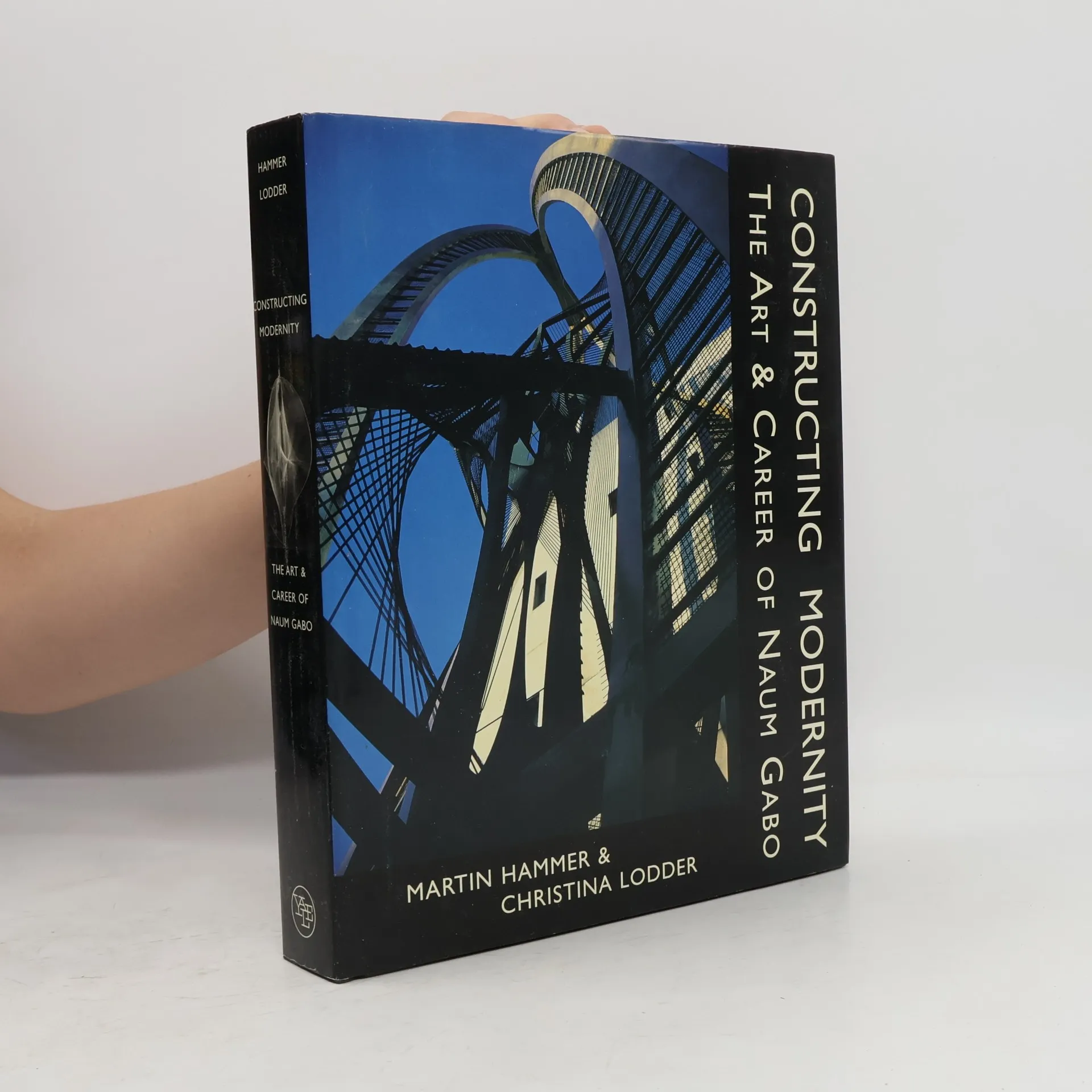
Gabo was one of the inventors of constructed sculpture which arose out of cubism to be one of the major means of sculpture in the twentieth century. Gabo's adoption of metal, glass, plexiglass, and plastic in stereometric constructions made space and light his real medium. Gabo's study of engineering, art and art history equipped him to consider the arts and sciences together. As Gabo refused to accept that art was subservient to politics, his time in revolutionary Russia was limited. But the conflict of art and ideology made him a perceptive and articulate theorist. He had increasing recognition in the West up to the late '60s. Since then much has been publicized on Russian artists who stayed after the Revolution (including Malevich, Tatlin, Lissitzky, Rodchenko, etc.) and Gabo has been shamefully neglected. He is due for reassessment.' Much of his sculpture resides in museum in the US.
Buchkauf
Constructing Modernity, Martin Hammer, Christina Lodder, Naum Gabo
- Sprache

- Erscheinungsdatum
- 2000
- Einband
- (Hardcover)
Keiner hat bisher bewertet.
- Titel
- Constructing Modernity
- Untertitel
- The Art and Career of Naum Gabo
- Sprache
- Englisch
- Autor*innen
- Martin Hammer, Christina Lodder, Naum Gabo
- Verlag
- Yale University Press
- Erscheinungsdatum
- 2000
- Einband
- Hardcover
- Seitenzahl
- 528
- ISBN10
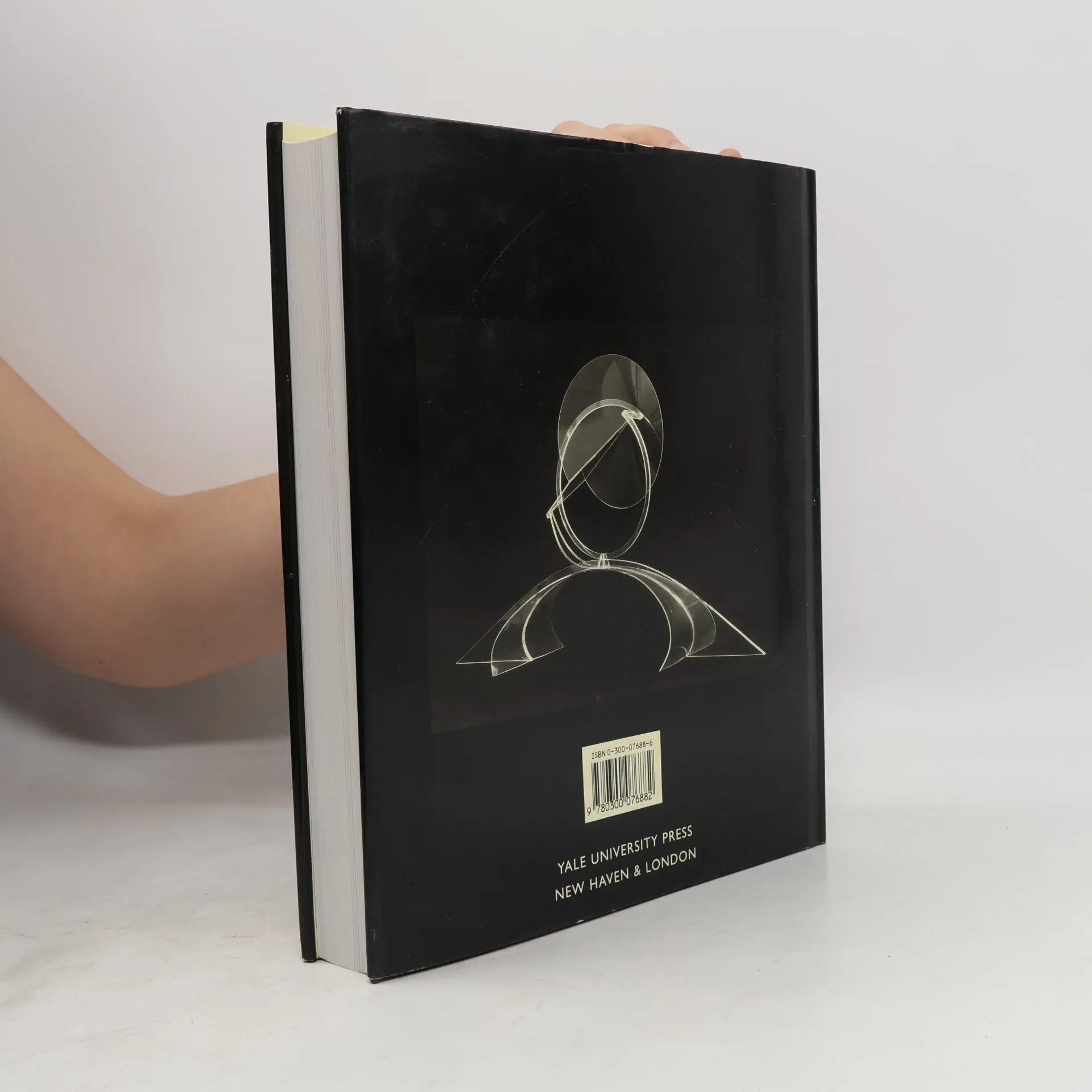
- 0300076886
- ISBN13
- 9780300076882
- Reihe
- Kategorien
- Schlagwörter
- Kunst, 20. Jahrhundert, Sowjetunion, Bildhauerkunst
- Beschreibung
- Gabo was one of the inventors of constructed sculpture which arose out of cubism to be one of the major means of sculpture in the twentieth century. Gabo's adoption of metal, glass, plexiglass, and plastic in stereometric constructions made space and light his real medium. Gabo's study of engineering, art and art history equipped him to consider the arts and sciences together. As Gabo refused to accept that art was subservient to politics, his time in revolutionary Russia was limited. But the conflict of art and ideology made him a perceptive and articulate theorist. He had increasing recognition in the West up to the late '60s. Since then much has been publicized on Russian artists who stayed after the Revolution (including Malevich, Tatlin, Lissitzky, Rodchenko, etc.) and Gabo has been shamefully neglected. He is due for reassessment.' Much of his sculpture resides in museum in the US.