

Tulsa's Historic Greenwood District
Autor*innen
Mehr zum Buch
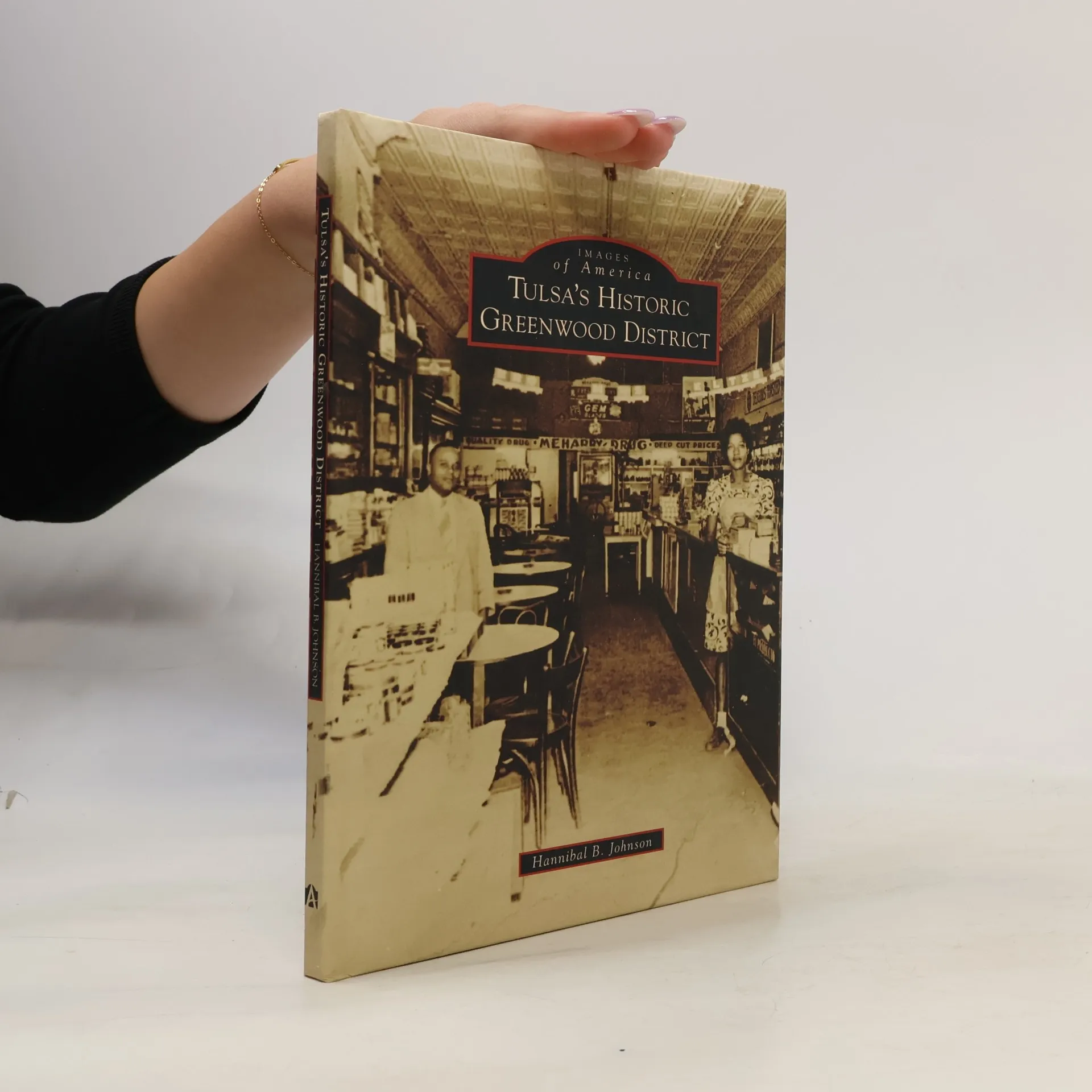
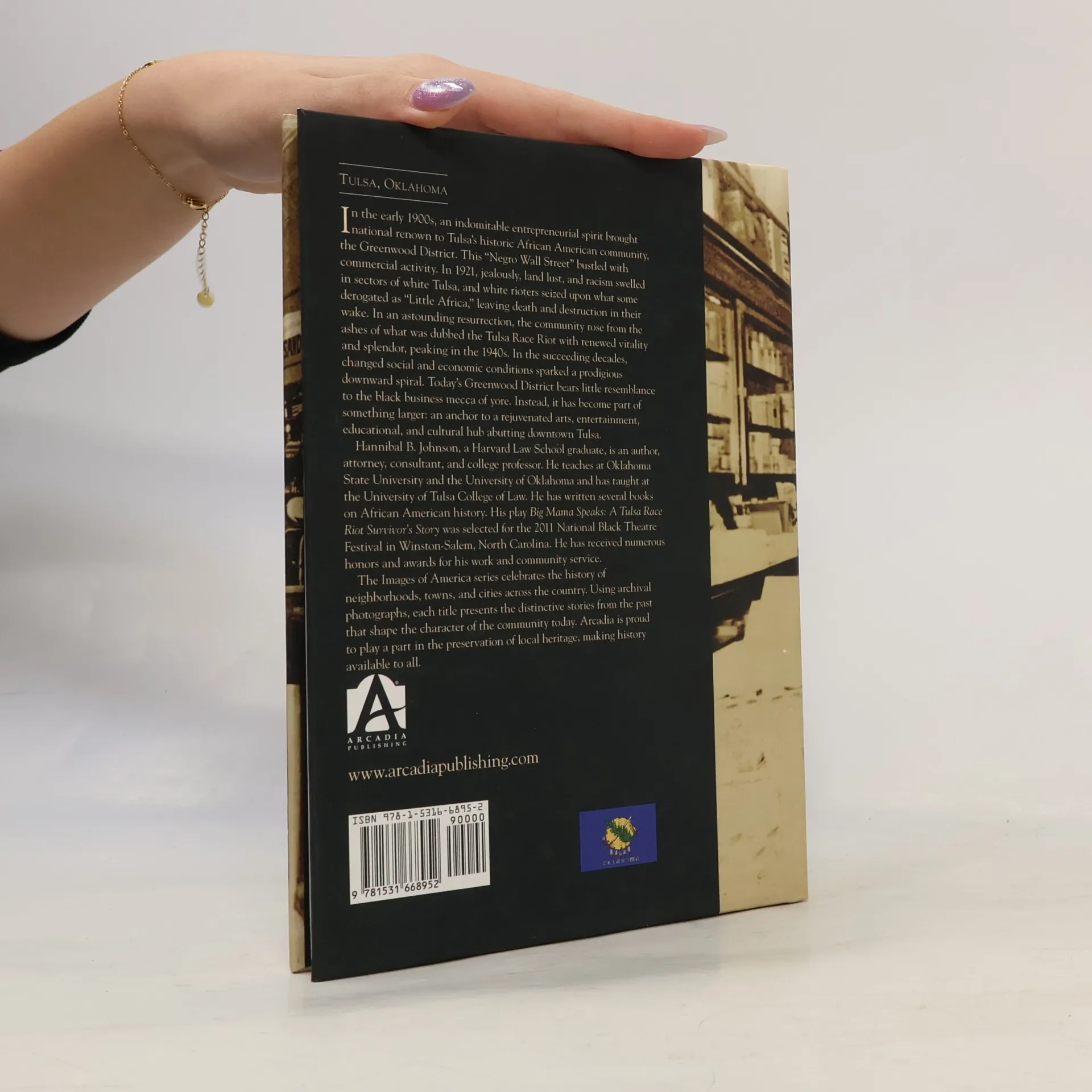
In the early 1900s, an indomitable entrepreneurial spirit brought national renown to Tulsa's historic African American community, the Greenwood District. This "Negro Wall Street" bustled with commercial activity. In 1921, jealously, land lust, and racism swelled in sectors of white Tulsa, and white rioters seized upon what some derogated as "Little Africa," leaving death and destruction in their wake. In an astounding resurrection, the community rose from the ashes of what was dubbed the Tulsa Race Riot with renewed vitality and splendor, peaking in the 1940s. In the succeeding decades, changed social and economic conditions sparked a prodigious downward spiral. Today's Greenwood District bears little resemblance to the black business mecca of yore. Instead, it has become part of something larger: an anchor to a rejuvenated arts, entertainment, educational, and cultural hub abutting downtown Tulsa.
Buchkauf
Tulsa's Historic Greenwood District, Hannibal B. Johnson
- Sprache

- Erscheinungsdatum
- 2014
- Einband
- (Hardcover),
- Buchzustand
- Gebraucht - Sehr gut
- Preis
- 6,09 €inkl. MwSt.
Keiner hat bisher bewertet.
- Titel
- Tulsa's Historic Greenwood District
- Sprache
- Englisch
- Autor*innen
- Hannibal B. Johnson
- Erscheinungsdatum
- 2014
- Einband
- Hardcover
- Seitenzahl
- 130
- ISBN10
- 153166895X
- ISBN13
- 9781531668952
- Reihe
- Schlagwörter
- Historisches Thema, Kunst, USA, Lokale Geschichte, Rassismus, Unterhaltsam, Oklahoma
- Beschreibung
- In the early 1900s, an indomitable entrepreneurial spirit brought national renown to Tulsa's historic African American community, the Greenwood District. This "Negro Wall Street" bustled with commercial activity. In 1921, jealously, land lust, and racism swelled in sectors of white Tulsa, and white rioters seized upon what some derogated as "Little Africa," leaving death and destruction in their wake. In an astounding resurrection, the community rose from the ashes of what was dubbed the Tulsa Race Riot with renewed vitality and splendor, peaking in the 1940s. In the succeeding decades, changed social and economic conditions sparked a prodigious downward spiral. Today's Greenwood District bears little resemblance to the black business mecca of yore. Instead, it has become part of something larger: an anchor to a rejuvenated arts, entertainment, educational, and cultural hub abutting downtown Tulsa.