

Parameter
Mehr zum Buch
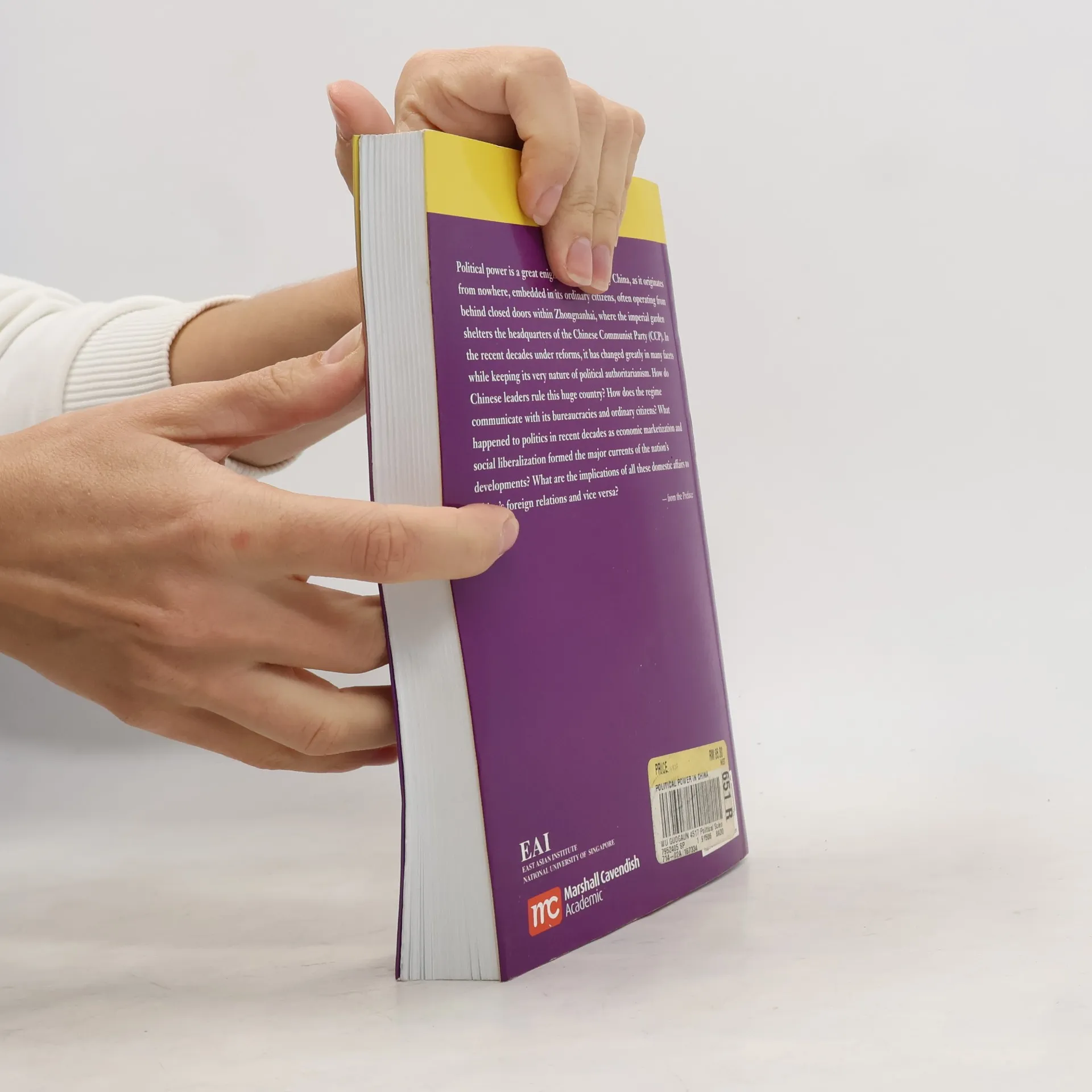
Political power is a great enigma, as it originates from nowhere, embedded in its ordinary citizens, often operating from behind closed doors within Zhongnanhai, where the imperial garden shelters the headquarters of the Chinese Communist Party (CCP). In the recent decades under reforms, it has changed greatly in many facets while keeping its very nature of political authoritarianism. How do Chinese leaders rule this huge country? How does the regime communicate with its bureaucracies and ordinary citizens? What happened to politics in recent decades as economic marketization and social liberalization formed the major currents of the nation's developments? What are the implications of all these domestic affairs to foreign relations and vice versa? - from the Preface
Buchkauf
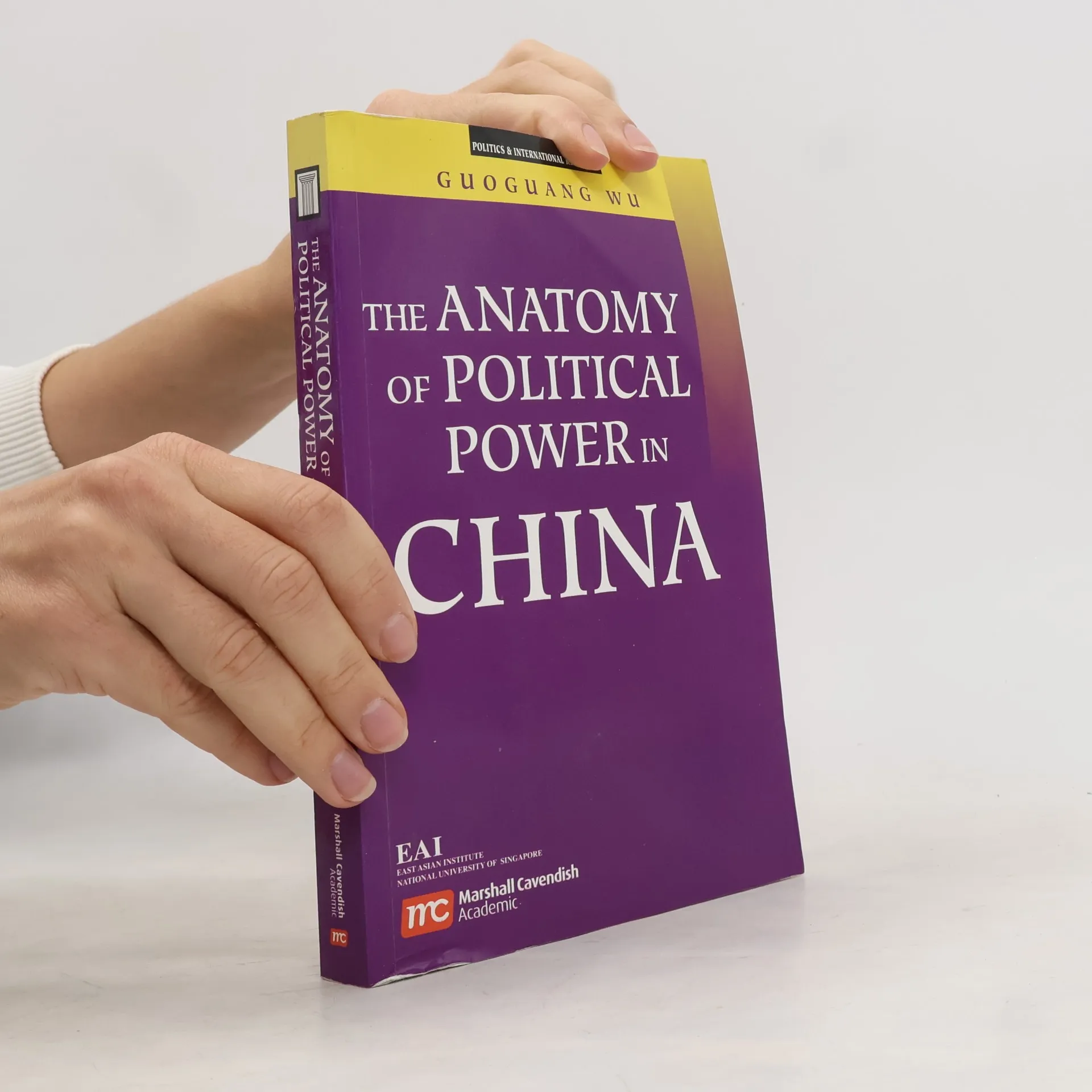
The Anatomy of Political Power in China, Guoguang Wu
- Sprache

- Erscheinungsdatum
- 2005
- Einband
- (Paperback),
- Buchzustand
- Gebraucht - Gut
- Preis
- 40,49 €inkl. MwSt.
Keiner hat bisher bewertet.
- Titel
- The Anatomy of Political Power in China
- Sprache
- Englisch
- Autor*innen
- Guoguang Wu
- Erscheinungsdatum
- 2005
- Einband
- Paperback
- ISBN10
- 9812102515
- ISBN13
- 9789812102515
- Reihe
- Schlagwörter
- Beschreibung
- Political power is a great enigma, as it originates from nowhere, embedded in its ordinary citizens, often operating from behind closed doors within Zhongnanhai, where the imperial garden shelters the headquarters of the Chinese Communist Party (CCP). In the recent decades under reforms, it has changed greatly in many facets while keeping its very nature of political authoritarianism. How do Chinese leaders rule this huge country? How does the regime communicate with its bureaucracies and ordinary citizens? What happened to politics in recent decades as economic marketization and social liberalization formed the major currents of the nation's developments? What are the implications of all these domestic affairs to foreign relations and vice versa? - from the Preface