


Mehr zum Buch
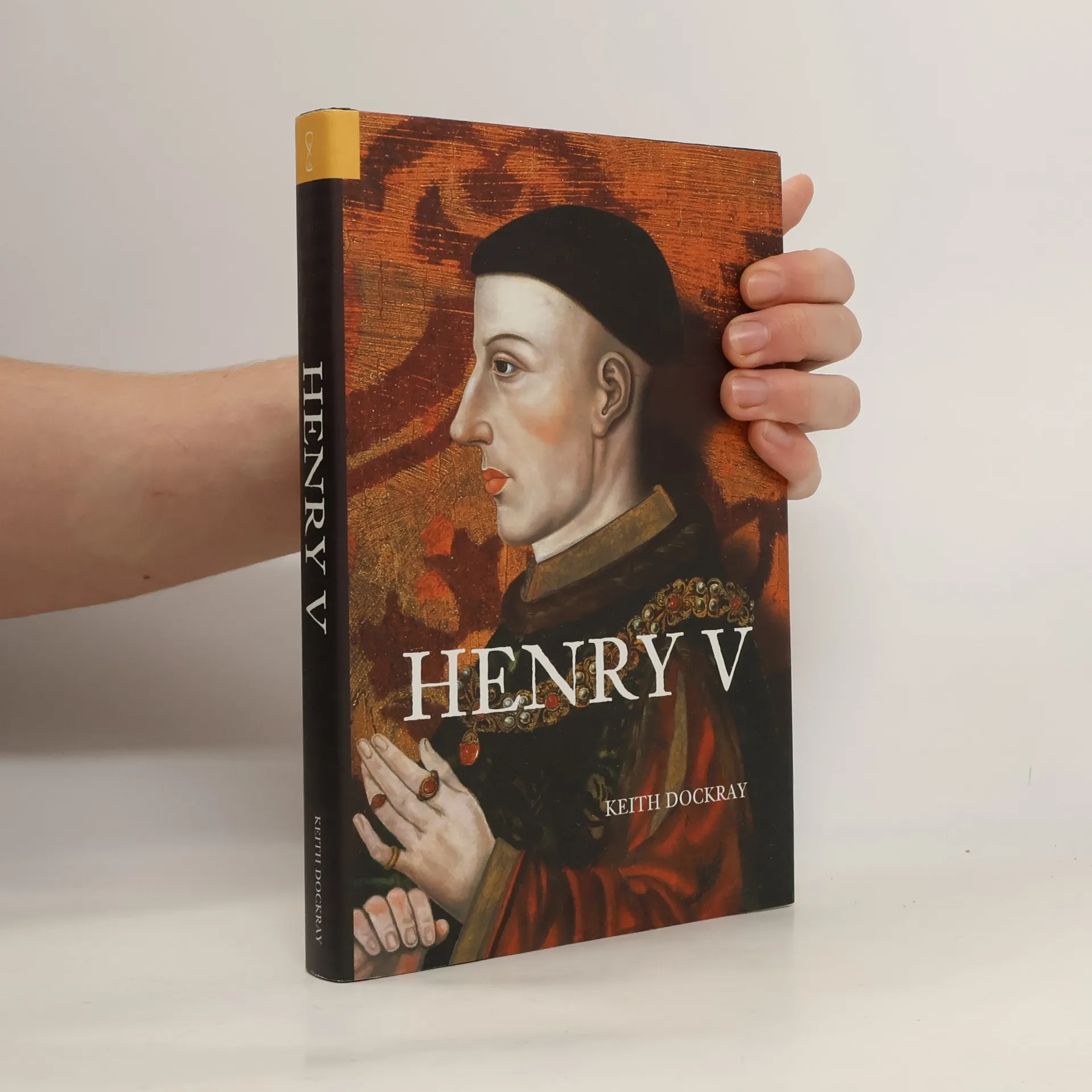
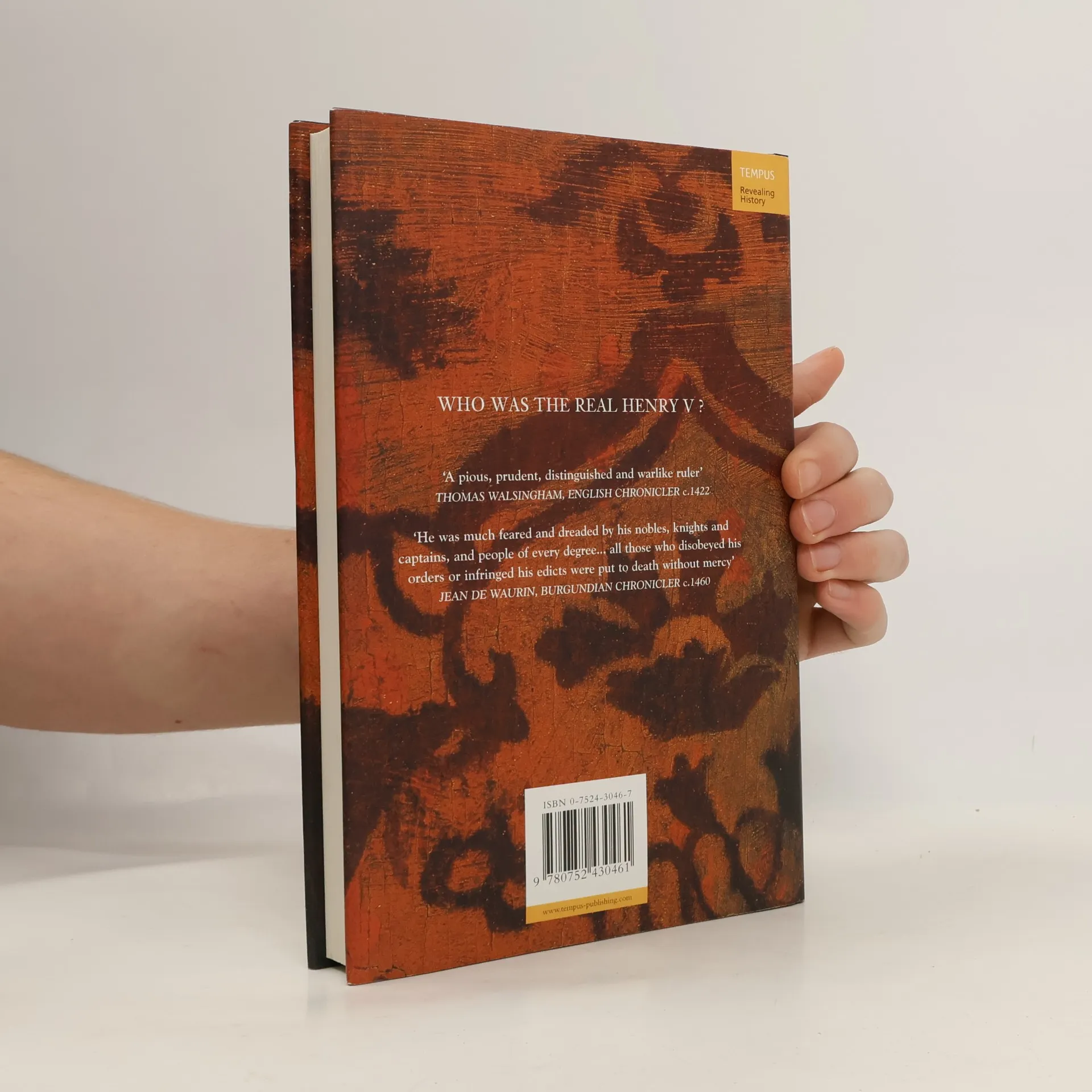
The wild and headstrong prince of Shakespeare’s Henry IV blossoms in Henry V into a veritable hero-king: an epic embodiment of military valour, concerned for the welfare of his subjects, and above all, an archetypal man of action. Such a portrayal reflected not only Shakespeare’s Tudor sources but contemporary estimates of King Henry V. To his earliest biographer, a royal chaplain and well-informed insider, he was a model Christian prince, clearly carrying out God’s wishes both at home and abroad; the chronicler Thomas Walsingham, writing in 1422, judged him a pious, prudent, and warlike ruler; and, to the humanist Tito Livio in 1437, he was an energetic, just, and shrewd military commander who, at Agincourt, fought “like an unvanquished lion.” Modern historians have perpetuated the flattery of chroniclers, but should they? Was the real Henry V a national hero, a jingoistic bigot, or neither?
Buchkauf
Revealing History: Henry V, Keith Dockray
- Sprache

- Erscheinungsdatum
- 2004
- Einband
- (Hardcover),
- Buchzustand
- Gebraucht - Sehr gut
- Preis
- 6,59 €inkl. MwSt.
Keiner hat bisher bewertet.
- Titel
- Revealing History: Henry V
- Sprache
- Englisch
- Autor*innen
- Keith Dockray
- Verlag
- Tempus Publishing Ltd
- Erscheinungsdatum
- 2004
- Einband
- Hardcover
- Seitenzahl
- 256
- ISBN10
- 0752430467
- ISBN13
- 9780752430461
- Reihe
- Schlagwörter
- Historisches Thema, Europa, England, Mittelalter
- Beschreibung
- The wild and headstrong prince of Shakespeare’s Henry IV blossoms in Henry V into a veritable hero-king: an epic embodiment of military valour, concerned for the welfare of his subjects, and above all, an archetypal man of action. Such a portrayal reflected not only Shakespeare’s Tudor sources but contemporary estimates of King Henry V. To his earliest biographer, a royal chaplain and well-informed insider, he was a model Christian prince, clearly carrying out God’s wishes both at home and abroad; the chronicler Thomas Walsingham, writing in 1422, judged him a pious, prudent, and warlike ruler; and, to the humanist Tito Livio in 1437, he was an energetic, just, and shrewd military commander who, at Agincourt, fought “like an unvanquished lion.” Modern historians have perpetuated the flattery of chroniclers, but should they? Was the real Henry V a national hero, a jingoistic bigot, or neither?