

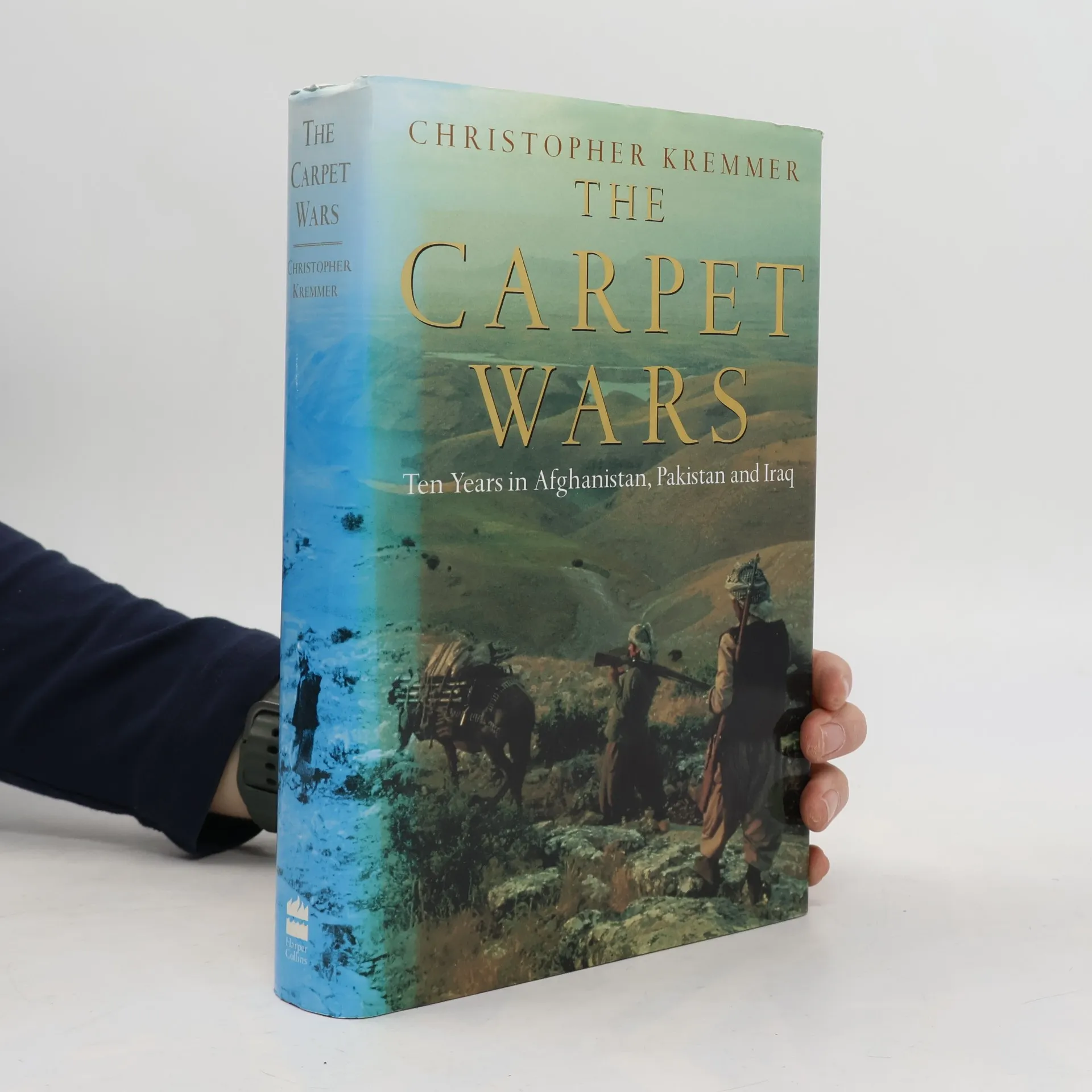
The Carpet Wars
Ten Years in Afghanistan, Pakistan and Iraq
Autor*innen
Mehr zum Buch
In Afghanistan, Pakistan, Kashmir, Iran, Iraq, and the Central Asian republics, carpets are revered as symbols of artistic achievement and significant exports, second only to oil. Author Christopher Kremmer notes that early Muslims lived in cultures where carpets were integral to daily life, serving as currency and a vital part of global trade. Even amidst conflict, bazaars emerge, and carpet merchants resume their business as if unscathed by turmoil. Kremmer's detailed exploration of the culture and recent history of these regions uses the carpet trade as both a backdrop and metaphor for the complex politics characterized by trickery and manipulation. Drawing on ten years of journalistic experience in the area, he illustrates how fragile tribal and religious alliances, along with foreign influences, have shaped local politics and economies, creating a cycle of exile and return, and contributing to the rise of militarism and terrorism. Additionally, the book offers engaging travel writing, filled with anecdotes and conversations that reveal the customs of a region currently under international scrutiny.
Buchkauf
The Carpet Wars, Christopher Kremmer
- Sprache

- Erscheinungsdatum
- 2002
- Einband
- (Hardcover),
- Buchzustand
- Gebraucht - Gut
- Preis
- 8,19 €inkl. MwSt.
Keiner hat bisher bewertet.
- Titel
- The Carpet Wars
- Untertitel
- Ten Years in Afghanistan, Pakistan and Iraq
- Sprache
- Englisch
- Autor*innen
- Christopher Kremmer
- Verlag
- HarperCollins Publishers
- Erscheinungsdatum
- 2002
- Einband
- Hardcover
- Seitenzahl
- 448
- ISBN10
- 0007142390
- ISBN13
- 9780007142392
- Reihe
- Schlagwörter
- Reisen, Lokale Geschichte, Asien, Indien, Iran, Afghanistan, Naher und Mittlerer Osten, Pakistan, Seidenstraße
- Beschreibung
- In Afghanistan, Pakistan, Kashmir, Iran, Iraq, and the Central Asian republics, carpets are revered as symbols of artistic achievement and significant exports, second only to oil. Author Christopher Kremmer notes that early Muslims lived in cultures where carpets were integral to daily life, serving as currency and a vital part of global trade. Even amidst conflict, bazaars emerge, and carpet merchants resume their business as if unscathed by turmoil. Kremmer's detailed exploration of the culture and recent history of these regions uses the carpet trade as both a backdrop and metaphor for the complex politics characterized by trickery and manipulation. Drawing on ten years of journalistic experience in the area, he illustrates how fragile tribal and religious alliances, along with foreign influences, have shaped local politics and economies, creating a cycle of exile and return, and contributing to the rise of militarism and terrorism. Additionally, the book offers engaging travel writing, filled with anecdotes and conversations that reveal the customs of a region currently under international scrutiny.