

Parameter
- 282 Seiten
- 10 Lesestunden
Mehr zum Buch
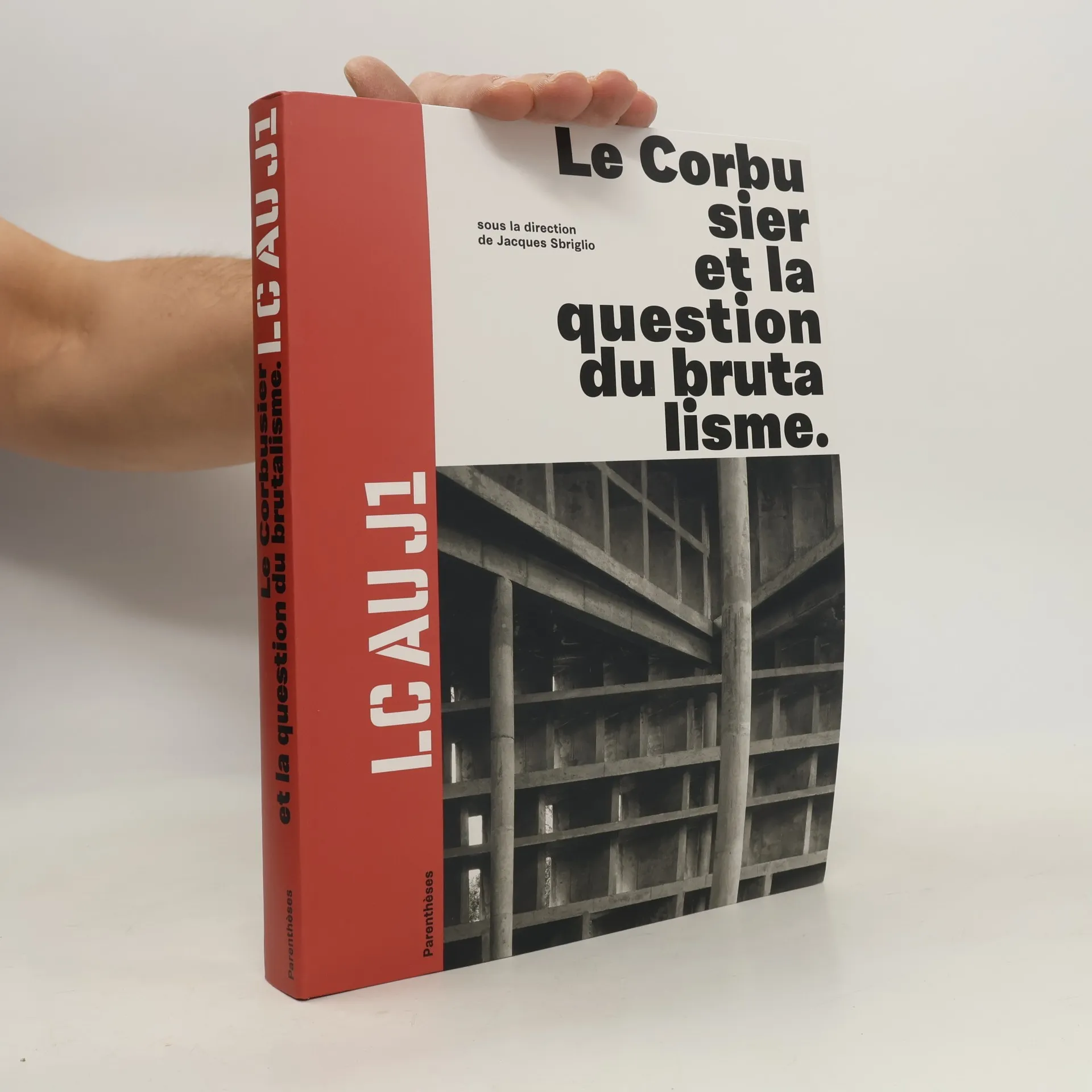
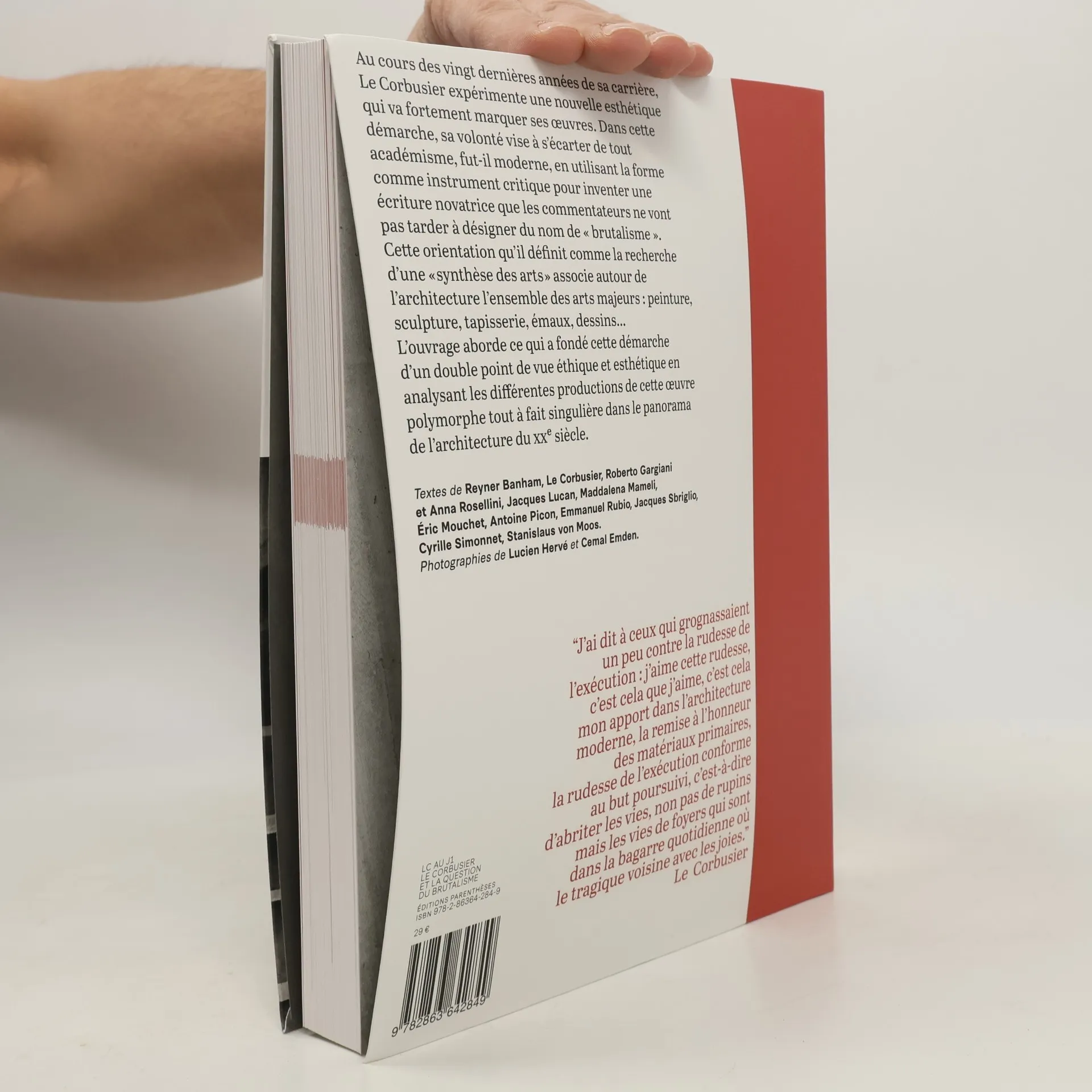
In the last twenty years of his working life, Le Corbusier experimented with new aesthetics that left a strong imprint on everything he produced. In pursuing his goal, he strenuously avoided all academism, even that of the Modern movement, using form as a critical vehicle to invent an innovative vocabulary that commentators soon came to designate by the term brutalism . This new direction, which he defined as an attempt to achieve a synthesis of the arts , saw architecture as the federator of all the major visual painting, sculpture, tapestry, enamelware, drawing... This book adopts two viewpoints that of ethics and of aesthetics to analyse the different products of this many-sided and singular outpouring within the panorama of 20th century architecture.
Buchkauf
LCAU - J1: Le Corbusier et la question du brutalisme, Jacques Sbriglio
- Sprache

- Erscheinungsdatum
- 2013
- Einband
- (Paperback),
- Buchzustand
- Gebraucht - Gut
- Preis
- 22,99 €inkl. MwSt.
Keiner hat bisher bewertet.
- Titel
- LCAU - J1: Le Corbusier et la question du brutalisme
- Sprache
- Französisch
- Autor*innen
- Jacques Sbriglio
- Verlag
- Parenthèses
- Erscheinungsdatum
- 2013
- Einband
- Paperback
- Seitenzahl
- 282
- ISBN10
- 2863642847
- ISBN13
- 9782863642849
- Reihe
- Schlagwörter
- Beschreibung
- In the last twenty years of his working life, Le Corbusier experimented with new aesthetics that left a strong imprint on everything he produced. In pursuing his goal, he strenuously avoided all academism, even that of the Modern movement, using form as a critical vehicle to invent an innovative vocabulary that commentators soon came to designate by the term brutalism . This new direction, which he defined as an attempt to achieve a synthesis of the arts , saw architecture as the federator of all the major visual painting, sculpture, tapestry, enamelware, drawing... This book adopts two viewpoints that of ethics and of aesthetics to analyse the different products of this many-sided and singular outpouring within the panorama of 20th century architecture.