

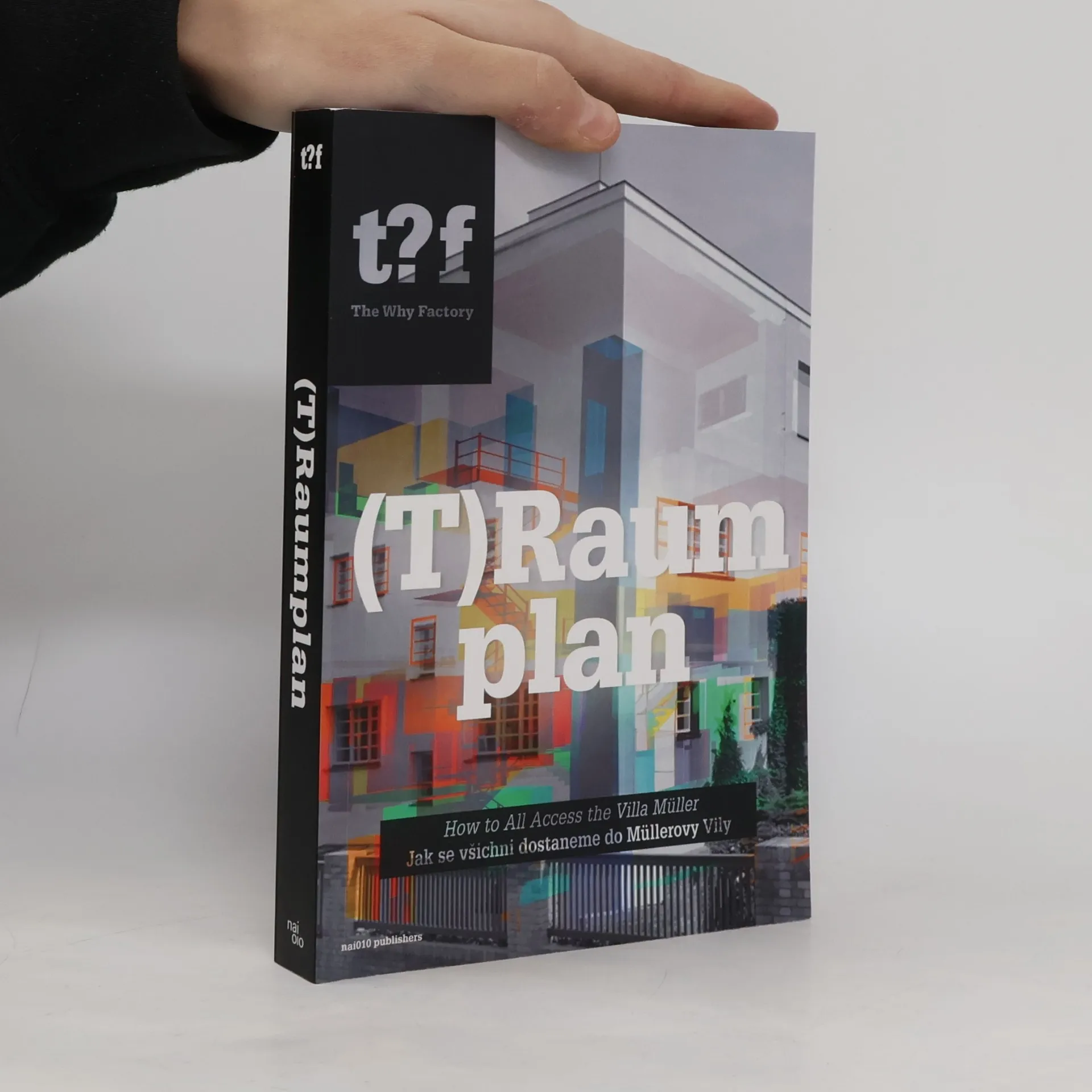
(T)Raumplan
How To All Access The Villa Müller / Jak se všichni dostaneme do Müllerovy Vily
Autor*innen
Parameter
Mehr zum Buch
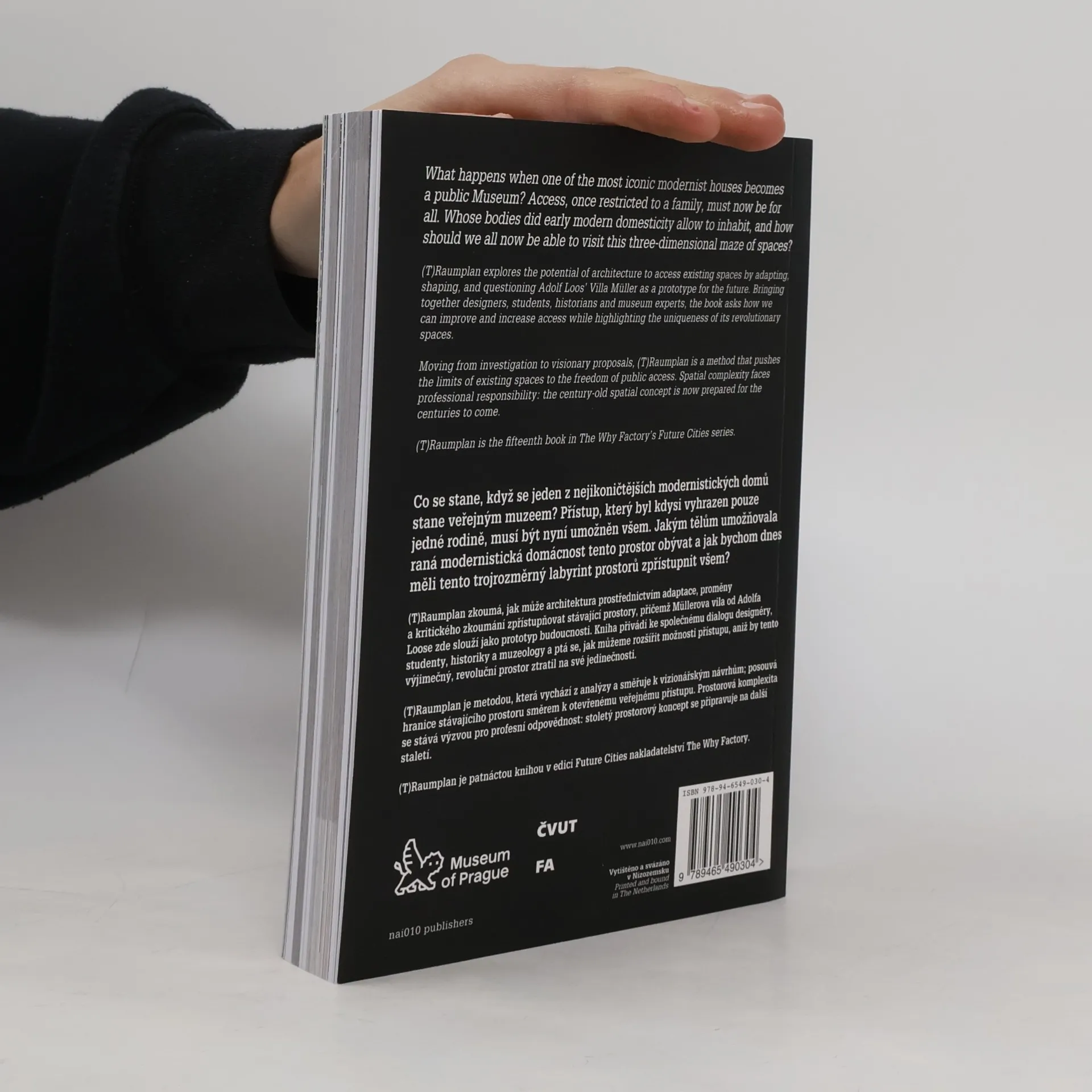
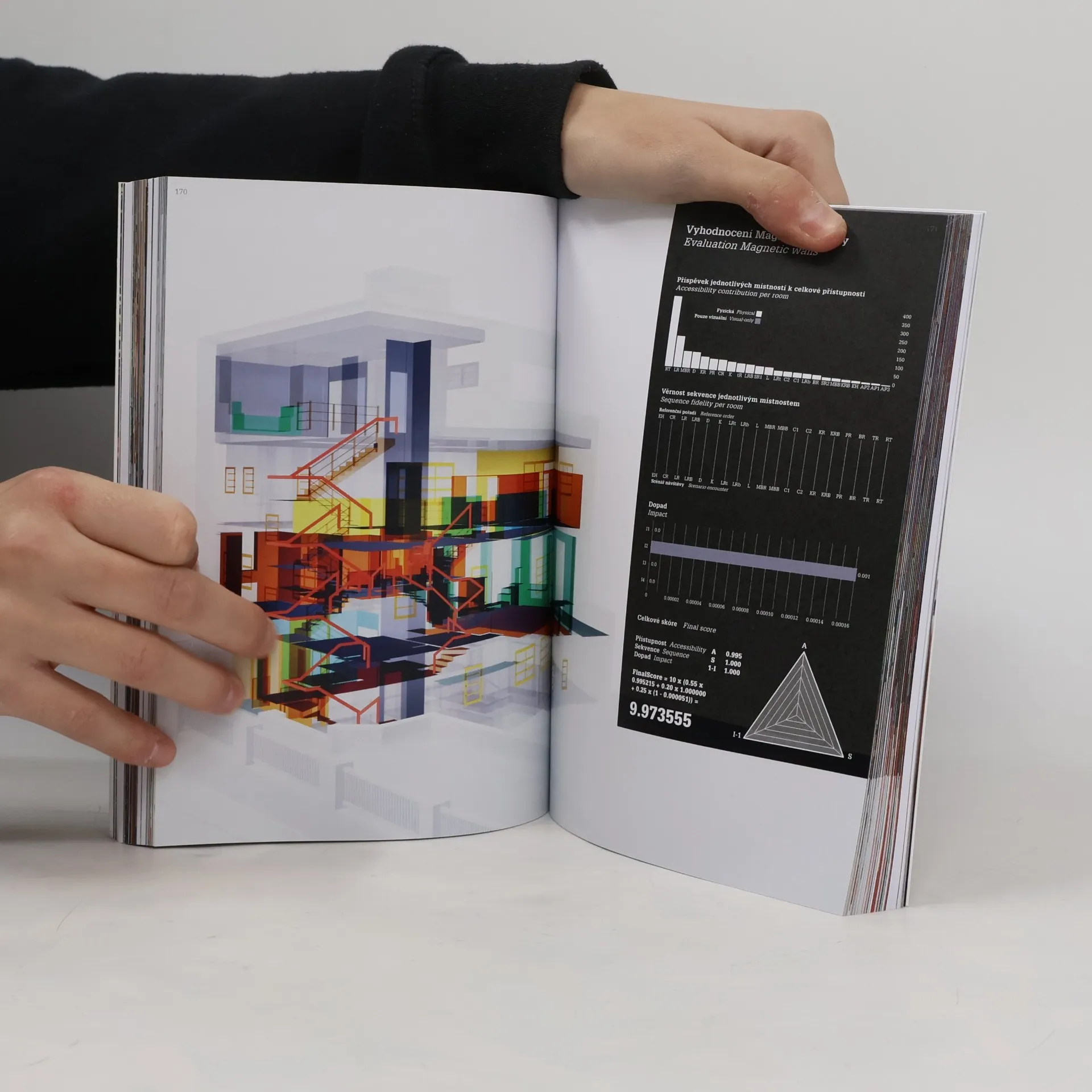
What happens when an iconic modernist house transitions to a public museum? Access, once limited to a family, must now be inclusive. This raises questions about who was allowed in early modern domesticity and how we can now navigate this three-dimensional maze of spaces. (T)Raumplan examines architecture's potential to adapt and redefine existing spaces, using Adolf Loos' Villa Müller as a prototype for the future. The book unites designers, students, historians, and museum experts to explore ways to enhance access while preserving the uniqueness of its revolutionary design. It moves from investigation to visionary proposals, advocating for a method that expands public access to complex spaces. The challenge of spatial complexity intersects with professional responsibility, as this century-old spatial concept is readied for future generations. (T)Raumplan is the fifteenth installment in The Why Factory's Future Cities series, emphasizing the need for innovative approaches to architectural accessibility in a changing world.
Buchkauf
(T)Raumplan, Winy Maas, Stavros Gargaretas, Thiago Maso
- Sprache


- Erscheinungsdatum
- Einband
- (Paperback),
- Buchzustand
- Gebraucht - Sehr gut
- Preis
- 31,39 €inkl. MwSt.
Keiner hat bisher bewertet.
- Titel
- (T)Raumplan
- Untertitel
- How To All Access The Villa Müller / Jak se všichni dostaneme do Müllerovy Vily
- Sprache
- Englisch, Polnisch
- Autor*innen
- Winy Maas, Stavros Gargaretas, Thiago Maso
- Verlag
- Nai010 Publishers
- Einband
- Paperback
- ISBN10
- 946549030X
- ISBN13
- 9789465490304
- Reihe
- Schlagwörter
- Beschreibung
- What happens when an iconic modernist house transitions to a public museum? Access, once limited to a family, must now be inclusive. This raises questions about who was allowed in early modern domesticity and how we can now navigate this three-dimensional maze of spaces. (T)Raumplan examines architecture's potential to adapt and redefine existing spaces, using Adolf Loos' Villa Müller as a prototype for the future. The book unites designers, students, historians, and museum experts to explore ways to enhance access while preserving the uniqueness of its revolutionary design. It moves from investigation to visionary proposals, advocating for a method that expands public access to complex spaces. The challenge of spatial complexity intersects with professional responsibility, as this century-old spatial concept is readied for future generations. (T)Raumplan is the fifteenth installment in The Why Factory's Future Cities series, emphasizing the need for innovative approaches to architectural accessibility in a changing world.