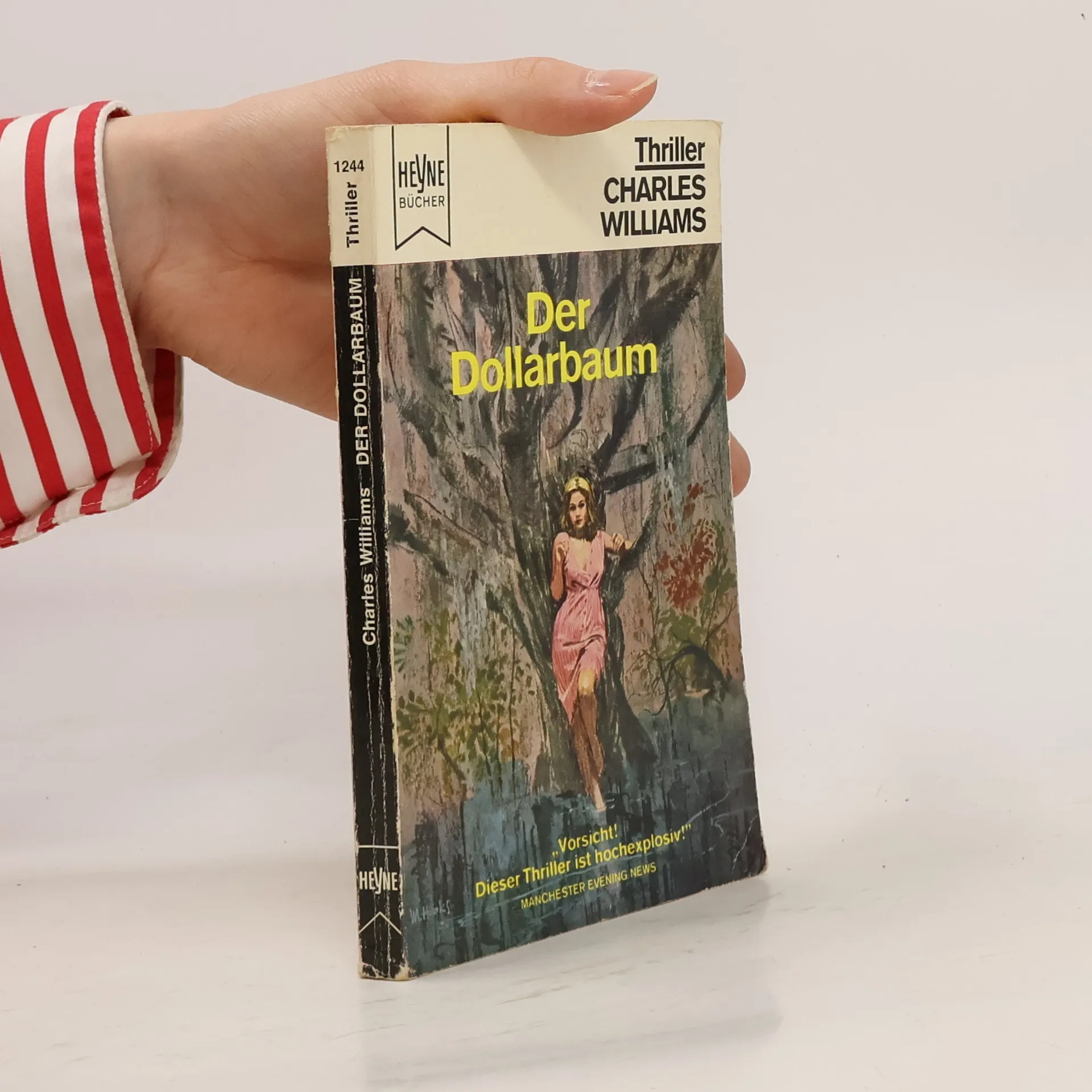
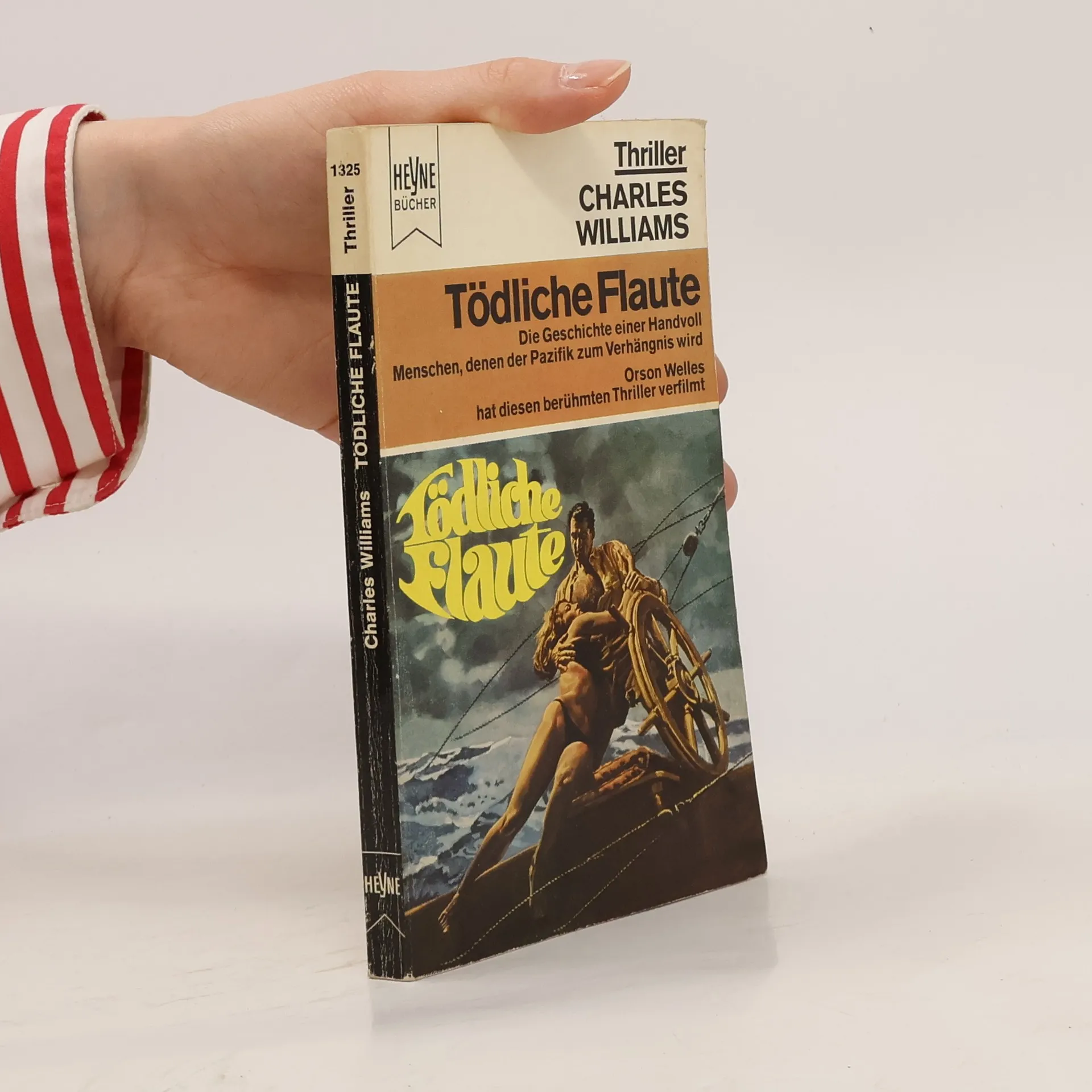
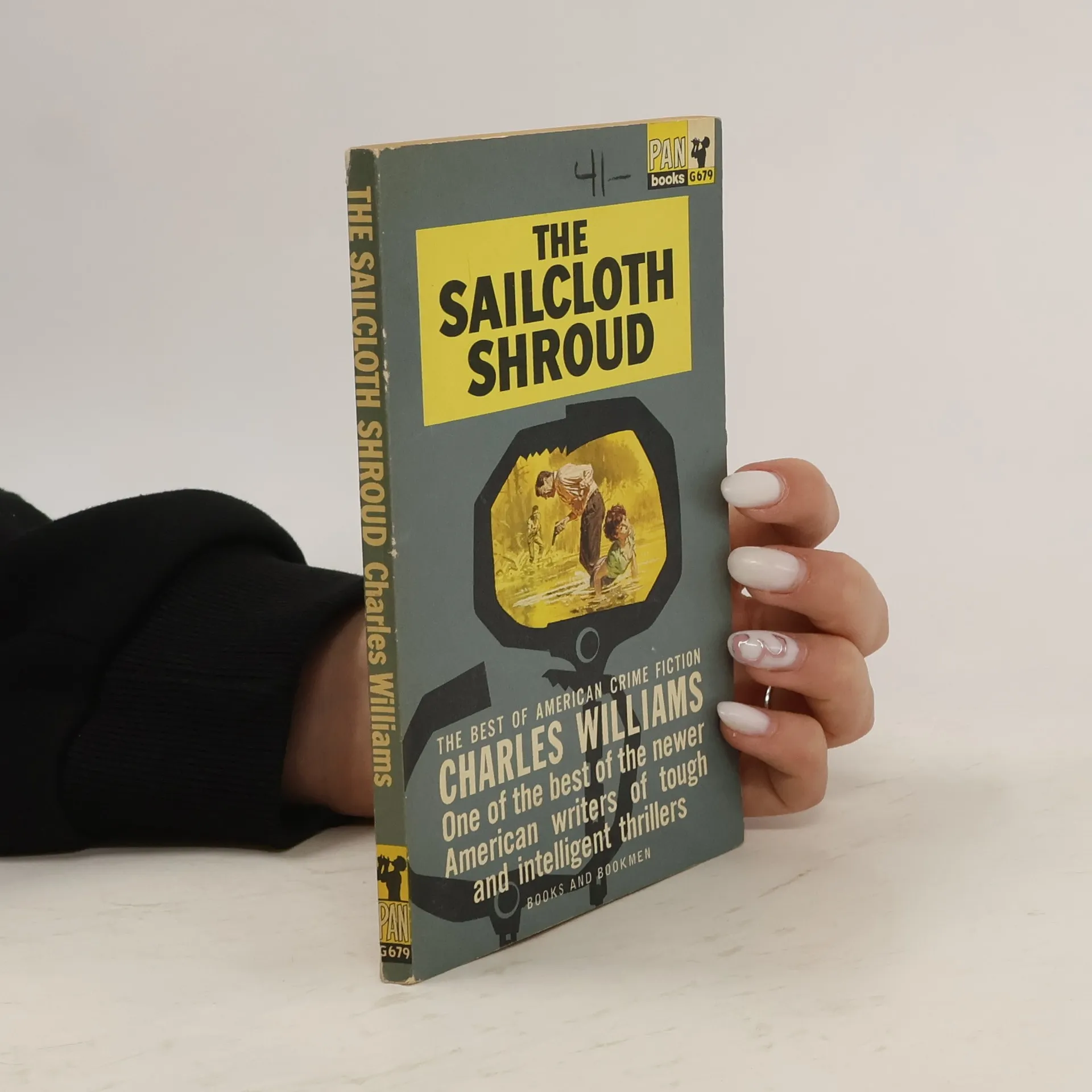
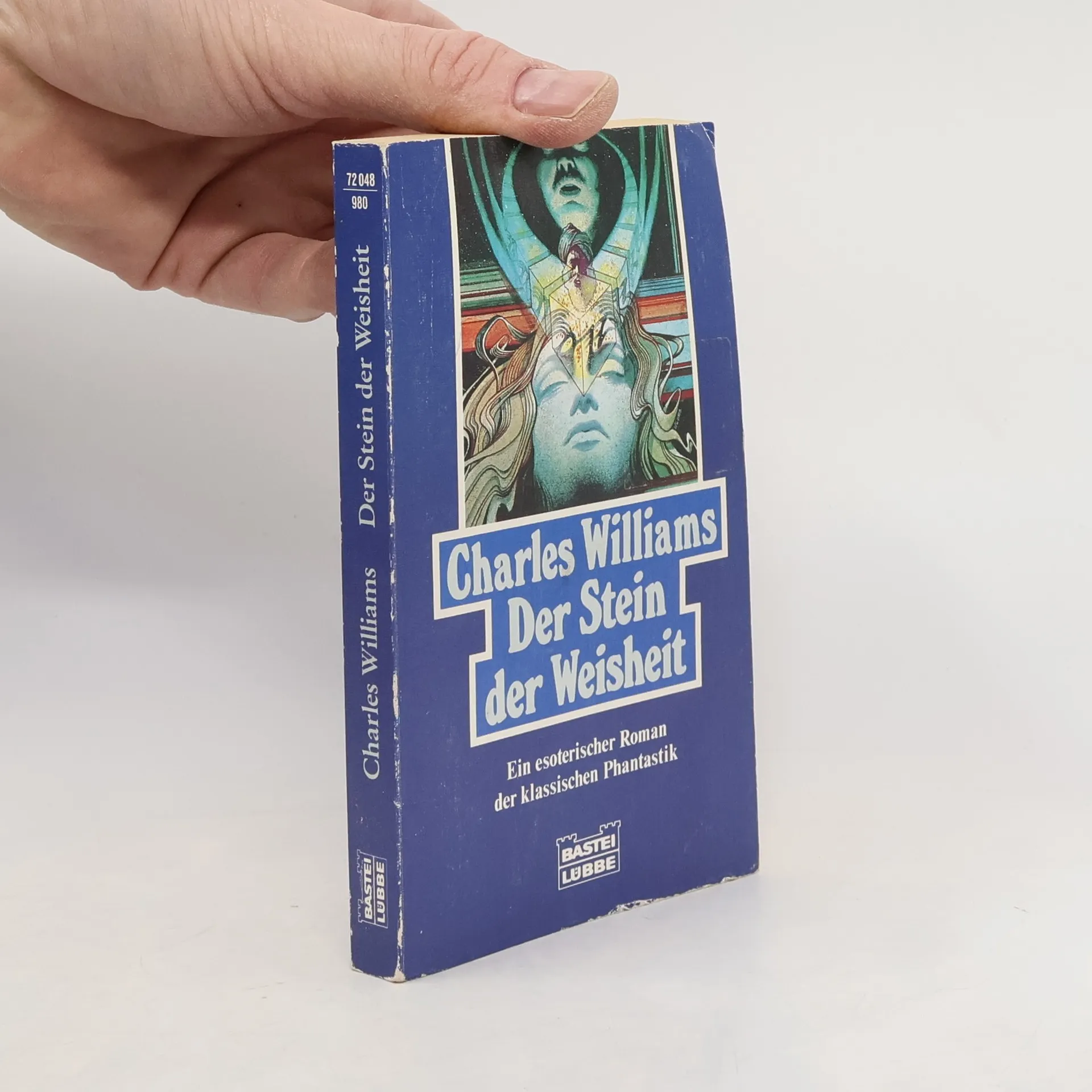
Das glaube ich nicht, antwortete der Generalsekretär. "Wenn ich Sie nicht immer als einen sehr zuverlässigen Kerl gefunden hätte - und wenn es nicht für Lord Arglay gewesen wäre - ich habe ihn einmal bei einer Kommission getroffen, und er schien ein sehr besonnener Mann zu sein. Aber das ... Nein , werde ich nicht. Das Ganze ist zu lächerlich ... Aber was zum Teufel können sie denn in die Finger bekommen haben? Ein weiterer okkulter Thriller von Charles Williams. Dies ist ein erworbener Geschmack, dh Chocker mit mystischem, visionärem, religiösem Gebrabbel, während er gleichzeitig gute Charaktere, etwas richtigen Horror und hervorragende Ideen verwaltet. Williams hat ein besonderes Händchen für wirklich fiese Schurken - fies in kleinkarierter Bosheit ebenso wie in großen weltzerstörenden Plänen - und für die Art von Schwäche/Egoismus, die Menschen in Schurken verwandelt, ohne dass sie es wirklich beabsichtigen oder darüber nachdenken. Und wenn ich Leute sage, meine ich meistens Männer:
Charles Williams Reihenfolge der Bücher (Chronologisch)
Charles Walter Stansby Williams war ein produktiver Autor von Theaterstücken, Fantasy-Romanen, Gedichten, theologischen Schriften, Biografien und Kritiken. Seine Fantasy-Werke unterschieden sich deutlich von denen seiner Freunde in der literarischen Gruppe der „Inklings“. Williams schrieb mit einer einzigartigen Perspektive auf die spirituellen und mystischen Aspekte der menschlichen Existenz. Seine Texte werden für ihre Tiefe und ihren originellen Ansatz bei der Darstellung des Übernatürlichen geschätzt.




Shadows of Ecstasy
- 246 Seiten
- 9 Lesestunden
An ambitious occultist leads an African army into Europe, driven by a singular and dark ambition: to conquer death. This gripping narrative intertwines themes of power, mysticism, and the human desire for immortality, as the protagonist challenges the boundaries of life and death in a dramatic quest that reshapes the continent's fate.
The book explores the history of Christianity through the lens of theological conflicts that have shaped the Church. Charles Williams presents a unique perspective, emphasizing how moments of crisis often led to the emergence of figures who reconciled opposing views, preserving unity. He identifies a continuous tension between apophatic and cataphatic theology, exemplified by St. John of the Cross and St. Bonaventure. Rather than viewing these conflicts as detrimental, Williams argues they are essential for the Church's growth and vitality, highlighting their complementary nature.
The central theme of this work is the exploration of Beatrice as a symbol of transcendent beauty in Dante's poetry. Charles Williams offers a clear and engaging analysis that makes Dante's complex ideas accessible to both general readers and scholars. He examines Beatrice's influence on Dante's earlier works and delves into The Divine Comedy, emphasizing its theological significance. Williams also addresses modern critiques of Dante, highlighting the complexities of language and the archetypal feminine role, making this book essential for Dante enthusiasts.
All Hallows' Eve
- 254 Seiten
- 9 Lesestunden
The story revolves around a magician with grand ambitions of world domination, driven by the belief that his adversaries are alive and plotting against him. As he navigates a realm filled with intrigue and deception, the narrative explores themes of power, betrayal, and the supernatural. The magician’s journey is marked by encounters with both allies and foes, blurring the lines between reality and illusion, leading to a gripping confrontation with his perceived enemies.
The book explores the unique and irreplaceable qualities of certain experiences or entities, reflecting on their profound impact on life and art. Through a blend of poetry and prose, it delves into themes of individuality, creativity, and the essence of existence, inviting readers to appreciate the extraordinary facets of the world around them. T. S. Eliot's quote serves as a poignant reminder of the significance of these elements in shaping human experience and understanding.
Descent into Hell
- 230 Seiten
- 9 Lesestunden
The narrative explores the profound choices we face in life, highlighting the constant struggle between positive and negative paths. It delves into themes of morality, personal responsibility, and the impact of our decisions on our spiritual journey. The work encourages readers to reflect on their own choices and the consequences that follow, ultimately suggesting that each moment holds the potential for transformation and growth.
Max Beaverbrook
- 416 Seiten
- 15 Lesestunden
First major biography to be published on Beaverbrook in over twenty-five years.
Evelyn Wood, V.C.
the Ashanti, Gaika & Zulu Wars-The Campaigns in Africa 1873-1880: My Zululand Experiences by Evelyn Wood & Ashanti to the Zulu War by Charles Williams
- 240 Seiten
- 9 Lesestunden
The narrative explores the African military campaigns of a distinguished Victorian soldier, highlighting his experiences, challenges, and the complexities of warfare during that era. It delves into the soldier's character, motivations, and the impact of colonialism on both the soldiers and the indigenous populations. Rich in historical detail, the book examines the broader implications of these campaigns on British imperial ambitions and the personal stories that shaped a soldier's life amidst the tumult of conflict.
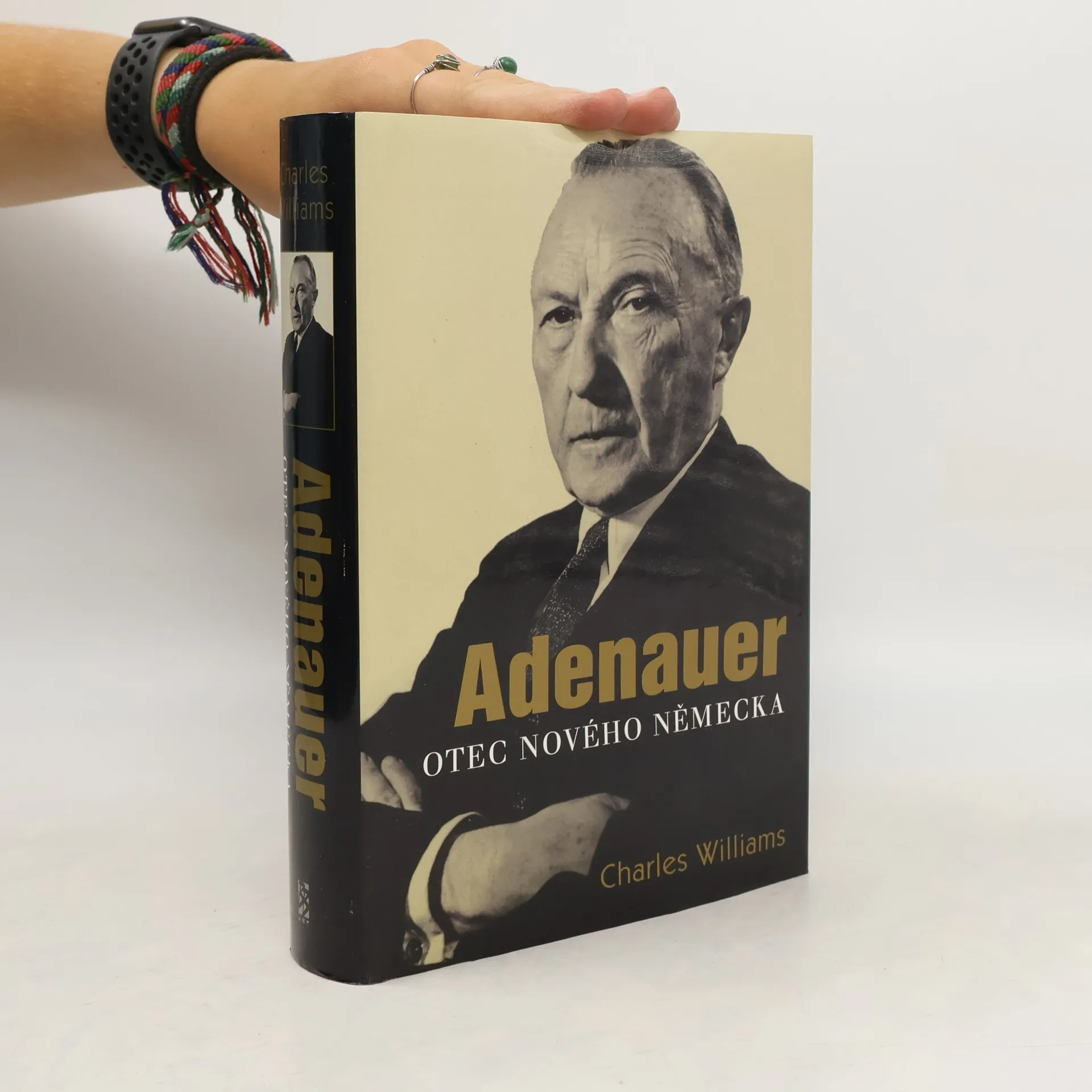
Adenauer. Otec nového Německa
- 470 Seiten
- 17 Lesestunden
Významná biografie Charlese Williamse předkládá vítané přehodnocení jednoho z nejvlivnějších státníků. Zabývá se Adenauerovu katolickou výchovu v době císařství, jeho ranou politickou kariérou, a to nejprve ve funkci místostarosty a později vrchního starosty Kolína nad Rýnem. Líčí jeho vzestup za výmarské republiky ve 20. letech 20. století a jeho následný pád: finanční po krachu na Wall Street; politický s nástupem nacismu. Do lidských myslí se však zapsal především jako první kancléř západního Německa. Konrad Adenauer (1876-1967) dokázal dovést zemi, zničenou porážkou, k ekonomické prosperitě a vštípit jí demokratické principy. Jeho usmíření s Francií zmírnilo napětí převládající v jejich vztazích v nedávné době – a připravilo cestu Římským smlouvám a Evropskému hospodářskému společenství.
Adenauer
der Staatsmann - der das demokratische Deutschland formte ; Biografie
- 637 Seiten
- 23 Lesestunden
After the Second World War Germany lay in ruins. To Konrad Adenauer (1876-1967) belongs much of the credit for raising West Germany to a position of economic prosperity and making it a respected free-world ally. Adenauer was born in 1876, in Cologne, part of a devout Roman Catholic family. He was elected mayor of Cologne in 1917, a post he held for 16 years, then a representative in the Prussian State Council of which he became president in 1928. After the Nazis came to power in 1933, Adenauer was stripped of all his political positions, imprisoned and then sent to a concentration camp. But after the war he organised a new party, the Christian Democratic Union and in 1949 he became West Germany's first chancellor, retiring after four consecutive re-elections in 1963. Charles Williams' magisterial biography of a great twentieth-century statesman - and German - is also a monumental history of modern Germany. The book's four sections: 'The Kaiser's Germany', 'Weimar Germany', 'Nazi Germany' and 'Adenauer's Germany' - bear eloquent testimony to this most singular of nations.
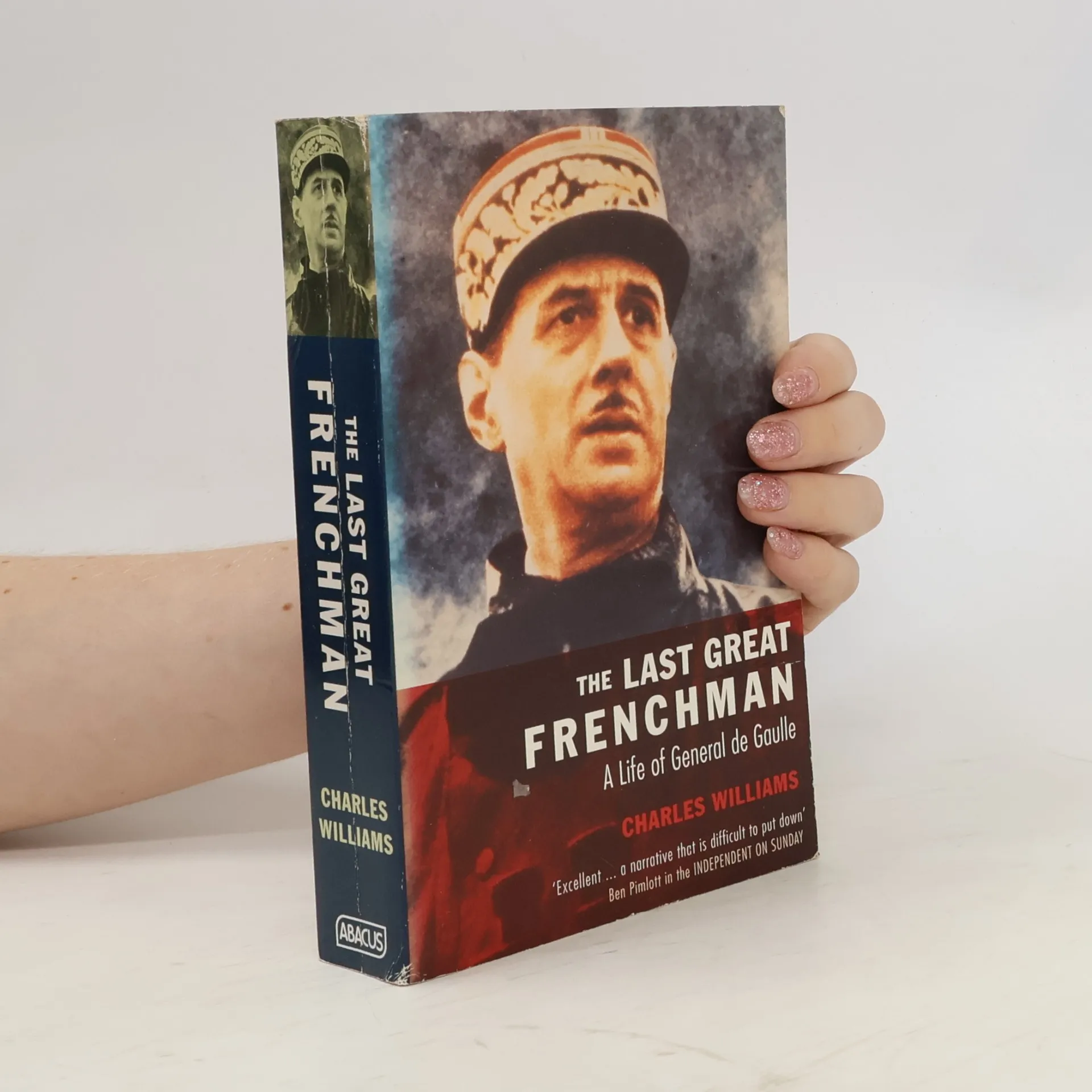
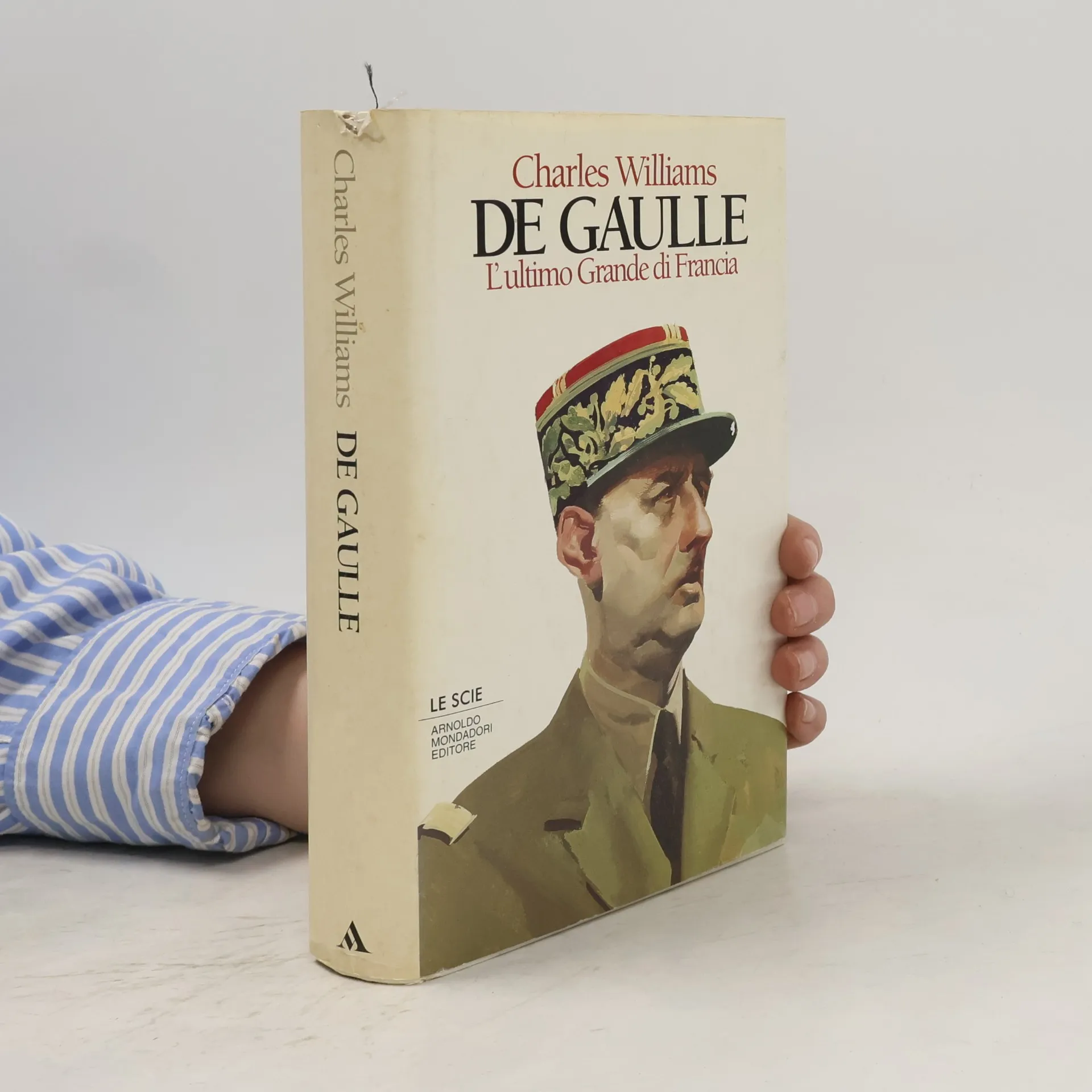
This is the biography of General Charles de Gaulle (1890-1970), President of the Fifth Republic of France. A product of Northern French provincial society of the 19th century - austere, catholic and nationalist - de Gaulle was, according to Williams, the last great Frenchman. Whatever the arguments concerning de Gaulle's legacy, in his single-minded devotion to his country, and in his skill and strength in pushing it, there would have been no France if there had been no de Gaulle.
Le Scie: De Gaulle
- 576 Seiten
- 21 Lesestunden
Allô ! l'assassin vous parle
- 181 Seiten
- 7 Lesestunden
Месть "Красной вдовы"
- 461 Seiten
- 17 Lesestunden
50 BestSellers Serie Negra: El arrecife del escorpión
- 191 Seiten
- 7 Lesestunden
Al aceptar el trabajo inseguro y peligroso que le ofrece aquella rubia impresionante de aspecto nórdico, Manning sabe que se juega la vida; y a los pocos días tiene la seguridad de que sus patrones, una banda de gángsteres, están dispuestos a matarle en cuanto deje de serles útil. Y todo ello a cambio de la remota posibilidad de convertirse en propietario del balandro en el que navegan por el Golfo de México y, tal vez, del amor de una mujer. La grandeza de El Arrecife del Escorpión parece no tener discusión. Es una novela sobria, cargada de vitalidad y profundamente original. Su trepidante ritmo narrativo, su sentido de la aventura y de la intriga, el insólito escenario marino en que se desarrolla, su profunda historia de amor, el inesperado desenlace, todo contribuye a crear una historia en que los personajes, despojados de su personalidad literaria, alcanzan a dar un estremecedor y fidedigno testimonio de violencia. Tiene esa contundencia y esa pureza de los grandes maestros norteamericanos de la novela negra.
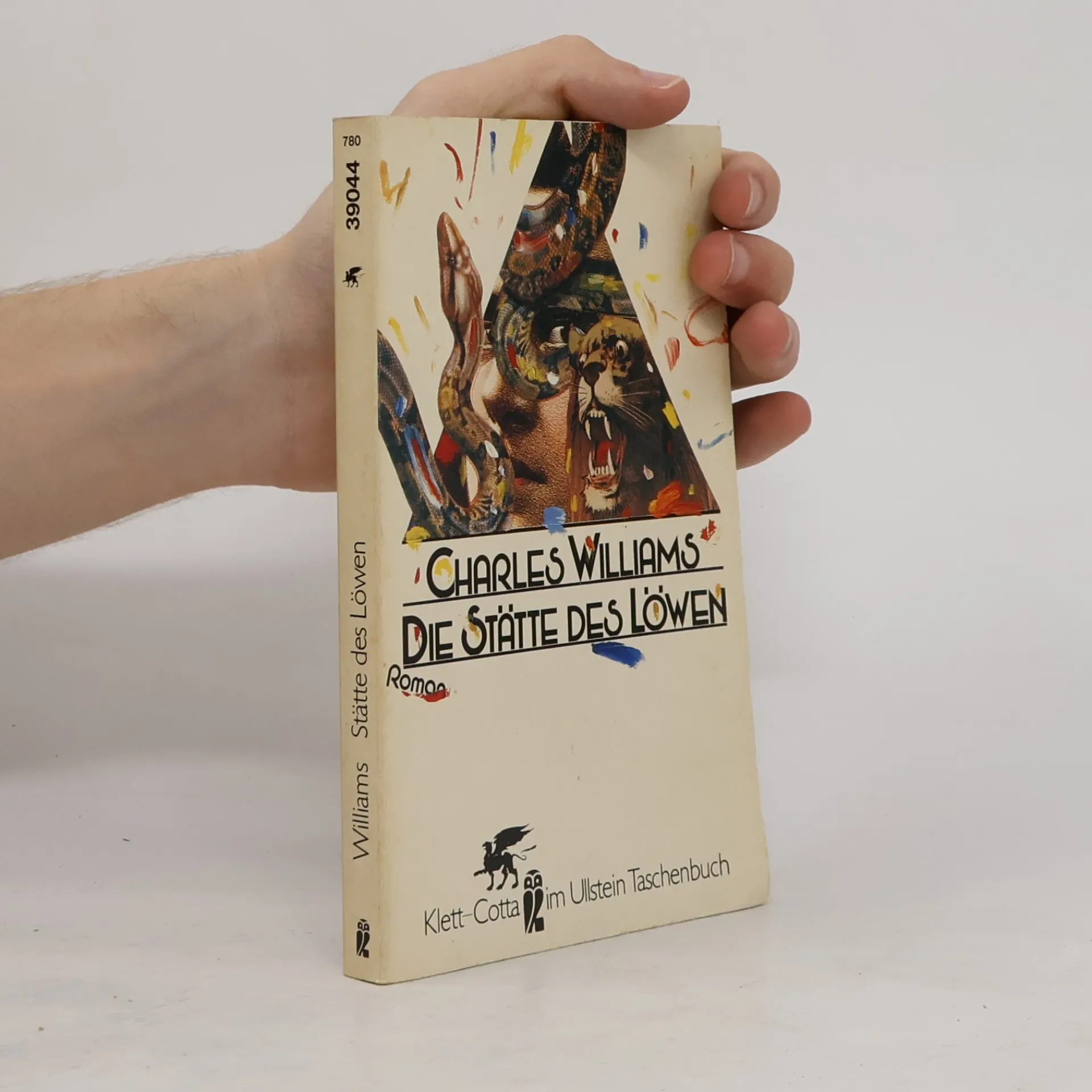
Die Stätte des Löwen
- 188 Seiten
- 7 Lesestunden
In einer fantastischen Welt untersucht die Erzählung den Konflikt zwischen dem Alltäglichen und dem Übernatürlichen, während die Charaktere sich mit Manifestationen archetypischer Kräfte auseinandersetzen. Die Geschichte behandelt Themen der Spiritualität und der Natur der Realität, wobei der transformative Einfluss von Mythen im Mittelpunkt steht. Während die Charaktere ihre Herausforderungen meistern, lädt der Roman die Leser ein, über die tieferen Bedeutungen des Daseins und das Zusammenspiel von Gut und Böse nachzudenken. Williams' reiche Prosa und imaginative Vision schaffen ein fesselndes und zum Nachdenken anregendes Erlebnis.
Heiss weht der Wind von Yucatan. Der Lachende Tod. Die Gartenparty
- 454 Seiten
- 16 Lesestunden
Ein Ingenieur kämpft in einer Kleinstadt um die Freilassung seiner Schwester aus dem Gefängnis. Reno benötigt drei Tage, um von Peru zur Golfküste zu gelangen, und als er in Waynesport ankommt, hat er nur einen Halt zu machen: das Stadtgefängnis, wo seine Schwester wegen Mordes festgehalten wird. Vickie erzählt, dass sie ihren Mann mit einer anderen Frau beim Trinken gesehen hat, sie sich gestritten haben und sie ins Badezimmer ging. Als sie herauskam, war er durch den Hinterkopf erschossen. Die Polizei glaubt jeder Einzelheit ihrer Geschichte – außer dem Teil, wer den Abzug betätigt hat. Ihr Mann war in Waynesport auf der Suche nach einem Gauner namens Rupert Conway, den die örtliche Polizei anscheinend nicht finden möchte. Um das Leben seiner Schwester zu retten, muss Reno durch eine Korruption waten, die so faulig ist wie die Sümpfe, die diese höllische Südstadt umgeben, wo die Alligatoren nicht die einzigen sind, die bereit sind zu töten.
Krieg im Himmel
- 238 Seiten
- 9 Lesestunden
Vor dem Hintergrund religiöser Konflikte entfaltet sich eine erbitterte Auseinandersetzung um die Kontrolle über ein verehrtes Relikt, das zentral für den christlichen Glauben ist. Während verschiedene Fraktionen um Macht ringen, treten Themen wie Hingabe, Verrat und die Suche nach Wahrheit zutage. Die Charaktere werden in ein Netz aus Intrigen verwickelt, das ihre Überzeugungen und Loyalitäten auf die Probe stellt und letztendlich zu einer Konfrontation führt, die den Verlauf der Geschichte verändern könnte. Die Erzählung verknüpft persönliche Interessen mit weitreichenden religiösen Implikationen und bietet so eine fesselnde Erkundung von Glauben und Ambitionen.
Der Mann an der Leine
- 157 Seiten
- 6 Lesestunden
Pop vend des pronostics truqués sur les champs de courses. Pour échapper à la police, il se réfugie avec son fils Billy dans la ferme de son frère Sagamore, un génie local qui depuis quarante ans distille de l'alcool au nez et à la barbe du shérif. Peu après leur arrivée surgit un couple dont la femme est curieusement vêtue. Il s'agit de Caroline Tchou-Tchou, une reine du strip-tease en fuite pour éviter de témoigner à un procès. Parmi l'oeuvre sombre et pessimiste de Charles Williams, ce roman figure comme un joyau d'humour, d'autant plus que l'histoire est racontée par le petit Billy âgé de sept ans. Sa vision candide du monde des adultes, où la brutalité et la filouterie lui apparaissent comme un jeu, constitue un régal. Sous cette forme jubilatoire et bouffonne, le livre critique sévèrement les ligues puritaines américaines et leur obsession du sexe et de l'alcool. Il fait la part belle aux filous et autres sympathiques rebelles qui refusent l'hypocrisie et la morale bigote.
Penguin Plays. Four modern Verse Plays.
The Family Reunion. A Phoenix Too Frequent. Thomas Cranmer of Canterbury. Happy as Larry
Why would fast-talking Fredric Hollister steal a yacht he couldn't even sail?Why did Rae Osborne, the flamboyant green-eyed beauty with a taste for highballs, spend a thousand dollars on an air search?Someone was playing John Ingram for a sucker ... but who?The answer found the tough charter skipper with a boat on his hands, a blonde on his mind, and a gun in his back ...
One of the most gifted and influential Christian writers of the century, Charles Williams was a man of unusual genius, excelling in poetry, drama, literary criticism, and theology. He authored a series of seven remarkable novels that have garnered a dedicated following. These works are unique in fiction, blending elements of satire, romance, thriller, and morality, while offering glimpses of eternity. Described as supernatural thrillers, they feature adventurous plots and captivating scenes that can be both enchanting and horrifying. Williams draws on his real experiences of the supernatural to convey profound insights. His vivid descriptions capture strange experiences that many have encountered but struggle to articulate, portraying both the deterioration and damnation of the human soul alongside the triumphant journey toward salvation. These novels are not only engaging enough to absorb readers during a train journey, potentially causing them to miss their stops, but they also invite multiple readings, revealing deeper appreciation and understanding with each encounter.