
Gratisversand in ganz Deutschland!
Bookbot

Wolfgang Brezinka

    9. Juni 1928 – 3. Januar 2020
    Wolfgang Brezinka
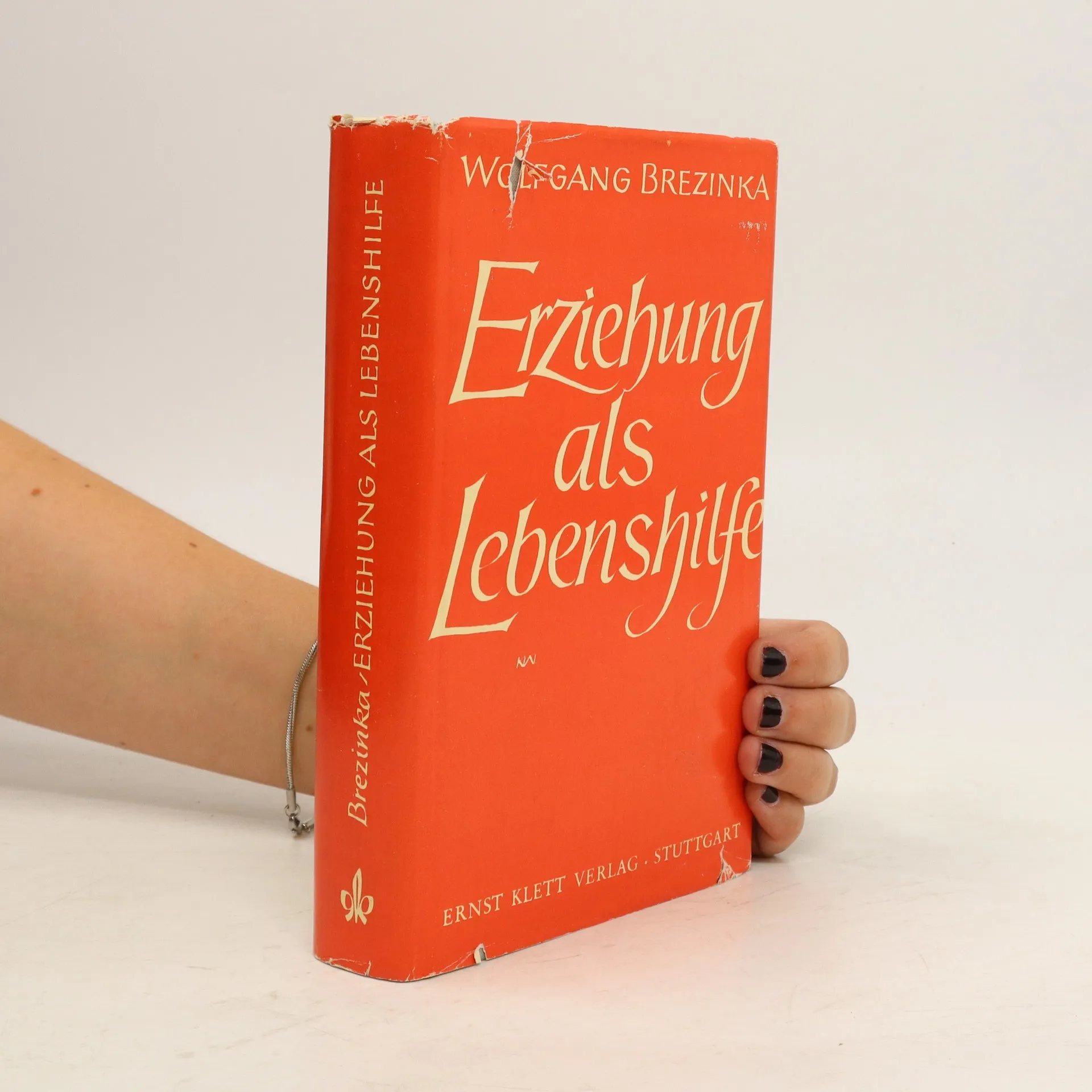
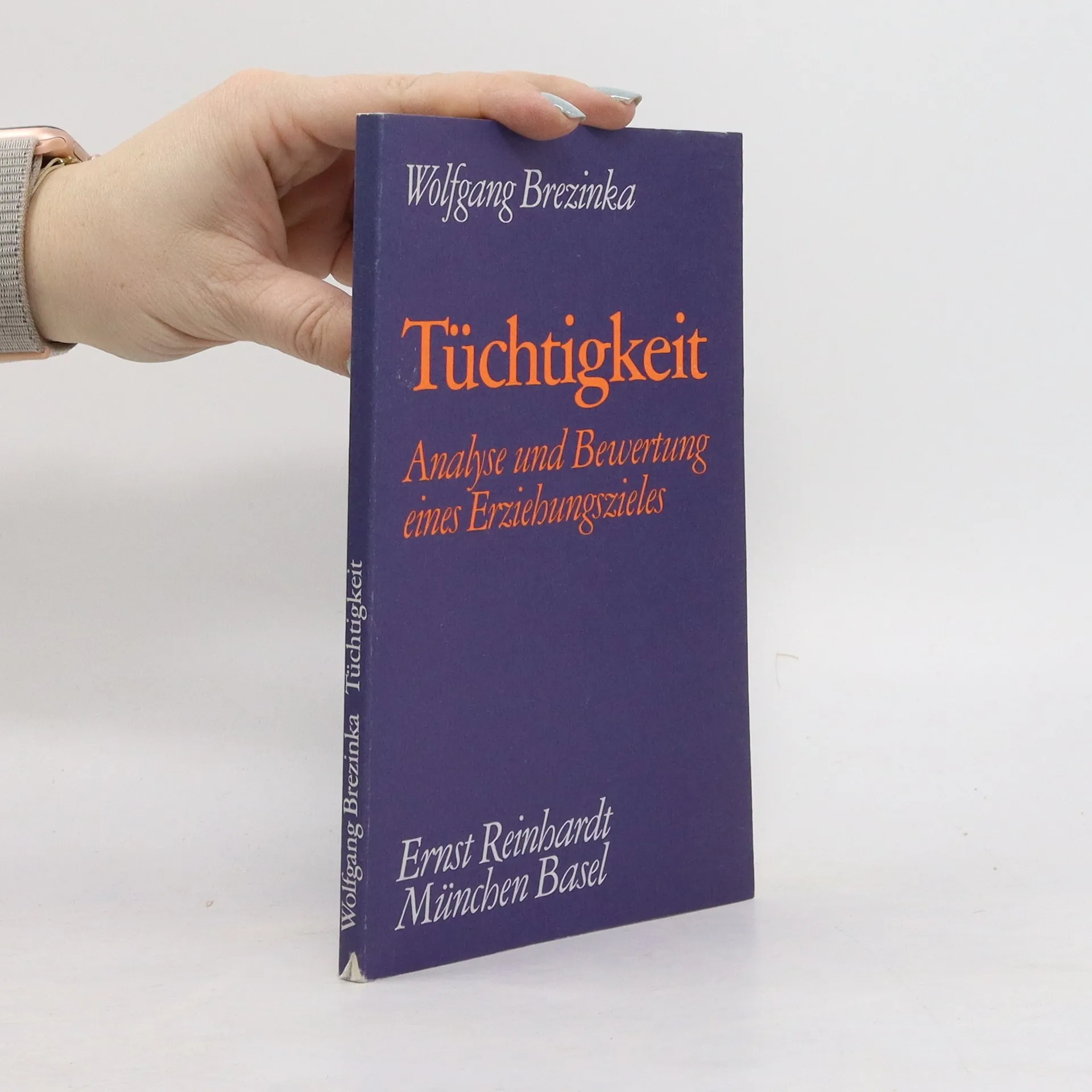
    Aufklärung über Erziehungstheorien
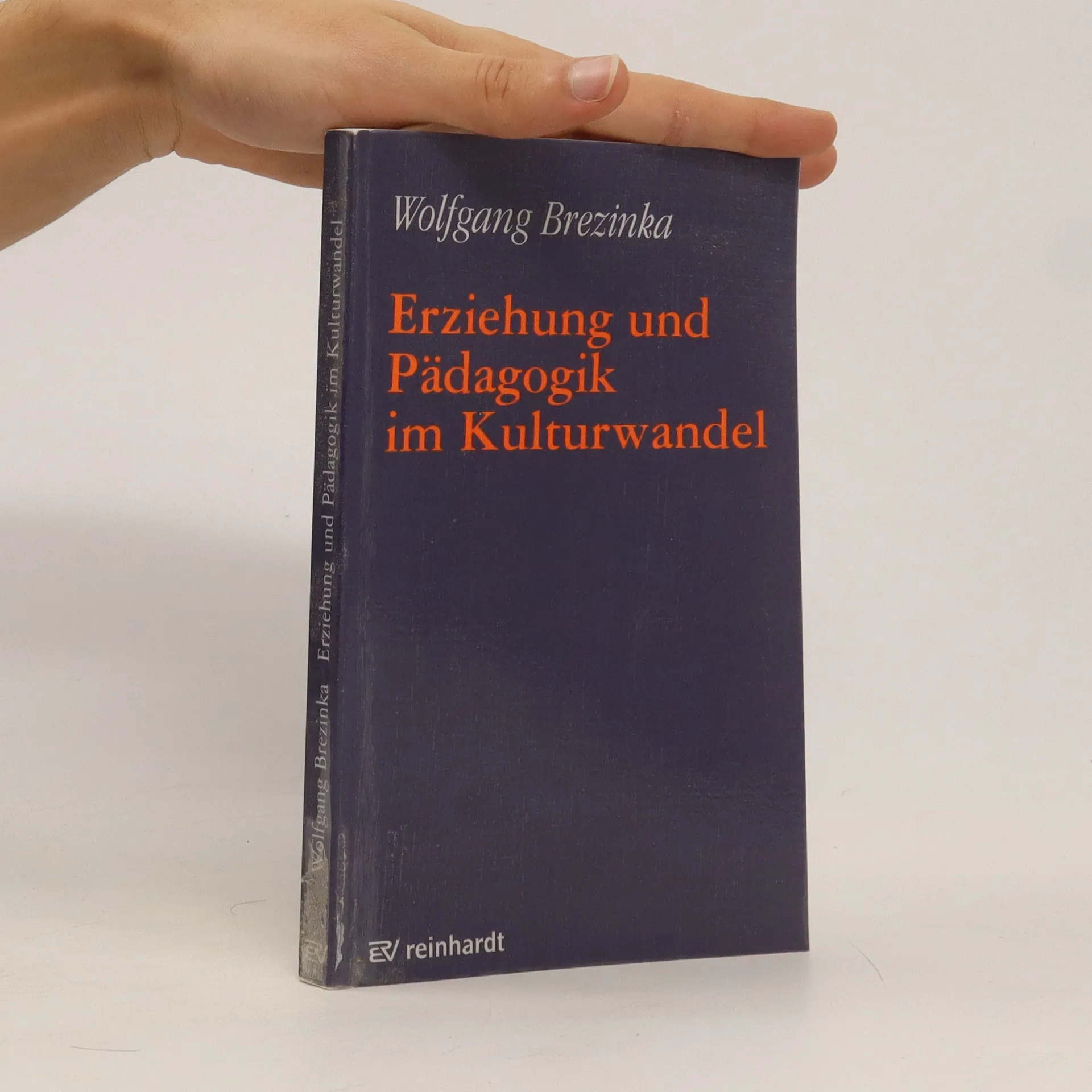
    Erziehung und Pädagogik im Kulturwandel
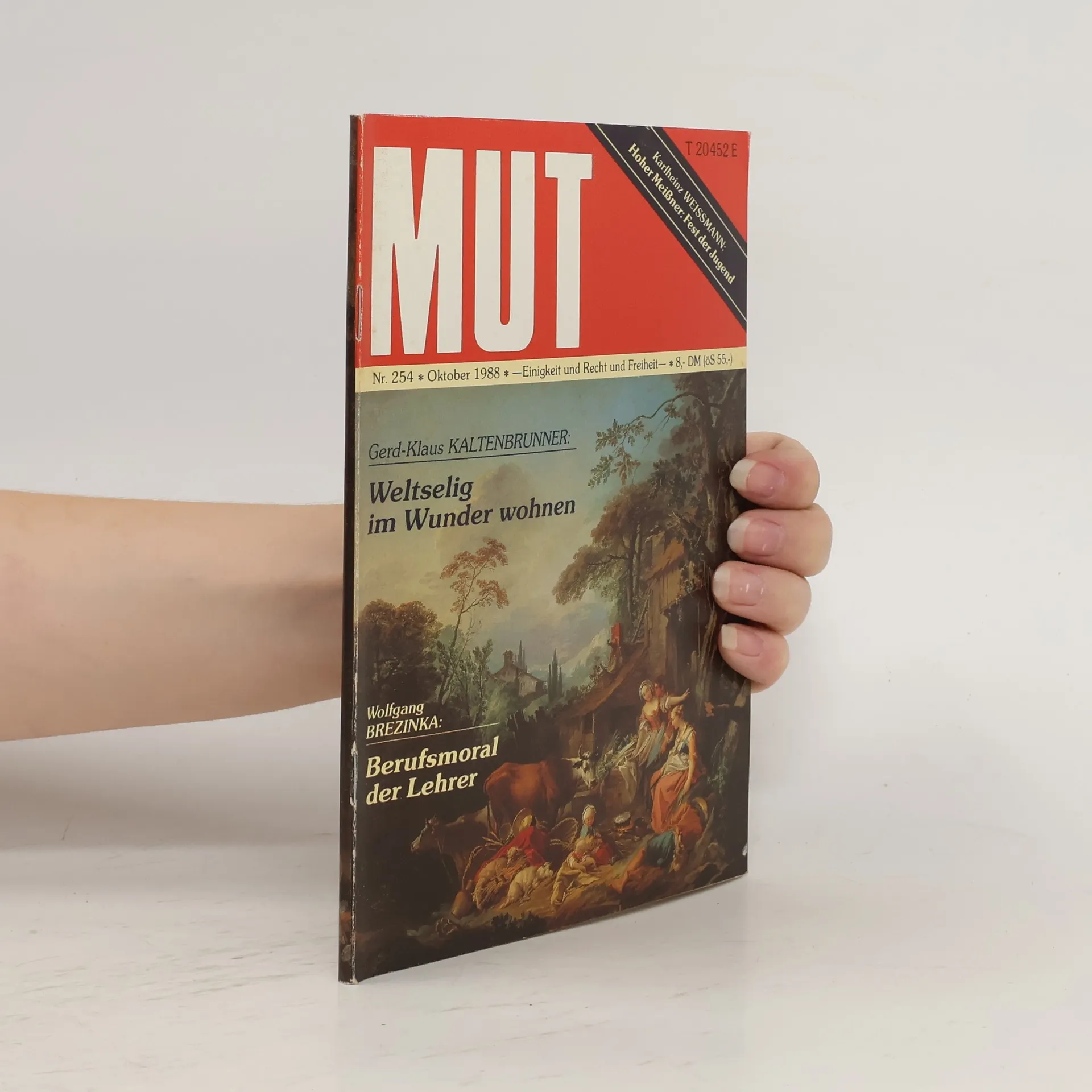
    Berufsmoral der Lehrer
    Pädagogik als umkämpftes Fach
    Glaube, Moral und Erziehung
    Erziehungsziele, Erziehungsmittel, Erziehungserfolg
    • 2020

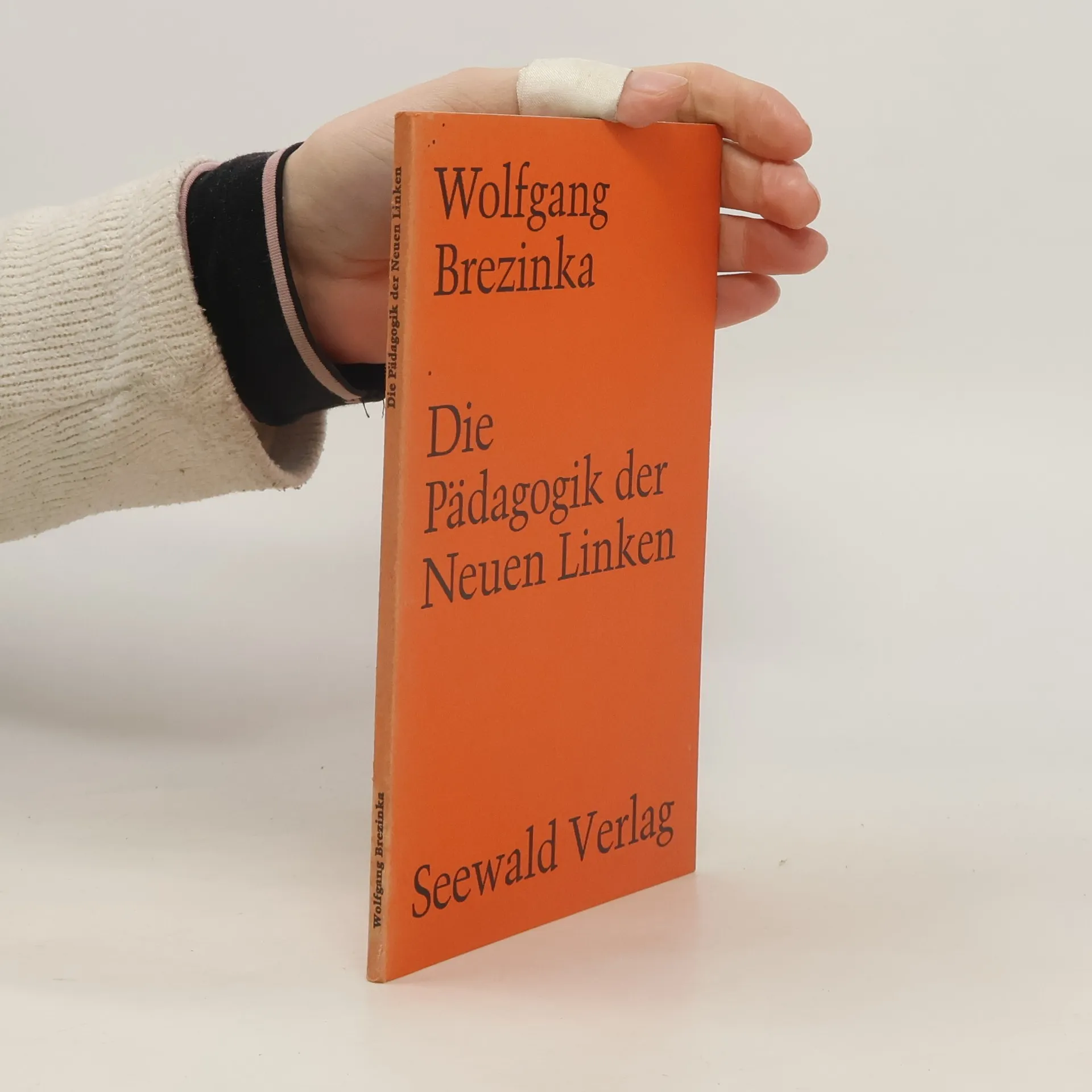
      Pädagogik als umkämpftes Fach

      Lebenserinnerungen 1967-2020

      Im zweiten Teil seiner Autobiographie schildert Wolfgang Brezinka seine Lebensgeschichte zwischen 1967 und 2020. Einen zentralen Stellenwert nehmen dabei seine Kampfe an der 1966 gegrundeten Universitat Konstanz ein, die hier zum ersten Mal unbeschonigt geschildert werden. Wolfgang Brezinka (1928-2020) war mit dem Erkenntnisstand des Lehrfaches Padagogik sowie der Qualitat des eigenen padagogischen Wissens seit seiner Studienzeit unzufrieden. Systematisch vergroaertPe er das eigene Fachwissen und scheute nicht vor Kampfen fur die Anerkennung und den Ausbau serioser Padagogik als universitares Studienfach zuruck. Mit seinem Mut zur Kritik mangelhafter Erziehungstheorien und ihrer unhaltbaren Grundlagen geriet er in Deutschland und Osterreich in den 70er-Jahren des 20. Jahrhunderts in erregte Kontroversen. Sein reichhaltiges Werk ist ein uberaus produktiver Beitrag zur Entwicklung des Fachs Erziehungswissenschaft. Im zweiten Teil seiner Autobiographie schildert Brezinka nicht nur seine Lebensgeschichte ab 1967. Das Buch ist auch der erste unbeschonigte Beitrag zur krisenreichen Grundungs- und Fruhgeschichte der Universitat Konstanz und ihrer spannungsreichen Beziehungen zur Landesregierung von Baden-Wurttemberg zwischen 1965 und 1979. Deshalb ist ein Anhang mit 14 bisher unveroffentlichten Dokumenten beigefugt.
      Pädagogik als umkämpftes Fach
    • 2019

      Vom Erziehen zur Kritik der Pädagogik

      Erfahrungen aus Deutschland und Österreich

      Wolfgang Brezinka wurde etwa ab 1970 zum international bekanntesten deutschsprachigen Erziehungswissenschaftler seiner Generation. Seine Bücher sind bisher in elf Sprachen übersetzt worden, darunter ins Chinesische, Japanische, Koreanische und Persische. Hier schildert er als Zeitzeuge die Erlebnisse der Kriegs - und Nachkriegszeit, die ihn über frühe Erziehungspraxis zur Jugendpsychologie und Pädagogik als Berufsfeld geführt haben. Vor dem Hintergrund der Kulturgeschichte des 20. Jahrhunderts wird beispielhaft der Aufstieg der Pädagogik von einem ärmlichen Nebenfach zu einem fragwürdigen Massenfach moderner Universitäten kritisch beleuchtet. Man erfährt, wie aus Zweifeln am wissenschaftlichen Wert und praktischen Nutzen dieses Sammelsuriums Brezinkas erziehungstheoretisches Lebenswerk entstanden ist. Es hat durch Klarheit und Lebensnähe die Erziehungswissenschaft ebenso bereichert wie die Philosophie der Erziehung und die Praktische Pädagogik.

      Vom Erziehen zur Kritik der Pädagogik
    • 2016

      In recent decades the life circumstances of most people around the world have changed enormously. We are again expecting scarcity and economic crisis, the danger of war, terrorism and environmental destruction. However, peoples tendencies toward selfishness and the misuse of freedom, uprooting, dissoluteness and crime are also increasingly being seen as threats to society and individual citizens. The decline of support-giving religious, worldview and moral traditions has given rise to great uncertainty about values. Citizens increasingly experience this as a burden, and are becoming more receptive to a reassessment. More of us are seeking a new orientation. Those responsible for children or youth require this with special urgency, because uncertainty in value orientations also creates uncertainty in education. Are there ways to escape this dilemma? How can we achieve new clarity on the worldview and moral foundations of education? To what ends should we direct education? With what difficulties should we reckon? What tasks must parents fulfil and which should be assigned to teachers? These are the topics dealt with in this book. It provides answers to the questions of parents, teachers and other educators, as well as to those of politicians, economic leaders and spiritual counsellors. It will serve to stimulate thought and contribute to achieving agreement on the central educational tasks of our time.

      Education in a society uncertain of its values
    • 2011

      Viviamo in un momento di rapido cambiamento culturale. Anzi, secondo il giudizio di Wolfgang Brezinka, grande teorico tedesco dell'educazione, la nostra è ormai una società 'disorientata', nella quale i mutamenti scientifici, economici e culturali hanno portato a considerare desueti i valori tradizionali e a sostituirli con una pluralità eterogenea di riferimenti e con una forte tendenza all'individualismo. Questa situazione di libertà dalle tradizioni e di promozione spinta dell'autodeterminazione ha generato una profonda insicurezza della persona, che ha perduto la stabilità e la certezza dei valori fondamentali in ambito culturale, morale, religioso. Sicuramente nessuna tradizione è immutabile e anche sul versante valoriale il cambiamento è una molla importante di progresso. Ma l'orizzonte delle cose che 'contano', che indirizzano la vita di ciascuno e le danno senso deve rimanere un punto fermo, da condividere con la propria comunità e di cui avere cura. L'attuale crisi dei valori di base è una grande sfida per l'educazione. Una sfida che Brezinka raccoglie in questo volume, non solo analizzando in profondità i termini della questione, le sue ricadute sul sistema scolastico e il ruolo, non sempre felice, della scienza dell'educazione, ma non tirandosi indietro di fronte all'esigenza di proporre indicazioni per venire in aiuto alle giovani generazioni, vere vittime della frantumazione dei valori fondativi.

      Educazione e pedagogia in tempi di cambiamento culturale
    • 2003

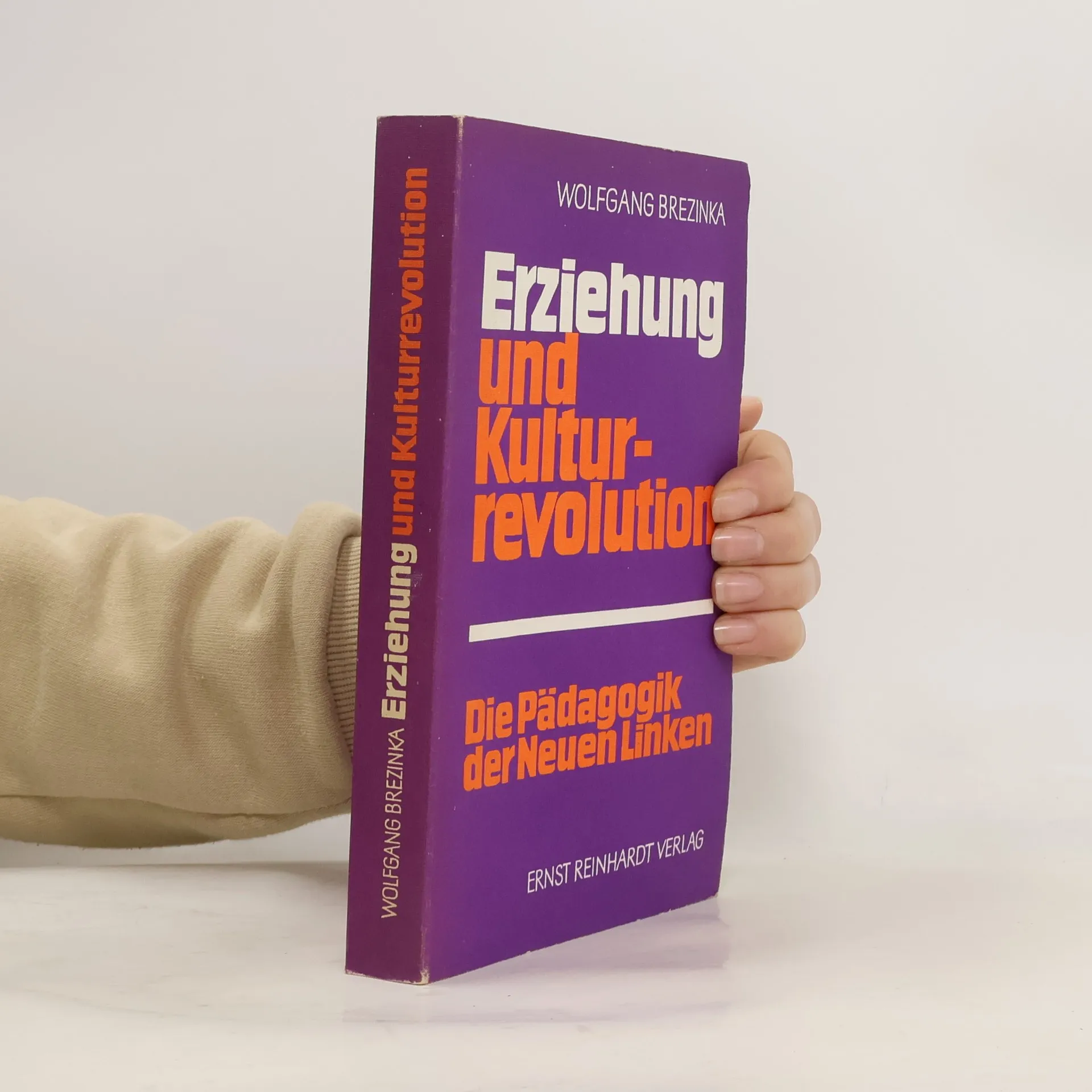
      In den modernen Gesellschaften vollzieht sich ein schneller Kulturwandel. Von ihm sind nicht nur Wissenschaften, Technik und Wirtschaft betroffen, sondern auch die normgebenden Kulturgüter wie Religion, Weltanschauung, Geschichtsbild, Moral, Recht, Sitte und Kunst. Die damit verbundene Orientierungsunsicherheit ist eine Herausforderung an die Erziehung. Was kann in dieser Lage getan werden, um negativen Folgen zu begegnen und Chancen zu nutzen? Das ist das Thema dieses Buches. Es bietet realistische Orientierungshilfen für Lebensführung, Erziehung und Bildungspolitik. Dazu gehört auch Kritik an Irrwegen der Erziehungswissenschaft und die Rehabilitierung einer Praktischen Pädagogik, die für Eltern, Lehrer und andere Erzieher brauchbar ist. Pressestimmen „Brezinka gelingt es wie kaum einem anderen Autor, verwickelte Zusammenhänge verständlich zu machen und wissenschaftliche mit philosophischen und gesellschaftstheroetischen Gesichtspunkten zu verbinden. Die Vorschlage, die er für die Neuordnung der Erziehung in Theroie und Praxis macht, werden über den Tag hinaus aktuell bleiben.“ Pädagogische Rundschau. Dieser Titel ist auch ab ca. Jan 2007 auf einer CD-ROM (Gesammelte Werke - 10 Bände) erhältlich: Vorbestellungen sind unter der ISBN 978-3-497-01885-7 möglich.

      Erziehung und Pädagogik im Kulturwandel
    • 2000

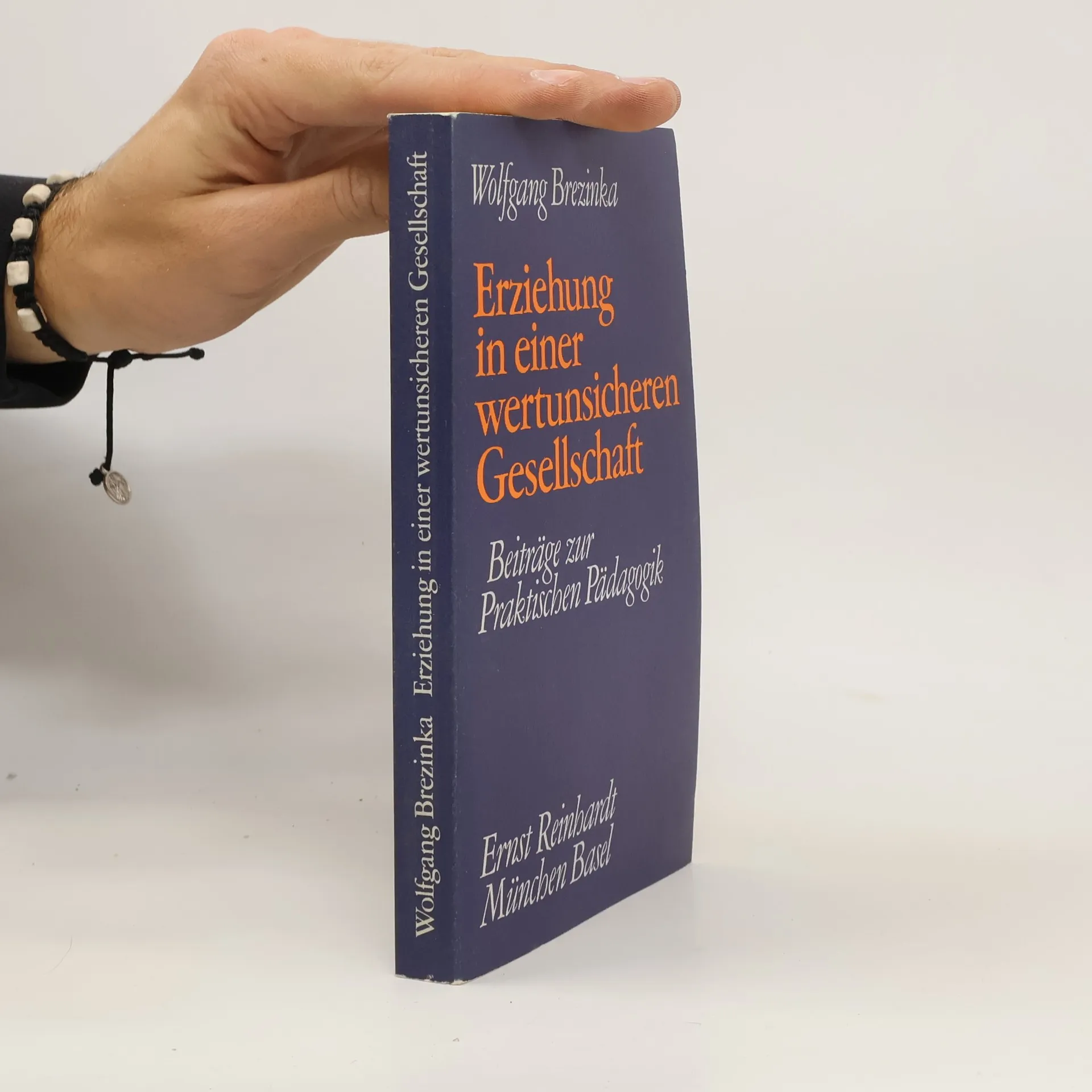
      Pädagogik in Österreich

      • 1060 Seiten
      • 38 Lesestunden

      In the multi-ethnic Austrian monarchy pedagogics as an academic discipline was introduced earlier than in most other states. For the first time this book describes the history of the chairs, institutes and departments of educational theory at all Austrian universities from the beginning in the late 18th century up to the year 2000. Based on records from the various university and state archives it offers detailed information about the recruitment of the teaching staff, the educational doctrines taught, the professional performances and careers of professors as well as on the requirements and learning conditions for students. The slow rise, the great expansion and the crises of pedagogics as a controversial academic subject are thoroughly and critically analysed. The first volume contains as an introduction a survey of the political, cultural and educational framework common to all Austrian universities. In the main part it deals with pedagogics at the university of Vienna as the leading and most influential institution in the Austrian monarchy as well as in the Austrian republic.

      Pädagogik in Österreich
    • 1994

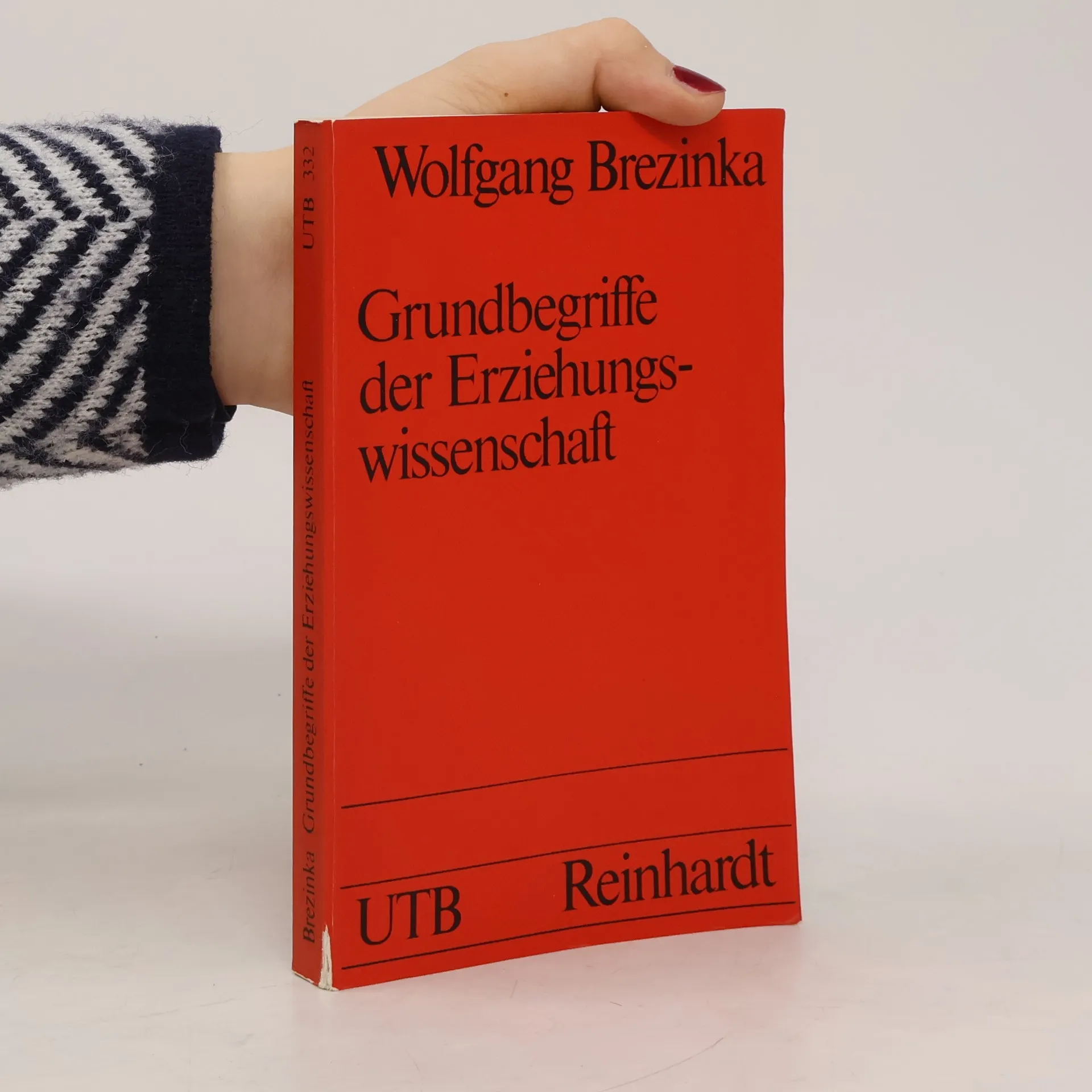
      This book offers reliable orientation in dealing with pedagogical discourse. Brezinka explains important concepts of educational science, such as education, aim of education, and educational means. In his efforts to exactly define these terms, he clarifies the linguistic, logico-empirical and ideological-critical analysis of pedagogical concepts. The results are fundamental for the science of education, philosophy of education, and practical pedagogics. Introduction; I. EDUCATION. Conceptual Confusion in the Problem Area of "Education"; II. EDUCATIONAL AIM. Conceptual Confusion in the Problem Area "Aims of Education"; Semantic Analysis of the Word "Aim"; Clarification of the Concept "Educational Aim"; Purpose and Functions of Educational Aims; Summary; III. NEED FOR EDUCATION. Semantic Analysis of the Term "Need for Education"; Provisional Specification of the Concept "Need for Education"; Logico-Empirical Need for Education as an Essential Human Attribute?: Ideological-Critical "Need for Education" as a Slogan; Summary and Prospects for the Future; Bibliography; Name Index; Subject Index.

      Basic concepts of educational science
    • 1992

      Philosophy of educational knowledge

      • 320 Seiten
      • 12 Lesestunden
      4,0(2)Abgeben

      For two reasons, we are particularly proud to include Wolfgang Brezinka's Philosophy of Educational Knowledge in this series of books on Philosophy of Education. Knowledge of education has long beenoffered under names like"pedagogics", "pedagogy"or"educational theory".

      Philosophy of educational knowledge