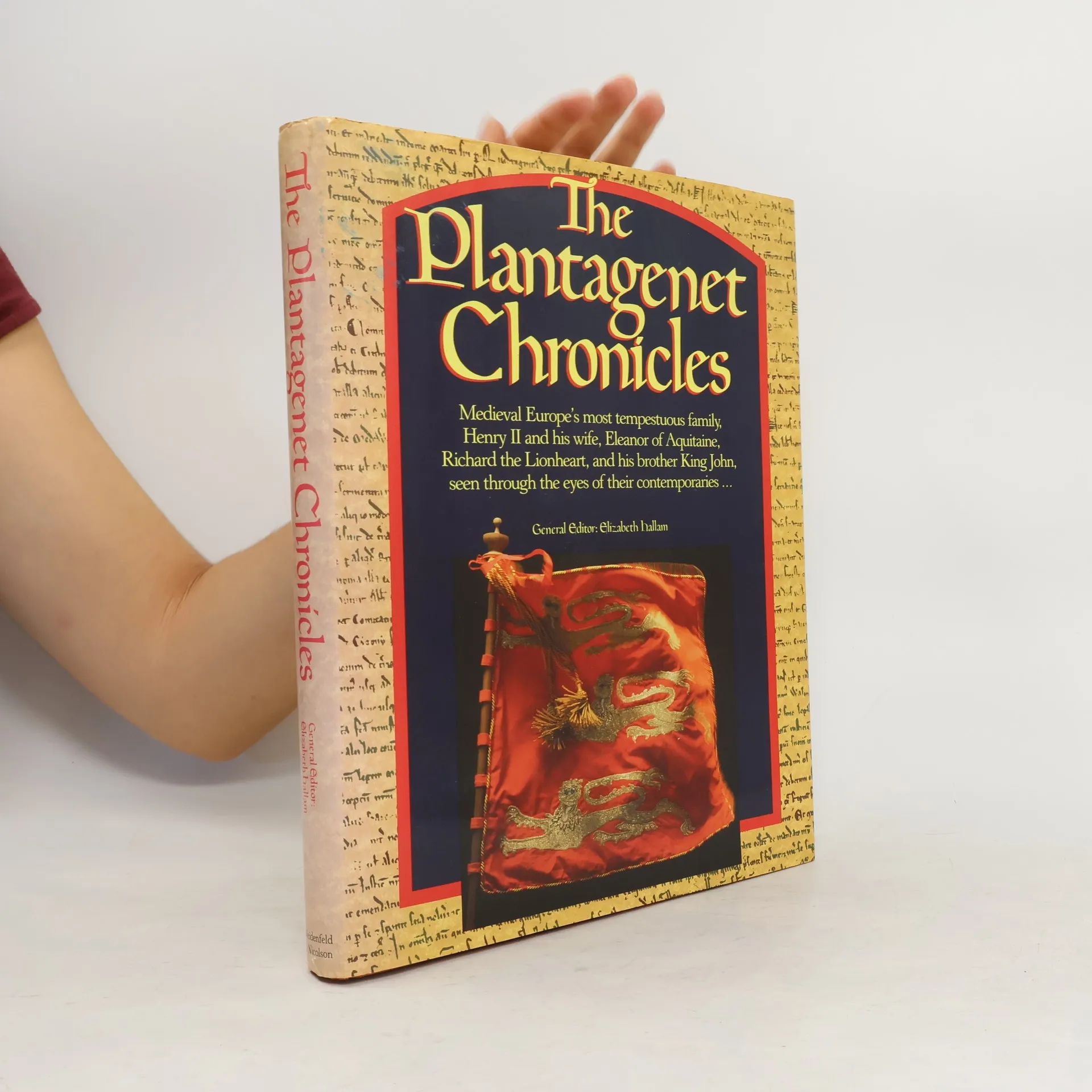
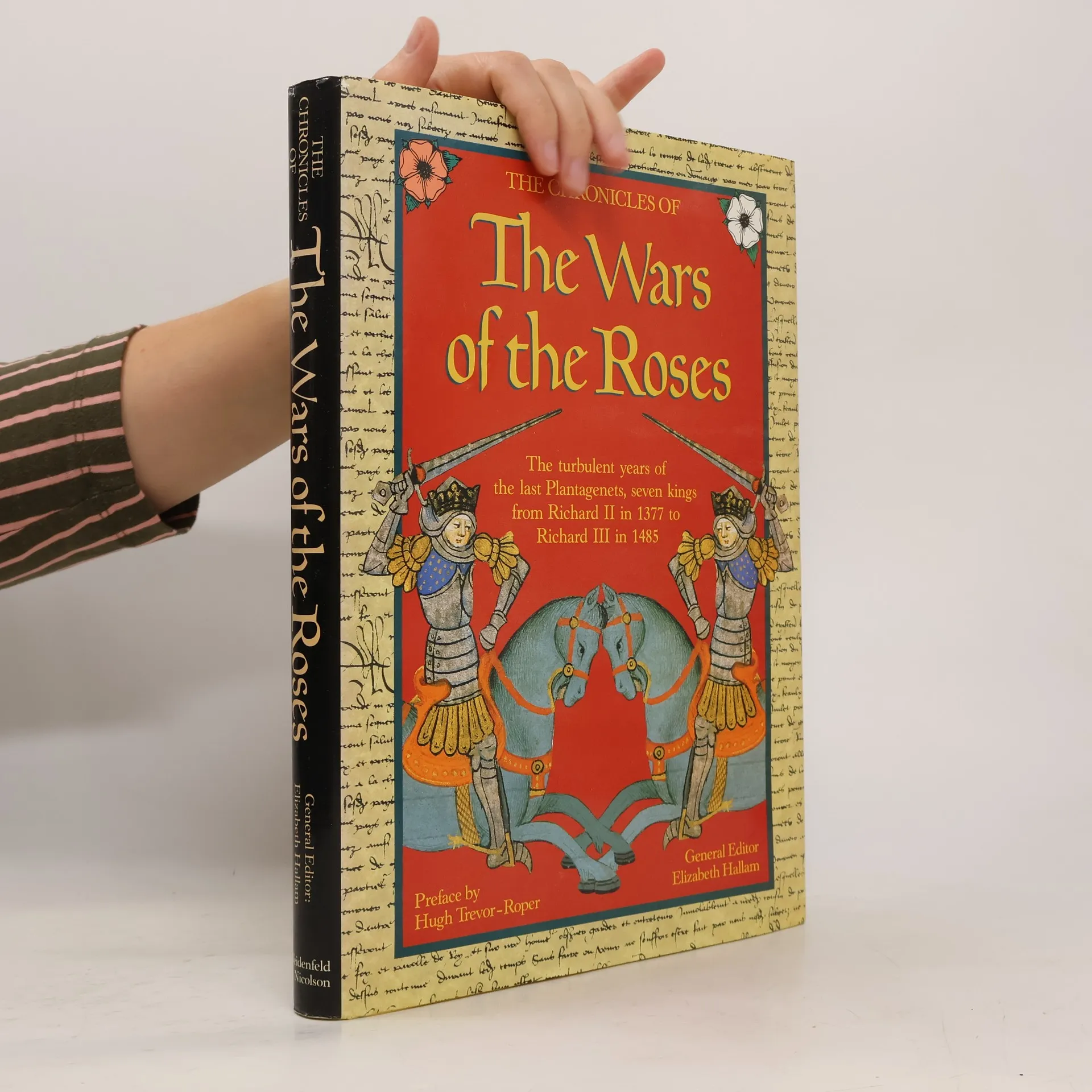
Lavishly illustrated with over 230 illustrations in color and black and white, this book tells the story of the last hundred years of the dynasty founded by Henry II in 1154. It begins in 1377 with the accession to the throne of Richard II and ends in 1485 with the death on Bosworth Field of the enigmatic Richard Ill.
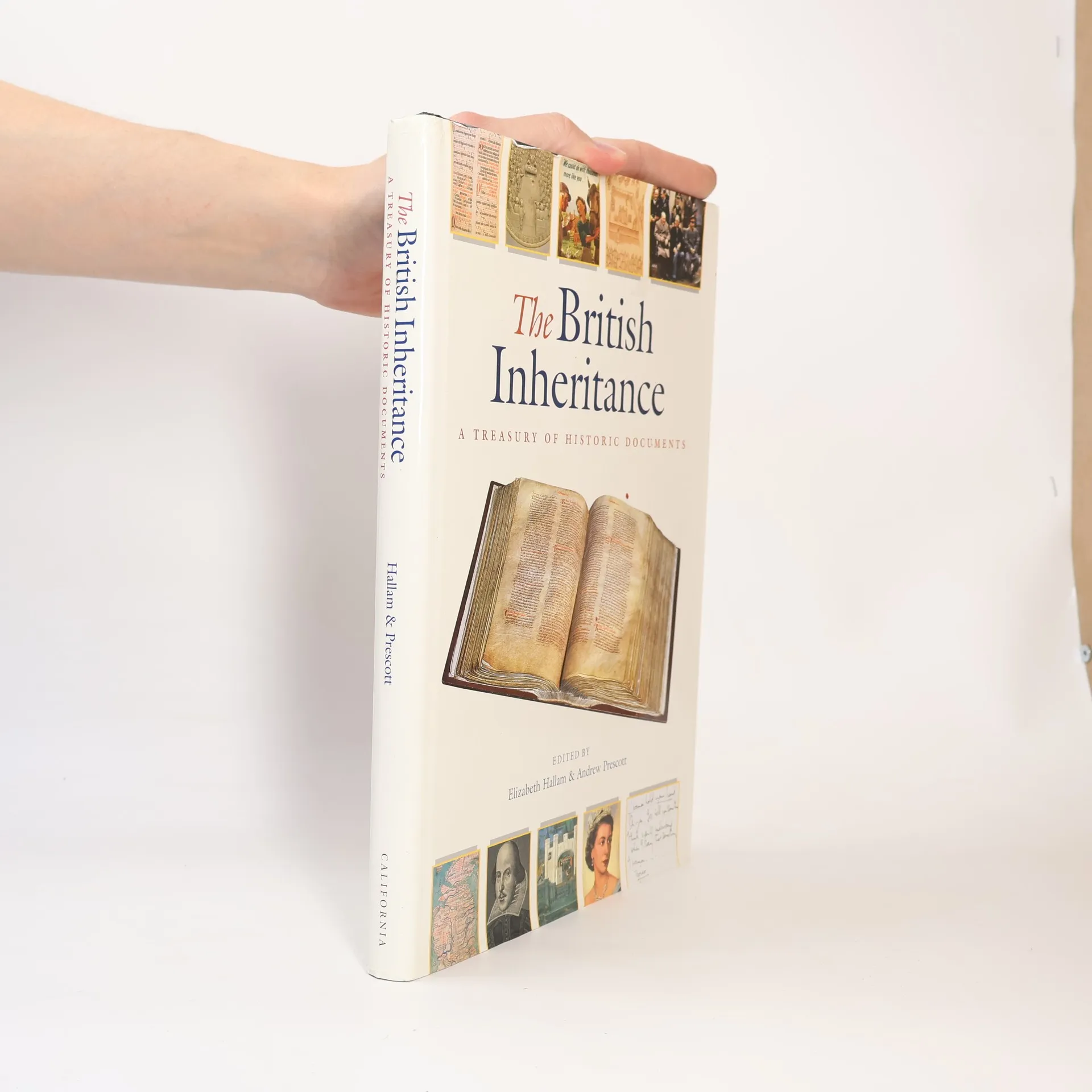
Britain's 1000-year prominence on the international stage continues to resonate today. The English language, spoken by over half the world's population, reflects a legacy of democratic freedom and legal systems adapted by many nations. This "British Inheritance" is shared not only by the UK but also by former colonies and current allies, including the U.S.A., Canada, Australia, New Zealand, Africa, and India. The nation's rich historical heritage is showcased in the vast archive and manuscript collections of institutions like the Public Record Office, British Library, and National Library of Scotland. This volume presents key documents in chronological order, highlighting pivotal moments in British history from King Arthur and Alfred the Great to the multicultural Britain of the '90s. Each document is accompanied by insightful commentaries from experts and curators, providing context and significance. Alongside renowned treasures like the Domesday Book and Magna Carta, lesser-known artifacts such as Oscar Wilde's calling card and Mary, Queen of Scots' last letter are featured. Beautifully illustrated in color, this authoritative and accessible book will captivate anyone interested in history, politics, and culture.
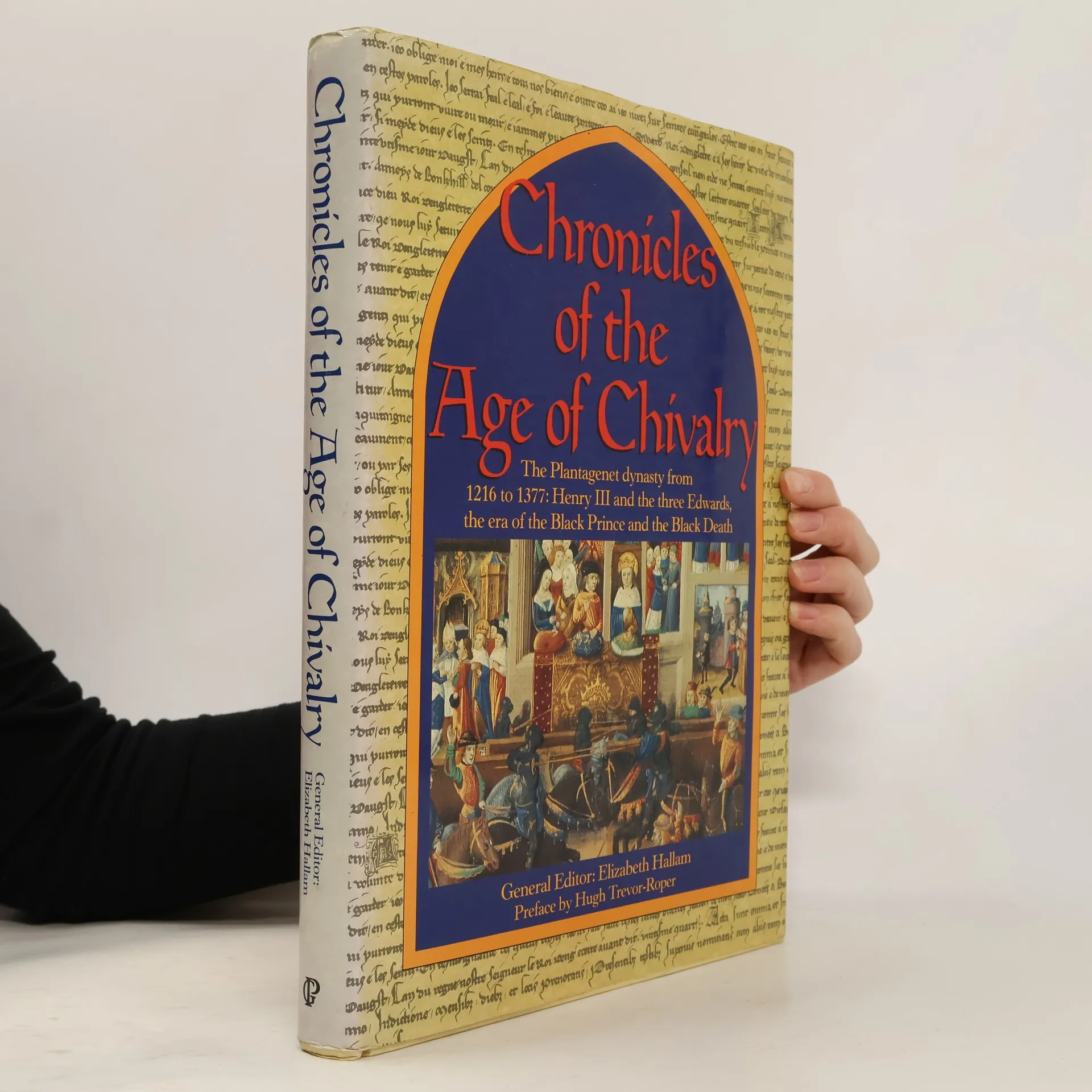
History of the kings of England from the signing of the Magna Carta to the time of the black death taken from contemporary accounts such as the Barnwell chronicle, the chronicle of Thomas Wykes, the chronicle of Walter of Guisborough, the Lanercost chronicle, Choricon Gaslfridi le Baker de Swyndbroke, and others.
This text provides an approach to death, dying and bereavement, and the sociology of the body. The authors challenge existing theories that put the body at the centre of identity. They go beyond the body to highlight the persistence of self-identity even when the body itself has been disposed of or is missing. Chapters draw together a wide range of empirical data, including cross-cultural case studies and fieldwork to examine both the management of the corpse and the construction of the soul or spirit by focusing on the work of: undertakers; embalmers; coroners; clergy; clairvoyants; exorcists; and bereavement counsellors.
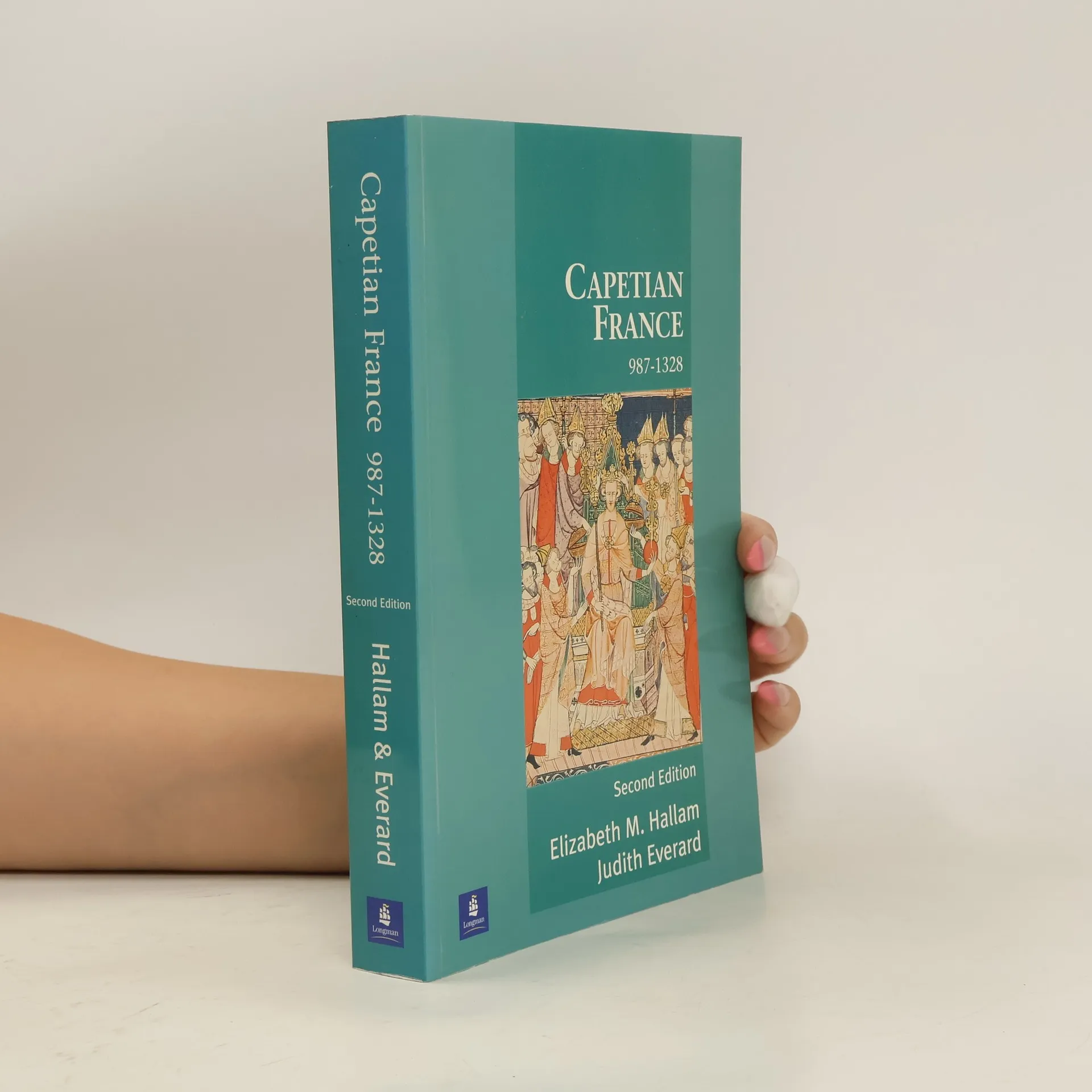
In 987, when Hugh Capet took the throne of France, founding a dynasty which was to rule for over 300 years, his kingdom was weak and insignificant. But by 1100, the kingdom of France was beginning to dominate the cultural nd religious life of western Europe. In the centuries that followed, to scholars and to poets, to reforming churchmen and monks, to crusaders and the designers of churches, France was the hub of the universe. La douce France drew people like a magnet even though its kings were, until about 1200, comparatively insignificant figures. Then, thanks to the conquests and reforms of King Philip Augustus, France became a dominant force in political and economic terms as well, producing a saint-king, Louis IX, and in Philip IV, a ruler so powerful that he could dictate to popes and emperors. Spanning France's development across four centuries, Capetian France is a definitive book. This second edition has been carefully revised to take account of the very latest work, without losing the original book's popular balance between a compelling narrative and an fascinating examination of the period's main themes.
Bound by her father's wishes and her honor, Alura accepts an exotic and magical bracelet from Sir Connor Warrick, a ferocious warrior and heir to a great fortune. Original.
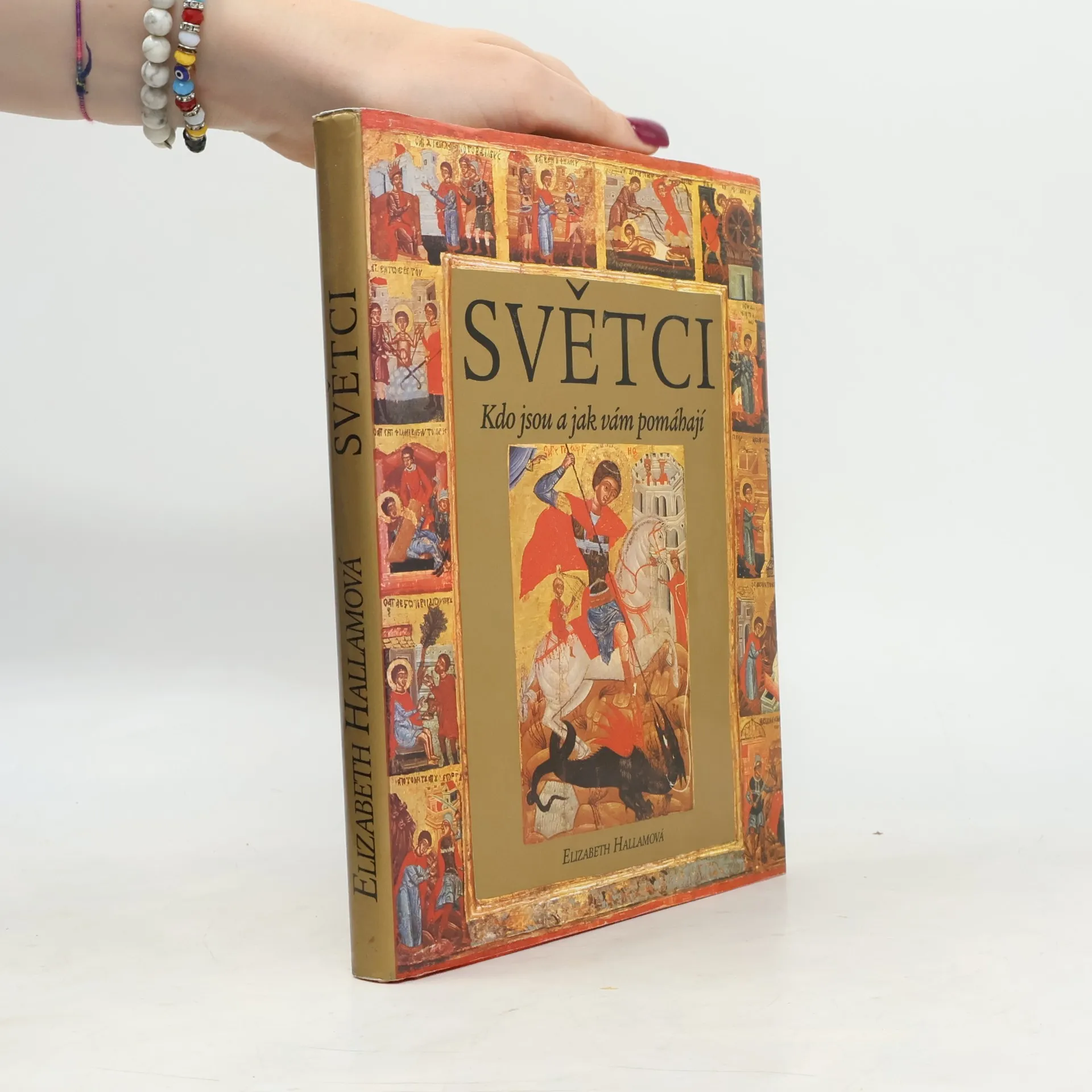
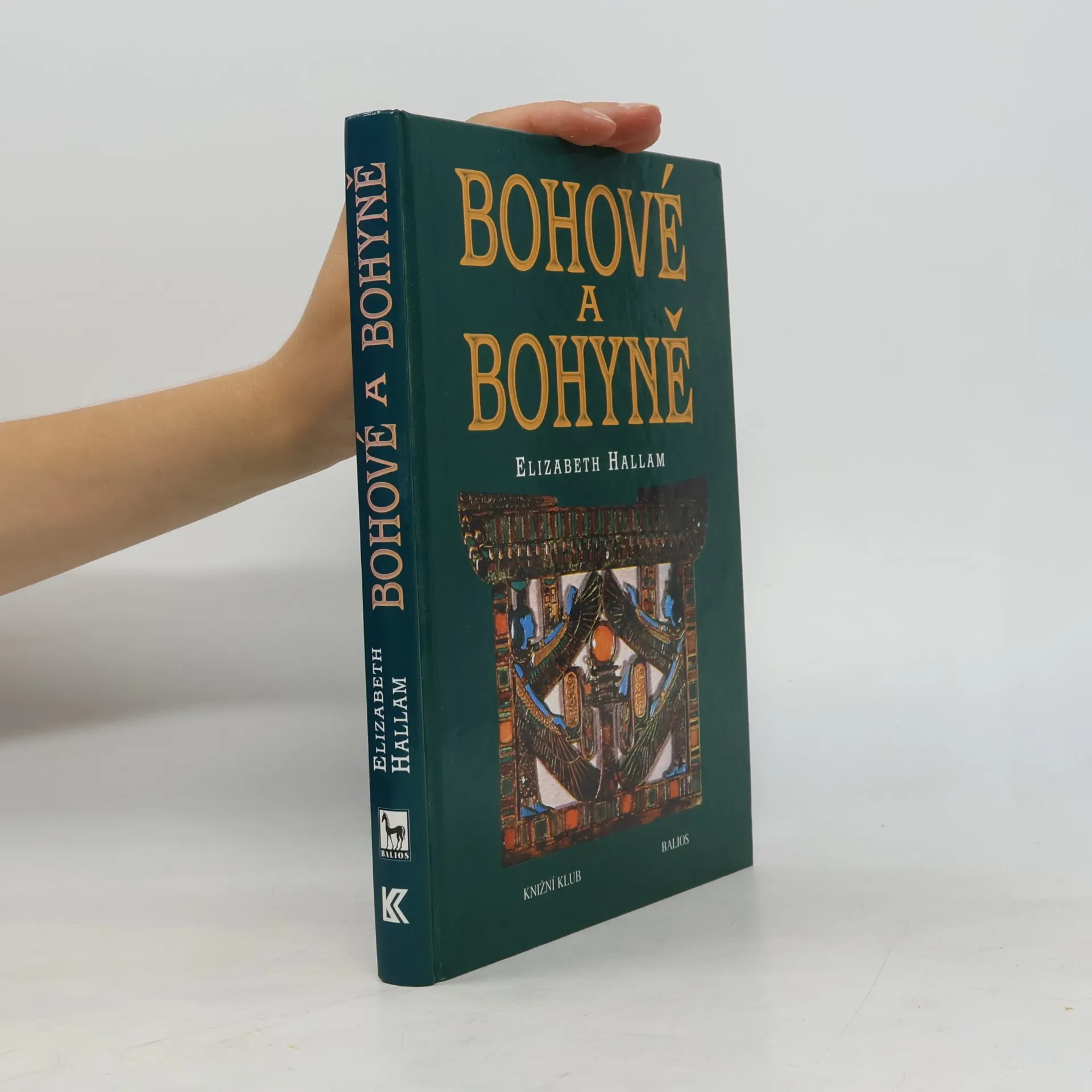
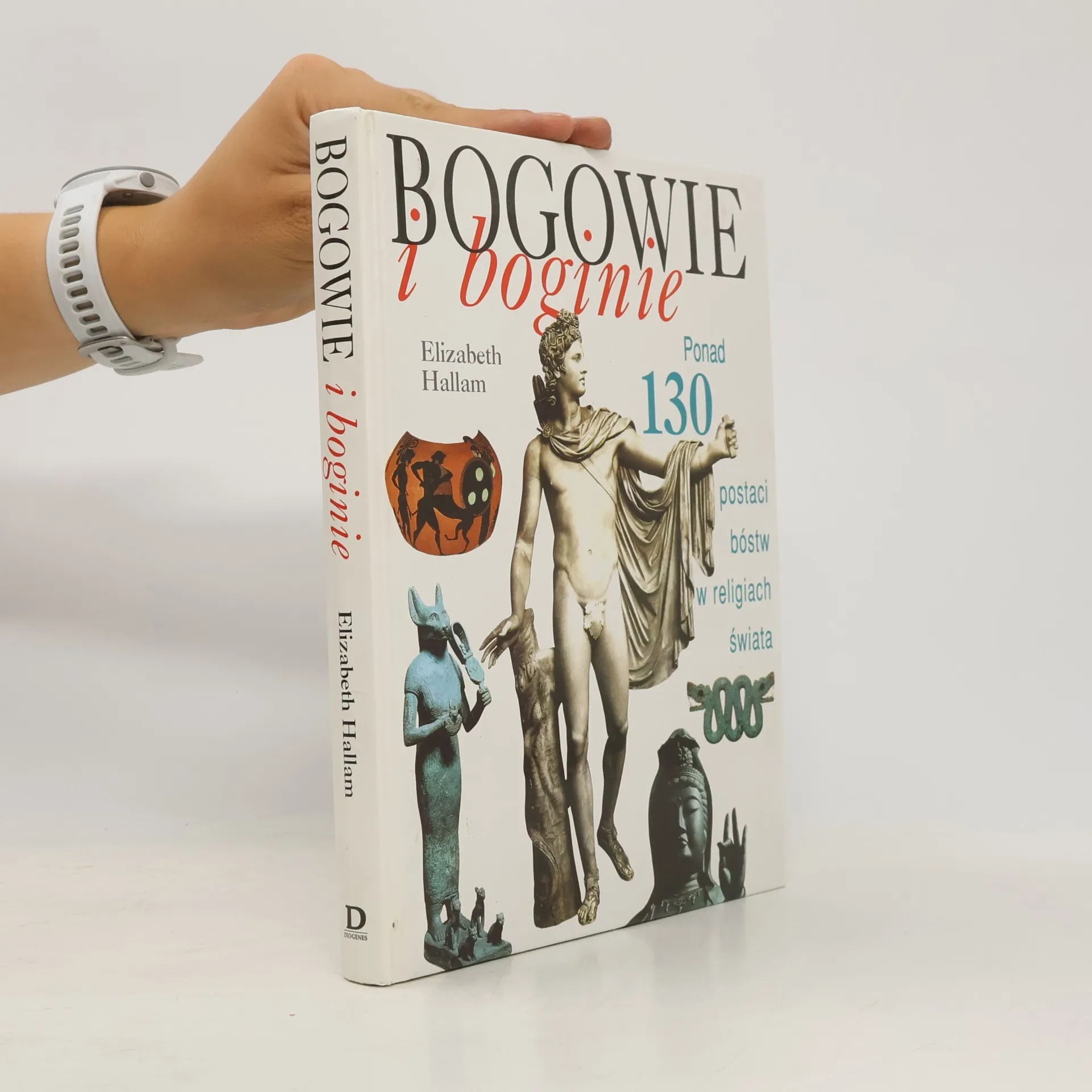
Příběhy,mýty a legendy o bozích a bohyních celého světa.Více než 150 bohů a bohyň seřazených podle obalstí svého vlivu a přes 200 barevných a černobílých ilustrací vybraných z pokladu světových uměleckých děl,inspirovanými těmito božstvy.