Fritjof CapraReihenfolge der Bücher (Chronologisch)
1. Februar 1939
Fritjof Capra ist ein Physiker, dessen Werk die tiefen Verbindungen zwischen Wissenschaft und Spiritualität erforscht. Seine Schriften befassen sich mit den tiefgreifenden Mustern in der Natur und untersuchen, wie diese Prinzipien neue Denk- und Lebensweisen prägen können. Capra konzentriert sich darauf, ganzheitliche Perspektiven in unser Weltverständnis einzubringen und die Vorstellung zu fördern, dass wir Teil eines vernetzten Lebensgefüges sind. Seine Arbeit ermutigt die Leser, die Komplexität ökologischer Systeme und unseren Platz darin zu betrachten.
Fritjof Capra, scientist, educator, activist, and accomplished author,
presents the evolution of his thought over five decades in Patterns of
Connection. Organised thematically and chronologically, these essays document
the revolutionary and far-reaching intellectual journey of one of the major
public thinkers of the last half-century.
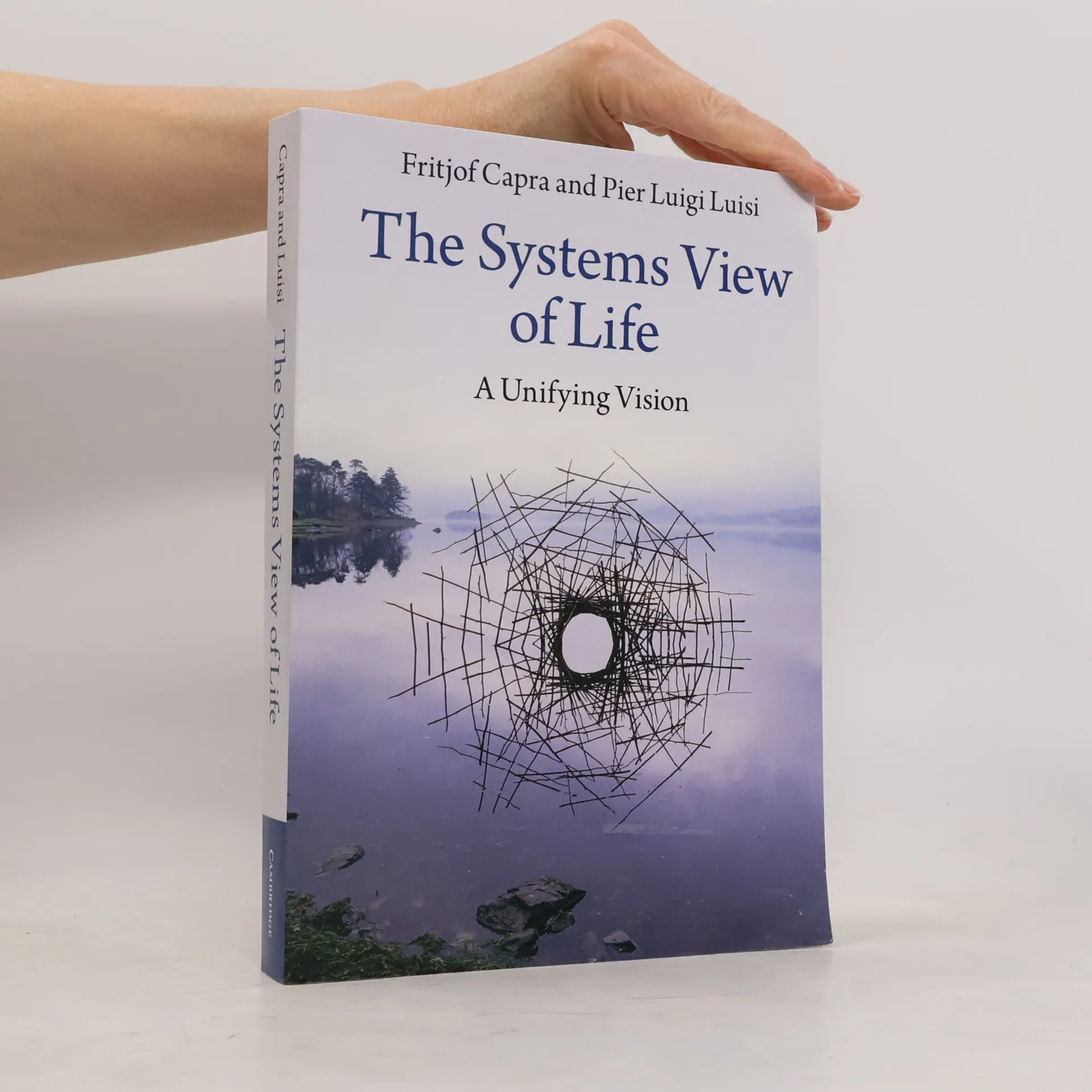
Over the past thirty years, a new systemic conception of life has emerged at the forefront of science. New emphasis has been given to complexity, networks, and patterns of organisation, leading to a novel kind of 'systemic' thinking. This volume integrates the ideas, models, and theories underlying the systems view of life into a single coherent framework. Taking a broad sweep through history and across scientific disciplines, the authors examine the appearance of key concepts such as autopoiesis, dissipative structures, social networks, and a systemic understanding of evolution. The implications of the systems view of life for health care, management, and our global ecological and economic crises are also discussed. Written primarily for undergraduates, it is also essential reading for graduate students and researchers interested in understanding the new systemic conception of life and its implications for a broad range of professions - from economics and politics to medicine, psychology and law.
Současníci Leonarda da Vinci o jeho průkopnickém vědeckém díle prakticky nevěděli. Fritjof Capra, americký vědec původem z Vídně, autor několika pozoruhodných knih (například Tao fyziky nebo Bod obratu), teď na základě prostudování více než 6000 stran, které se z Leonardových zápisníků dochovaly, přichází s tvrzením, že právě Leonardo je „otcem moderní vědy“. Svými výzkumy živých i neživých forem, od architektury a anatomie člověka až k vodním turbulencím nebo otázkám růstu rostlin, se stal průkopníkem empirického a systematického přístupu k pozorování přírody, jemuž se dnes říká vědecká metoda. Autor však čtenáři přiblíží nejen Leonarda-vědce, ale seznámí jej také s Leonardovým životním příběhem od uměleckých začátků ve Florencii až po poslední etapu jeho života na francouzském královském dvoře.
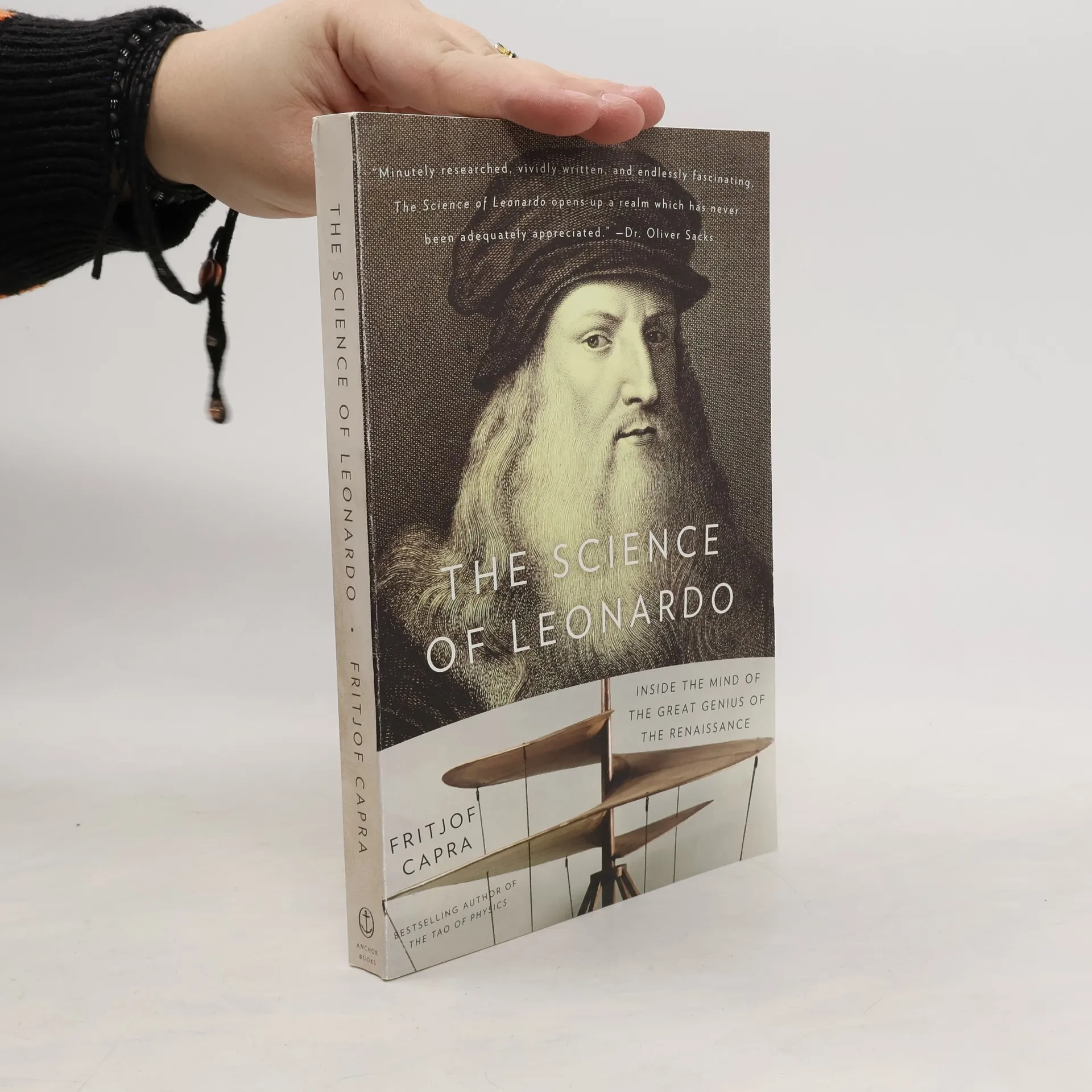
Leonardo da Vinci's scientific explorations were virtually unknown during his lifetime, despite their extraordinarily wide range. He studied the flight patterns of birds to create some of the first human flying machines; designed military weapons and defenses; studied optics, hydraulics, and the workings of the human circulatory system; and created designs for rebuilding Milan, employing principles still used by city planners today. Perhaps most importantly, Leonardo pioneered an empirical, systematic approach to the observation of nature-what is known today as the scientific method.Drawing on over 6,000 pages of Leonardo's surviving notebooks, acclaimed scientist and bestselling author Fritjof Capra reveals Leonardo's artistic approach to scientific knowledge and his organic and ecological worldview. In this fascinating portrait of a thinker centuries ahead of his time, Leonardo singularly emerges as the unacknowledged “father of modern science.”
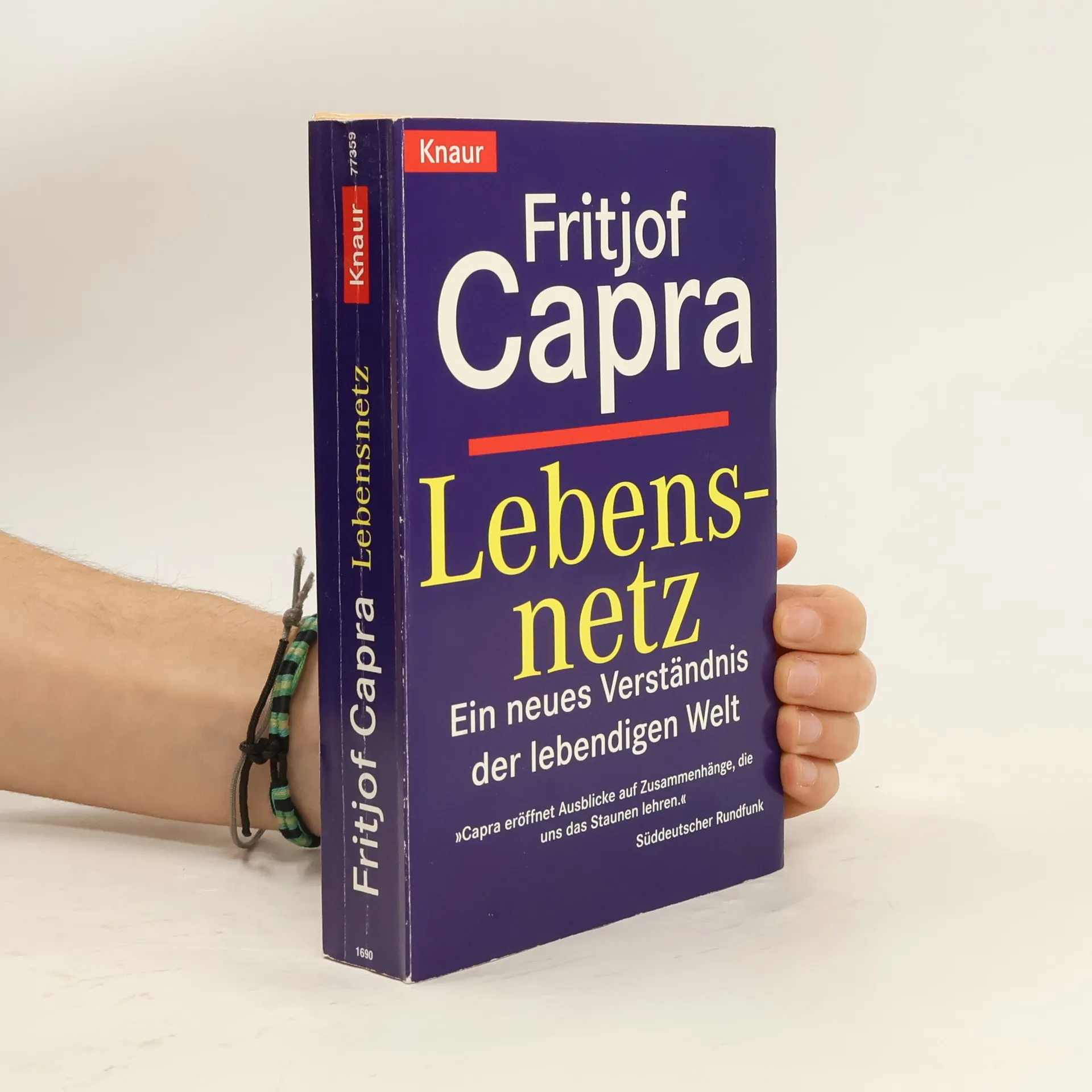
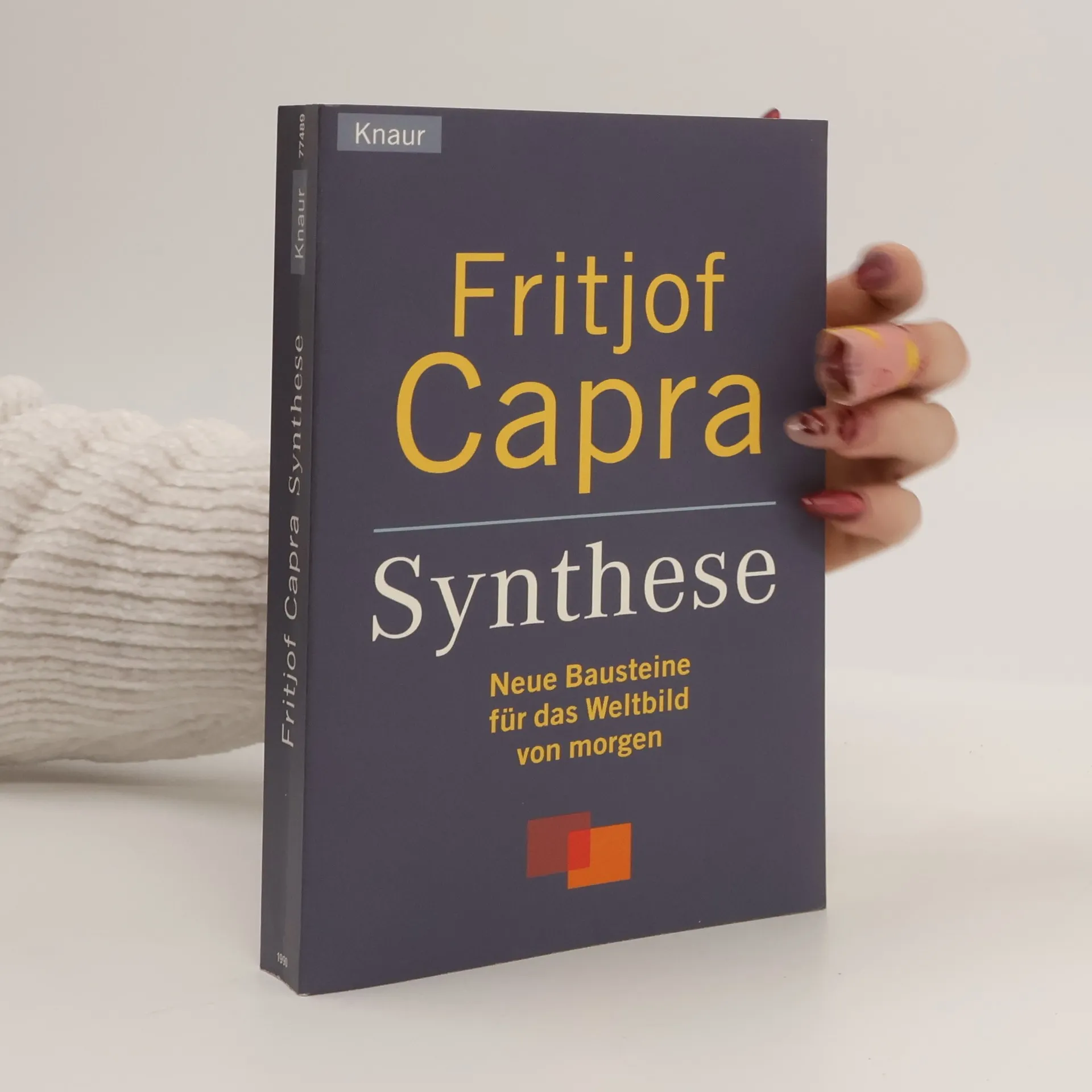
Capras unorthodoxe Synthese aus naturwissenschaftlicher Forschung, ökologischer Ethik und spiritueller Selbsterfahrung stellt die bisherigen Grundlagen von Politik, Wirtschaft und Wissenschaft in Frage. Die entscheidende Herausforderung dieses neuen Jahrhunderts besteht darin, eine ökologisch nachhaltige Gemeinschaft zu schaffen, um unser Überleben zu garantieren. Das aber - so Capras These - kann nur gelingen, wenn wir auch soziale Strukturen als lebendige Systeme begreifen. Jedes der entscheidenden Gebiete - Wirtschaft, Politik, Wissenschaft und Gesellschaft - unterzieht Capra deshalb einer kritischen Analyse und zeigt die Gefahren, Herausforderungen und ethischen Probleme auf (Stichworte u. a.: Globalisierung, Biotechnik, Umweltverschmutzung, Überbevölkerung, Rohstoffknappheit). Das Ergebnis seiner Bestandsaufnahme macht klar: Naturwissen- schaften und Sozialwissenschaften müssen eine gemeinsame Sprache finden - nur so lassen sich die Probleme der Zukunft lösen. Mit seinem Buch 'Verborgene Zusammenhänge' legt Capra ein Modell für ein zukünftiges System vor.
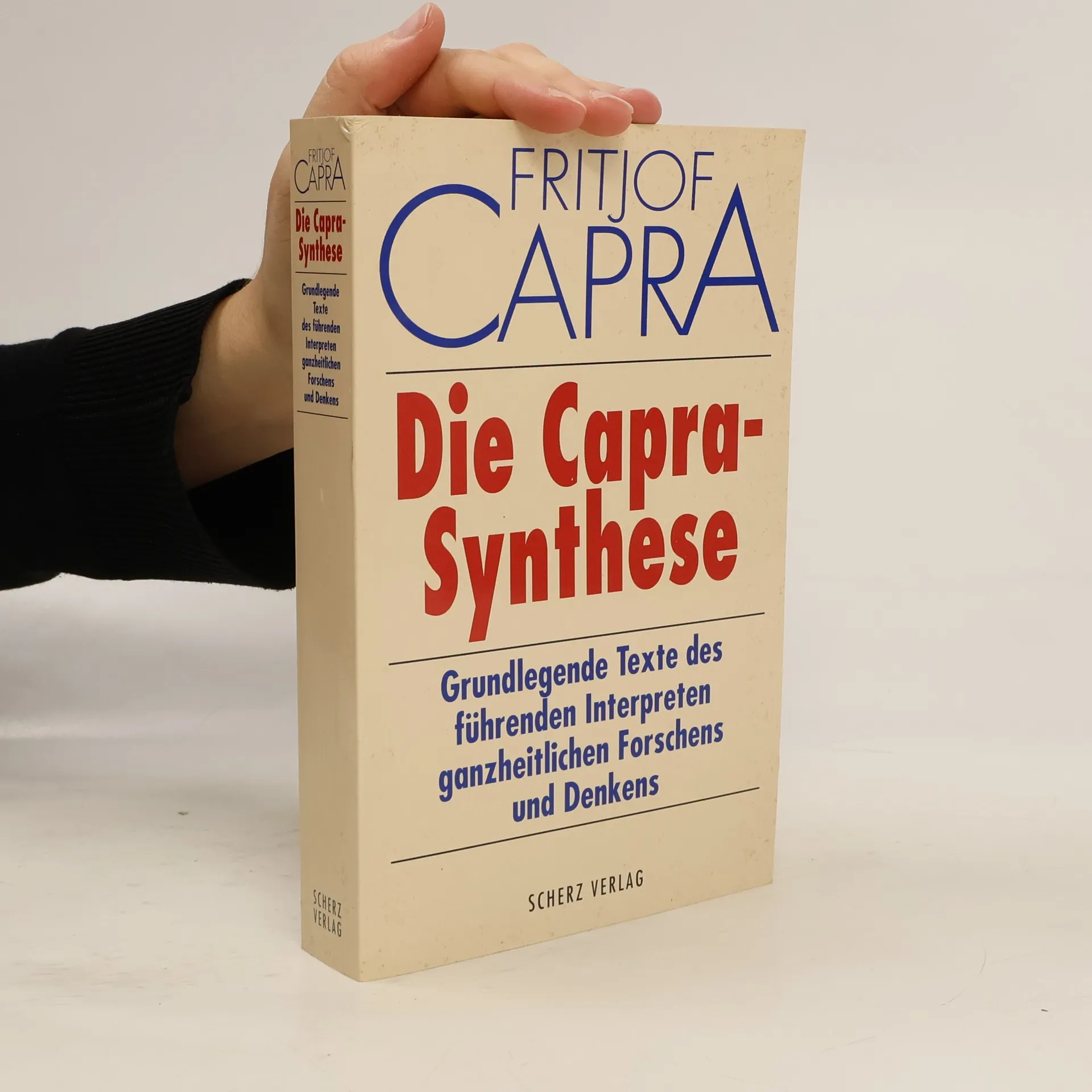
Die Königsfrage aller Wissenschaft und Philosophie lautet seit über zwei Jahrtausenden: "Was ist Leben?"Fritjof Capra führt die wichtigsten physikalischen, biologischen, kybernetischen und psychologischen Forschungsansätze zu einer Gesamtschau zusammen, die aufgrund ihrer Einzigartigkeit nur einen Namen verdient: die Capra-Synthese. (Dieser Text bezieht sich auf eine frühere Ausgabe.)
Fundamentalistische Tendenzen und das starre Festhalten an unzeitgemäßen Glaubenssätzen haben die christlichen Kirchen ins Kreuzfeuer der Kritik gebracht. Zahllose Gläubige fragen sich heute, ob und wie das von der traditionellen Theologie definierte Christentum mit einem lebendigen Glauben im heutigen Alltag zu vereinbaren ist. Doch wie die Autoren zeigen, gibt es innerhalb der Theologie ernst zu nehmende Ansätze zu einem ganzheitlich ökologisch orientierten Neuen Denken.Von grundlegenden theologischen Fragen wie dem Alleingültigkeitsanspruch über das patriarchale Denken und die Stellung der Frau in der Kirche bis zur weltweiten Ökumene und der Rolle des Menschen bei der Bewahrung der Schöpfung – das Gespräch zwischen dem Atomphysiker Fritjof Capra, dem Benediktinerpater David Steindl-Rast und dem Theologiehistoriker Thomas Matus vermittelt engagierten Christen richtungweisende Denkanstöße.(Dieser Text bezieht sich auf eine frühere Ausgabe.)
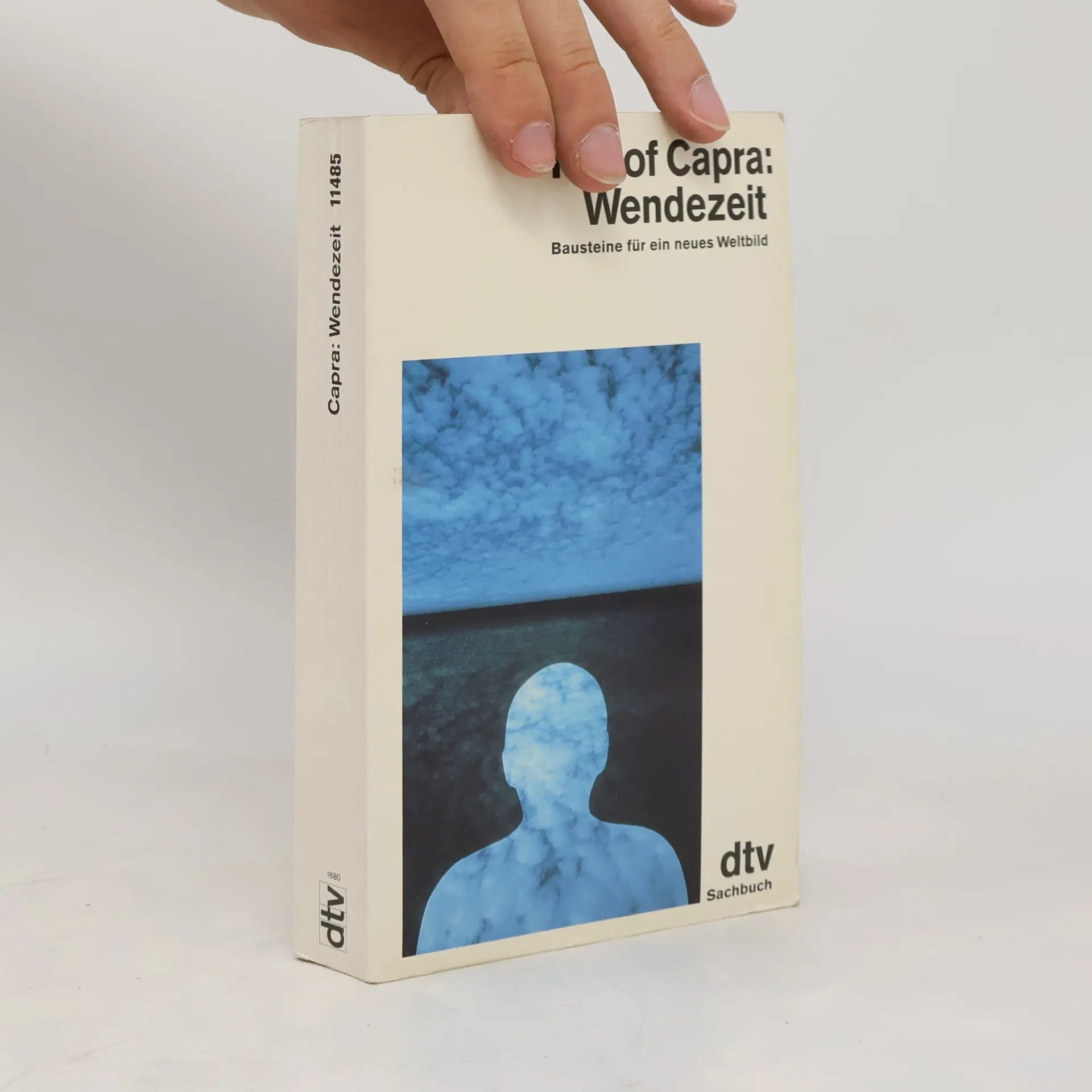
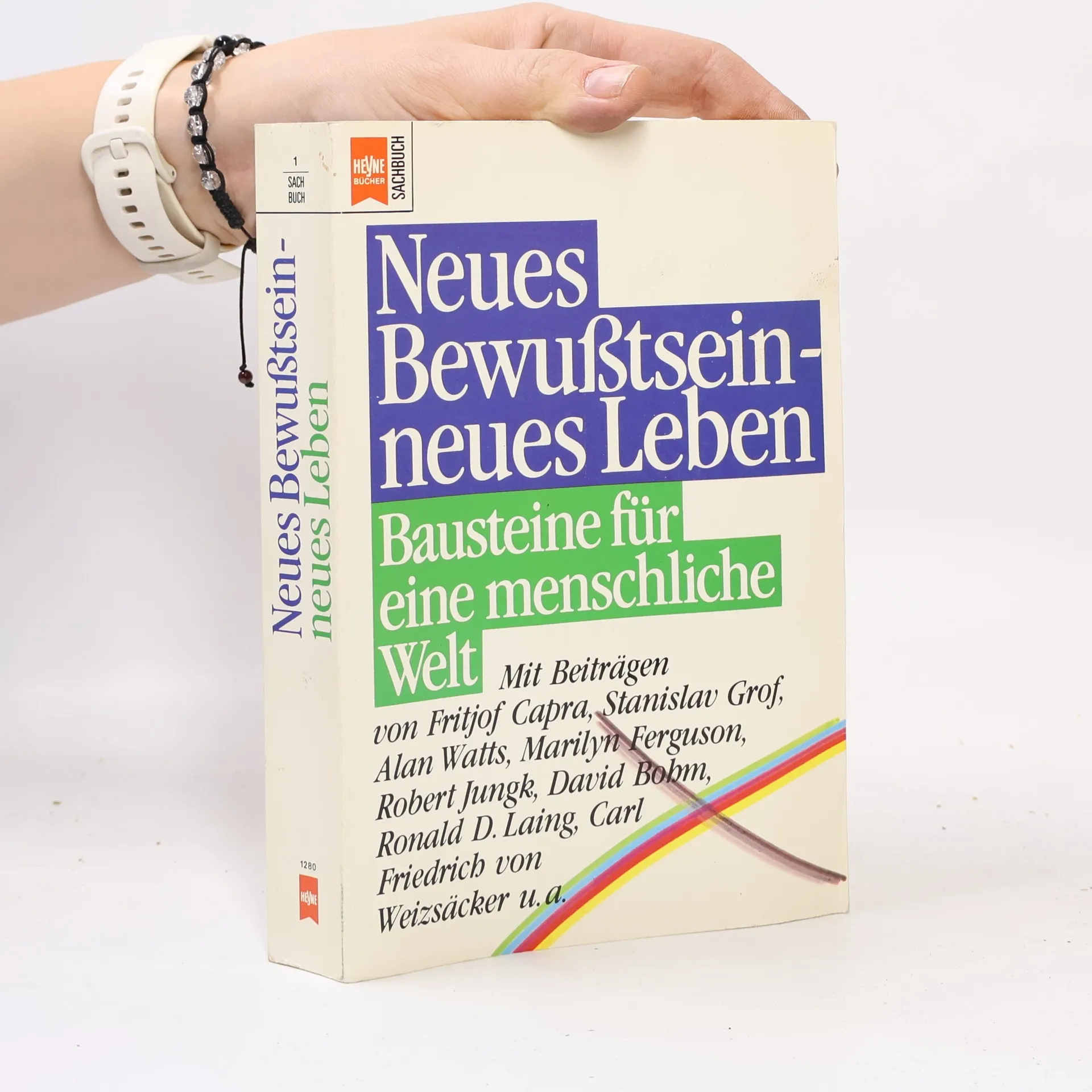
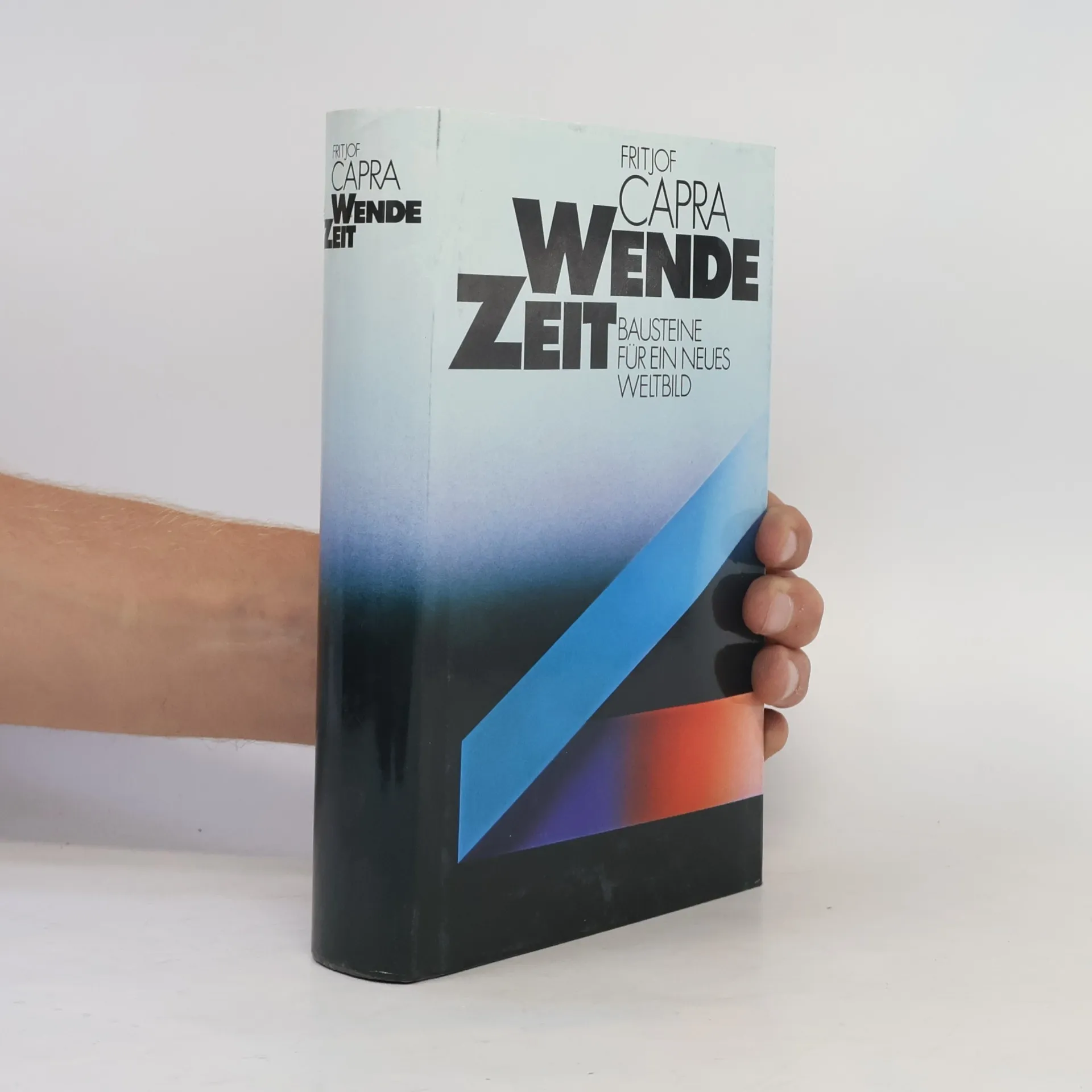
In dieser Darstellung der Entstehung eines ganzheitlichen Weltbilds, in Capras Begegnungen und Gesprächen mit den Wegbereitern der Wendezeit lernen wir jene Avantgarde der Wissenschaft kennen, die nicht mehr an das Trugbild von der Wertfreiheit der Wissenschaft glaubt, sondern die sich engagiert für eine von Verantwortung getragene Werteordnung.Capra läßt nicht nur das Denken, sondern auch die Persönlichkeit der bedeutenden Vordenker des Umbruchs in Wissenschaft und Gesellschaft hervortreten und macht damit erfahrbar, worum es ihnen in erster Linie geht: um eine menschliche Welt und eine menschenwürdige Zukunft. (Dieser Text bezieht sich auf eine frühere Ausgabe.)
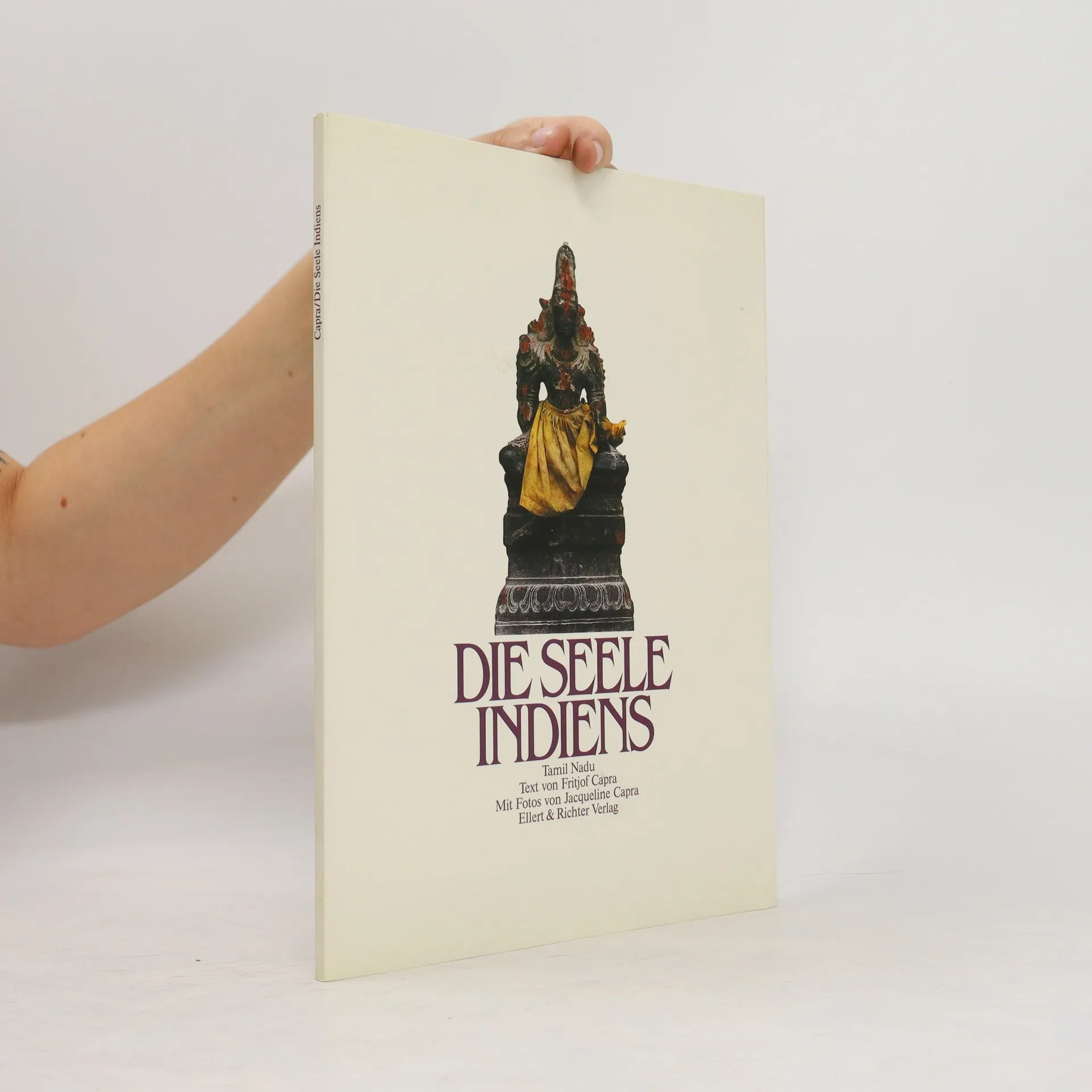
Bild-Text-Band über den südlichen indischen Bundesstaat - die Heimat einer der ältesten Zivilisationen der Welt -, der wichtige Einblicke in die Seele Indiens und das Wesen der Menschen vermittelt.
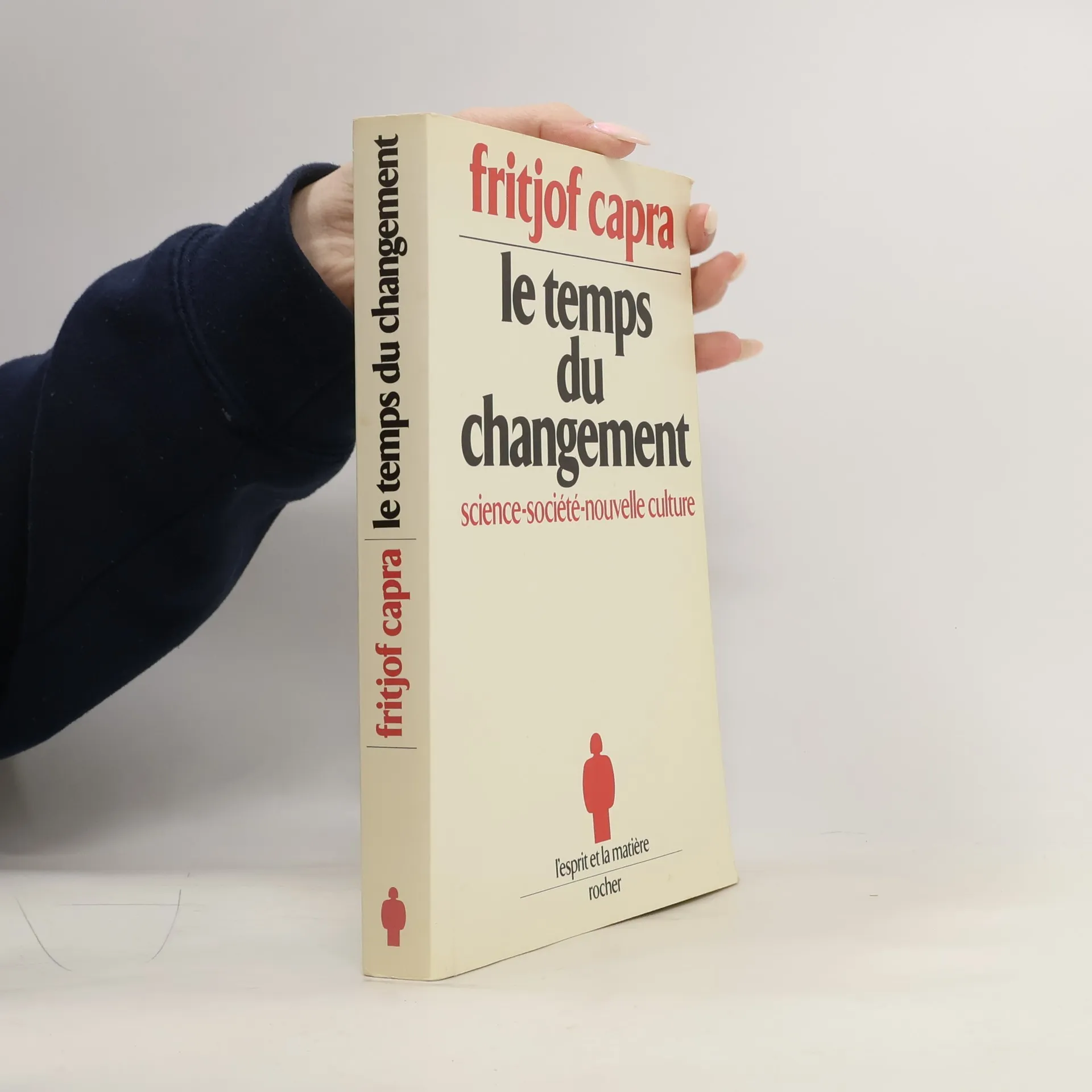
Dans un ouvrage précédent, ##Le tao de la physique##, l'auteur mettait en parallèles la physique moderne et l'ancienne sagesse orientale. Il propose maintenant une nouvelle vision de la réalité, basée "sur une approche holistique des phénomènes, c'est-à-dire globale et non fractionnée. Penser globalement, agir localement est une clé majeure de cette vision systémique". A lire sans tarder.
Der Autor (Professor für Physik) entwirft ein alternatives Weltbild auf der Grundlage intuitiven Denkens, dabei werden Fragen der Physik, Biologie, Psychologie, Wirtschaft berührt
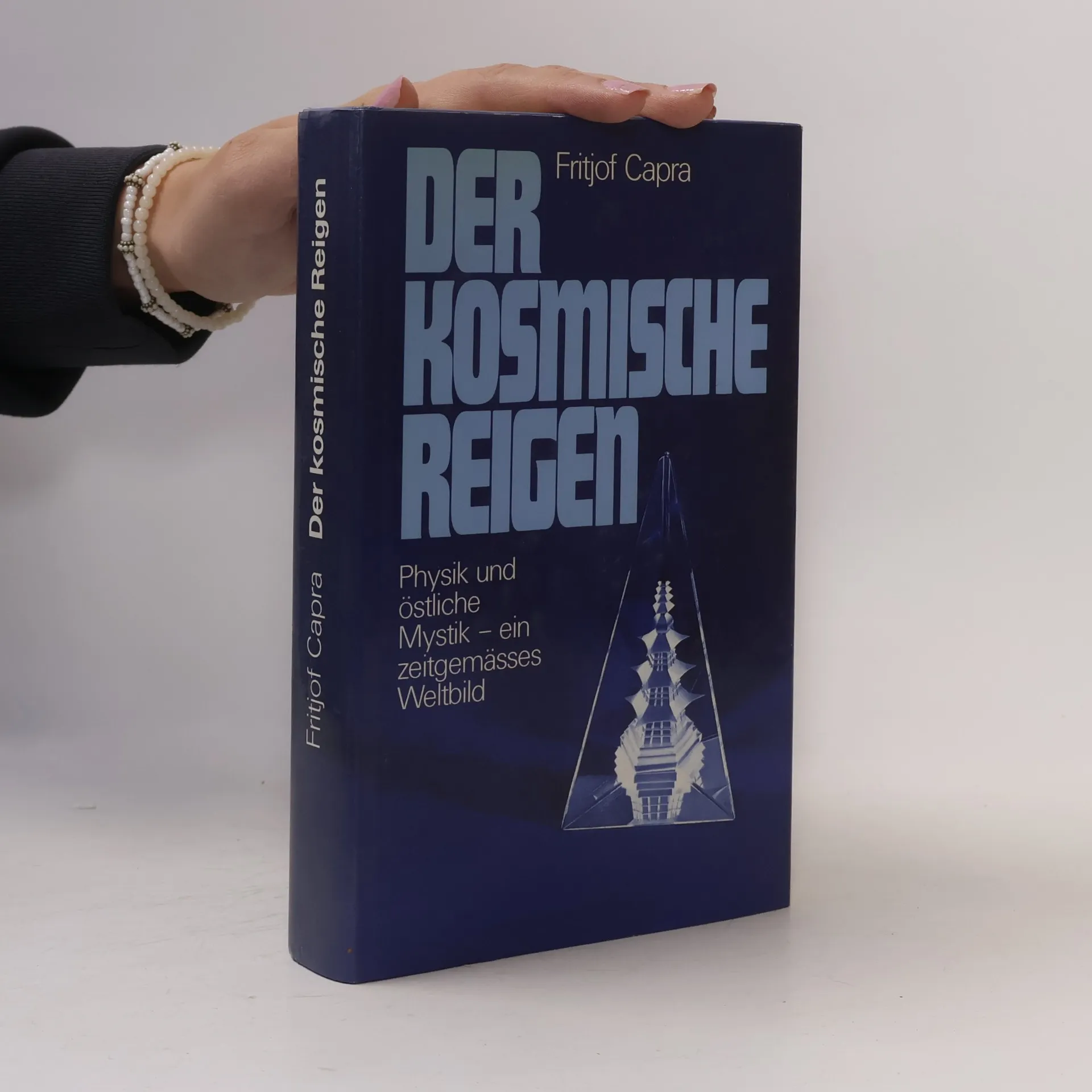
Mit der Revolutionierung unseres Weltbildes durch die moderne Naturwissenschaft haben bereits Forscher wie Einstein, Bohr, Planck und andere das Denken in Richtung auf ein ganzheitliches Weltverständnis und die alten fernöstlichen Weisheitslehren gelenkt. Der bekannte Atomphysiker Capra hat es vor wenigen Jahren unternommen, Parallelen und Übereinstimmungen zwischen mystischer Erfahrung und wissenschaftlicher Denkweise zu ergründen und nachzuweisen. Die von ihm festgestellte Konvergenz der Aussagen von moderner Physik und östlicher Philosophie führt zu einem ganz neuen Bild unserer Welt. In dieser Welt wird der Mensch nur dann weiter vorankommen, wenn er die wissenschaftliche Erfahrung mit der mystischen Dimension seines Daseins verbindet und wenn er beides in sein Denken und Handeln mit einbezieht.