

Gratisversand in ganz Deutschland!
Bookbot

Philip Hoare

    Philip Hoare ist ein Autor, der in die Tiefen der menschlichen Psyche und Natur eintaucht. Seine Werke, oft vom Meer inspiriert, erforschen Themen wie Identität, Kunst und die verlorene Welt. Hoare zeichnet sich durch einen reichen und seltsamen Stil aus, der die Leser in fantastische Geschichten hineinzieht. Seine Arbeiten werden für ihre Tiefe und Vorstellungskraft geschätzt und sichern ihm einen einzigartigen Platz in der Literatur.

    Oscar Wilde's Last Stand: Decadence, Conspiracy, and the Most Outrageous Trial of the Century
    Albert and the Whale: Albrecht Dürer and How Art Imagines Our World
    Albert & the Whale
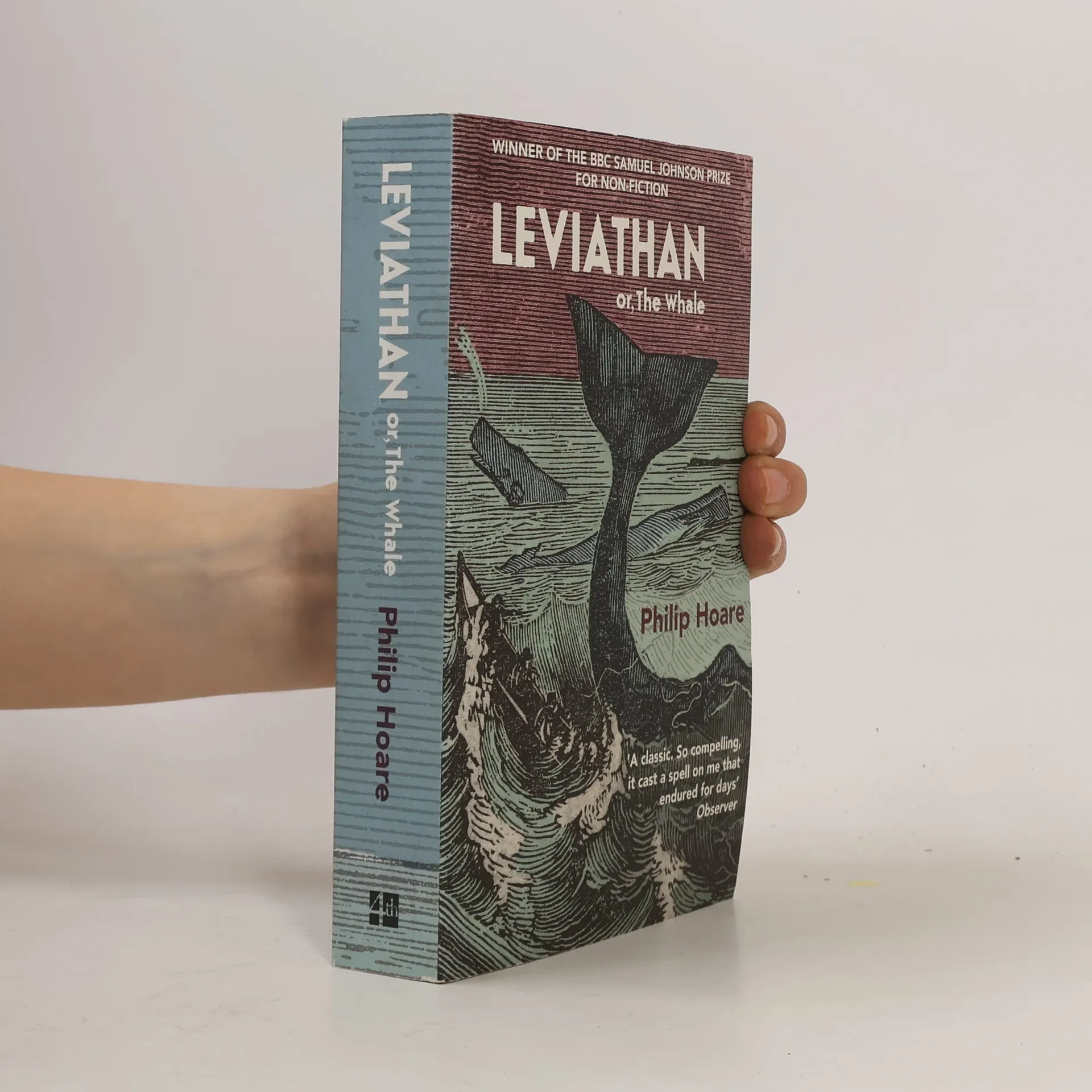
    Leviathan, or The Whale. Leviathan oder Der Wal, englische Ausgabe
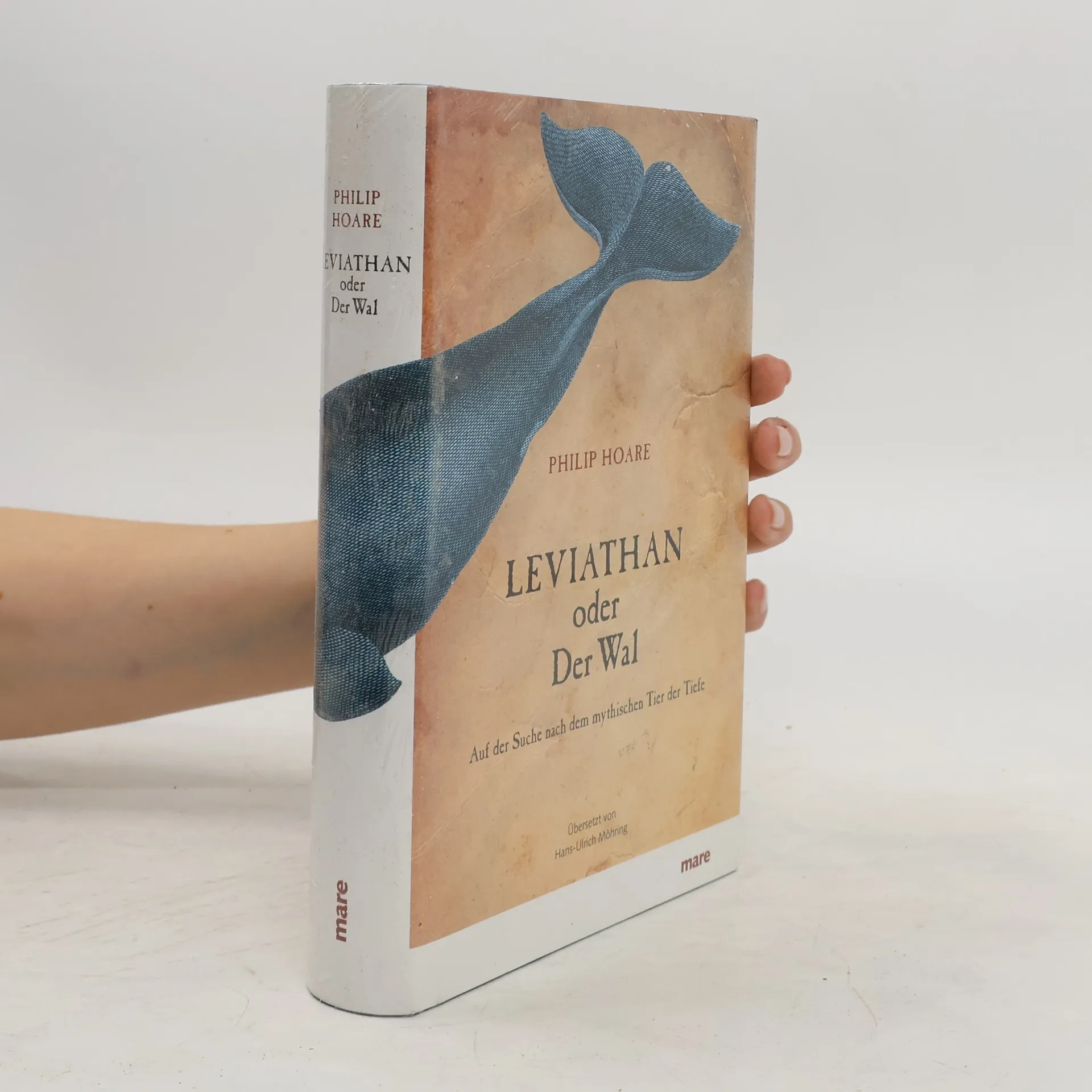
    Leviathan oder der Wal
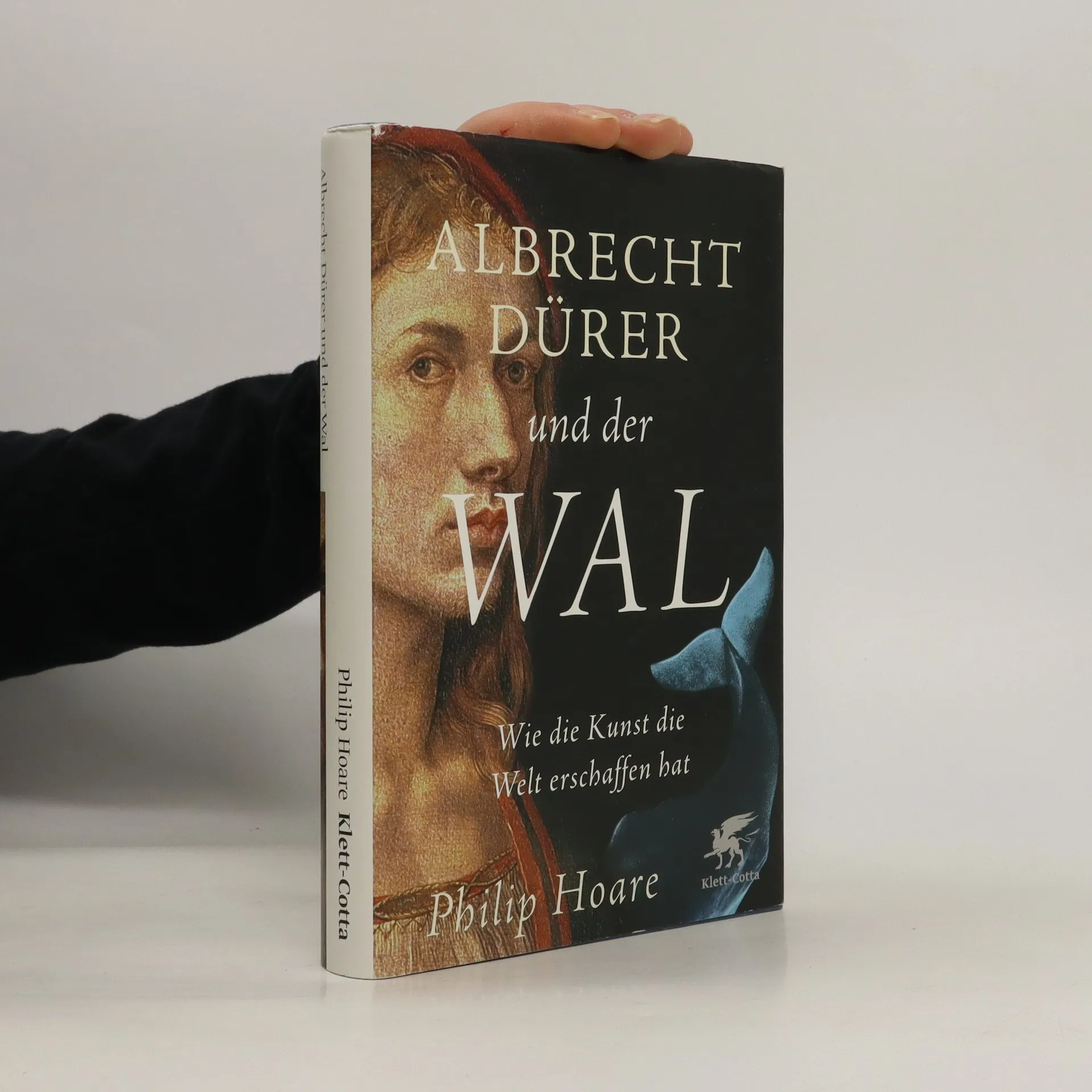
    Albrecht Dürer und der Wal
    • Albrecht Dürer hinterließ einen beeindruckenden künstlerischen Kosmos, der bis heute die Betrachtung der Wirklichkeit in ihrer Fülle und Tiefe widerspiegelt. 1520 reiste Dürer in die Niederlande, um ein sagenumwobenes Ungeheuer, einen Wal, zu sehen. Niemand hatte zuvor die gesamte Natur so eindrucksvoll festgehalten wie er: von Grashalmen und Tieren bis hin zu apokalyptischen Szenen und Selbstporträts. Dürer verdichtete die Macht und Unheimlichkeit seiner Zeit in seinen Kunstwerken und wollte einen Leviathan zeichnen, um dessen bedrohliche Kraft zu überwinden. Philip Hoare beleuchtet Dürers Modernität und seine erstaunlichen Perspektiven, die bis in die Gegenwart reichen. Seine leidenschaftliche Darstellung verwandelt Dürers Vision des Dunklen, Schönen und Fremden in ein überwältigendes Leseerlebnis. Kritiker loben Hoares Werk als berauschend und voller lebendiger Einsichten. Es wird als harmonisch und wohlkonzipiert beschrieben, das die natürliche Welt lebendiger erscheinen lässt als die Realität. Hoares Buch wird als eine großartige Kulturgeschichte des Wals gefeiert, die Elemente von Reisereportage und Sachbuch vereint. Es ist eine Fundgrube für alle, die von Moby-Dick fasziniert sind.

      Albrecht Dürer und der Wal
    • Leviathan oder der Wal

      Auf der Suche nach dem mythischen Tier der Tiefe

      3,8(122)Abgeben

      ›Moby-Dick‹ ist ein Buch, das durch seinen Wal legendär wurde – aber umgekehrt wird ebenfalls ein Schuh draus: Seit der Roman von Herman Melville 1851 veröffentlicht wurde, hat man Wale mit anderen Augen gesehen. Aus einem bereits legendären, mythischen Tier schuf Melville einen modernen Mythos. Philip Hoare, seit jeher fasziniert von Walen, versucht in ›Leviathan‹ seiner Besessenheit auf den Grund zu gehen. Warum haben Wale eine so starke Anziehungskraft auf den Menschen? Warum spielen sie in unserer Fantasie immer wieder eine Rolle, verschmelzen darin mit dunklen Vorstellungen von Seeschlangen und anderen vorsintflutlichen Riesenwesen? Ist der Wal ein Symbol paradiesischer Unschuld in Zeiten der Artenbedrohung und des Klimawandels? Oder eher ein uraltes Sinnbild für das Böse schlechthin, ein bizarrer Fisch, der Jona verschluckt hat? Besuche im Londoner Natural History Museum während der Kindheit, die erste (und die zweite) ›Moby-Dick‹-Lektüre, zahlreiche Whale-Watching-Touren, eine Fahrt von Nordengland nach Cape Cod und zur Mitte des Atlantiks: Der Autor unternimmt nicht nur eine persönliche und biografische Reise, sondern auch eine (kultur-)historische; er erzählt seine eigene Geschichte einer Leidenschaft und liefert zugleich erhellende Antworten auf die Frage, was das Faszinosum Wal ausmacht.
      Leviathan oder der Wal
    • Albert & the Whale

      • 304 Seiten
      • 11 Lesestunden
      3,7(39)Abgeben

      A NEW STATESMAN BOOK OF THE YEAR AN OBSERVER BEST ART BOOK OF 2021 SHORTLISTED FOR THE RATHBONES FOLIO PRIZE 2022 'This is a wonderful book. A lyrical journey into the natural and unnatural world' Patti Smith 'Everything Philip Hoare writes is bewitching' Olivia Laing An illuminating exploration of the intersection between life, art and the sea from the award-winning author of Leviathan. Albrecht Dürer changed the way we saw nature through art. From his prints in 1498 of the plague ridden Apocalypse - the first works mass produced by any artist - to his hyper-real images of animals and plants, his art was a revelation: it showed us who we are but it also foresaw our future. It is a vision that remains startlingly powerful and seductive, even now. In Albert & the Whale, Philip Hoare sets out to discover why Dürer's art endures. He encounters medieval alchemists and modernist poets, eccentric emperors and queer soul rebels, ambassadorial whales and enigmatic pop artists. He witnesses the miraculous birth of Dürer's fantastical rhinoceros and his hermaphroditic hare, and he traces the fate of the star-crossed leviathan that the artist pursued. And as the author swims from Europe to America and beyond, these prophetic artists and downed angels provoke awkward questions. What is natural or unnatural? Is art a fatal contract? Or does it in fact have the power to save us?

      Albert & the Whale
    • In 1520, Albrecht Dürer, the most celebrated artist in Northern Europe, sailed to Zeeland to see a whale. A central figure of the Renaissance, no one had painted or drawn the world like him. Dürer drew hares and rhinoceroses in the way he painted saints and madonnas. The wing of a bird or the wing of an angel; a spider crab or a bursting star like the augury of a black hole, in Dürer's art, they were part of a connected world. Everything had meaning. But now he was in crisis. He had lost his patron, the Holy Roman Emperor. He was moorless and filled with wanderlust. In the shape of the whale, he saw his final ambition. But now he was in crisis. He had lost his patron, the Holy Roman Emperor. He was moorless and filled with wanderlust. In the shape of the whale, he saw his final ambition. But his art captured more than the physical world, he also captured states of mind. Albert and the Whale explores the work of this remarkable man through a personal lens. Drawing on Philip's experience of the natural world, and of the elements that shape our contemporary lives, from suburbia to the wide open sea, Philip will enter Dürer's time machine. Seeking his own Leviathan, Hoare help us better understand the interplay between art and our world in this sublimely seductive book

      Albert and the Whale: Albrecht Dürer and How Art Imagines Our World
    • The narrative presents a gripping exploration of heroes and villains, intertwining their complexities in a way that is both enlightening and disturbing. It delves into moral ambiguities and the human condition, leaving readers questioning their perceptions of right and wrong. Acclaimed by Sir Ian McKellen, this notable work of the year challenges conventional storytelling, offering a profound reflection on the nature of heroism and villainy.

      Oscar Wilde's Last Stand: Decadence, Conspiracy, and the Most Outrageous Trial of the Century
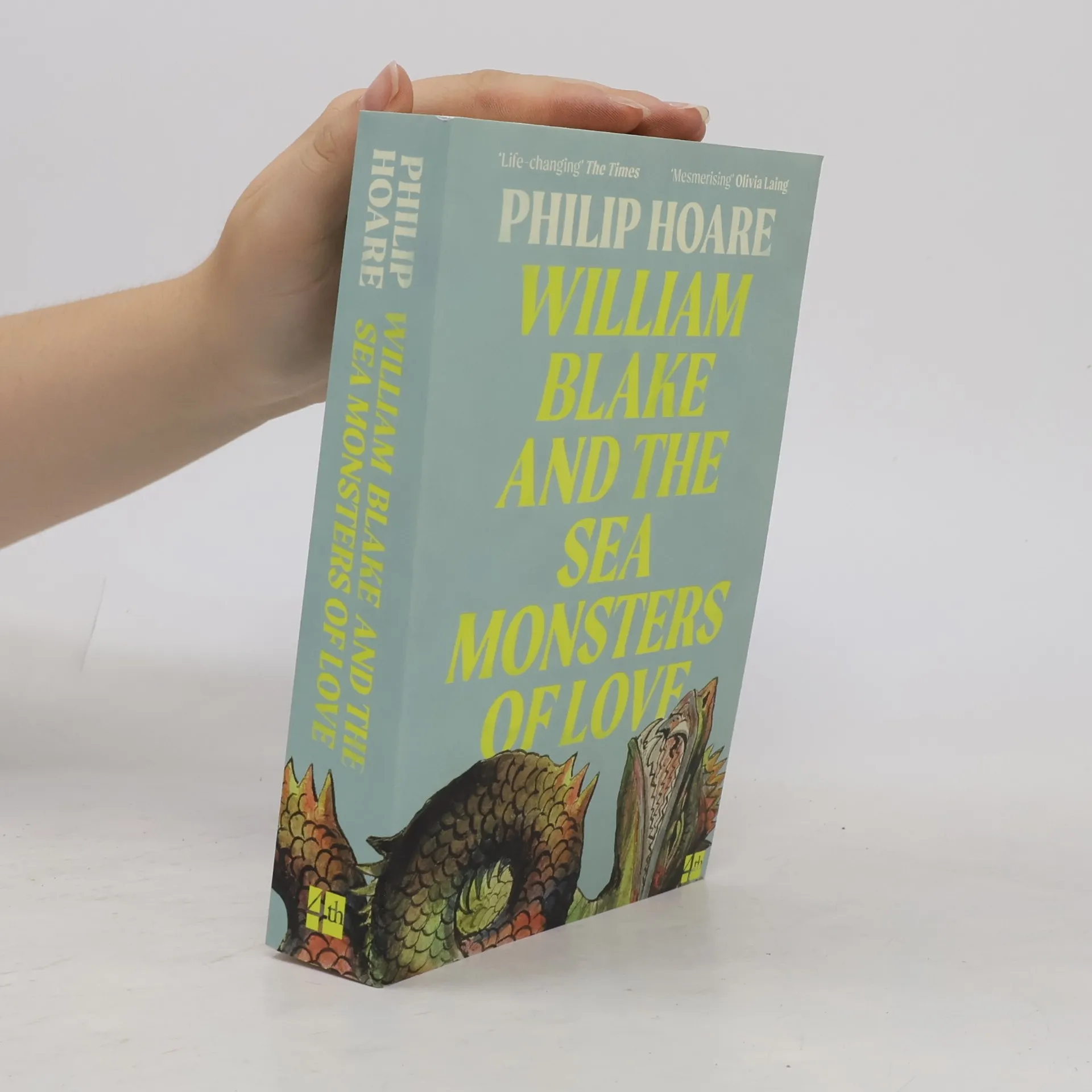
    • William Blake & The Sea Monsters of Love

      How One Visionary Inspired Two Hundred Years of Art, Poetry & Protest

      • 304 Seiten
      • 11 Lesestunden

      Exploring the life of an overlooked yet talented artist, the narrative delves into the complexities of creativity and recognition. It examines the struggles and triumphs of an individual whose work remains largely unappreciated by the public. Through a blend of personal anecdotes and artistic insights, the story highlights themes of passion, perseverance, and the often-unseen impact of art on society. The journey invites readers to reflect on the nature of fame and the true value of artistic expression.

      William Blake & The Sea Monsters of Love
    • A book in the Tate’s “Look Again” series (the first book of the second set of four), which aim to “open up the conversation about British art over the last 500 years, and explore what art has to tell us about our lives today.”“Author Philip Hoare takes us on an exploration of the sea and the way it has provided a deep source of inspiration for artists featured in the Tate collection, from William Blake to Maggi Hambling”

      Look Again: The Sea