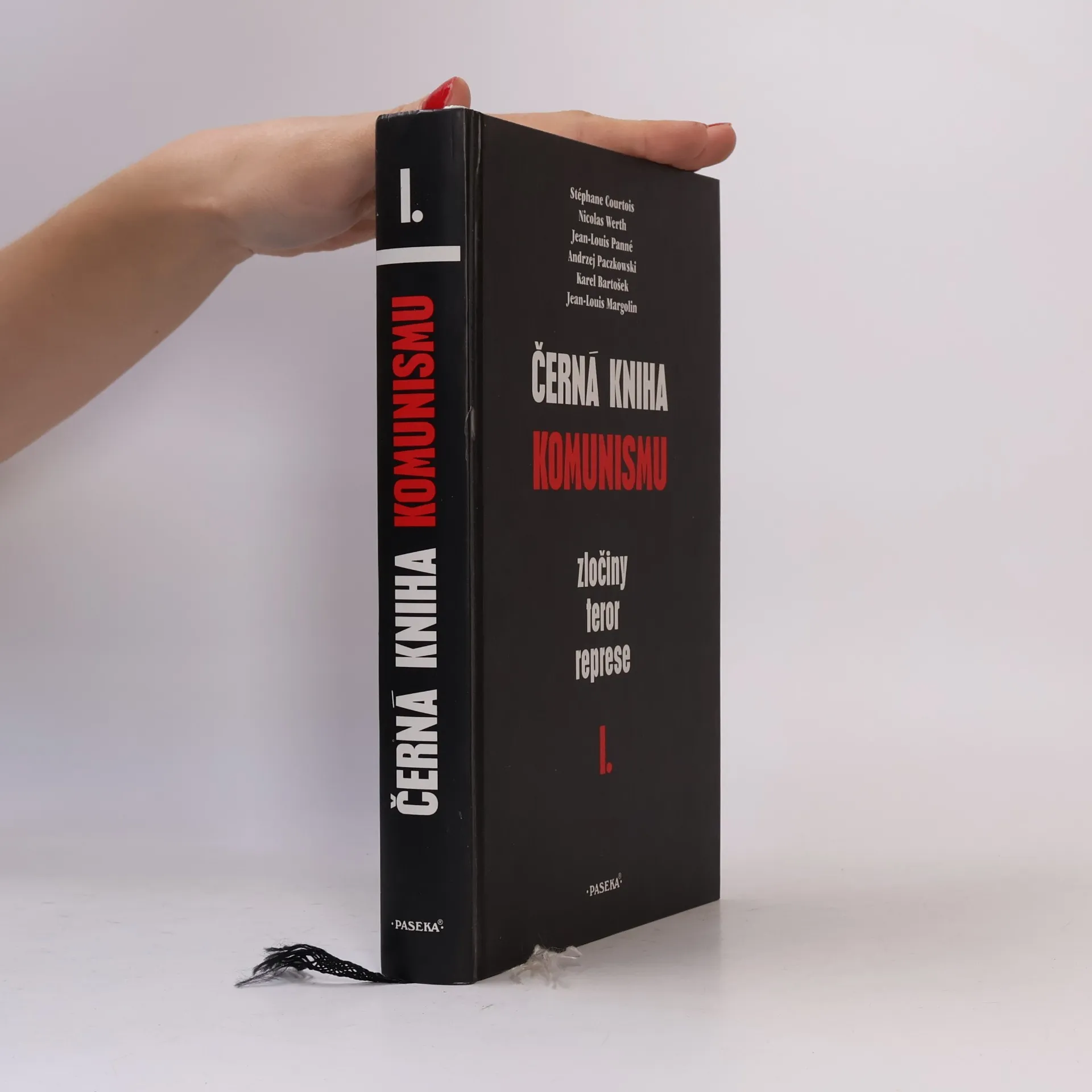
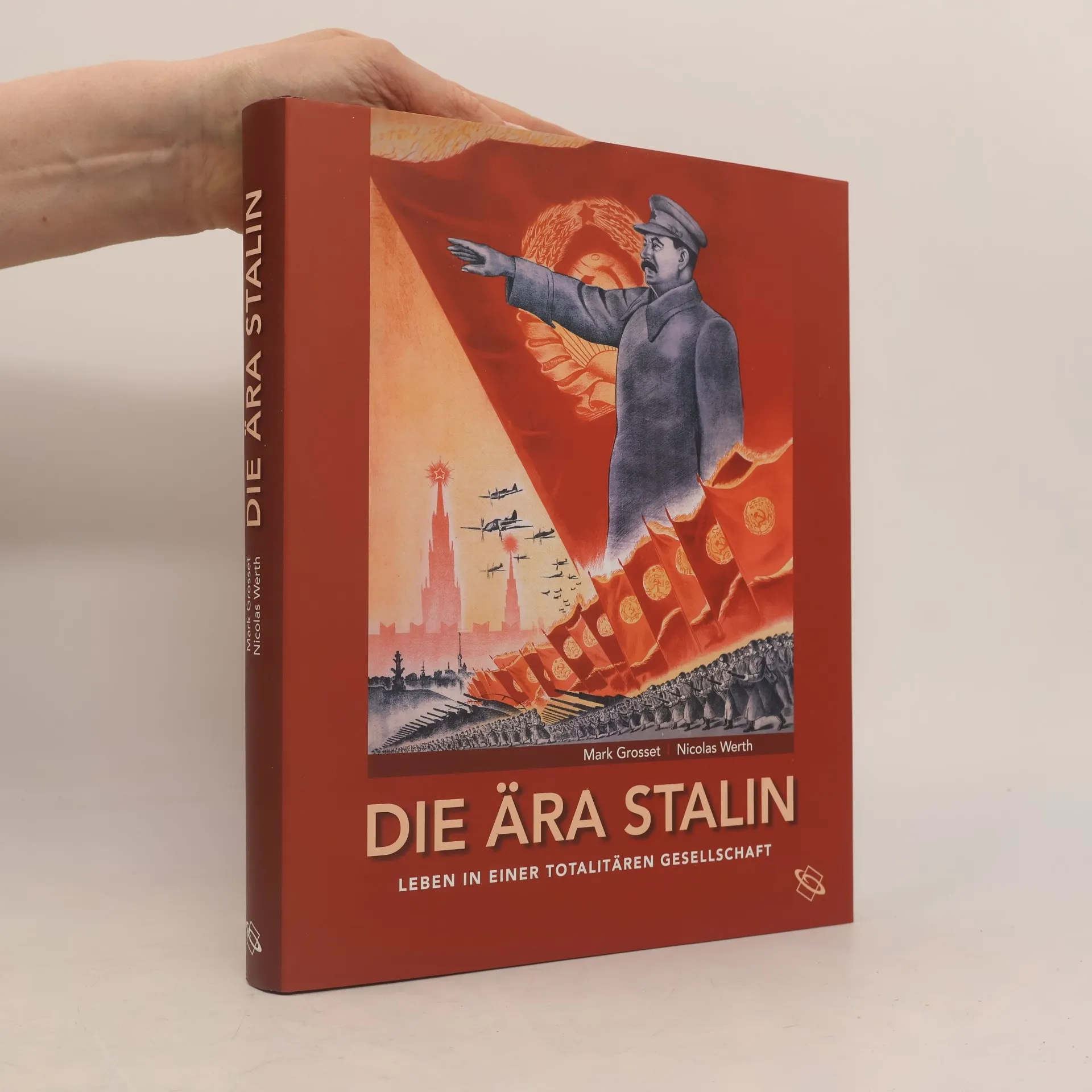
Aus dem Franz. von Irmela Arnsperger ... Sonderausgabe 1999 987, [32] S. : Ill. ; 23 cm gebundene Ausgabe, Hardcover, Lesebändchen, ohne OSU Buch sehr gut u. sauber, themenbezogener Zeitungsartikel beiliegend
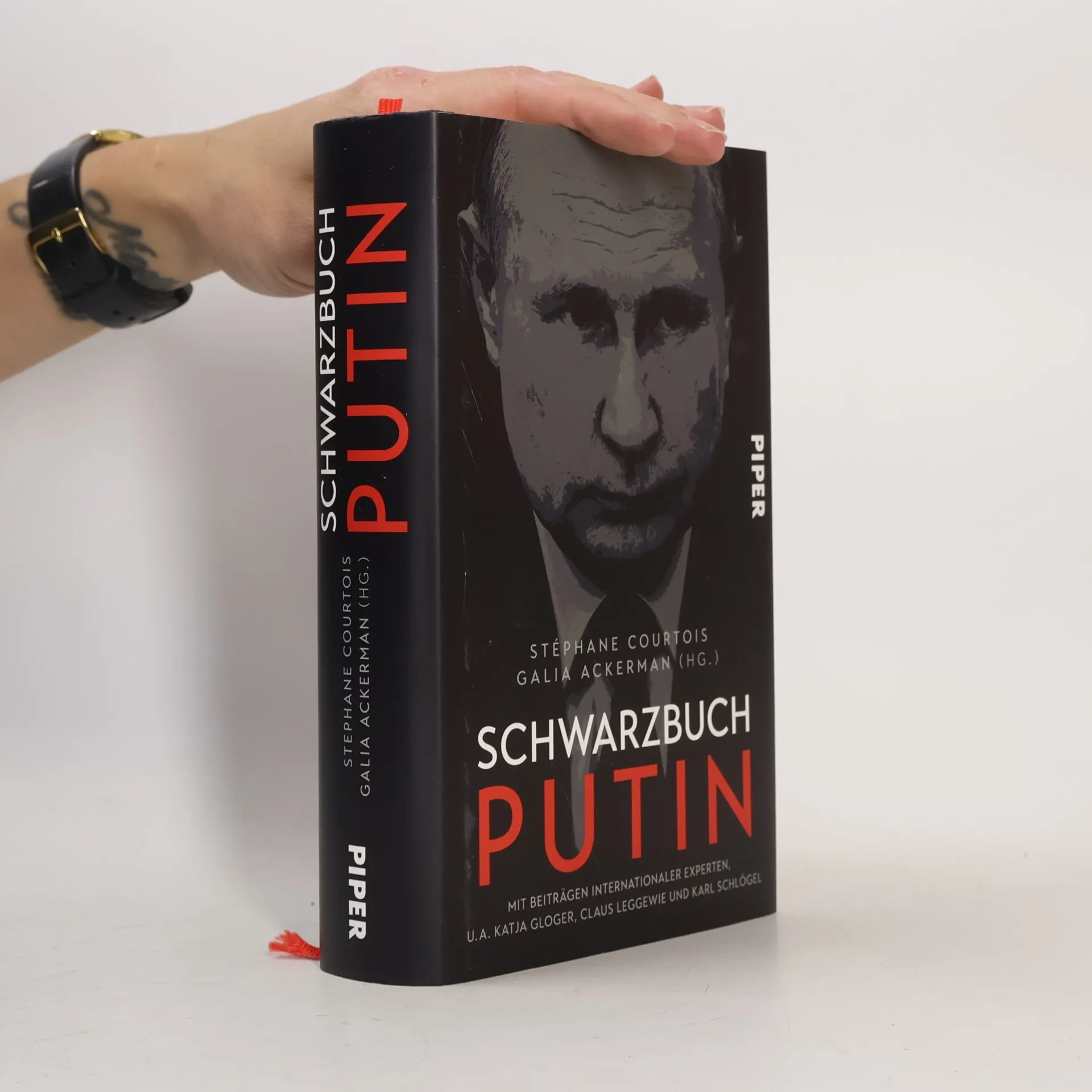
Am 24. Februar 2022 begann Wladimir Putin mit dem Angriff auf die Ukraine, was das weltweite politische und ökonomische Gleichgewicht erschütterte. Dieser Krieg bringt unzählige menschliche Tragödien und immense materielle Zerstörungen mit sich und wirft die zentrale Frage auf: Wer ist dieser Mann, der aus dem Zusammenbruch der Sowjetunion keine Lehren zieht und von der Rückkehr zu den Grenzen des Zarenreichs träumt?
Geboren 1952 in Leningrad, wuchs Putin in einfachen Verhältnissen auf und war schon früh von der Idee fasziniert, für den KGB zu arbeiten. Welche Rolle spielte er dort vor dem Zusammenbruch der Sowjetunion? Wie gelang es dem bescheidenen Oberstleutnant, an die Spitze der Macht zu gelangen? Was motivierte ihn zu mehreren mörderischen Kriegen, und woher stammt seine Obsession für die Ukraine? Selbst wenn er eines Tages seine Position verlieren sollte, wird sein Regime Bestand haben?
Das „Schwarzbuch Putin“ bietet Antworten auf diese drängenden Fragen und beleuchtet Putins Werdegang sowie die Ideologien, die seine Entscheidungen prägen. Renommierte internationale Expertinnen und Experten für Russland und Kommunismus, darunter Katja Gloger, Claus Leggewie und Karl Schlögel, liefern exklusive Beiträge zu diesem Thema.
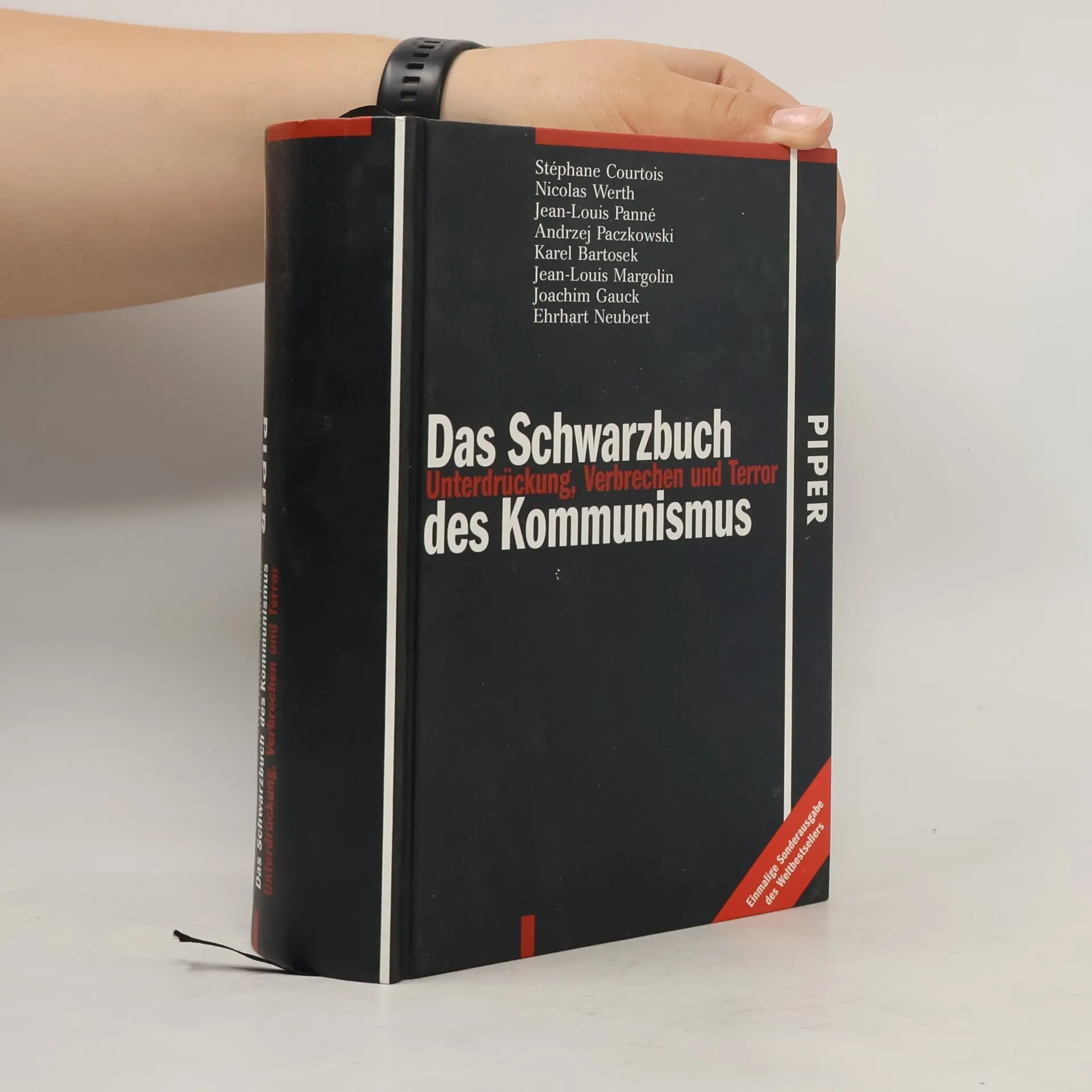
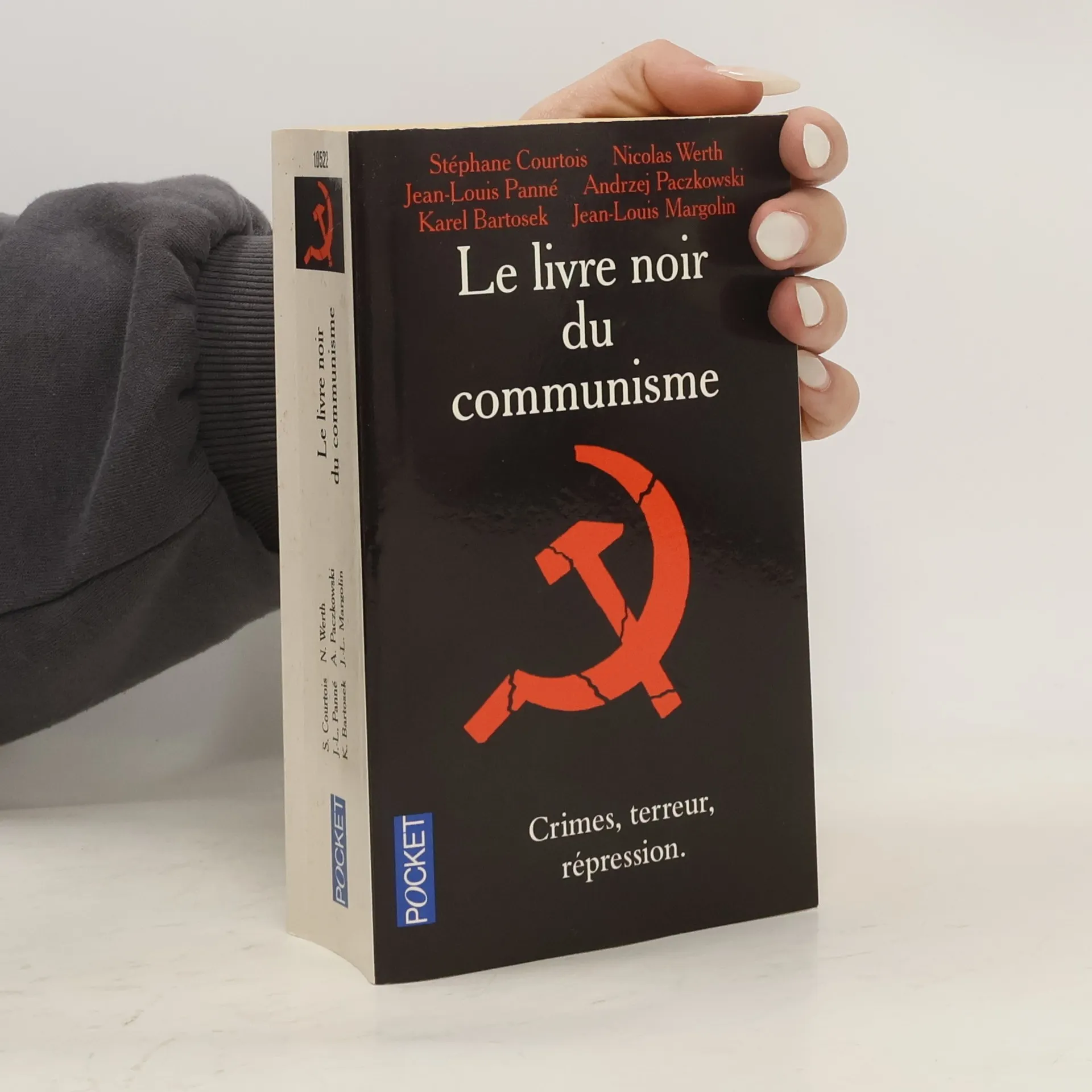
Sur une tragédie de dimension planétaire, 80 ans après le coup d'Etat bolchevique, le premier livre de référence. Comment un idéal d'émancipation, de fraternité universelle, se retourna-t-il au lendemain même d'octobre 1917 en doctrine de la toute puissance de l'État ? Comment pratiqua-t-il la discrimination systématique de groupes sociaux ou nationaux entiers et recourut-il aux déportations de masse et aux massacres gigantesques ? Le voile de la dénégation peut enfin être pleinement déchiré. Le rejet du communisme par la plupart des peuples concernés, l'ouverture de nombreuses archives, hier encore secrètes, mettent en lumière la face la plus sombre des pays communistes. Une équipe d'historiens et d'universitaires a entrepris, continent par continent, pays par pays, de dresser le bilan le plus complet possible des méfaits commis sous l'enseigne du communisme : les lieux, les dates, les faits, les bourreaux, les victimes qui se comptent par dizaines de millions en ex-URSS et en Chine, par millions dans de petits pays comme la Corée du Nord et le Cambodge.
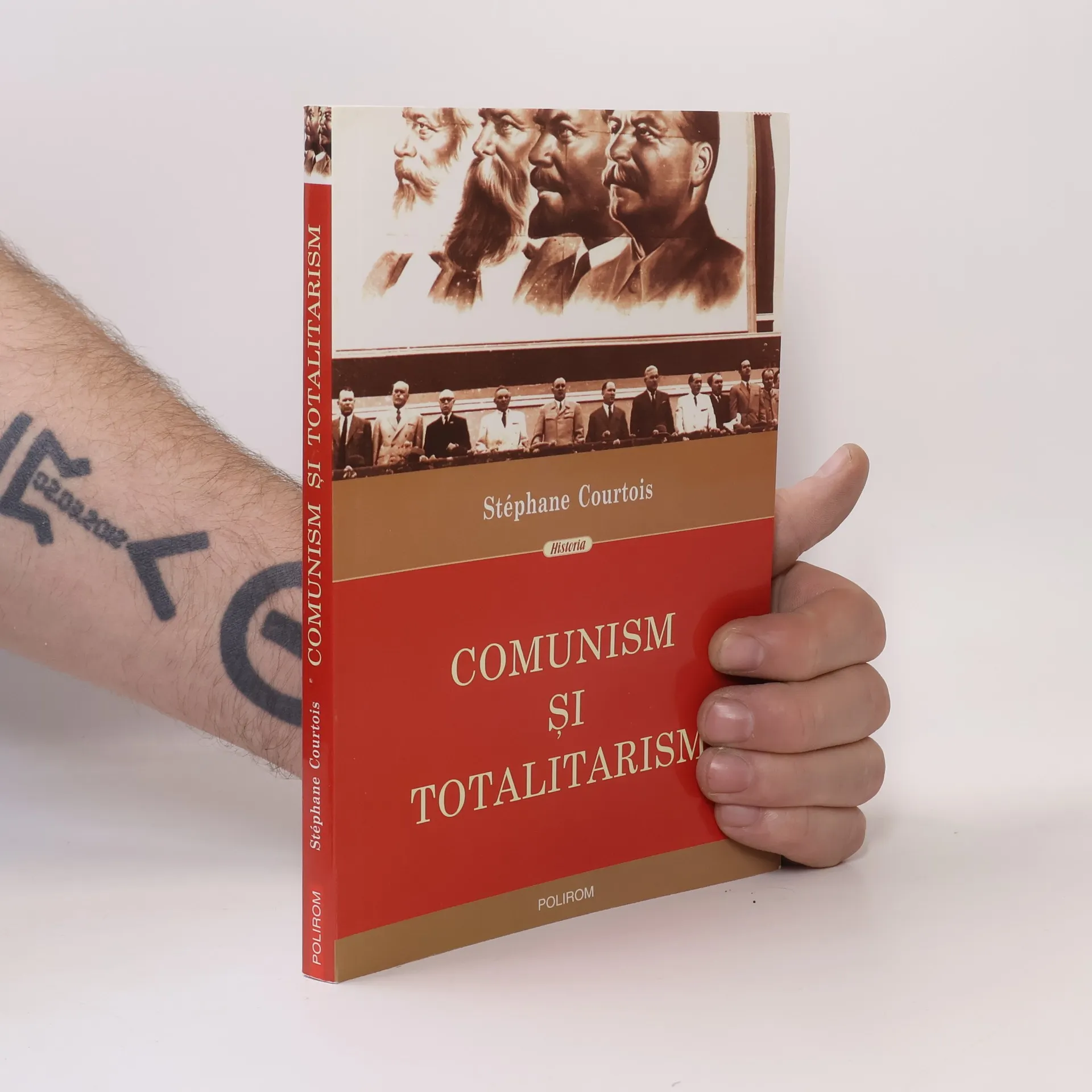
Dupa doua decenii de la caderea Zidului Berlinului, Stéphane Courtois formuleaza o serie de teze privitoare la originea si evolutia totalitarismului. In opozitie cu tezele traditionale ale lui Hannah Arendt si George Mosse, care vad radacinile totalitarismului in statul nazist si in cel stalinist, Courtois subliniaza rolul fundamental al lui Lenin si al bolsevismului in aparitia acestui fenomen politic. Pe baza informatiilor extrase din arhivele de la Moscova, el redefineste rolul lui Stalin si natura crimelor in masa comise de regimurile comuniste – asa-numitul „genocid de clasa”, singurul fenomen care poate explica foametea din Ucraina sau asasinatele din Cambodgia. In final analizeaza memoria tragica a comunismului in Europa Centrala si de Est, memoria glorioasa a comunismului in Europa Occidentala – in special in Franta – si memoria paradoxala a URSS-ului in Rusia lui Vladimir Putin care il reabiliteaza pe Stalin. Un capitol special este dedicat dictaturii comuniste din Romania si crimelor comise in numele acesteia.
When first published in France in 1997, this work ignited a significant controversy that persists today. Even some contributors hesitated at chief editor Stéphane Courtois's assertion that Communism, in all its forms, was morally equivalent to Nazism; he argued that both totalitarian regimes excelled at killing rather than governing. Courtois and his fellow historians illustrate that Communism was responsible for mass deaths: 25 million in Russia during the Bolshevik and Stalinist periods, possibly 65 million in China under Mao Zedong, 2 million in Cambodia, and millions more across Africa, Eastern Europe, and Latin America—an astonishing toll. This propensity for violence, Courtois argues, is not coincidental but a fundamental aspect of a philosophy aimed at erasing class distinctions by eliminating the classes themselves. The authors meticulously document Communism's atrocities, providing figures that will likely spark debate among scholars and ideologues alike. Courtois also posits that those who view Lenin, Trotsky, and Ho Chi Minh favorably are unwittingly endorsing a brutal ideology. This thought-provoking work of history and social criticism deserves a wide readership and discussion.
When first published in France in 1997, Le livre noir du Communisme sparked significant controversy that persists today. Even some contributors hesitated at chief editor Stéphane Courtois's assertion that Communism, in all its forms, was morally equivalent to Nazism. Courtois argued that both totalitarian systems excelled at killing rather than governing, a grim reality the world has painfully recognized. The book details the staggering death toll attributed to Communism: 25 million in Russia during the Bolshevik and Stalinist periods, around 65 million in China under Mao Zedong, 2 million in Cambodia, and millions more across Africa, Eastern Europe, and Latin America. Courtois contends that this propensity for violence was not accidental but a fundamental aspect of a philosophy aimed at eliminating class distinctions by eradicating the classes themselves. The contributors meticulously document Communism's crimes, presenting figures that will likely incite debate among historians and ideologues alike. Courtois provocatively suggests that those who admire figures like Lenin, Trotsky, and Ho Chi Minh are unwitting supporters of a violent ideology, which, despite its decline, still retains followers. This thought-provoking work of history and social criticism deserves widespread readership and discussion.
Książka autorstwa Stephana Courtois, znanego z monumentalnych dzieł o komunizmie, to biografia Lenina wydana z okazji stulecia rewolucji bolszewickiej. Jest efektem wieloletnich badań nad komunizmem oraz jego przywódcami. Publikacja odpowiada na tendencje wybielania Lenina, kontrastując go z jego następcą Stalinem. Courtois pisze żywym językiem, łącząc pasję badacza z osobistymi emocjami, jako były uczestnik ruchu komunistycznego. Książka jest szczegółowym studium postaci, ideologii oraz systemu politycznego, wyróżniającym się oryginalnym punktem widzenia i precyzyjną narracją. Jej wartość podkreśla kontekst historyczny, gdyż ukazała się w rocznicę rewolucji, stanowiąc odpowiedź na współczesne fascynacje komunizmem. Courtois nie bagatelizuje zagrożeń związanych z nieprzepracowanym doświadczeniem komunizmu, ukazując jego zbrodniczość i totalitarne zagrożenie. Jego refleksje, osadzone w historii, są istotne dla zrozumienia przeszłości i monitorowania współczesności. Nowa biografia Lenina jest rzadkością w polskim dyskursie, gdzie nowe prace na ten temat nie były priorytetem. Warto przypomnieć, że prekursorską biografię Lenina napisał Antoni Ossendowski niemal sto lat temu.
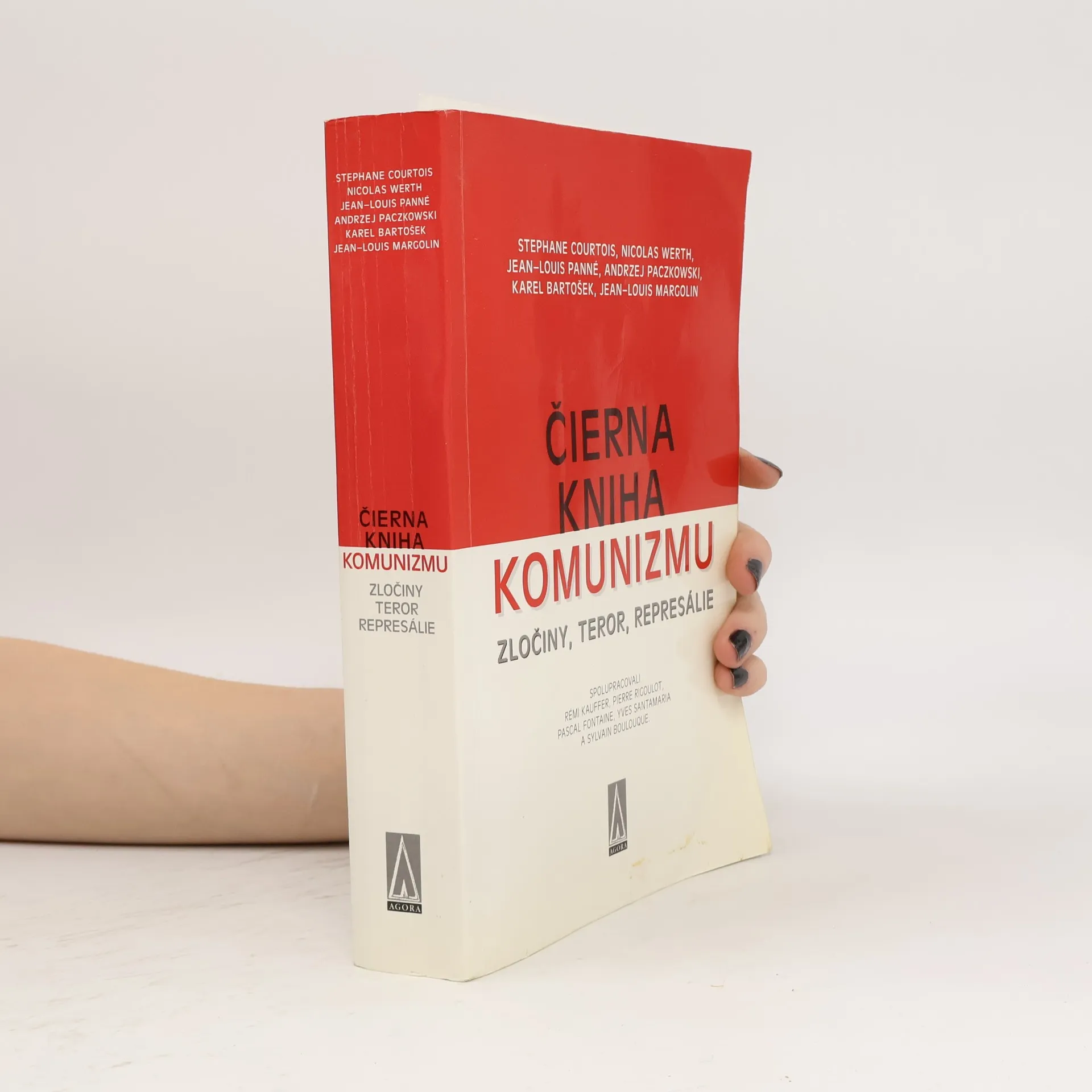
Čierna kniha komunizmu zachycuje históriu a geografiu utópie, ktorá sa považovala za ideové hnutie v prospech pokroku, no v praxi sa stala univerzálnym zločinom. Komunistická ideológia vytvorila represívny systém krvavého teroru, inšpirovaný sovietskou skúsenosťou, ktorého dôsledky sú známe. Hoci si komunizmus, skrývajúci svoj teror, získal neskôr podporu, výsledky jeho pôsobenia sú zachytené v tejto knihe.
Dielo prezentuje faktické údaje, čísla, dokumenty a svedectvá, pričom ponúka prvú komplexnú bilanciu zločinov komunizmu z chronologického a geografického hľadiska, rozdelenú podľa kontinentov a štátov. Obnažuje skutočnosti, ktoré boli desaťročia utajované. Bilancia 85 miliónov obetí bola vypracovaná skupinou francúzskych historikov pod vedením Stéphana Courtoisa, pričom ich práca v nedávno sprístupnených archívoch dáva konkrétnu podobu tragickým osudom jednotlivcov.
Dielo je neutrálnym a objektívnym opisom výsledkov totalitnej ideológie, ktorá zlyhala. Vydavateľstvo AGORA ponúka slovenský preklad tejto historickej práce, aby umožnilo kultúrnej verejnosti zhodnotiť minulosť, ktorá bola nedávno realitou vo svete aj na Slovensku, a predložiť ju na posúdenie čitateľom, najmä tým, ktorí ňou trpeli.