At the peak of student unrest in 1968/69, Robert Venturi and Denise Scott Brown, with Steven Izenour, taught about Las Vegas at Yale. Their 1972 work "Learning from Las Vegas" became a classic, influencing architecture. This book features essays from historians and artists reflecting on its impact, supplemented by original materials and media responses.
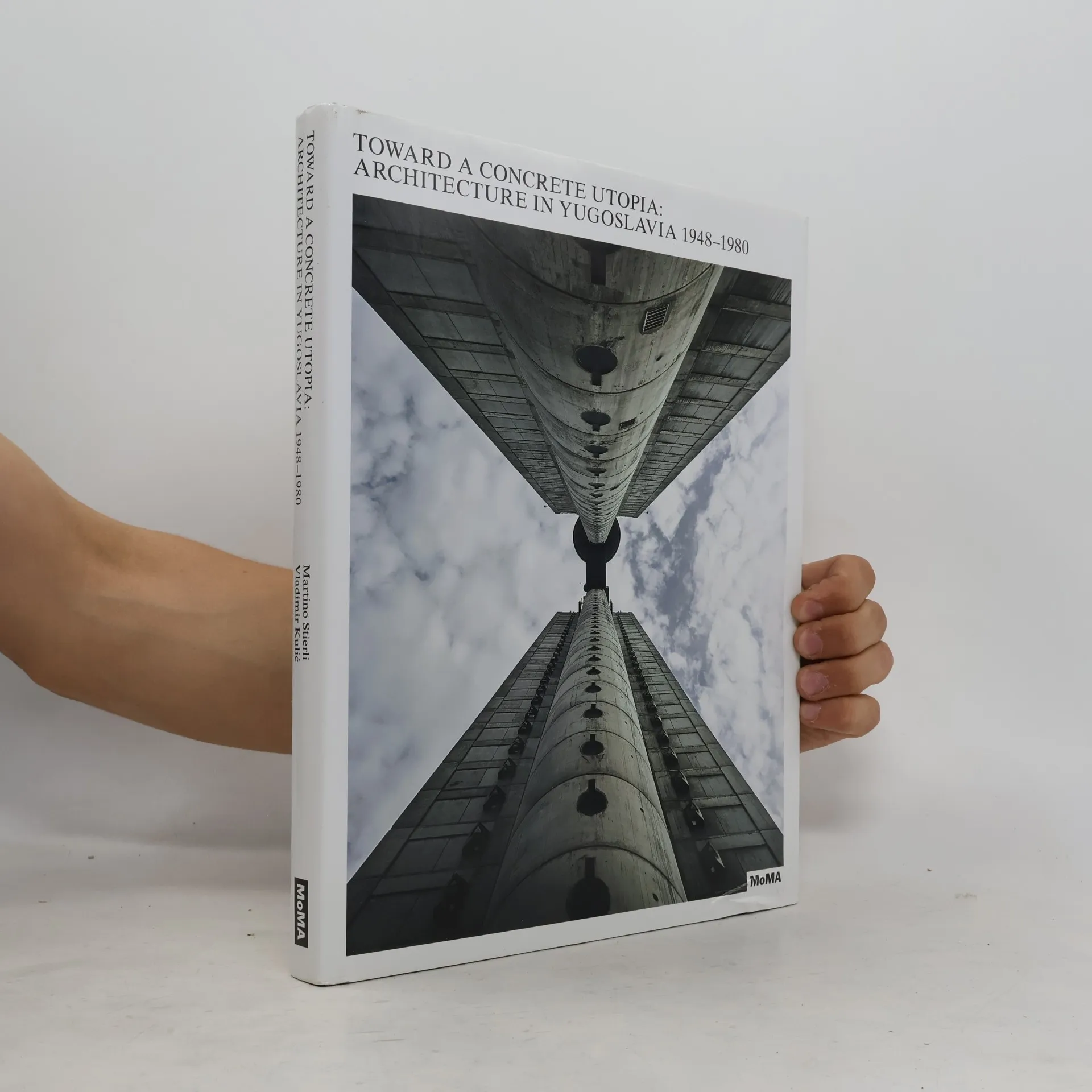
Situated between the capitalist West and the socialist East, Yugoslavia's architects responded to contradictory demands and influences, developing a postwar architecture both in line with and distinct from the design approaches seen elsewhere in Europe and beyond. The architecture that emerged from International Style skyscrapers to Brutalist social condensers is a manifestation of the radical diversity, hybridity, and idealism that characterized the Yugoslav state itself. 'Toward a Concrete Utopia: Architecture in Yugoslavia, 1948-1980' introduces the exceptional work of socialist Yugoslavia's leading architects to an international audience for the first time, highlighting a significant yet thus-far understudied body of modernist architecture, whose forward-thinking contributions still resonate today.
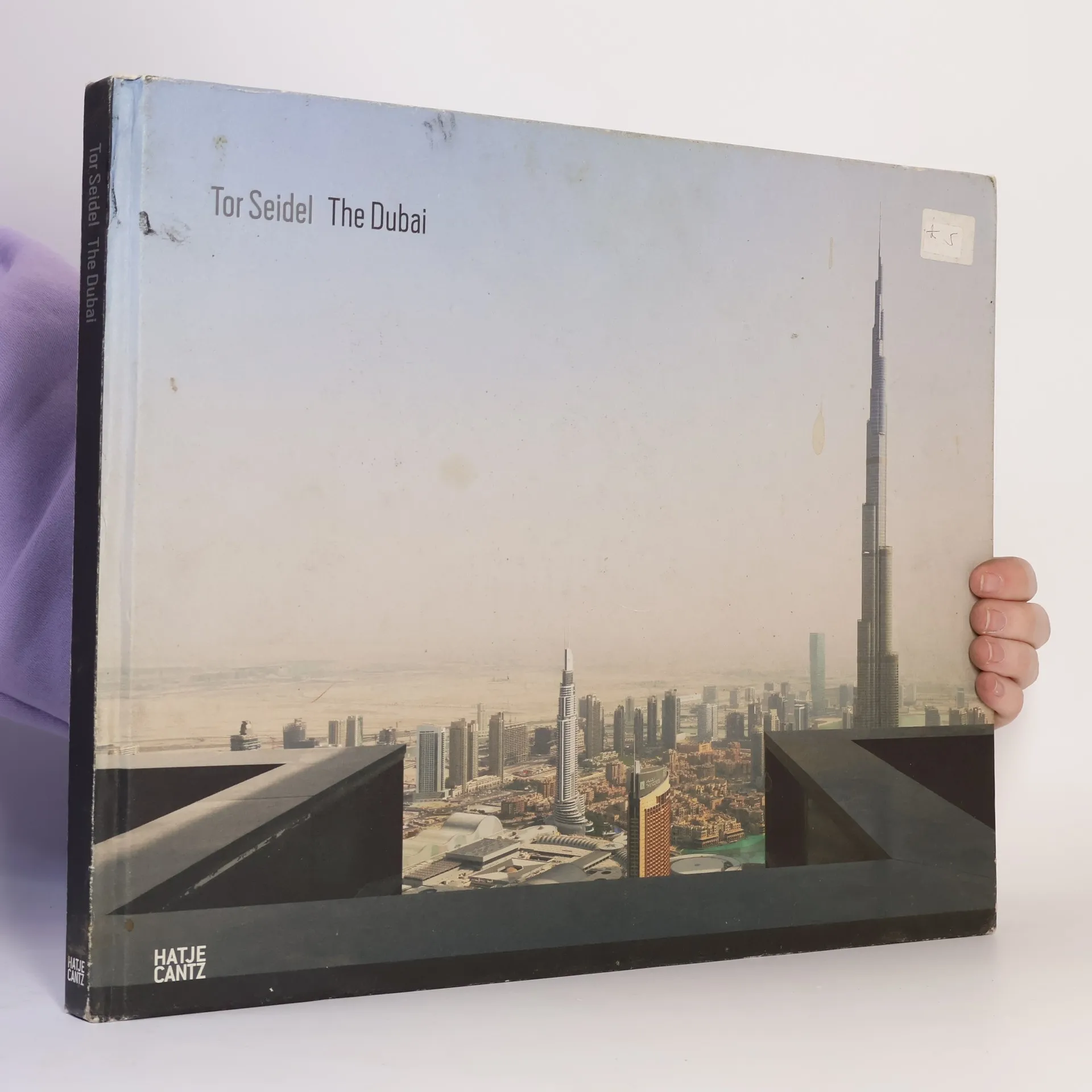
Dubai was rapidly transformed by the discovery of oil in the 1950s. German artist Tor Seidel (born 1964) views this fragmented urban landscape from a distance. In his photographs, giant shopping malls spread out before the melancholy backdrop of abandoned, mammoth building projects.
This revised and updated edition is a comprehensive monograph on the Swiss architects E2A. Brothers Piet and Wim Eckert see their work as an interpretation of contemporary living conditions. In today’s context, expectations, experiences, and ambitions characterize places and clash with reality. The incompatible becomes the platform of the discipline of architecture, and in the work by the two architects it becomes a prolonged journey of discovery during which associations and relationships are explored and exposed. Here, one experiences a fine line between dream and reality that could be described as systematic incoherence. Thus, rather than designing the perfect machine for an idealized image of society, E2A integrate different and diametrically opposed conditions that were once mutually exclusive. Projects, ideas, essays, and notes supplement building projects and record positions, assessments, and ongoing questions. In this way the reader becomes a witness to an intense debate on the city and its architecture.