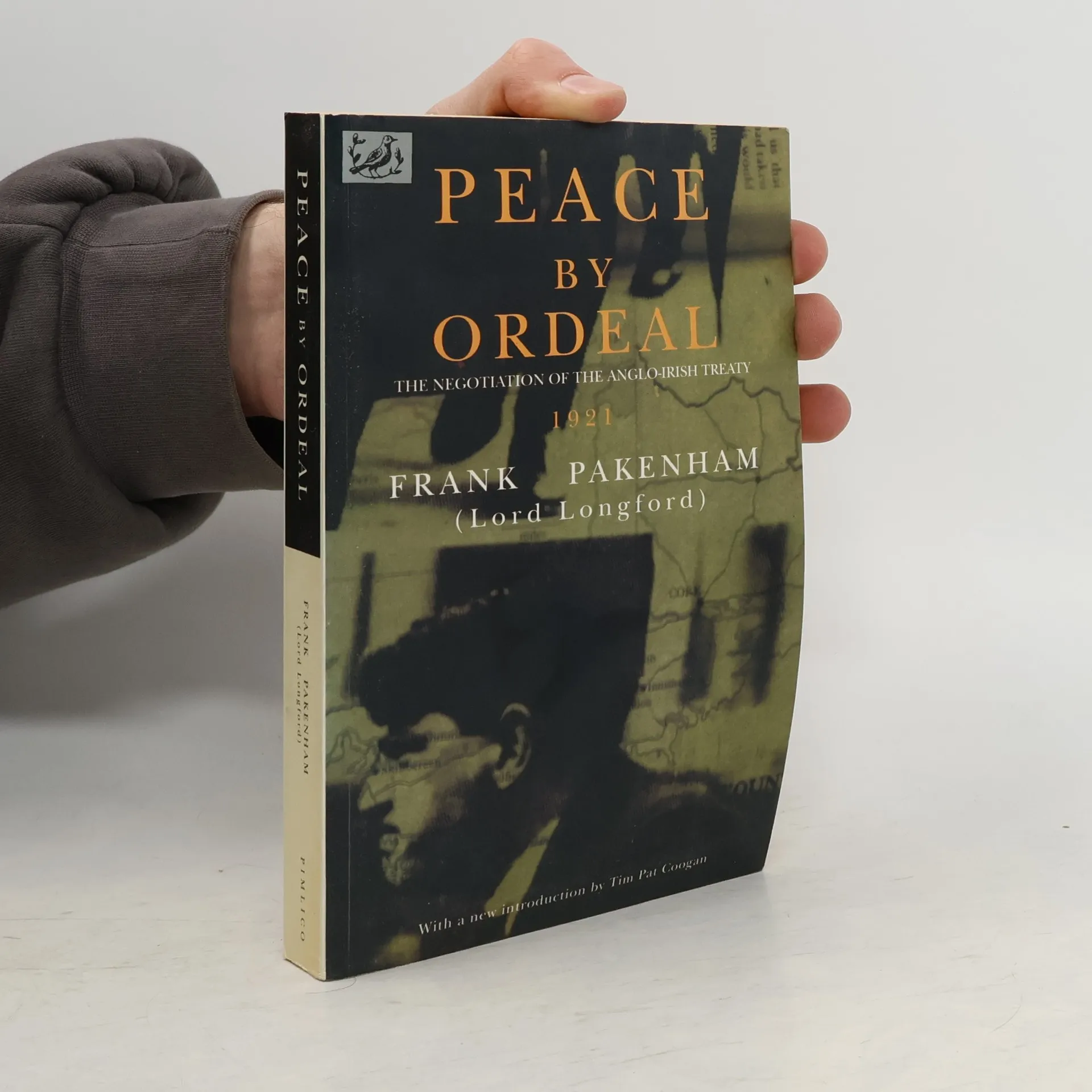
This is a study of the treaty of 1921 which ended the Anglo-Irish War and laid the foundations for today's independent Republic of Ireland. It also gave legal effect to the partition of Ireland and created the conditions which have led to today's problems in Northern Ireland. The book gives an insight into the minds and compulsions of those on the negotiating teams led on the Irish side by Arthur Griffith and Michael Collins and, on the British, by Lloyd George, Lord Birkenhead, Austen Chamberlain and Winston Churchill.
Tim Pat Coogan Bücher
Timothy Patrick Coogan ist ein irischer Historiker, der für seine scharfsinnigen Auseinandersetzungen mit der modernen irischen Geschichte bekannt ist. Seine Arbeit befasst sich oft mit kontroversen Aspekten der Vergangenheit des Landes und präsentiert sorgfältig recherchierte Berichte, die Debatten anregen. Coogan wird für seine Fähigkeit gefeiert, komplexe politische und soziale Ereignisse lebendig werden zu lassen und den Lesern ein tiefes Verständnis von Irlands turbulenter Reise zu vermitteln. Sein fesselnder Erzählstil macht historische Forschung zugänglich und spannend.


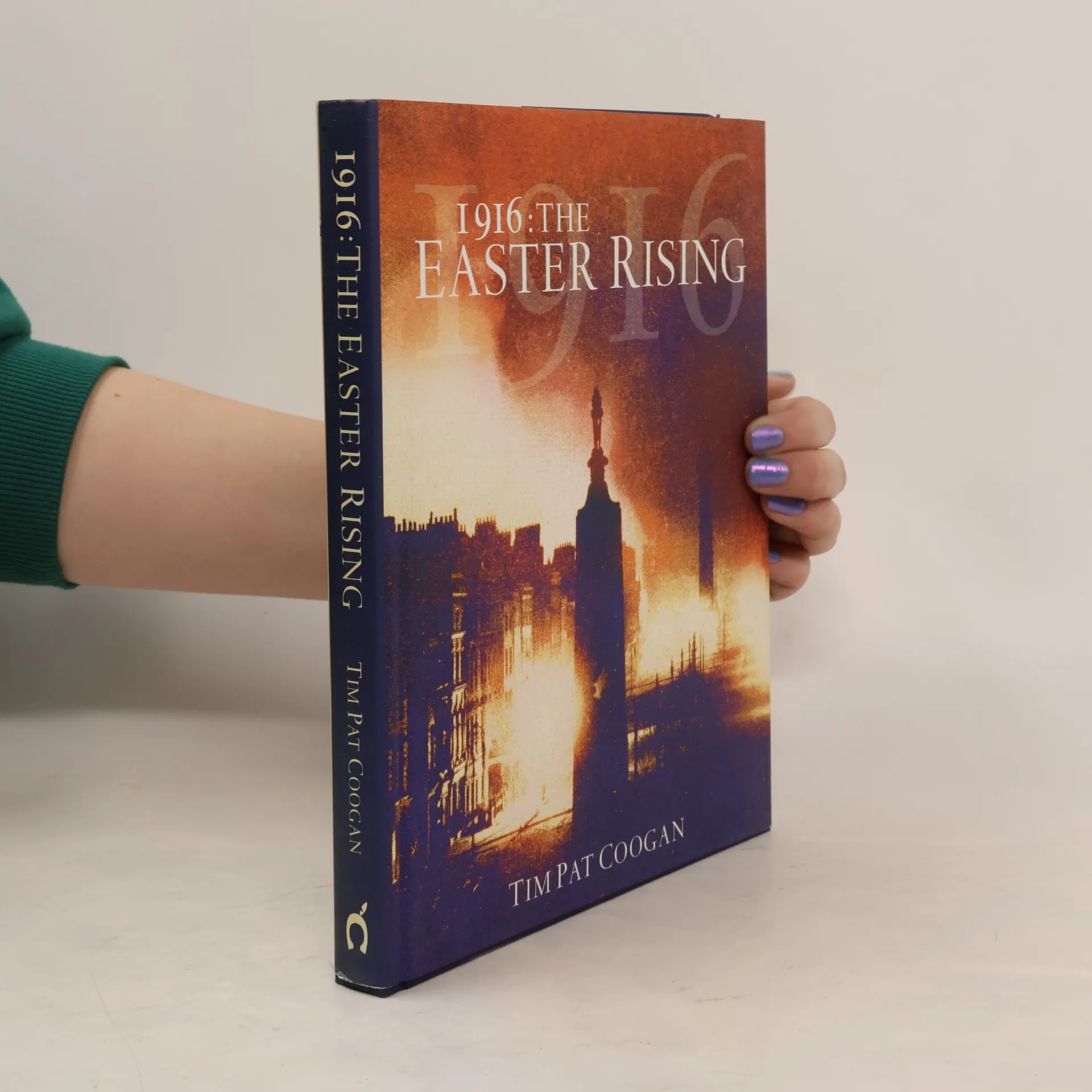
On April 14, 1916 the Easter rising started when rebels seized a number of strong points in Dublin. They held until blasted from their positions by an overwhelming superiority in numbers and heavy artillery. The subsequent executions of the leaders, along with the arrests, court-martials, and detention of 3,500 people (three times the number of actual participants), won the insurgents sympathy and resulted in an overwhelming desire for freedom among the public.
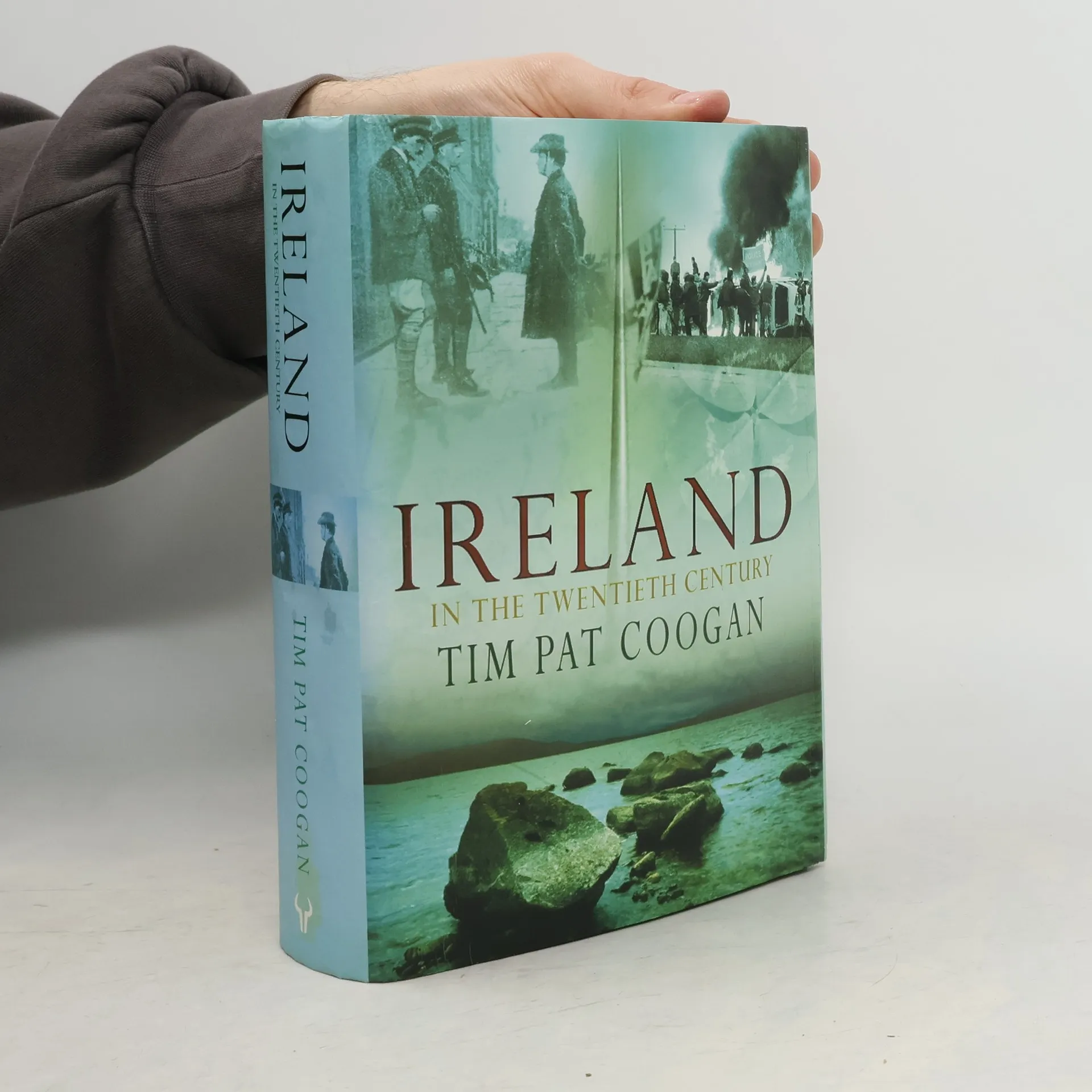
Ireland in the Twentieth Century
- 352 Seiten
- 13 Lesestunden
Tim Pat Coogan's biographies of Michael Collins and DeValera and his studies of the IRA, the Troubles and the Irish Diaspora have transformed our understanding of contemporary Ireland, and all have been massive bestsellers. Now he has produced a major history of Ireland in the twentieth century. Covering both South and North and dealing with cultural and social history as well as political, this enthralling work will become the definitive single-volume account of the making of modern Ireland
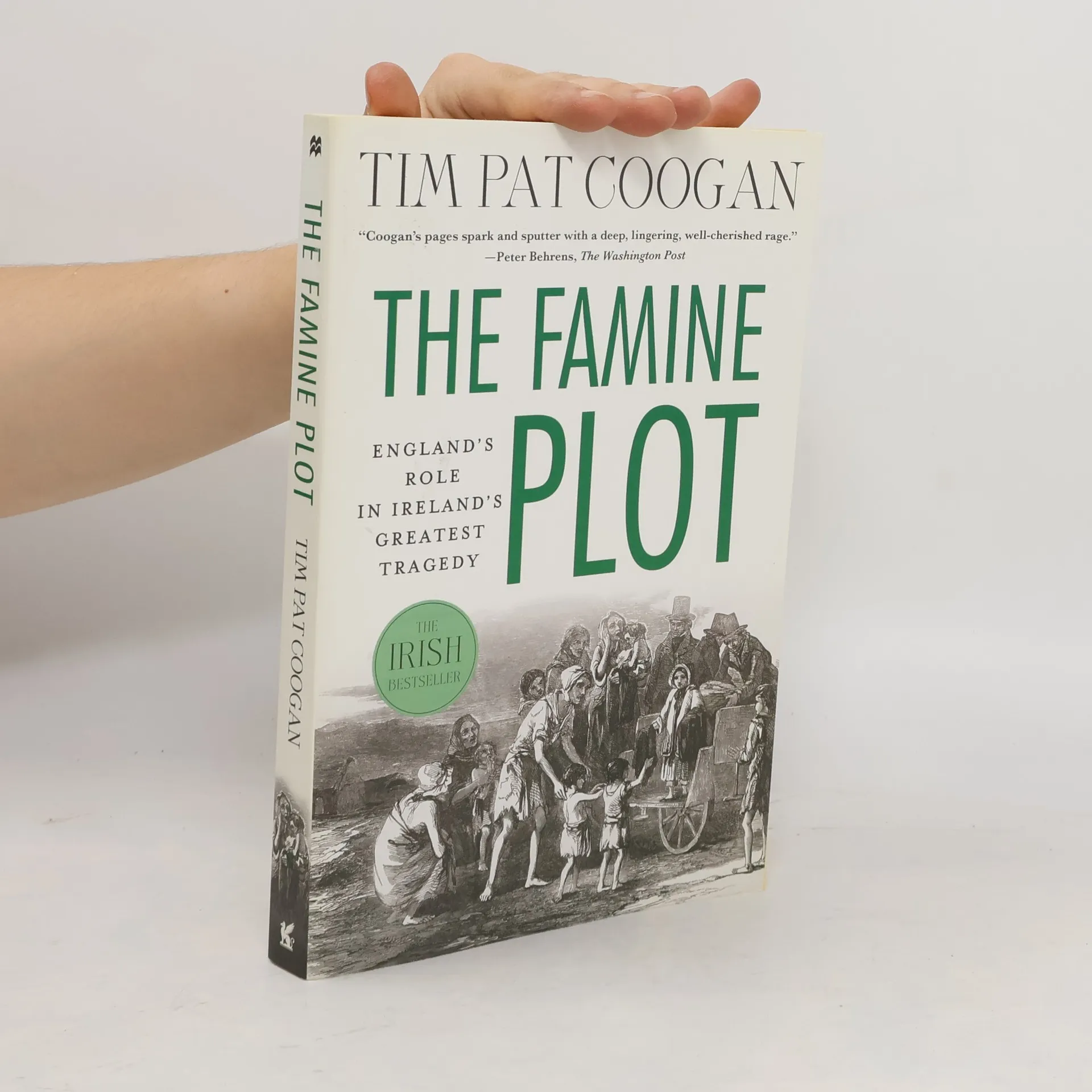
The Famine Plot
- 304 Seiten
- 11 Lesestunden
A controversial history of the Great Famine from Ireland's greatest historian, who provocatively points the finger of blame at the British government. Combining the latest research and fresh insights, this is a fascinating and sobering look at a dark period of global history as well as the ramifications that still resonate today.
The I.R.A.
- 832 Seiten
- 30 Lesestunden
An updated edition of this unique, bestselling history of the IRA, now including behind-the-scenes information on the recent advances made in the peace process. schovat popis
When the Irish nationalist Michael Collins signed the Anglo-Irish Treaty in December 1921, he observed to Lord Birkenhead that he may have signed his own death warrant. In August 1922 that prophecy came true when Collins was ambushed, shot and killed by a compatriot, but his vision and legacy lived on. Tim Pat Coogan's biography presents the life of a man whose idealistic vigor and determination were matched by his political realism and organizational abilities. This is the classic biography of the man who created modern Ireland.
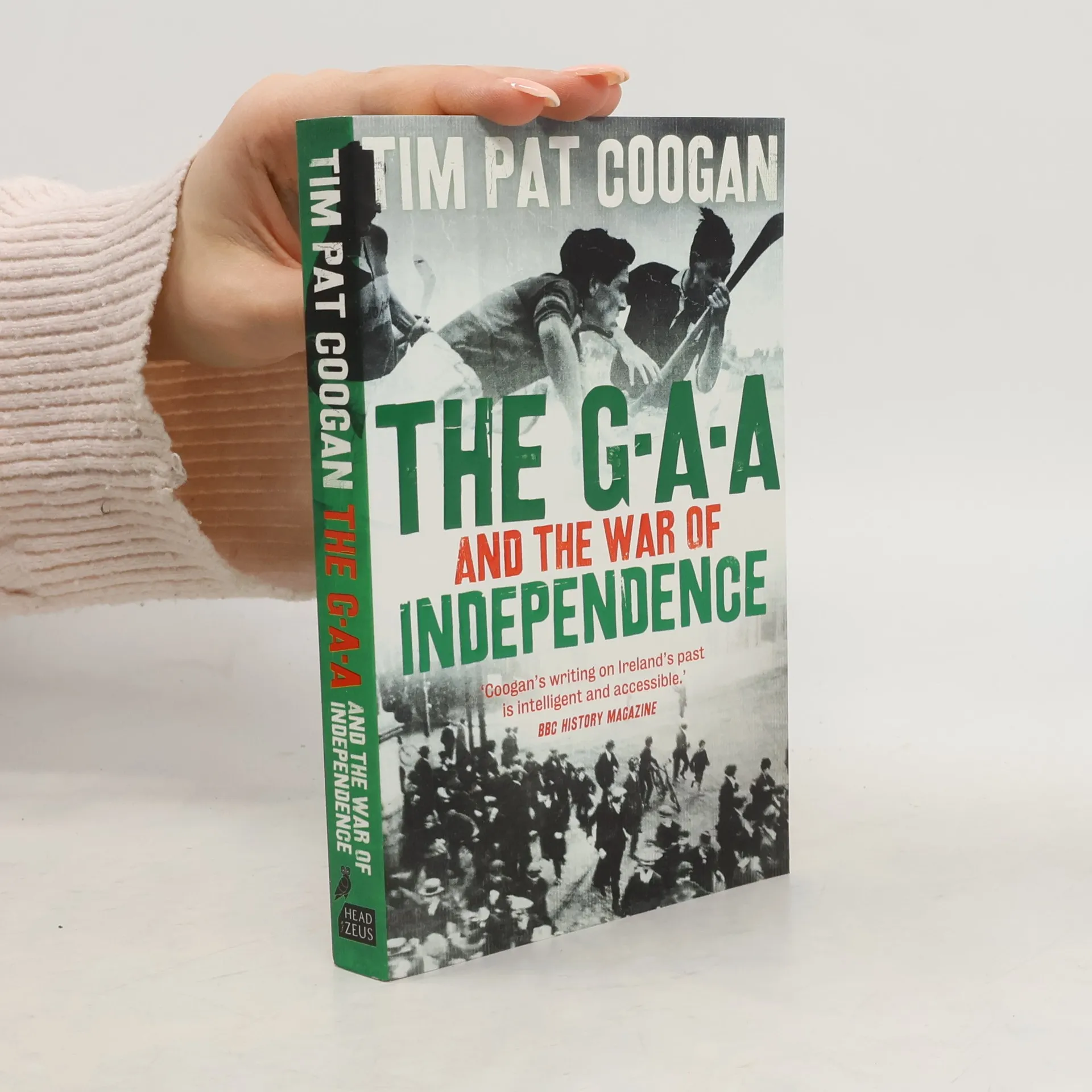
The GAA and the War of Independence
- 320 Seiten
- 12 Lesestunden
The stirring story of the GAA and the role it played in Ireland's fight for nationhood.
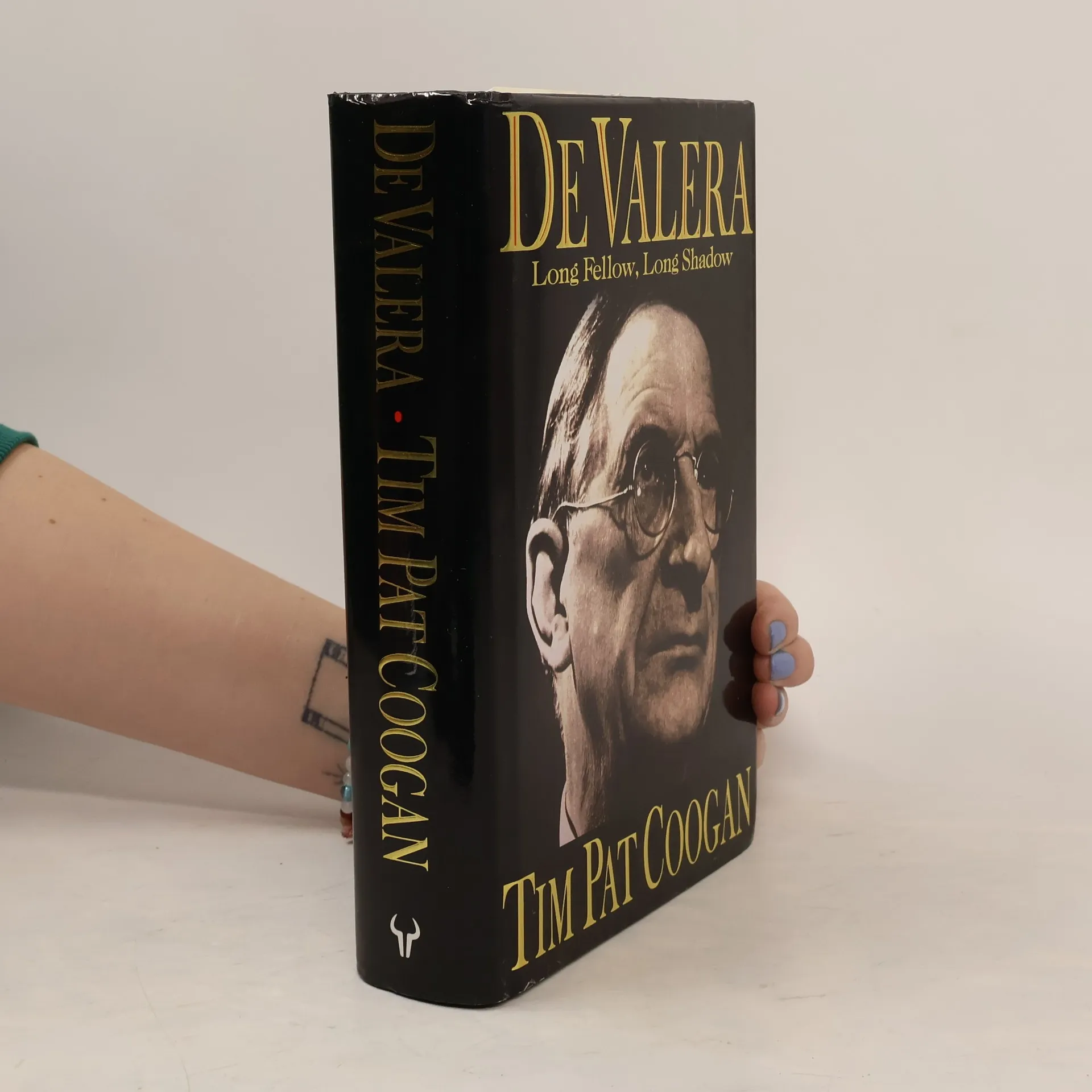
From the 1916 Rising, the troubled Treaty negotiations and the Civil War, right through to his retirement after a longer period in power than any other 20th-century leader, Eamon de Valera has both defined and divided Ireland. He was directly responsible for the Irish Constitution, Fianna Fail (the largest Irish political party) and the Irish Press Group. He helped create a political church-state monolith with continuing implications for Northern Ireland, the social role of women, the Irish language and the whole concept of an Irish nation. Many of the challenges he confronted are still troubling the peace of Ireland and of Britain, and some of the problems are his legacy. This biography is by the author of "Michael Collins".
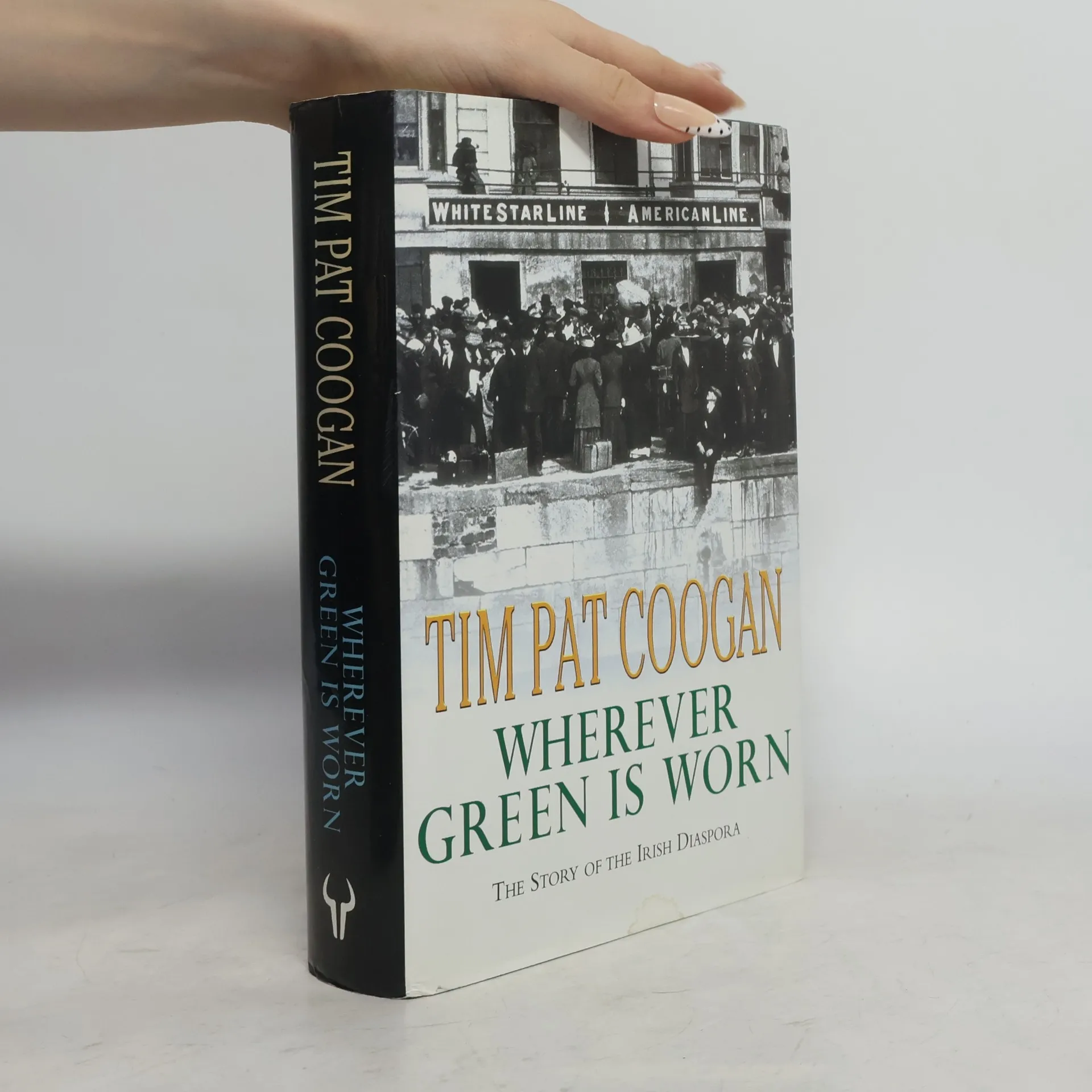
Far more Irishmen live outside Ireland than within it. This study aims to reveal why this is, how it has come about and what the realities are today - political, economic, religious and cultural - for the Irish populations in America, Africa, Australia, New Zealand and throughout Europe.
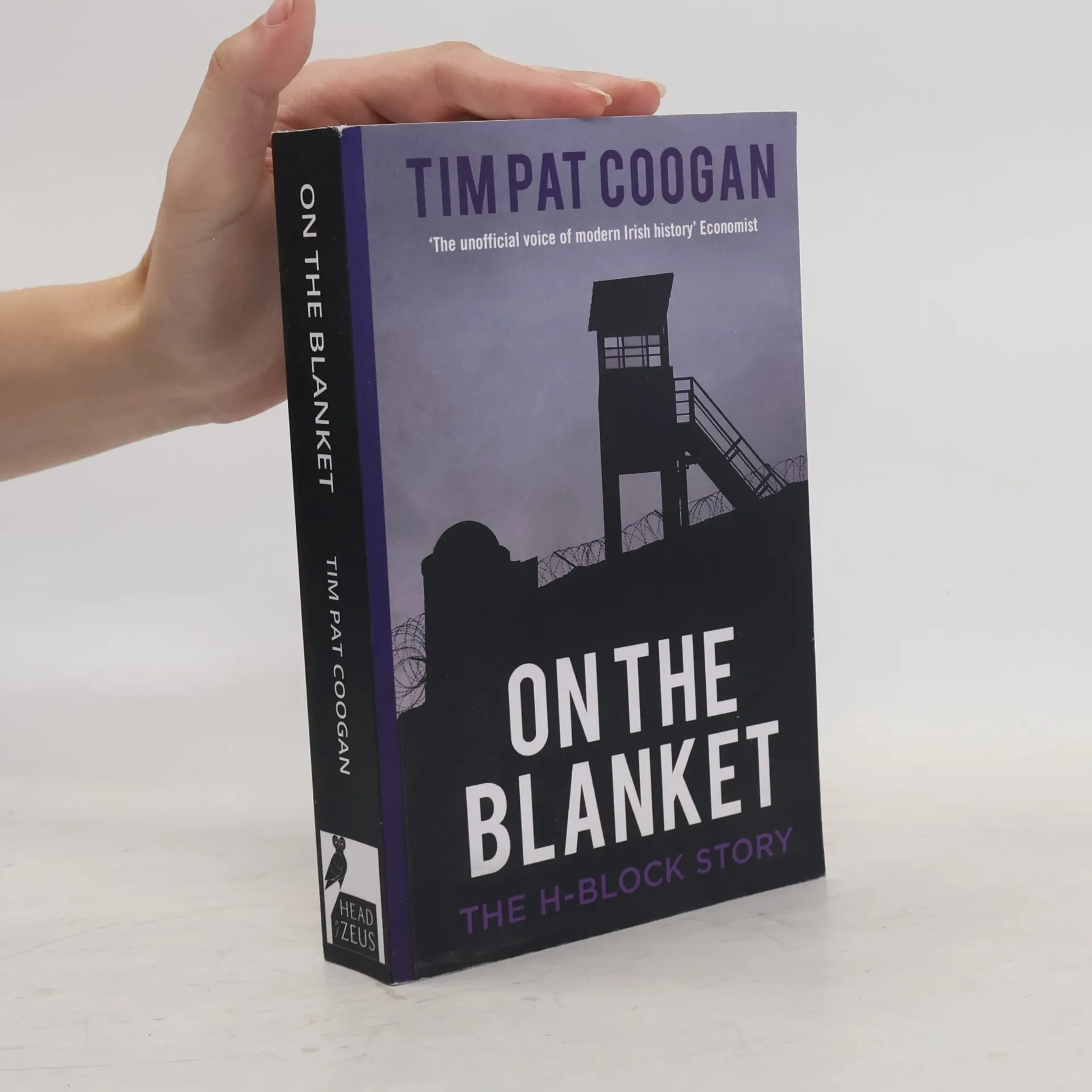
The H Block protest is one of the strangest and most controversial issues in the tragic history of Northern Ireland. Republican prisoners, convicted of grave crimes through special courts and ruthless interrogation procedures, campaigned for political status by refusing to wear prison clothes and daubing their cell with excrement.Were they properly convicted criminals, or martyrs to political injustice? In a masterpiece of investigative journalism, Coogan provides us with the only first-hand account of the protest. His investigation led deep into the social, cultural, and economic maze of Northern Ireland's history to give readers an unmatched analysis of a troubled place and its sorrowful history.
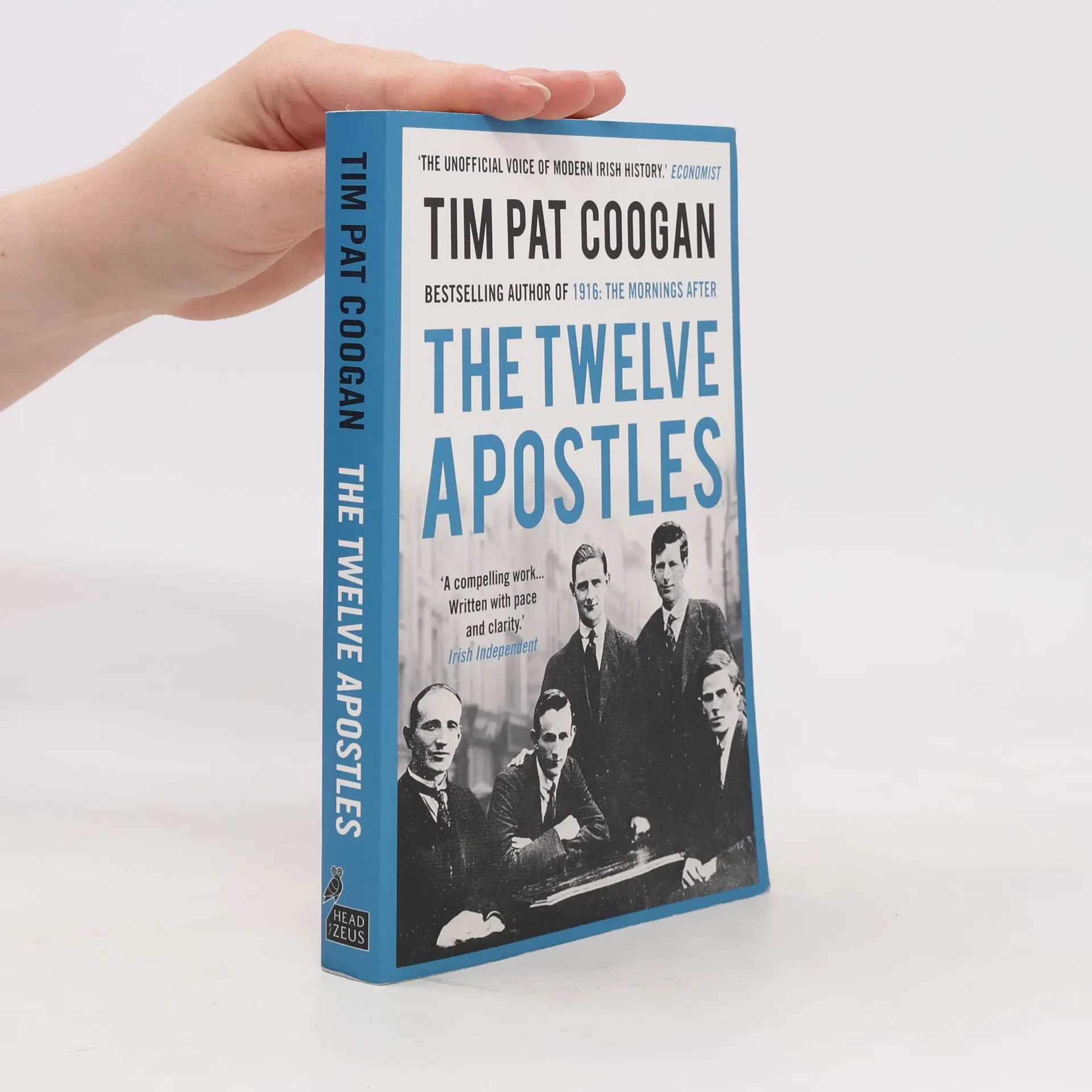
The Twelve Apostles
- 320 Seiten
- 12 Lesestunden
The story of the assassination squad that changed the course of Irish history.