

Mary Jean Fulbrook ist eine herausragende britische Akademikerin und Historikerin, deren Werk sich mit den Komplexitäten der deutschen Geschichte befasst. Ihre umfangreiche Forschung erstreckt sich über verschiedene Bereiche, darunter Religion und Gesellschaft im frühneuzeitlichen Europa, die Natur deutscher Diktaturen des 20. Jahrhunderts und die andauernden Auswirkungen des Holocaust auf Europa. Fulbrook beschäftigt sich auch mit Historiographie und Gesellschaftstheorie und untersucht kritisch, wie Geschichte konstruiert und interpretiert wird. Ihre wissenschaftliche Arbeit bietet tiefe Einblicke in die komplexen sozialen und politischen Kräfte, die den europäischen Kontinent geprägt haben.
The book offers an engaging exploration of Berlin through ten vignettes, highlighting its historical layers and transformations. It delves into the city's unique past by focusing on specific locations, illustrating how these sites shape Berlin's identity and ongoing re-imagination. Mary Fulbrook examines the complex legacies that continue to influence the city's experience and perception today.
Conformity and Complicity in Nazi Germany and the Holocaust
Focusing on the actions of individuals during the Nazi era, Mary Fulbrook challenges the prevalent question of awareness among Germans, suggesting that the more critical inquiry is about their responses to what they knew. Through a compelling analysis, she explores the moral choices and responsibilities of people in the face of atrocities, delving into the complexities of knowledge and complicity in a historical context that remains deeply relevant today.
This acclaimed textbook offers a comprehensive exploration of modern German history, crafted by a prominent scholar. It provides in-depth analysis and insights into significant events and themes, making it an essential resource for students and enthusiasts alike. The new edition features updated research and perspectives, ensuring relevance in the study of Germany's complex past.
This third edition of Mary Fulbrook's much-admired book provides a clear guide
to German history from the early middle ages to the present day. Since the
second edition in 2004, there have been significant changes in Germany, Europe
and the wider world. This new edition captures these dramatic new
developments.
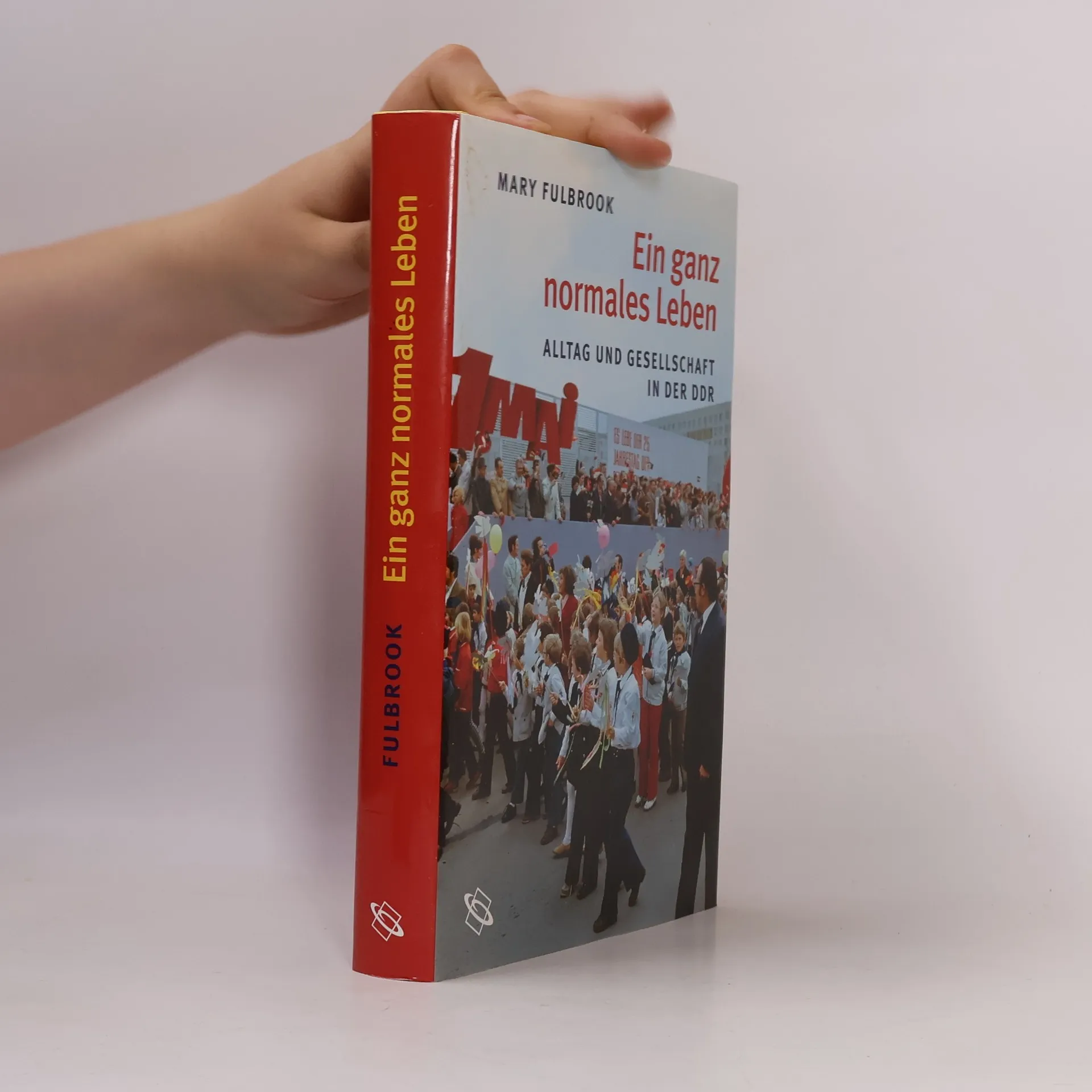
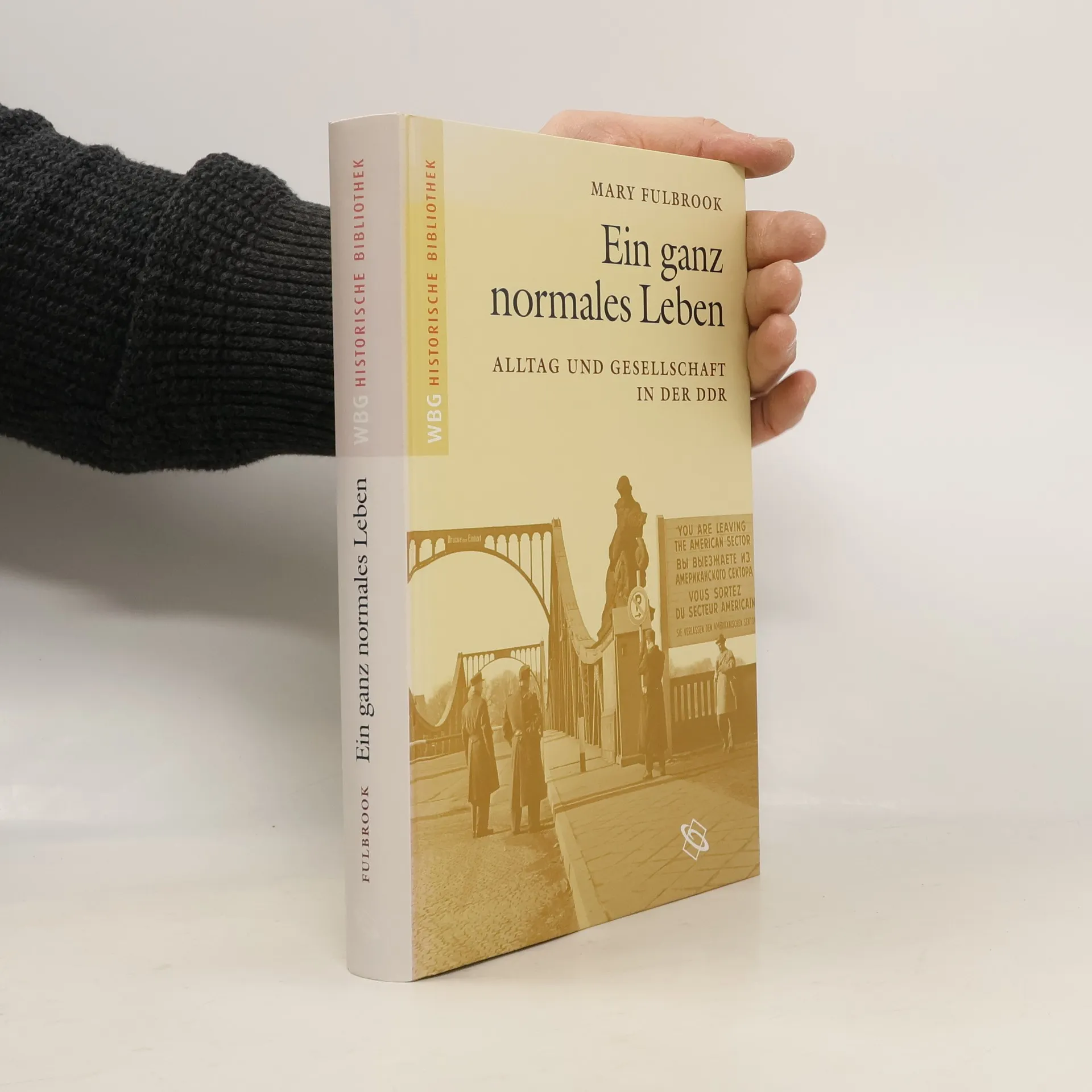
Wie war das Leben in der ehemaligen DDR wirklich? Die Analyse des repressiven politischen Systems mit Mauerbau und Stasi, politischer Unterdrückung und Mangelwirtschaft gibt nur einen Teil der Wahrheit wieder. Die Erfahrungen, Wahrnehmungen und Erinnerungen vieler Ostdeutscher zeigen ein anderes Bild: Viele erklärten nach der Wiedervereinigung 1990, sie hätten ›ein ganz normales Leben‹ geführt. Auf Grund der reichhaltigen Quellen in den nun geöffneten DDR-Archiven sowie zahlreichen Gesprächen mit Menschen, die in der DDR gelebt haben, geht Mary Fulbrook diesem Widerspruch nach. Sie untersucht die Verwandlung der ostdeutschen Gesellschaft in die eines modernen Industriestaates, entstanden auf den Ruinen des ›Dritten Reiches‹, und gibt aufschlussreiche Einblicke in die wirtschaftlichen und sozialen Umstände sowie die individuelle Lebensgestaltung der DDR-Bürger.
Podtitul: Od roku 1918 po současnost.
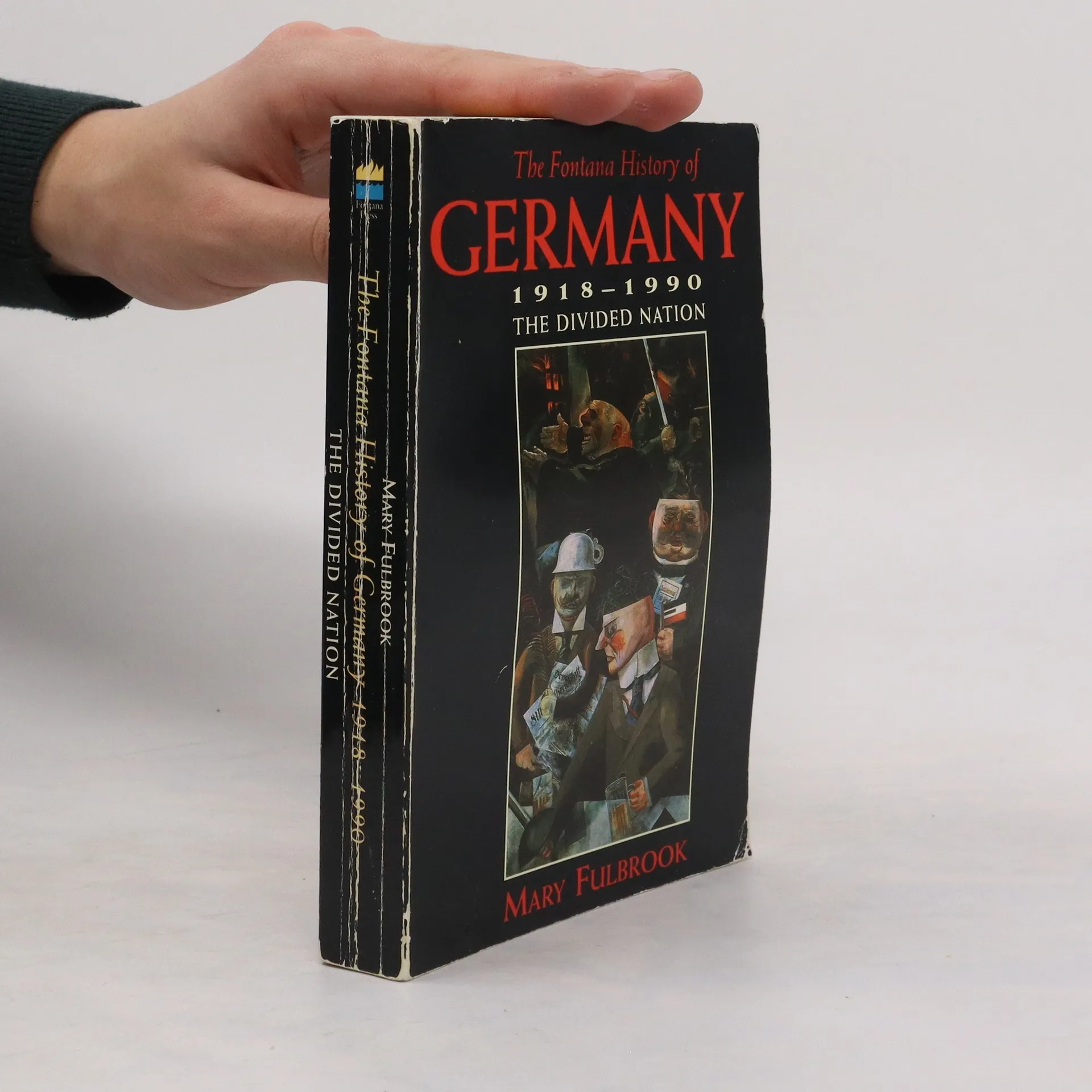
Českému čtenáři se dostává do rukou neuvěřitelně úspěšná kniha, která podává německé moderní dějiny čtivým a napínavým způsobem jako příběh plný špatných i dobrých zvratů a odhalených souvislostí. Kniha dobyla Británii a pokračuje v tažení do zbytku Evropy. Je důležité, že přichází i k nám, protože jen málokterá země má s naší historií tolik společného, a to v dobrém i špatném, jako Německo. Obrovský kulturní přínos, ale i rodiště agresivní ideologie a režimu, který znamenal pro Evropu pohromu a pro spoustu národů genocidu. Kniha popisuje dramatickou epochu moderního německého státu od porážky v první světové válce v roce 1918 - období slabé Výmarské republiky trpící hyperinflací a výstřelky politického extremismu, nacistickou éru a její katastrofální zakončení, kdy se mocenské uspořádání rovnou zvrhlo do studené války a k rozdělení země, dále je podrobně popsáno sjednocení v roce 1990 a také je rozebrána současná epocha, kterou se dosud historické publikace nezabývaly. Kromě dosud historiky nepopsaných událostí po sjednocení obsahuje kniha i některé nové historické poznatky, zvláště z období nacismu a holokaustu, ale i komunistické éry.
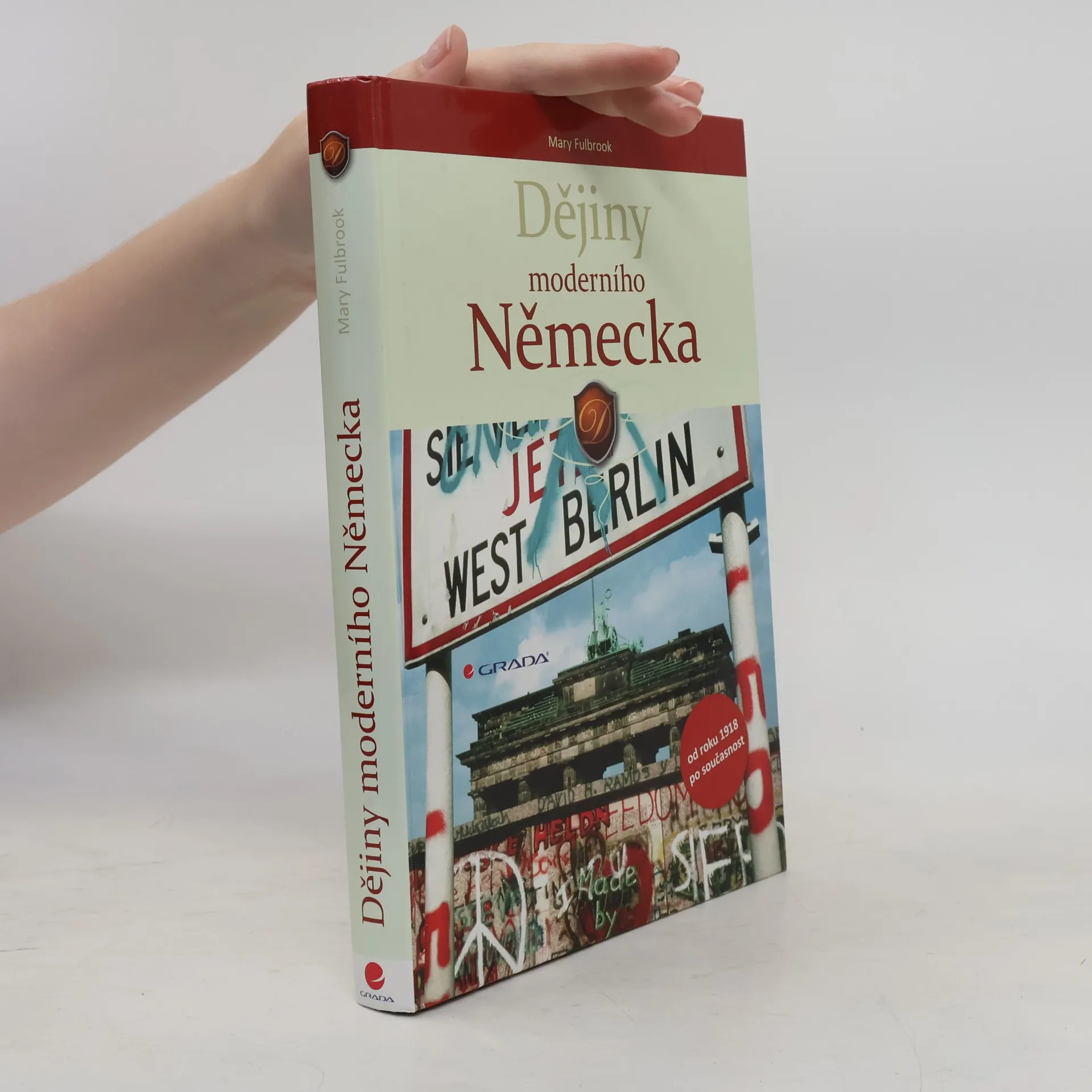
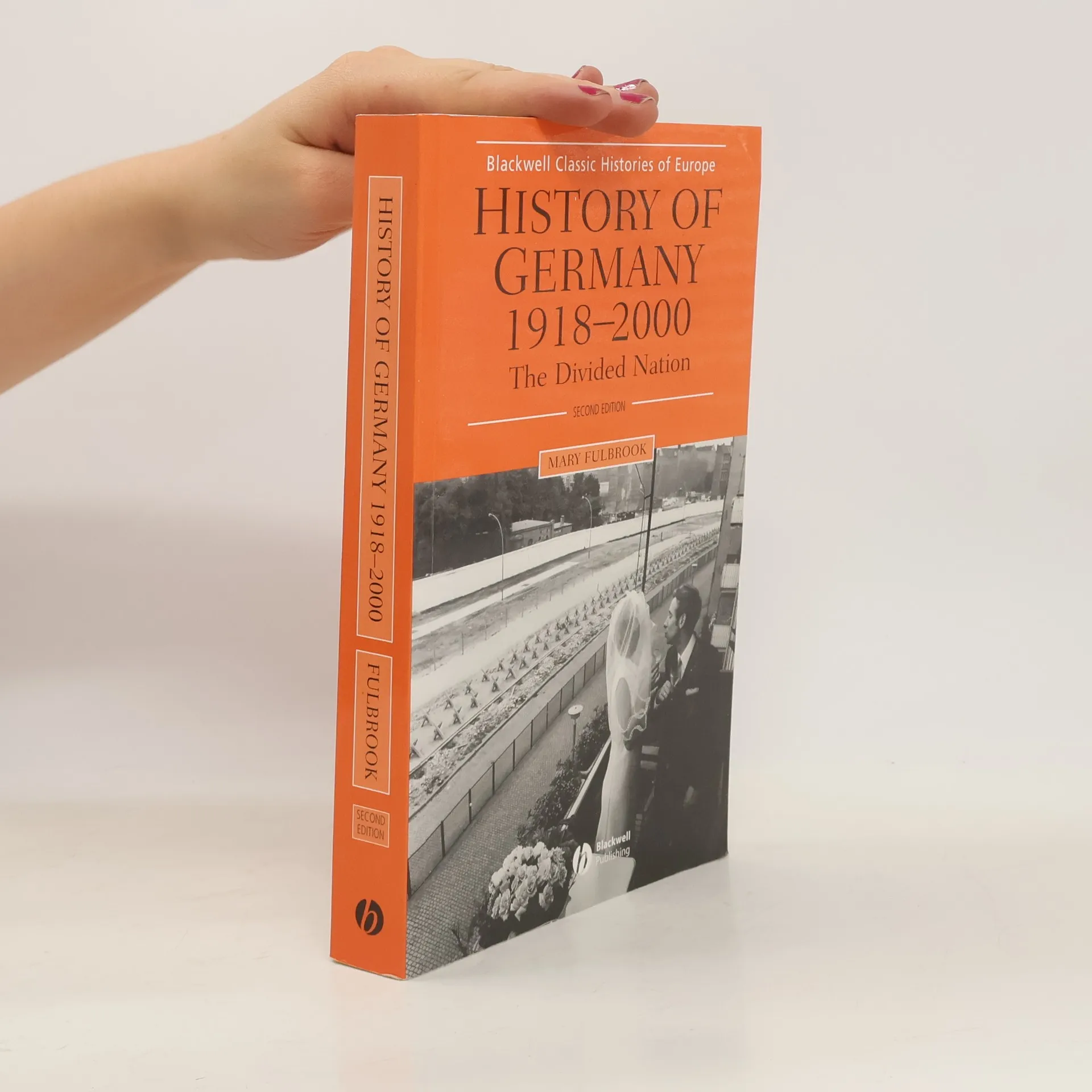
This accessible study traces the dramatic social, cultural and political tensions in Germany since 1918. For the second edition, revisions have been made to incorporate the results of recent research, an epilogue covering the years 1990–2000 has been added, and the suggestions for further reading and the bibliography have been updated. An accessible study of the dramatic social, cultural and political tensions in Germany since 1918. Treats German history from 1918-2000 from the perspective of division and reunification, covering East and West German history in equal depth. Covers the self-destructive Weimar Republic, the extremes of genocide and military aggression in the Nazi era, the division of the nation in the Cold War, and the collapse of communist East Germany and unification in 1990. Offers a persuasive interpretation of the dynamics of twentieth-century German history as a whole. New edition includes an updated bibliography and an epilogue covering the years 1990-2000.
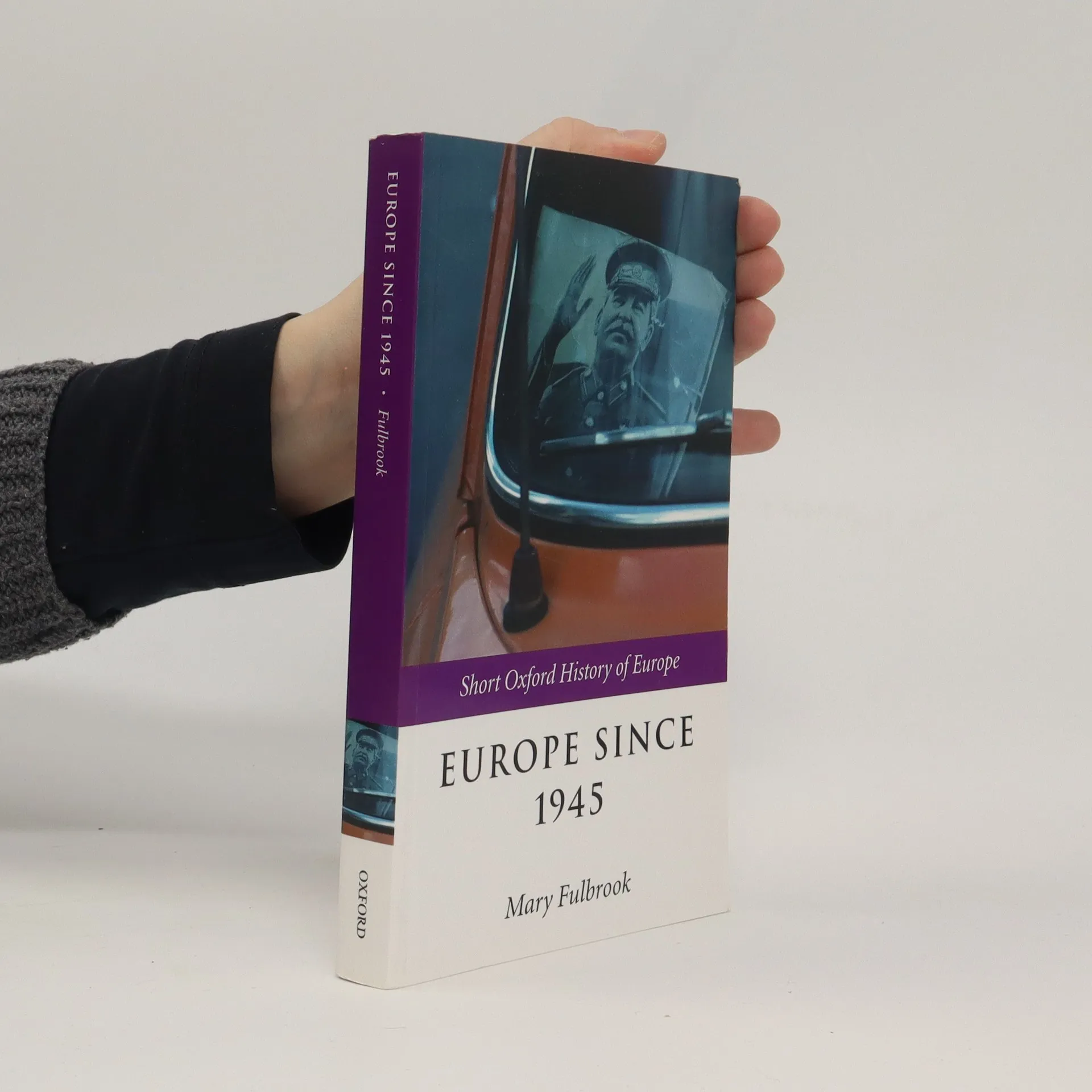
The book brings home the extraordinary waves of transformation that have washed across Europe in the second half of the twentieth century sketching out the major general patterns of this change, and exploring some of the local themes and variations in different parts of Europe. The result is both illuminating and engrossing.