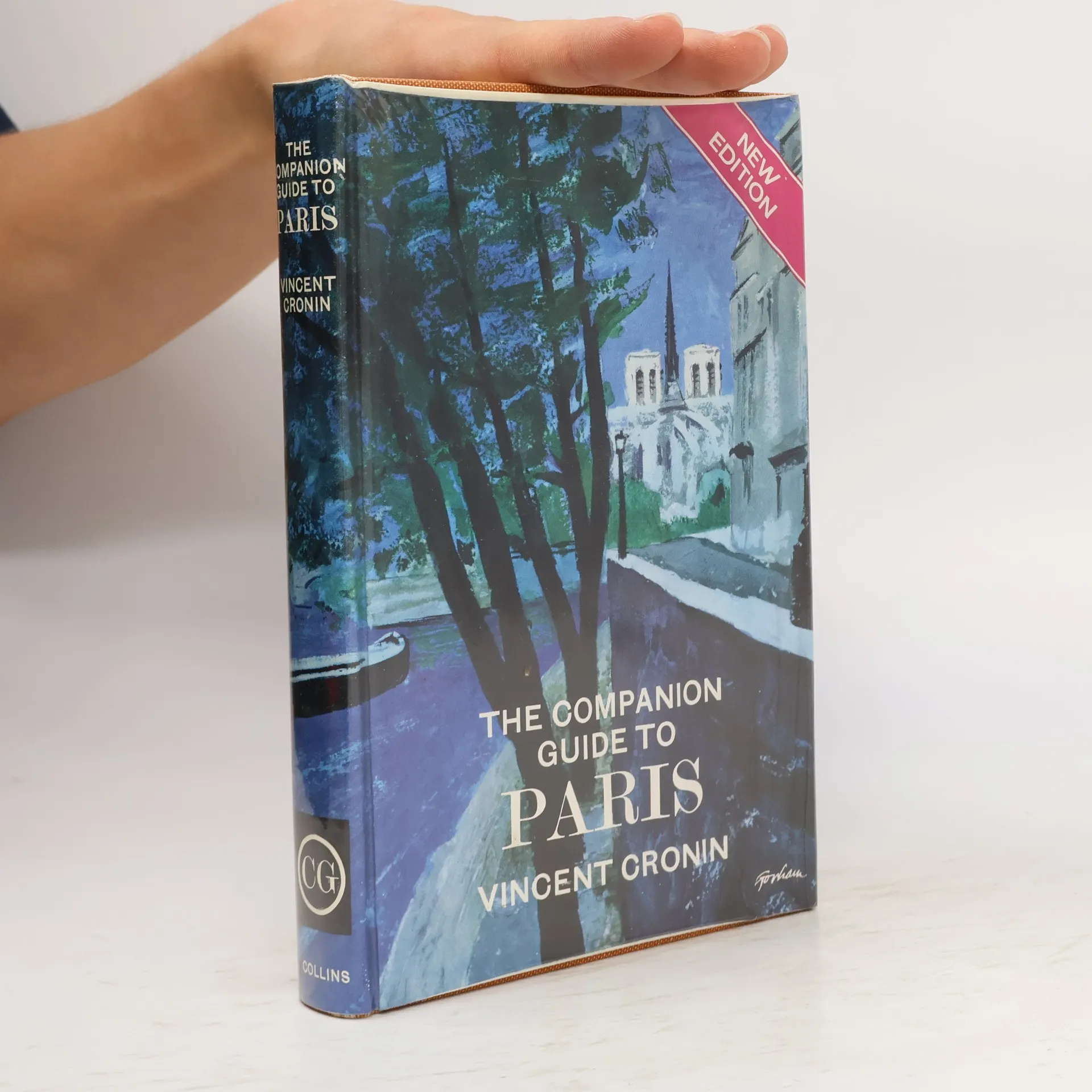
Vincent CroninReihenfolge der Bücher (Chronologisch)
24. Mai 1924 – 25. Januar 2011
Vincent Cronin war ein britischer Schriftsteller, der sich auf Geschichte, Kultur und Biografien konzentrierte. Seine Werke, bekannt für ihren fesselnden Stil und tiefen historischen Kontext, wurden in zahlreiche europäische Sprachen übersetzt. Cronin erlangte Bekanntheit durch seine sorgfältigen Biografien bedeutender Monarchen und seine aufschlussreichen Darstellungen der Renaissance, die Schlüsselfiguren und Epochen für die Leser lebendig werden lassen.
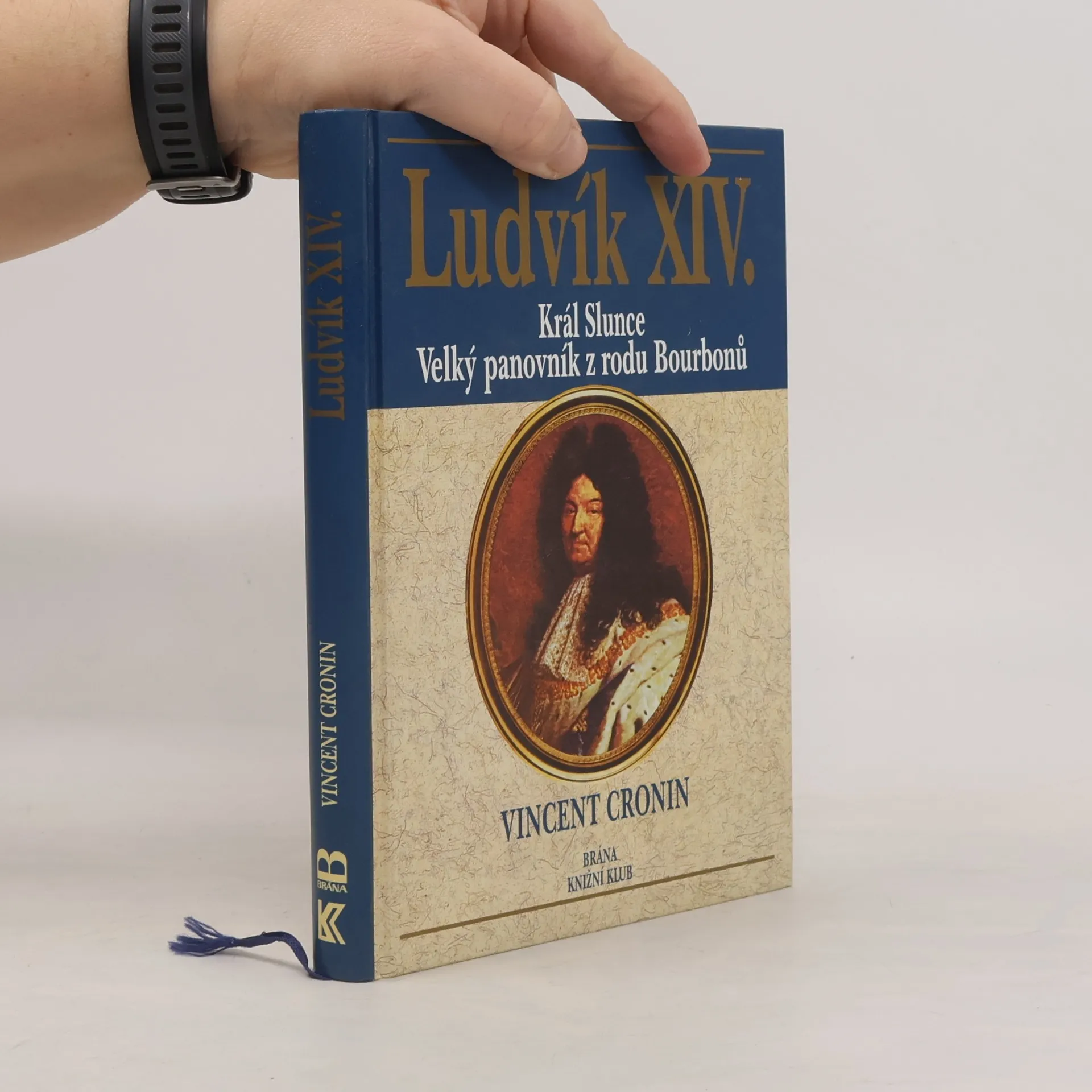
Podtitul: Král Slunce: velký panovník z rodu Bourbonů
Životní osudy francouzského panovníka Ludvíka XIV.
Podrobný životopis jednoho z největších francouzských králů, za jehož vlády dosáhla Francie velkého rozkvětu a lesku. Autor velmi pečlivě sleduje osudy Ludvíka XIV. již od jeho narození. Rozsáhlá část je věnována jeho vztahu k umění. Nechybí ani nástin situace po jeho smrti. Publikace obsahuje podrobný rejstřík i soupis použité literatury.
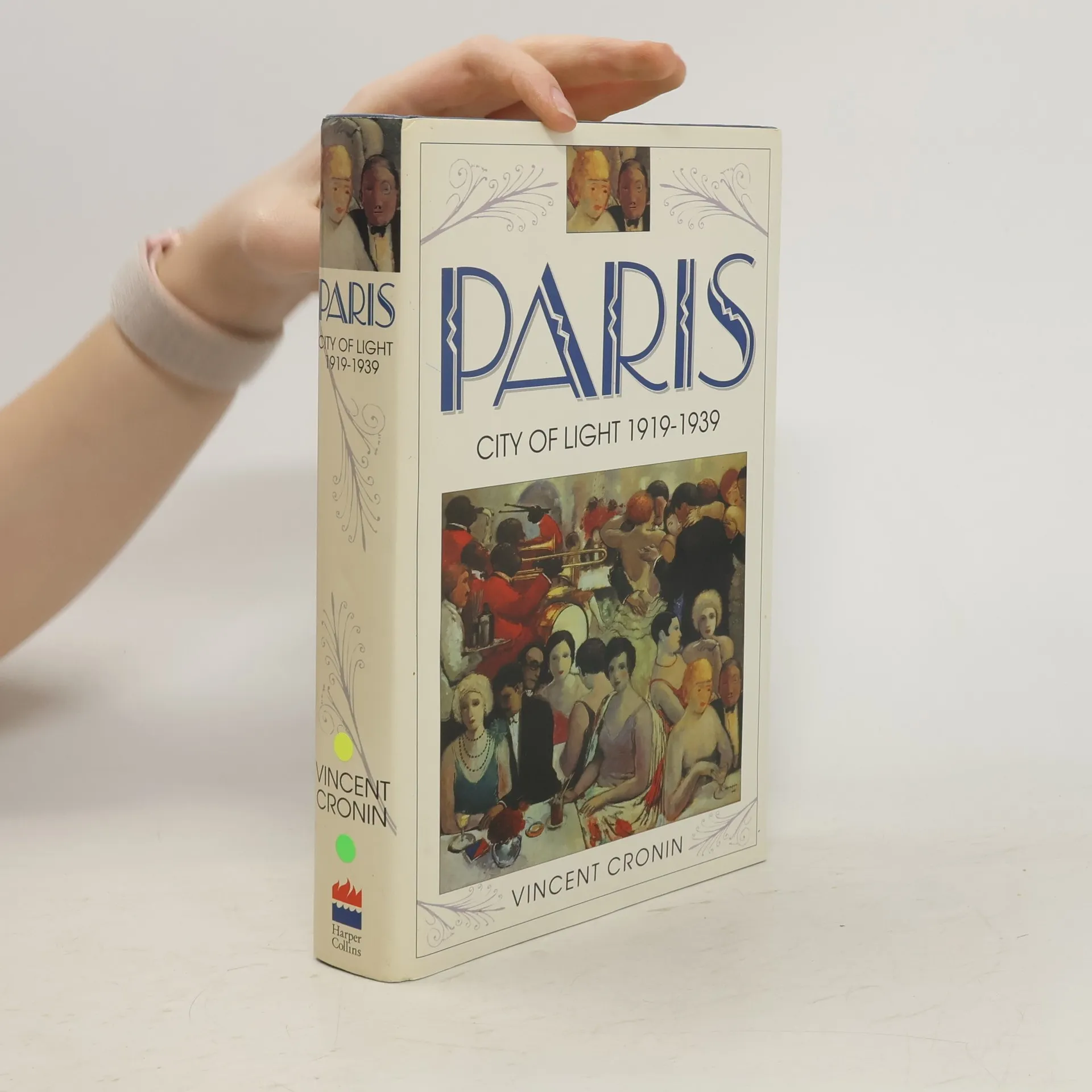
Paris between the wars: our impression is one of gaiety, frivolity, fashion, of exuberant living - a city whose lights were put out by the terrifyingly rapid advance of the German panzers in 1940. And so, in some ways, it was. But as Vincent Cronin shows in this compelling and original book - which encompasses social, intellectual, political and cultural history - the full picture was much more complex. Cronin examines developments in the arts, fashion and politics, and has something surprising to say about each of them; but also investigates the achievements of Parisian philosophers and industrialists. It is notoriously difficult to perceive valid patterns across such a broad range of human activities as these, but that is exactly what Cronin has done. The result is a thoroughly convincing and engrossing portrait of a city outwardly confident and intent on enjoying life, but behind that uncertain, divided and ultimately incapable of standing up to aggression.
Julius II - Caesar Augustus - Germany - The arts - Venetian republic - Venetian architecture - Venetian painting - Venetian art - Pallidio - Carpaccio ; Contain in Appendix C a list of the whereabouts of the works of art mentioned in the text. Appendix A details Italian currencies and their values; Contains list of Popes from 1450 to 1616.
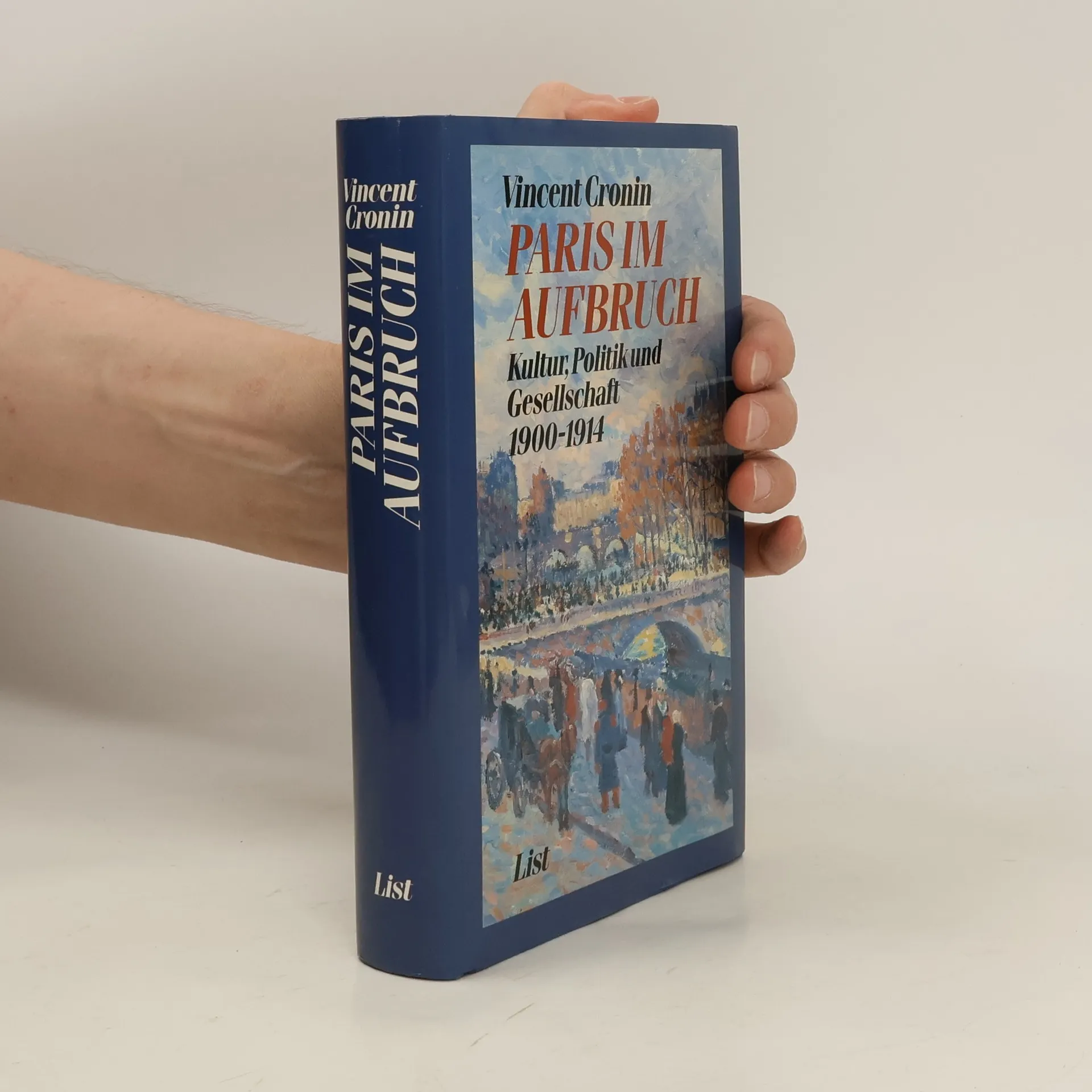
Dieses Porträt von Paris zwischen 1900 und 1914, als es das künstlerische Zentrum Europas war, wird durch eine Reihe von Charakterstudien wichtiger Persönlichkeiten wie Proust, Gide, Claudel, Debussy, Sarah Bernhardt, Picasso, Diaghilev und den Curies lebendig. Indem der Autor die Fäden ihres Lebens zusammenführt, hebt er eine Subtilität und Feinheit im künstlerischen und intellektuellen Leben hervor, die in den vergnügungssüchtigen 1890er Jahren nicht vorhanden war. Doch dunkle politische Wolken zogen auf mit der deutschen Besetzung von Elsass-Lothringen, der Agadir-Krise und den Auswirkungen der wachsenden Entente Cordiale auf Deutschland – Ereignisse, deren volle Bedeutung Intellektuelle und Künstler nicht erkannten.
Matteo Ricci, an early recruit of the Jesuit order, was sent to China as a missionary in 1582. If he approached the Emperor with a Bible in one hand, in the other he carried much of the accumulated technological and philosophical wisdom of the late Renaissance Europe, and thus found favour among the Mandarins, the men of learning who enjoyed high status at the Imperial Court. He learned Chinese the better to discuss with them the problems in science and technology, as also questions of religion and the hereafter. But his progress was not unopposed, for the Wise Man from the West came to be seen as an unsettling element in a too-settled society. Ricci died in 1610, disappointed in his ambition to convert the Emperor, and with him the whole of China, to Christianity. But the seed was sown and the crop, even after almost a century of atheistic communism, continues to grow in present-day China. This story of the first fully documented contact between West and East offers a fascinating insight into the history of ideas during one of the most fertile eras in European and Chinese history. Vincent Cronin has built up a reputation with his scholarly, elegantly written works of history and biography, as one of the finest popular historians of his generation. This early book proves his gift as an acutely observant and sensitive historian.
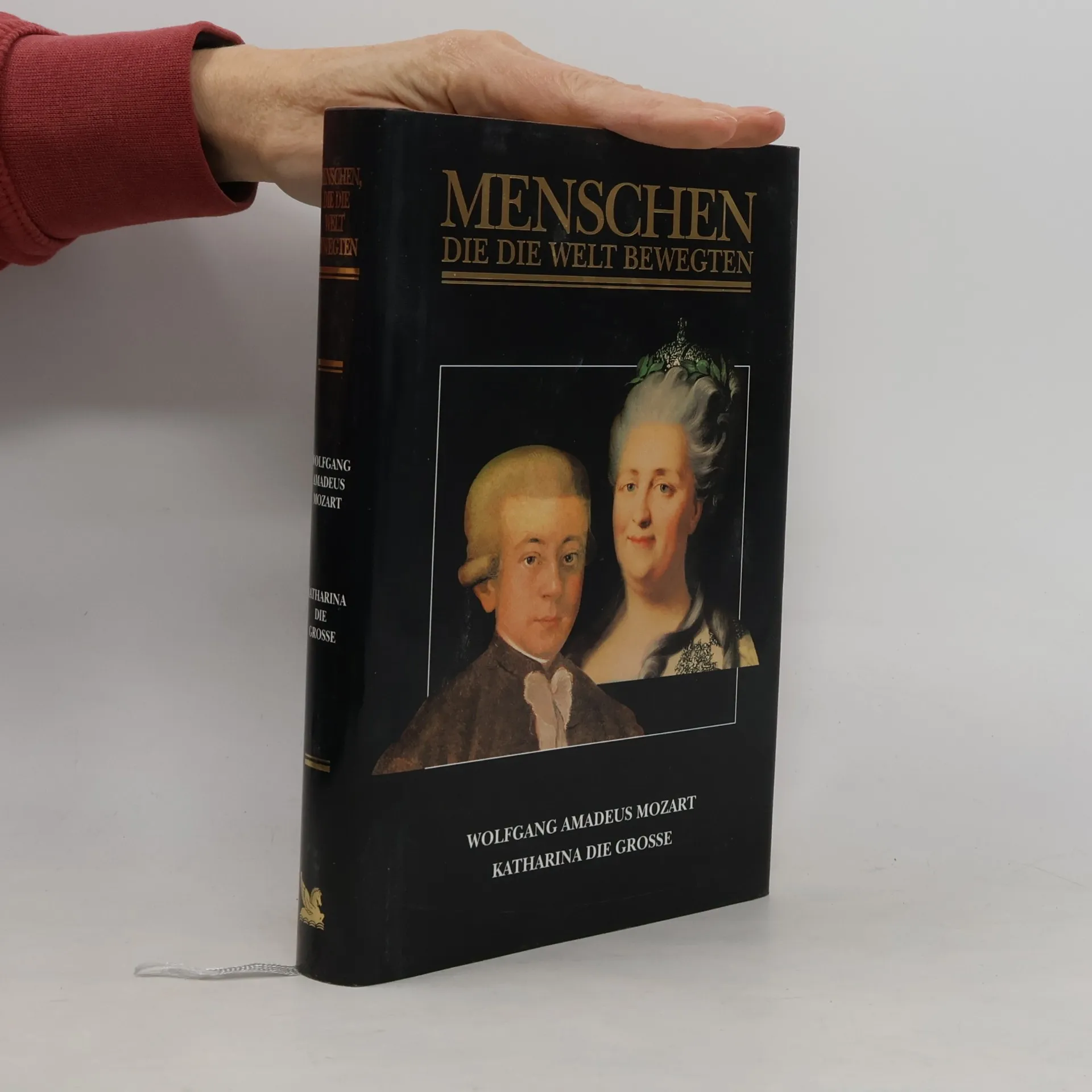
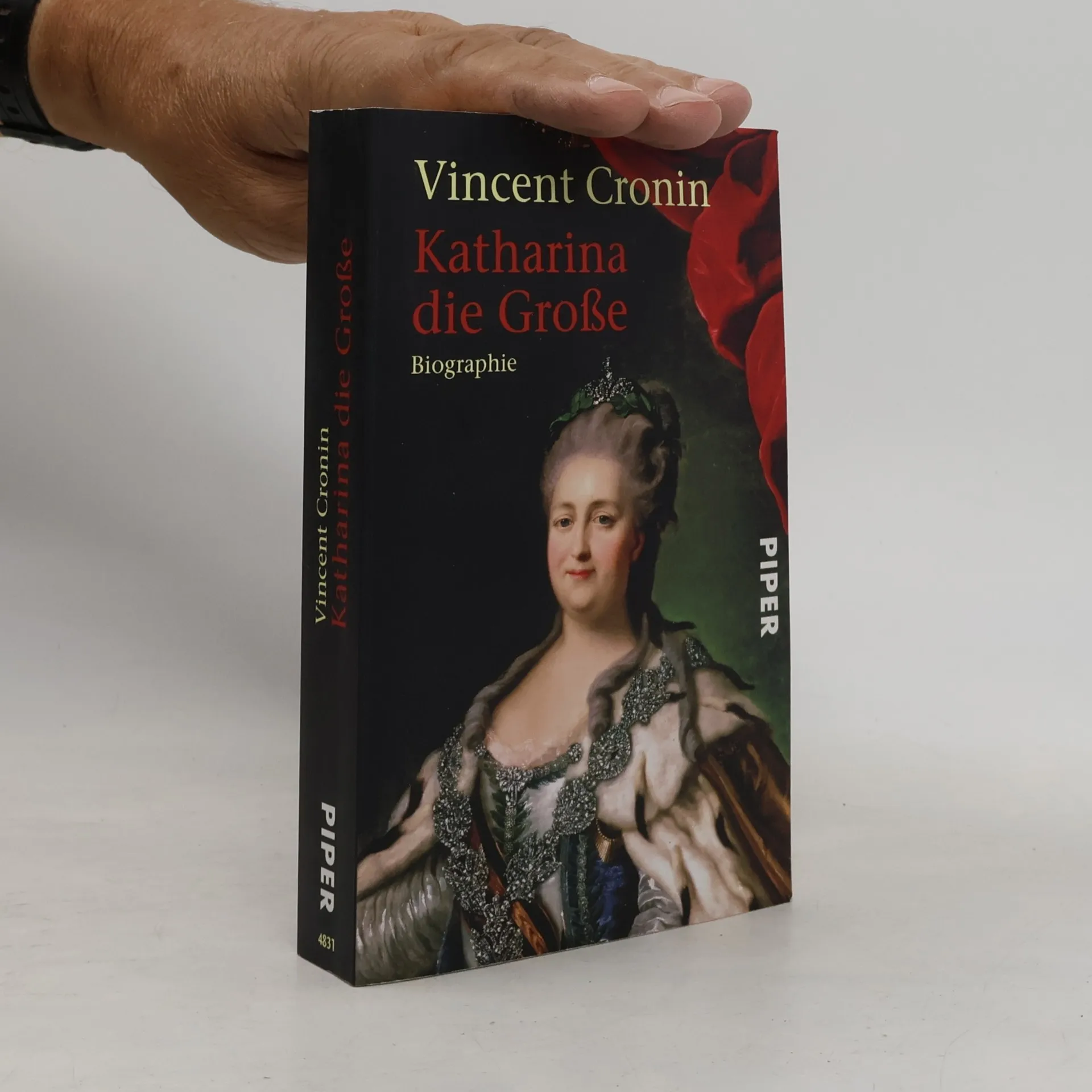
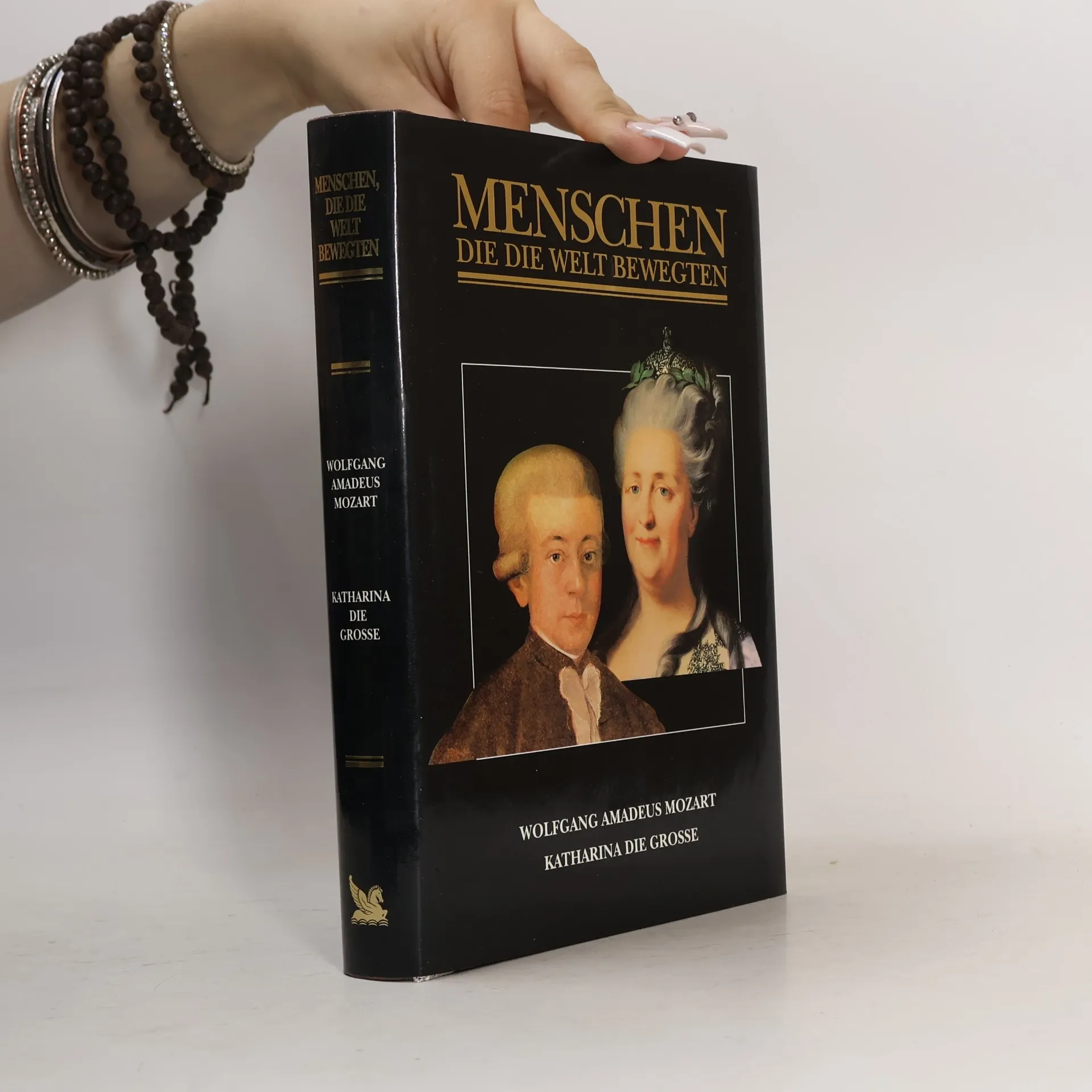
Sie wurde als Tochter eines deutschen Fürsten geboren und mit 33 Jahren Herrscherin des russischen Reichs – Katharina II. (1729–1796). Die Geschichte verlieh ihr den Beinamen »die Große«. Vincent Cronin porträtiert die schillernde Persönlichkeit der russischen Zarin, ihr ereignisreiches Privatleben und ihre großen Leistungen als Regentin – gerade auch bei der Verwirklichung weitreichender Sozialreformen. Und er korrigiert damit ein über lange Zeit verfälschtes Geschichtsbild.
Selten sind Gestalten der Weltgeschichte schon zu Lebzeiten so sehr der Verleumdung zum Opfer gefallen wie Ludwig XVI. und Marie-Antoinette. In seiner brillanten Doppelbiographie zeigt Vincent Cronin den letzten König des vorrevolutionären Frankreichs und seine Gemahlin erstmals im wahren Licht. Das faszinierende Lebensbild zweier außergewöhnlicher Menschen in einer turbulenten Zeit.
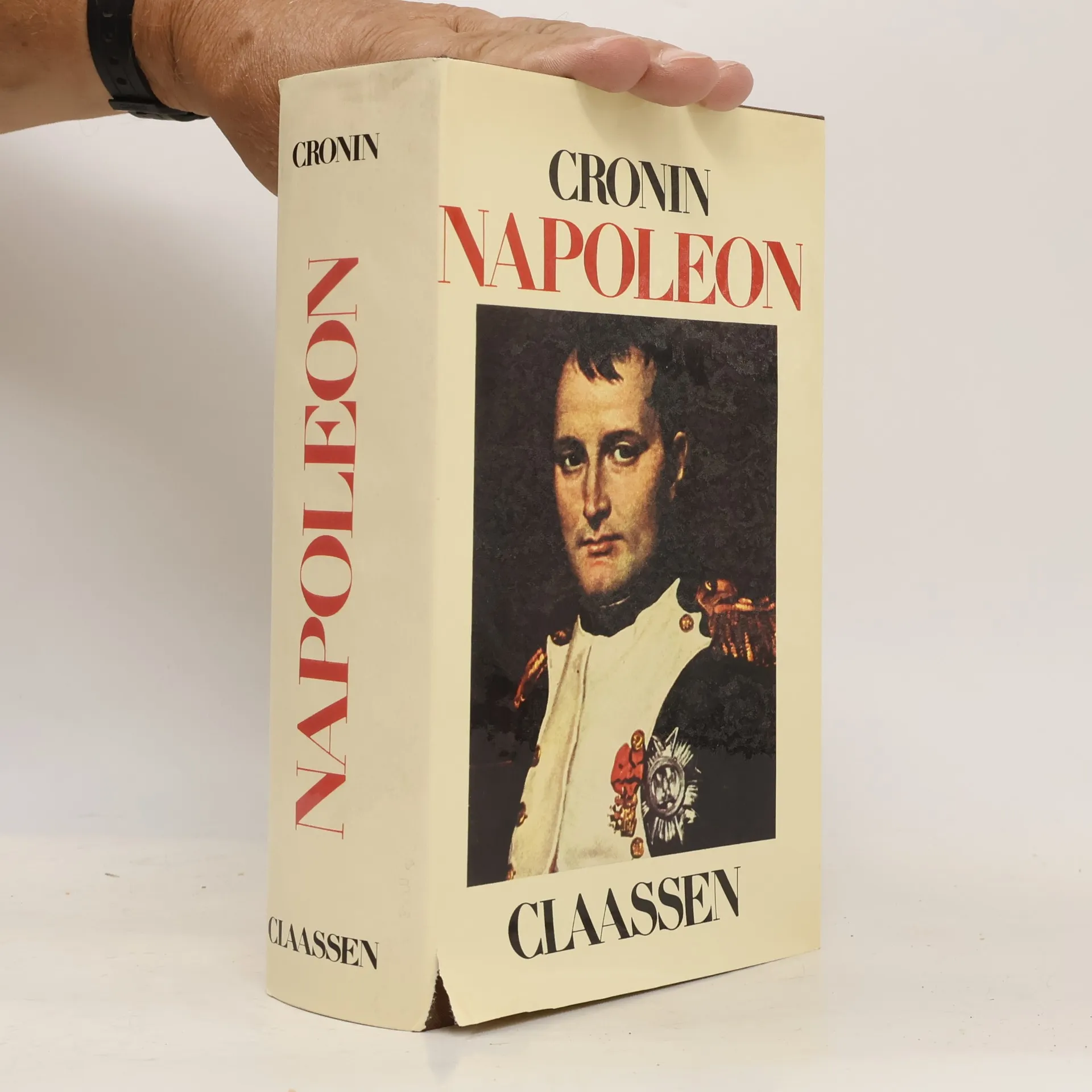
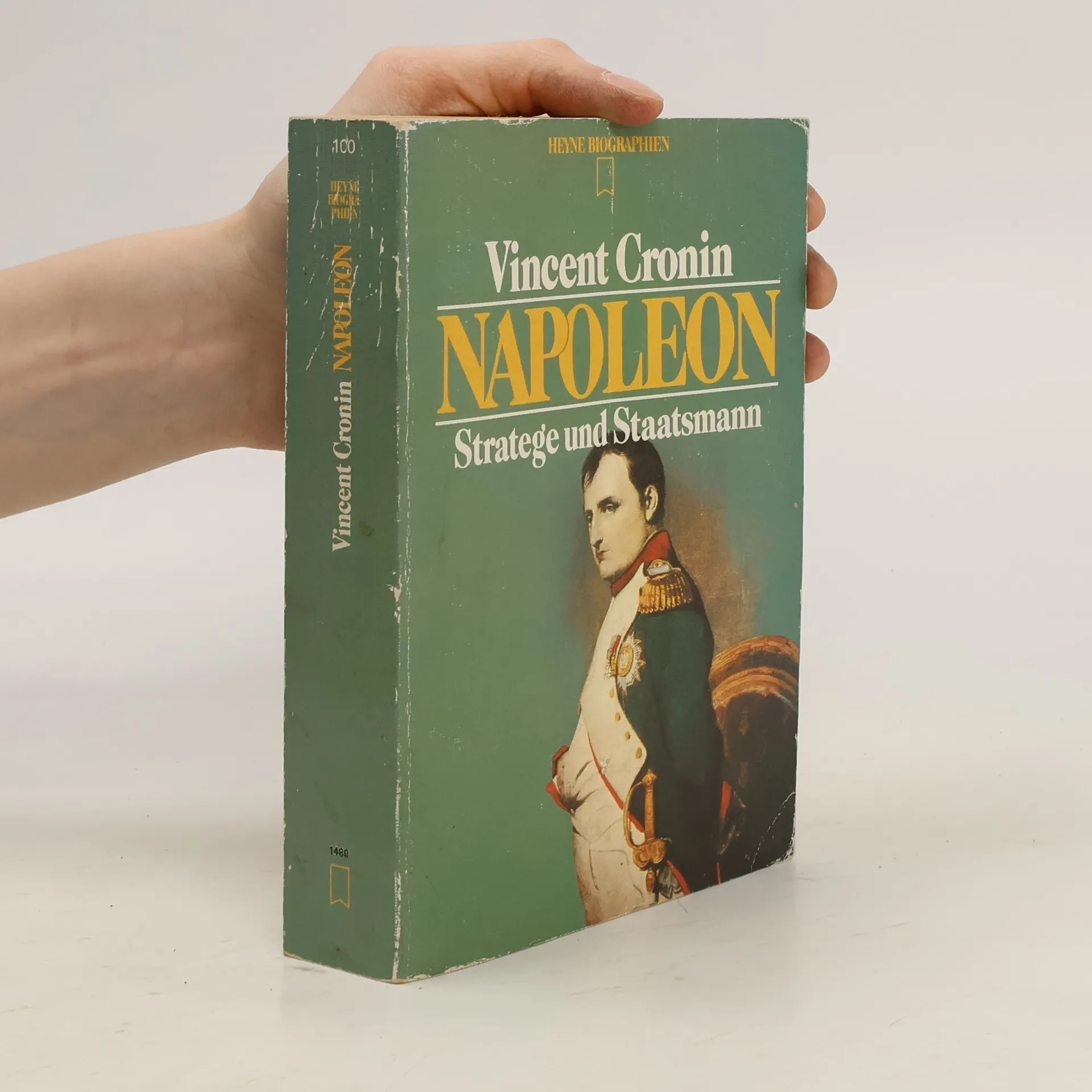
Diese umfassende, glänzend geschriebene Biographie lässt den berühmtesten Sohn Frankreichs in neuem Licht erscheinen. Die angesehene Londoner Zeitschrift The Economist urteilt, es sei "sicherlich die beste Lebensdarstellung Napoleons, die es gibt." Vincent Cronin schildert eindrucksvoll den Werdegang des Mannes, der das Gesicht Europas veränderte, von seiner Kindheit in Korsika bis zu seinem Tod in der Verbannung auf St. Helena. Im Gegensatz zu vielen anderen Biographien konzentriert sich Cronin weniger auf die Kriege und Schlachten, die Napoleons Ruhm begründeten. Stattdessen wird der Mensch Napoleon in den Vordergrund gerückt – eine große Persönlichkeit, die ihren kometenhaften Aufstieg kriegerischer Genialität verdankte, jedoch als Staatsmann Bleibendes schuf. Cronin hat neue Quellen ausgewertet, darunter die Aufzeichnungen eines Jugendfreundes, Napoleons Briefe an seine frühe Geliebte Désirée, eine lange als verschollen geglaubte autobiographische Erzählung sowie Erinnerungen eines Kammerdieners und das Tagebuch General Bertrands über die letzten Jahre auf St. Helena. Alte Überlieferungen wurden kritisch überprüft und korrigiert. Diese fesselnde Biographie lässt eine ganze Epoche in der schicksalhaften Persönlichkeit eines Mannes lebendig werden.


![Ludwig XVI [der Sechzehnte] und Marie-Antoinette](https://rezised-images.knhbt.cz/1920x1920/69088484.webp)