Following in Your Footsteps, Volume III: The Lotus-Born Guru in Tibet
- 320 Seiten
- 12 Lesestunden


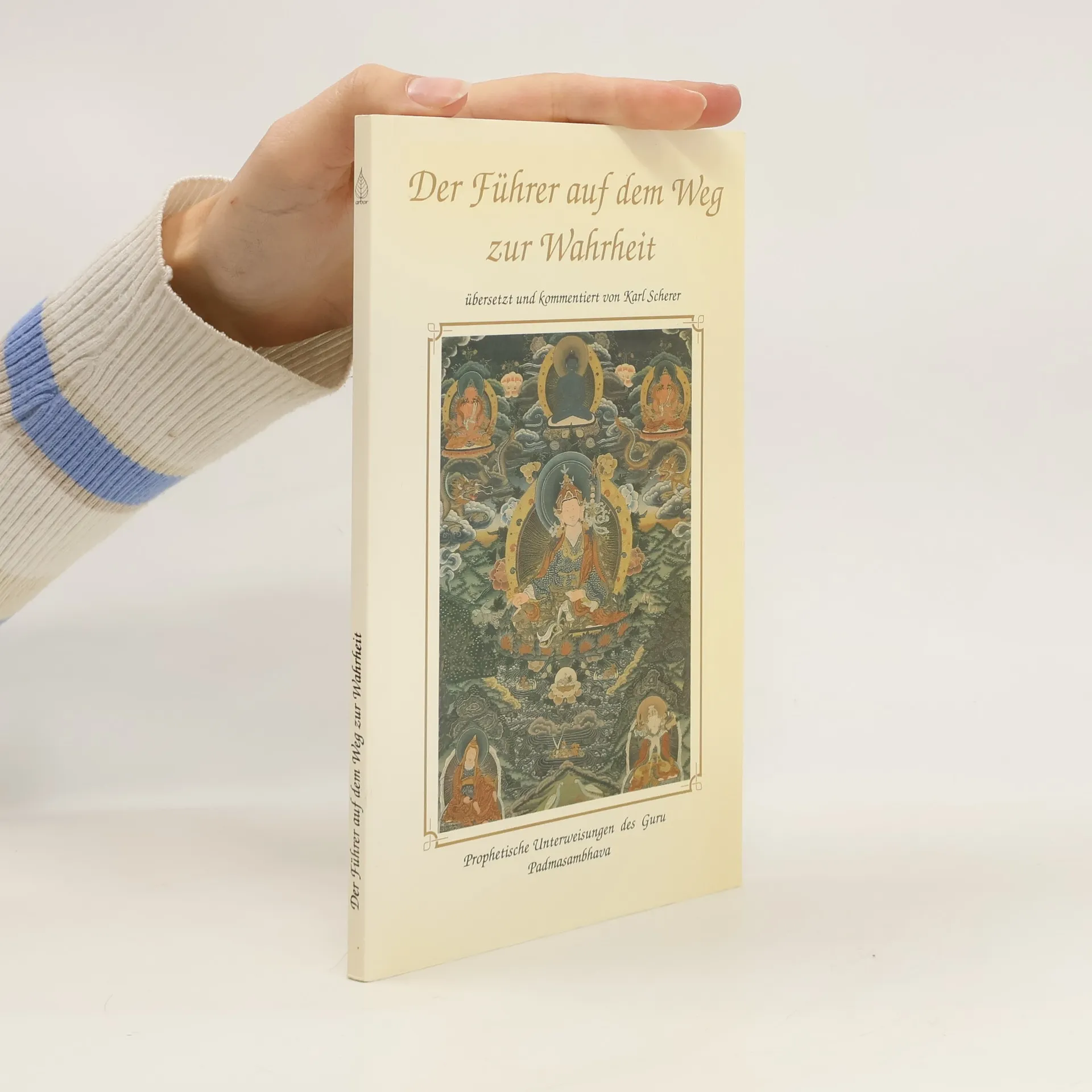
Padmasambhava, verehrt als der „Kostbare Meister“, ist eine Schlüsselfigur im tibetischen Buddhismus, insbesondere in der Nyingma-Tradition. Seine Lebensgeschichte ist von Legenden durchdrungen, die seine außergewöhnlichen Fähigkeiten und seine spirituelle Kraft hervorheben. Er gilt als zweiter Buddha, der die tantrischen Lehren nach Tibet brachte.



Tybetańska księga umarłych to starożytny, buddyjski tekst, który traktuje o naturze umysłu i jego przejawach doświadczanych jako obiektywie istniejące światy. Szczegółowo opisuje on wizje, które pojawiają się po śmierci, gdy świadomość nie jest już dłużej związana z ciałem. Tybetańska księga umarłych uczy jak rozpoznawać owe wizje, dzięki czemu możliwe jest nawet osiągnięcie stanu oświecenia. Dlatego też tekst Tybetańskiej księgi umarłych czyta się na głos umierającym jako pomoc w rozpoznaniu doświadczanych wówczas wizji i osiągnięciu wyzwolenia. Przekład Tybetańskiej księgi umarłych został dokonany z języka tybetańskiego przez Ireneusza Kanię, wybitnego tłumacza i tybetologa, który jest również autorem Wprowadzenia poprzedzającego jej tekst. Ten klasyczny, buddyjski tekst przynosi nie tylko objaśnienie fundamentalnych fenomenów śmierci i umierania; może on także zainteresować tych wszystkich, którzy poszukują głębszego, duchowego zrozumienia naszej codziennej egzystencji.
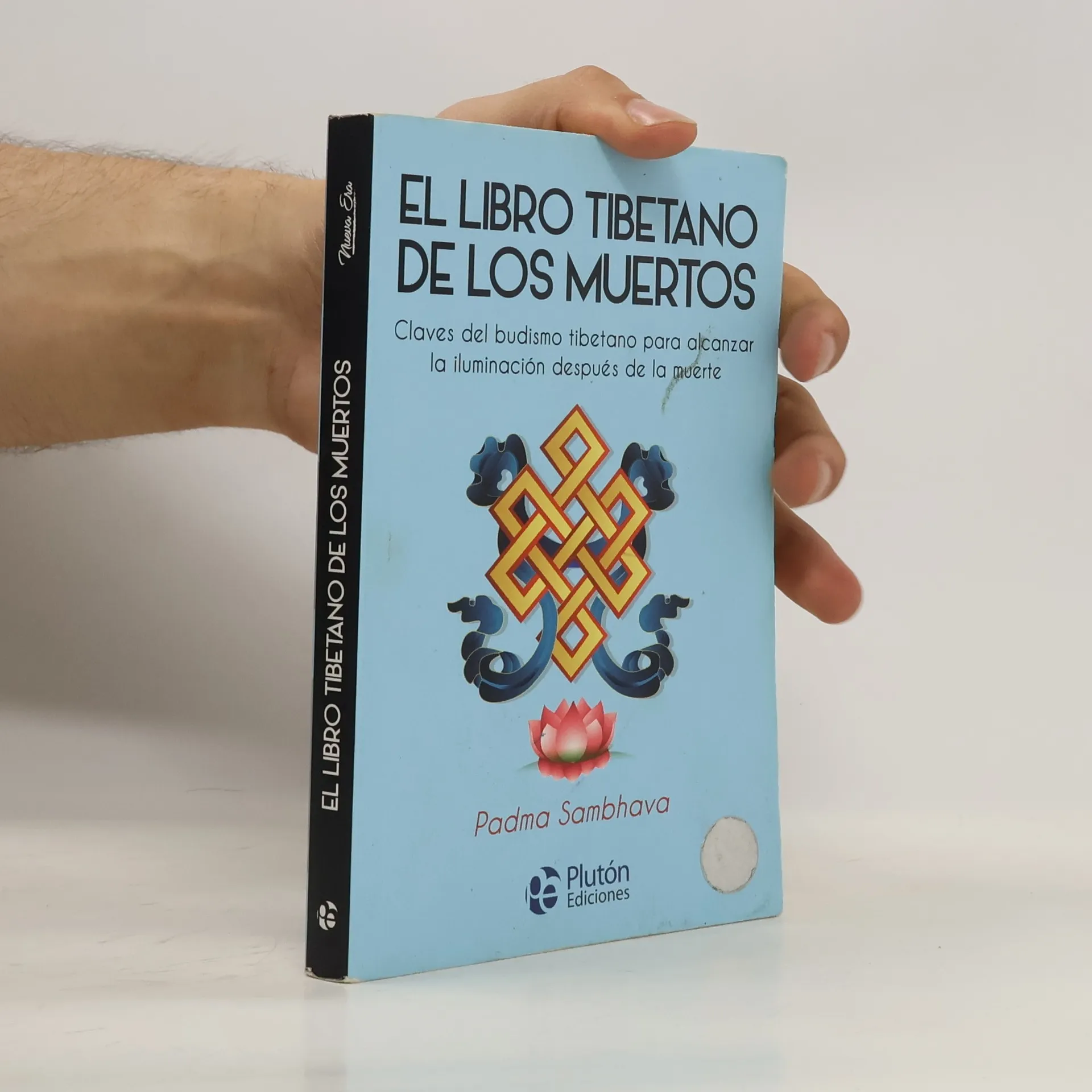
La muerte es el tema tabú de nuestro tiempo. Existe una notable laguna en el hombre occidental actual sobre qué nos espera después de este acontecimiento inevitable. El libro tibetano de los muertos, o Bardo Thodol, es una guía para realizar felizmente el tránsito de la muerte. En la línea de los Ars Moriendi medievales, nos enseña a ayudar al moribundo a atravesar los estados intermedios o bardos. Utilizado como libro guía en la experiencia psicodélica por Timothy Leary y sus seguidores, es desde hace siglos el libro sagrado de los tibetanos y los budistas tántricos. La lectura de El libro tibetano de los muertos es útil para todos los seres, ya que las experiencias básicas que describe son idénticas para todos, en todas las épocas y en todos los lugares.
"El libro tibetano de los muertos” o “Bardo Thödol”, también conocido por los budistas como “La gran liberación por la audición en el estado intermedio”, es una de las escrituras espirituales y religiosas tibetanas de mayor influencia en el mundo occidental debido a sus indagaciones psicológicas sobre el proceso de la muerte. Compuesto en el siglo VIII d. de C., por Padma Sambhava, gurú reconocido por llevar el budismo al Tíbet, su intención es la de guiar al alma por el sendero de la iluminación trascendental. En sus páginas se muestran las diversas manifestaciones que aparecen en la conciencia del difunto cuando abandona su cuerpo: miedo, dolor, apego, pasión, dependencia, rencor, ambición, odio, futilidad, comodidad, placer, entre otras. Reconociendo dichas manifestaciones, estaremos preparados para el viaje al más allá, y podremos entender la verdadera naturaleza del ser y alcanzar el estado de iluminación, tanto en esta existencia como en la venidera."--Back of cover
Following in Your The Lotus-Born Guru in India presents the incredible feats of Guru Padmasambhava in the Indian subcontinent. This tantric embodiment of awakening spent hundreds of years training with the greatest masters of India, practicing in charnel grounds, protecting the Dharma, and spreading these marvelous teachings far and wide.
Ein Leitfaden zu Sicht, Meditation und Resultat der Neun Fahrzeuge
Following in Your The Lotus-Born Guru in Nepal presents the remarkable feats of Guru Padmasambhava in the Himalayan region of Nepal. This tantric embodiment of awakening spent years in retreat, imparting teachings to disciples and concealing countless treasures. The narrative explores sacred sites linked to his activities, closely following Orgyen Lingpa’s Pema The Chronicles of Padma, a pivotal treasure biography. These Himalayan stories are enriched by rare accounts and visions from esteemed Tibetan masters such as Jamyang Khyentsé Wangpo, Chokgyur Dechen Lingpa, and Jamyang Khyentsé Chökyi Lodrö. The text includes a fresh translation of Jamgön Kongtrul’s classic biography, alongside teachings from contemporary Tibetan masters Neten Chokling Rinpoché and Phakchok Rinpoché. Additionally, it features essential supplications and prayers in both English and Tibetan, complemented by stunning paintings and photographs to inspire your journey. This work is the first of a three-part series tracing Guru Padmasambhava’s journey through India, Nepal, Bhutan, and Tibet. Lhasey Lotsawa has curated treasured stories from these regions to serve as a rich source of inspiration for pilgrims. Those wishing to follow in the footsteps of the Lotus-Born Guru will find these authentic texts invaluable companions on their path.
This final, public section of The Light of Wisdom, Volume III, Teachings on the Secret Empowerment, is once again a compilation of three (1) Lamrim Yeshe Nyingpo (The Gradual Path of the Wisdom Essence), a terma root text recorded by Yeshe Tsogyal and revealed in unison by Chokgyur Lingpa and Jamyang Khyentse Wangpo; (2) The Light of Wisdom, a commentary on the Lamrim Yeshe Nyingpo by Jamgon Kongtrul the Great; (3) Entering the Path of Wisdom, notes on these teachings collected by Jokyab Rinpoche. These teachings on tsa lung practice, channels, wind-energies, and essences (bindus) is kept secret like the name of the empowerment itself that authorizes the practitioner to engage in these trainings. After reviewing the material and discussing with one of my teachers, both of us fully aware of the constraints, I felt it best to share this volume with sincere Western practitioners who will need and benefit from these teachings.
A core text of the Nyingma tradition of Tibetan Buddhism, presented in English for the first time, with commentary by Jamgön Mipham, one of the Nyingma tradition's most lucid and brilliant minds.A concise commentary by the eighth-century Indian Buddhist master Padmasambhava on a chapter from the Guhyagarbha Tantra , which gives an overview of the different Buddhist and non-Buddhist philosophical views, including the Great Perfection (Dzogchen), with an explicative commentary by the nineteenth-century scholar Jamgön Mipham (1846-1912). Padmasambhava's text is a core text of the Nyingma tradition because it provides the basis for the system of nine vehicles (three sutra vehicles and six tantra vehicles) that subsequently became the accepted way of classifying the different Buddhist paths in the Nyingma tradition. Mipham's commentary is the one most commonly used to explain Padmasambhava's teaching. Mipham is well known for his prolific, lucid, and original writings on many subjects, including science, medicine, and philosophy, in addition to Tibetan Buddhist practice and theory.
These ancient texts, attributed to the great Tibetan meditation master Padmasambhava, offer traditional Vajrayana Buddhist teachings on the nature of the fundamental elements that make up our world. The translator’s commentaries show us a practical view of how to use these life-energies for personal development.
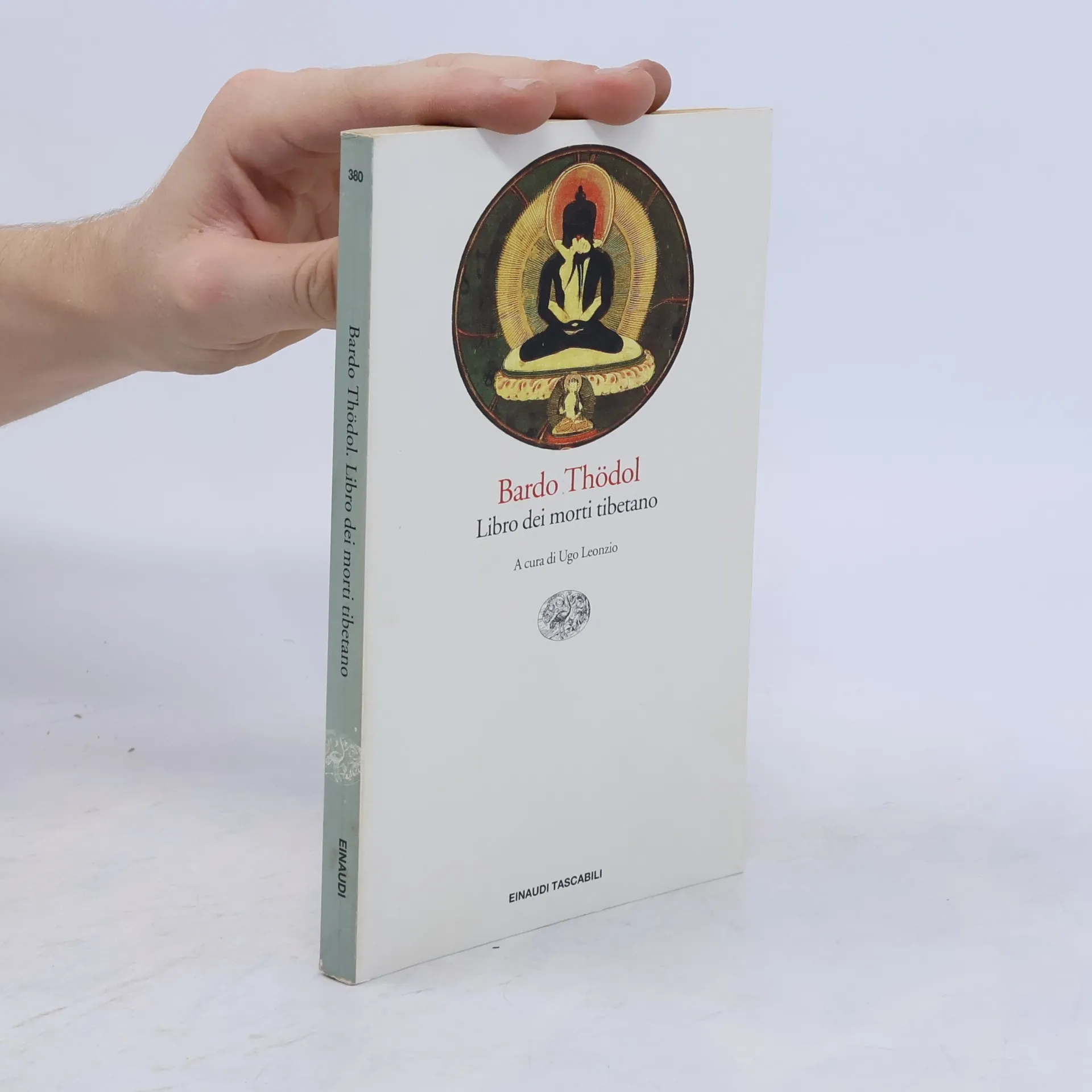
Da quando nel 1927 l'inglese W. Y. Ewans-Wentz pubblicò in Occidente, con enorme successo, il cosiddetto Libro dei morti tibetano o Bardo Thodol , questo sacro testo è stato considerato un viatico fantastico per i morti che si trovassero nell'imbarazzante condizione di orientarsi nei Regni Oltremondani; oppure è stato usato come breviario di sontuose allucinazioni, o come risposta alle curiosiotà morbose che circondano l'altra parte della vita. In realtà questo "ascolto per la grande liberazione", come suona il titolo originale, è una guida per i vivi che introduce alla conoscenza di uno spazio in cui vita e morte si susseguono incessantemente. Questo spazio è costituito dalla nostra mente e dai suoi contenuti inconsci, che si liberano quando il corpo muore. Il libro offre la chiave che permette di penetrare nel segreto della Vacuità, che non è il grande Nulla, ma la potenzialità assoluta e luminosa da cui ogni forma prende misteriosamente origine, ed in cui altrettanto misteriosamente scompare. Le visioni fiammeggianti che descrive ci conducono in quella parte profonda della nostra vita che siamo erroneamente abituati a chiamare morte.
Erste vollständige Ausgabe - Mit einleitendem Kommentar des XIV. Dalai Lama
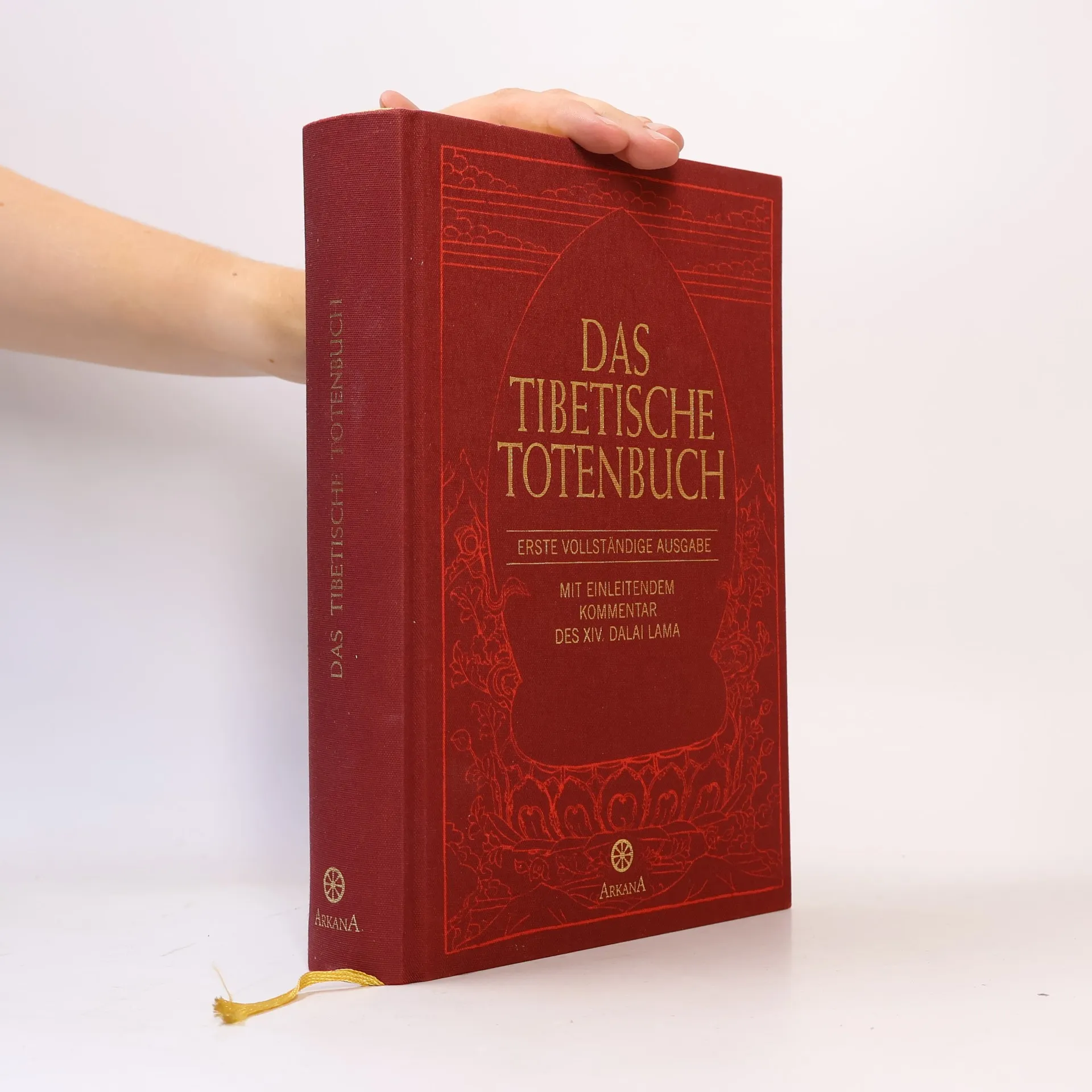
Die erste vollständige Ausgabe des großen tibetischen Weisheitsbuchs bietet tiefgehende Antworten auf universelle Fragen, die Menschen aller Kulturen beschäftigen: Wie finden wir Frieden mit uns selbst und unserem Leben? Wie können Angehörige den Sterbeprozess unterstützen? Was erlebt ein Sterbender? Wie erfolgt der Übergang in eine neue Realität? Gibt es ein Leben nach dem Tod und Wiedergeburt? Die Antworten im Tibetischen Totenbuch sind umfassend, kompetent und tröstlich. Der Dalai Lama erläutert im Vorwort die tibetische Sicht auf Tod und Wiedergeburt. Die Herausgeber bieten sachkundige Kommentare zu jedem Kapitel, die den Lesern einen einzigartigen Zugang ermöglichen. Eine Textgeschichte, ein Glossar wichtiger Begriffe, eine Liste von Gottheiten und Bodhisattvas sowie eine Bibliographie und Fußnoten ergänzen die präzise und liebevolle Gestaltung dieser Publikation. Farbenfrohe Abbildungen tibetischer Thangkas und Mandalas vermitteln den Reichtum der alten tibetischen Kultur. Diese erste vollständige Ausgabe setzt sowohl ästhetisch als auch wissenschaftlich neue Maßstäbe. Die liebevolle Ausstattung in Leinen, mit Lesebändchen und Farbschnitt, sowie 16 Farbtafeln machen das Werk zu einem bibliophilen Schatz.
Padmasambhava, the Indian mystic and tantric Buddhist master, is second only to Buddha Shakyamuni as the most famous personage in the Tibetan tradition of Buddhism. In the ninth century, he made the journey across the Himalayan Mountains to establish Buddhism for the people in that country. Now, more than 1,000 years later, we are able to hear and be touched by his voice as contained within this collection of oral advice. Sometimes with humor, sometimes with biting sarcasm, Dakini Teachings covers a wide range of instructions. Given not only to the king of Tibet but also to uneducated people, it is a classic work of valid truths for anyone who sincerely wants to follow a spiritual path in every walk of life.
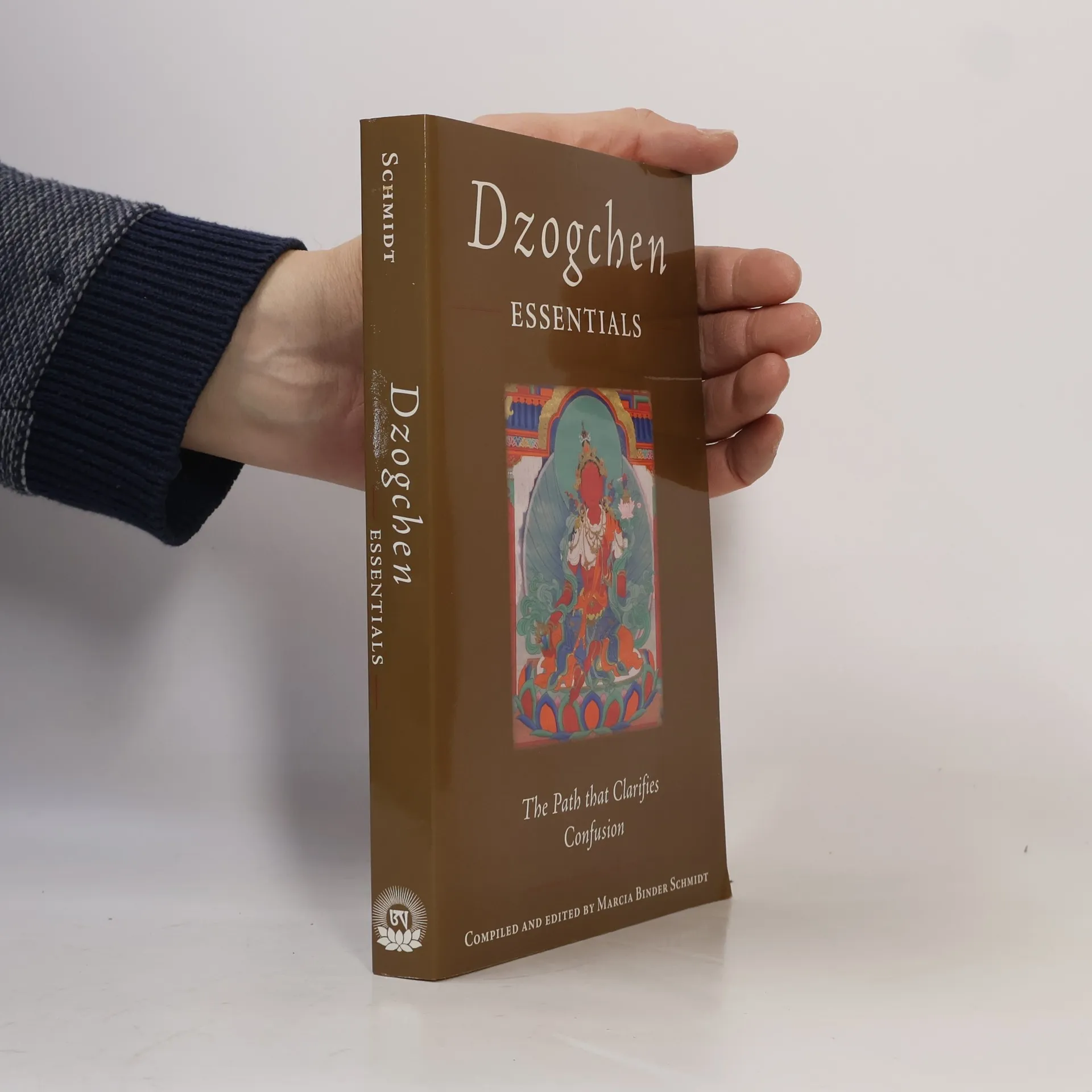
The Tibetan Buddhist meditation practice known as Dzogchen is a pragmatic method for getting in touch with the pure, clear awareness that is hidden under our constant flow of anxious thoughts. Dzogchen Essentials makes available the methods to meet and utilize this rich spiritual path.Marcia Binder Schmidt, a long time, close attendant to one of the foremost Dzogchen Masters of the last century, Tulku Urgyen Rinpoche, has put together the most comprehensive and accessible collection of the essential instructions vital to this subject. She has organized them into a handbook for the genuine trainee of this tradition. The book includes a useful preface an introductory teaching by a leading Dzogchen Master as well as classical and original pieces that impart crucial explanations. This is a book for the layperson as well as the scholar.For centuries, Dzogchen has been a secretly held and privately transmitted teaching, which was unknown beyond the confines of Tibetan culture. But that changed in the final decades of the last century, as many Tibetans saw the long-awaited unfolding of a famous ninth-century "When the Dark Age is rampant, the Dzogchen teachings will blaze like wildfire."
“ Don’t mistake mere words to be the meaning of the teachings. Mingle the practice with your own being and attain liberation from samsara right now.”PadmasambhavaPadmasambhava is the primary master of Vajrayana, the teachings for our time. Out of his great compassion and wisdom, he instructed his main disciple Yeshe Tsogyal to conceal terma treasures to be revealed at the destined time for future practitioners. The profundity of this advice is meant to be personally applied by all individuals in all circumstances. It is a classic work, which contains valid truth for anyone who sincerely wants to follow a spiritual path.“The chief compiler of Padmasambhava’s teachings was Yeshe Tsogyal, an emanation of a female Buddha. There may be some people who believe that only men can attain enlightenment, but her life is proof to the opposite. The awakened state of mind is neither male or female.”Tulku Urgyen Rinpoche, from Introductory Teachings
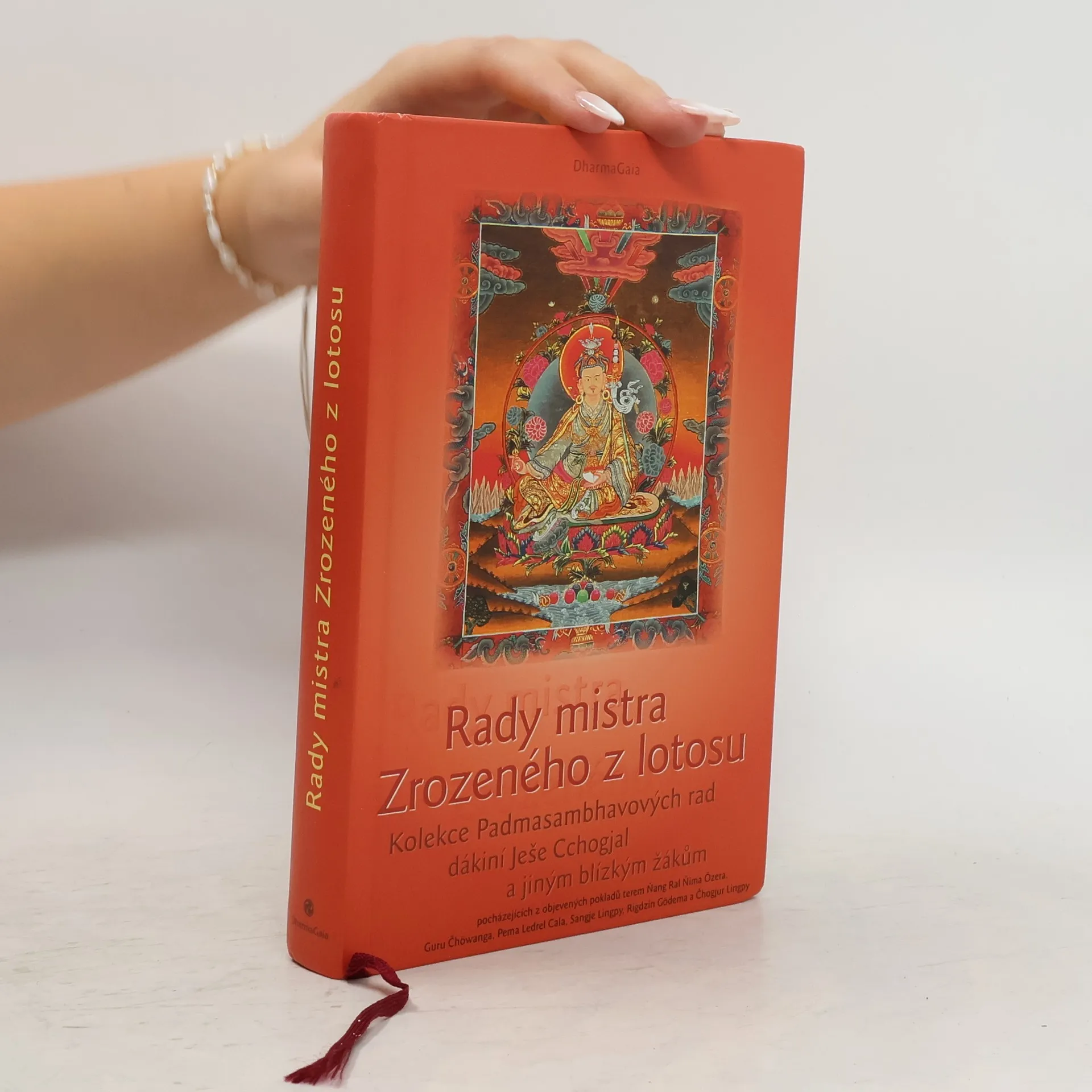
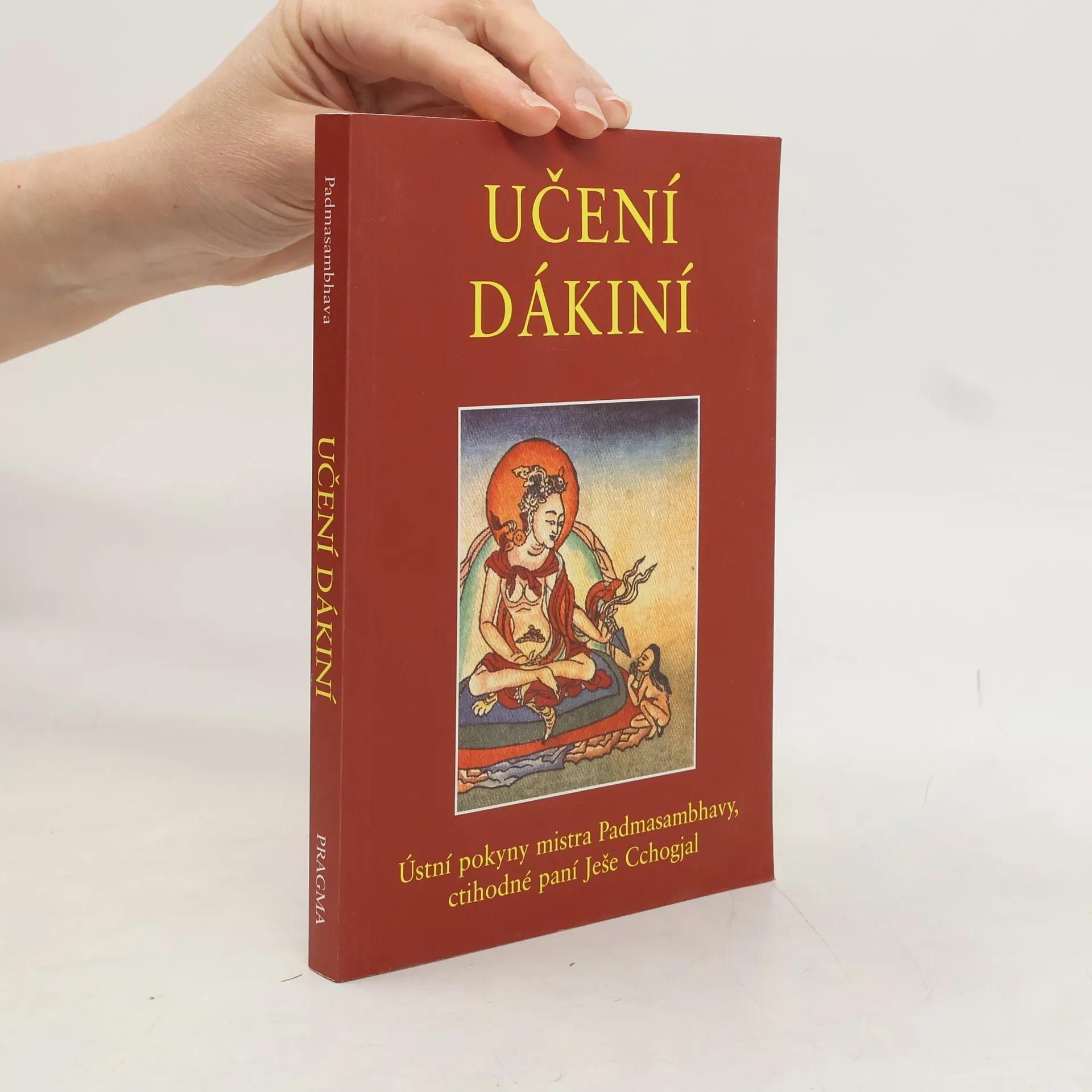
Guru Padmasambhava byl jedním z velkých indických učitelů, kteří v 8. století uvedli buddhismus do Tibetu. Dodnes je považován za nejvýznamnějšího mistra tantrického buddhismu a v Tibetu za druhého buddhu. Dvanáct jeho různých textů (terma), převážně ústních poučení blízkým žákům, ukryla jako „vzácné poklady“ pro dobro budoucích generací jeho hlavní žačka Ješe Cchogjal. Antologii sestavil a do angličtiny přeložil Erik Pema Kunsang. Úvod Tulku Urgjen Rinpočhe. Český překlad Překladatelská skupina Dzogčhenu.
Učení Dákiní – Ústní pokyny mistra Padmasambhavy, ctihodné paní Ješe Cchogjal (Padmasambhava): Autentické učení tibetského buddhismu, obsažené v této knize, je jedním ze starých ukrytých textů (v tibetštině zvaných termy), určených pro lidi pozdější doby. Padmasambhava, indický buddhistický mistr, přinesl v osmém století nauku z Indie do Tibetu a předal ji mimo jiné i Ješe Cchogjal, jedné ze svých předních žáků. Ta je na jeho žádost zaznamenala v písemné formě a ukryla jako vzácný poklad pro příští generace.Kniha obsahuje jádro učení tibetského buddhismu, souhrn praktických rad psaných pro ty, kteří se zabývají buddhismem v praxi. Z tibetských textů vybral a do angličtiny přeložil Erik Pama Kunzang (Erik Hein Schmidt).
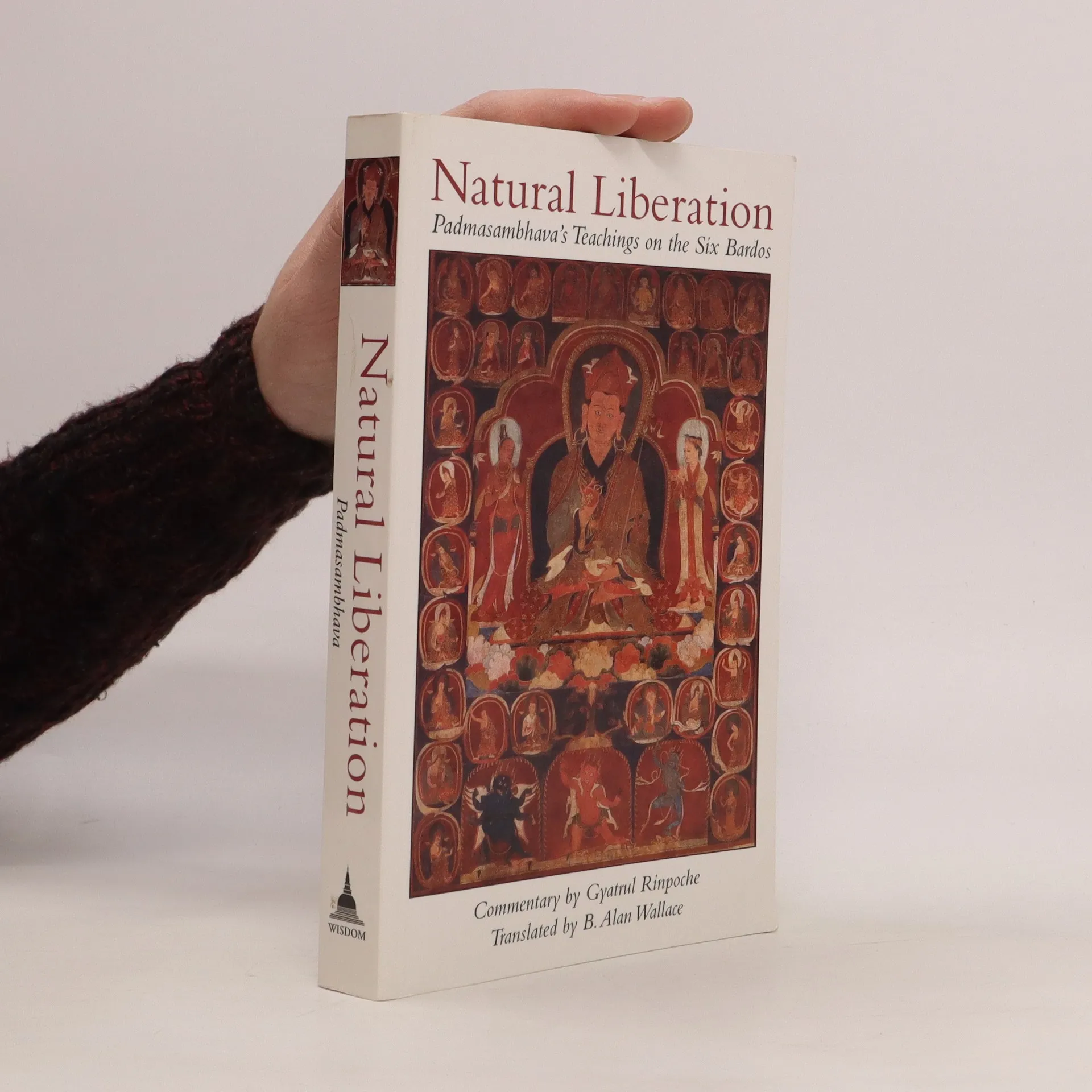
A perfect companion to the well-known Tibetan Book of the Dead .In life and in death, in meditation and in sleep, every transitional stage of consciousness, or bardo, provides an opportunity to overcome limitations, frustrations, and fears. The profound teachings in this book provide the under- standing and instruction necessary to turn every phase of life into an opportunity for uncontrived, natural liberation.Like the Tibetan Book of the Dead, Natural Liberation is a terma, a "hidden treasure" attributed to the eighth-century master Padmasambhava. Gyatrul Rinpoche's lucid commentary accompanies the text, illuminating the path of awakening to the point of full enlightenment. Natural Liberation is an essential contribution to the library of both scholars and practitioners of Tibetan Buddhism.
Guru Rinpočhe, jenž byl zván také Padmasambhava, "Zrozený z lososu", je proslulým autorem Tibetské knihy mrtvých. Tyto základní pokyny pro duchovní cestu nechal kdysi uschovat před nepřízní času spolu s dalšími texty v tibetských horách. jsou proto známy jako termy, "skryté poklady". Po tisíci letech nastává doba, kdy se prastaré tajemství, jež nás spojuje, otevírá opravdu všem....
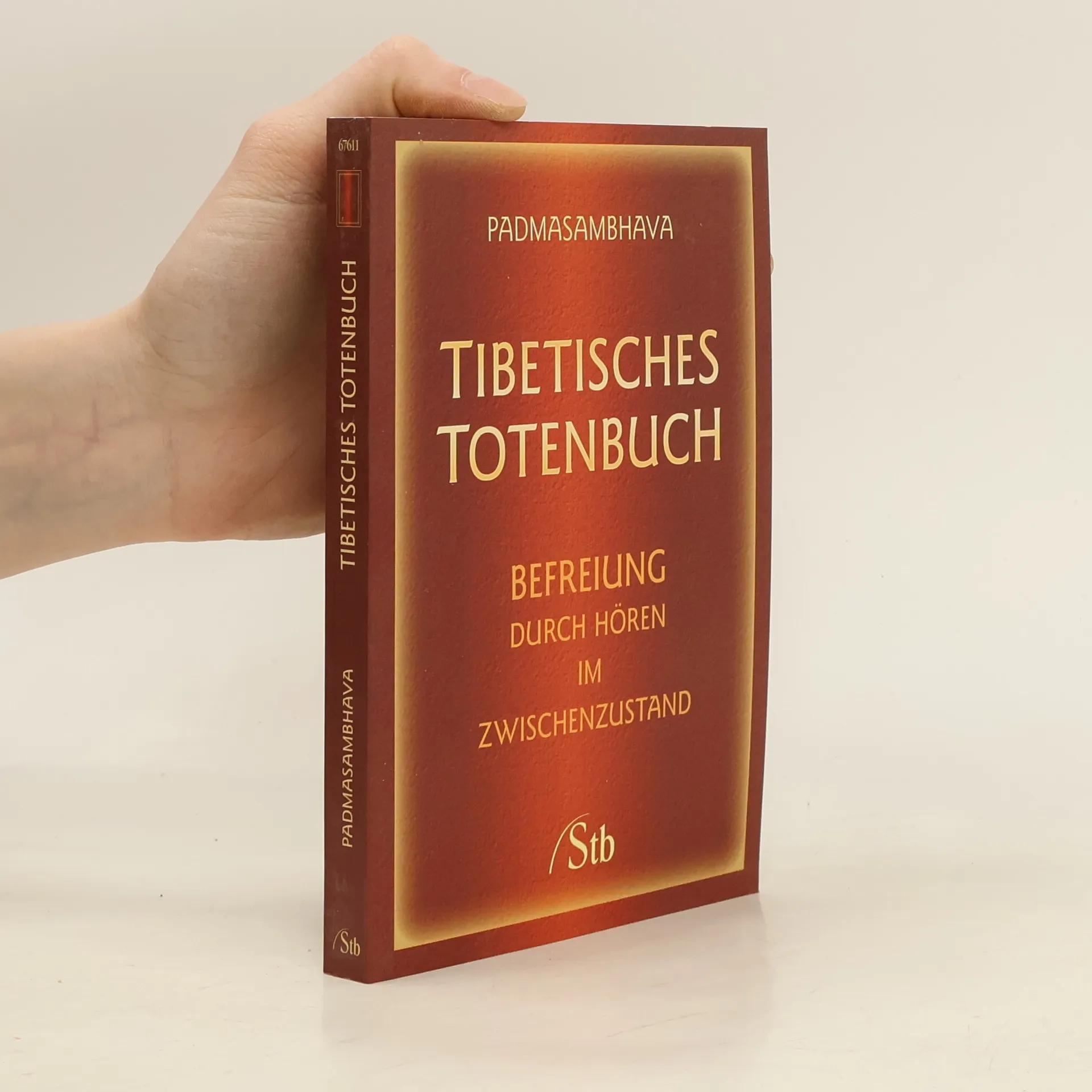
Eines der großen Weisheitsbücher der Menschheit Das Totenbuch der Tibeter, erstmals 1976 bei Diederichs erschienen, ist längst zu einem Klassiker geworden. Für Hunderttausende hat es sich als Ratgeber bewährt, der in Zeiten von Umbrüchen, Veränderungen und persönlichen Krisen Hilfe gibt. Der Meditationsmeister Chögyam Trungpa hat das Totenbuch übersetzt und damit der westlichen Welt den Buddhismus als lebendige Tradition nahe gebracht. Ausstattung: Mit zahlr. Abb.
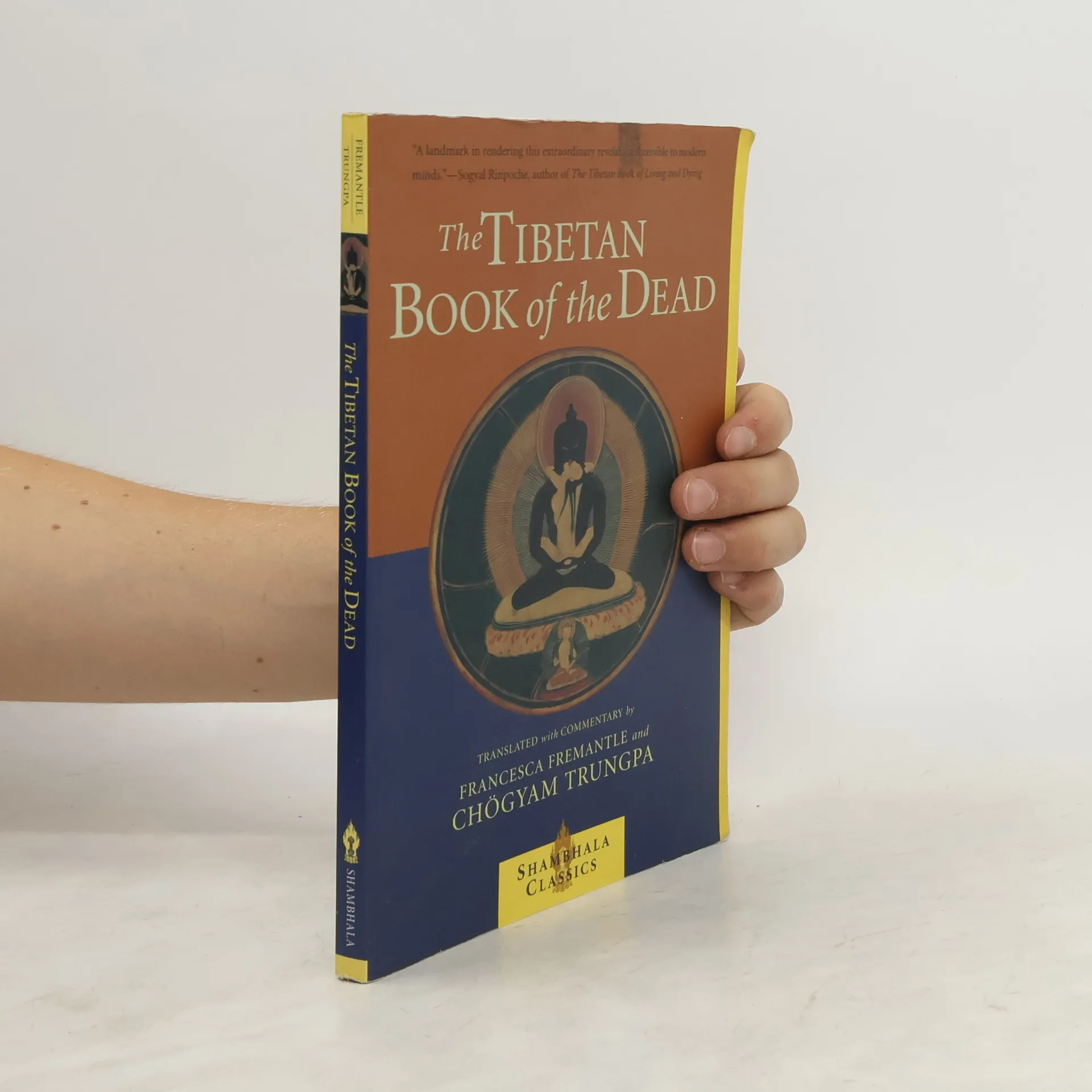
In this classic scripture of Tibetan Buddhism—traditionally read aloud to the dying to help them attain liberation—death and rebirth are seen as a process that provides an opportunity to recognize the true nature of mind. This translation of The Tibetan Book of the Dead emphasizes the practical advice that the book offers to the living. The insightful commentary by Chögyam Trungpa, written in clear, concise language, explains what the text teaches us about human psychology. This book will be of interest to people concerned with death and dying, as well as those who seek greater spiritual understanding in everyday life.