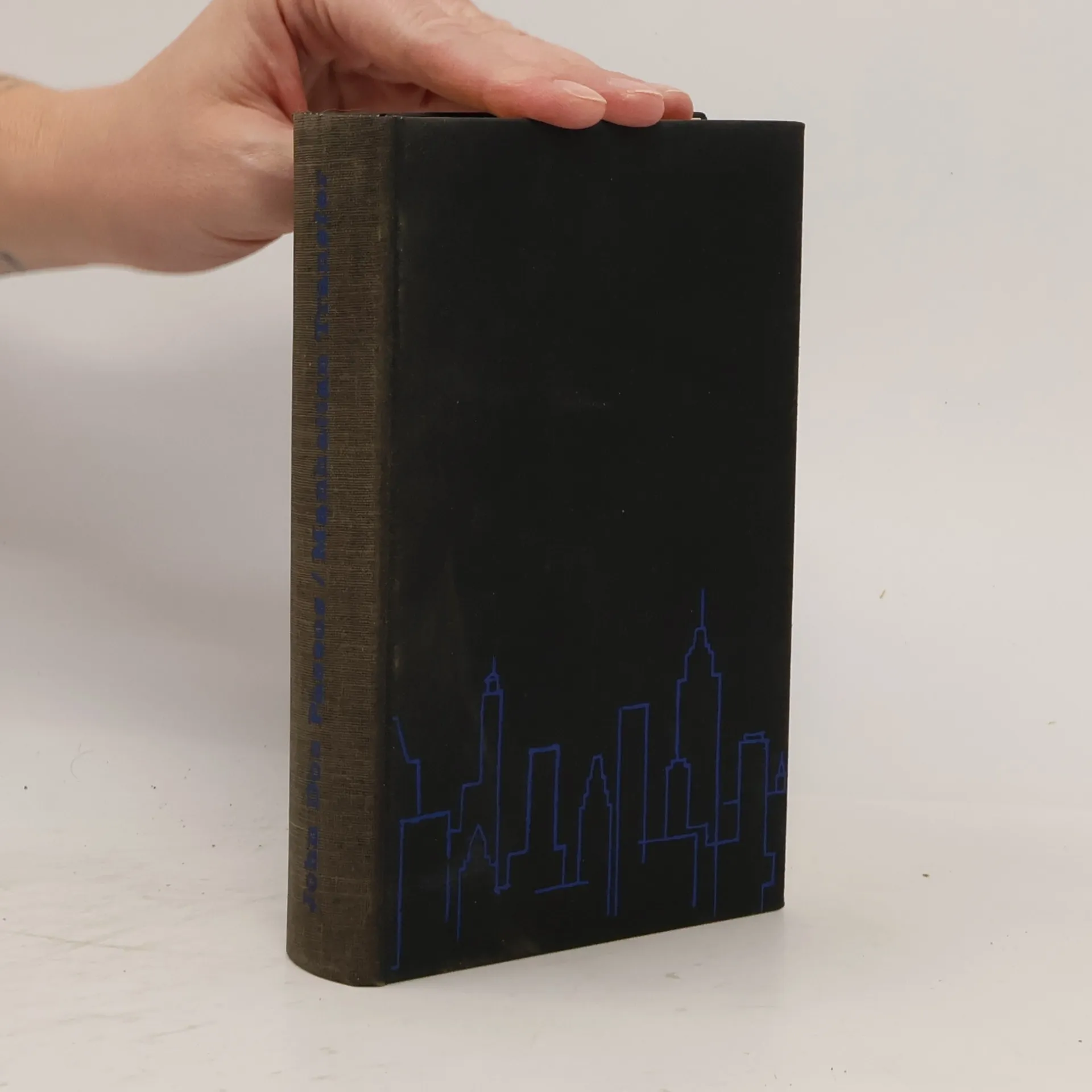
Nach Erscheinen dieses Romans rückte Dos Passos mit einem Schlag in die Riege der wichtigsten Autoren des 20. Jahrhunderts. Manhattan Transfer ist der Name der berühmten Fähren von New York, und mit den erzählerischen Mitteln der Collage und einem an die Filmtechnik erinnernden kontrastreichen Nebeneinander von Episoden und Brüchen läßt Dos Passos ein schillerndes Porträt des urbanen New Yorker Dschungels entstehen, in dem das Jagdfieber wütet: nach Arbeit, Glück und Macht.
A New York Times Notable BookAn intimate biography of a great American writer.He rose from a childhood as the illegitimate son of a financial titan to become the man Sartre called "the greatest writer of our time." A progressive writer who turned his passions into the groundbreaking U.S.A. trilogy, John Dos Passos later embraced conservative causes. At the height of his career he was considered a peer of Hemingway and Fitzgerald, yet he died in obscurity in 1970.Award-winning biographer Virginia Spencer Carr examines the contradictions of Dos Passos's life with an in-depth study of the man. Using the writer's letters and journals, and with assistance from the Dos Passos family, Carr reconstructs an epic life, one of literary acclaim and bitter obscurity, restless wandering and happy marriage, friendship with Edmund Wilson and feuds with Hemingway. First published to acclaim in 1984, Dos Passos remains the definitive personal portrait of the author.
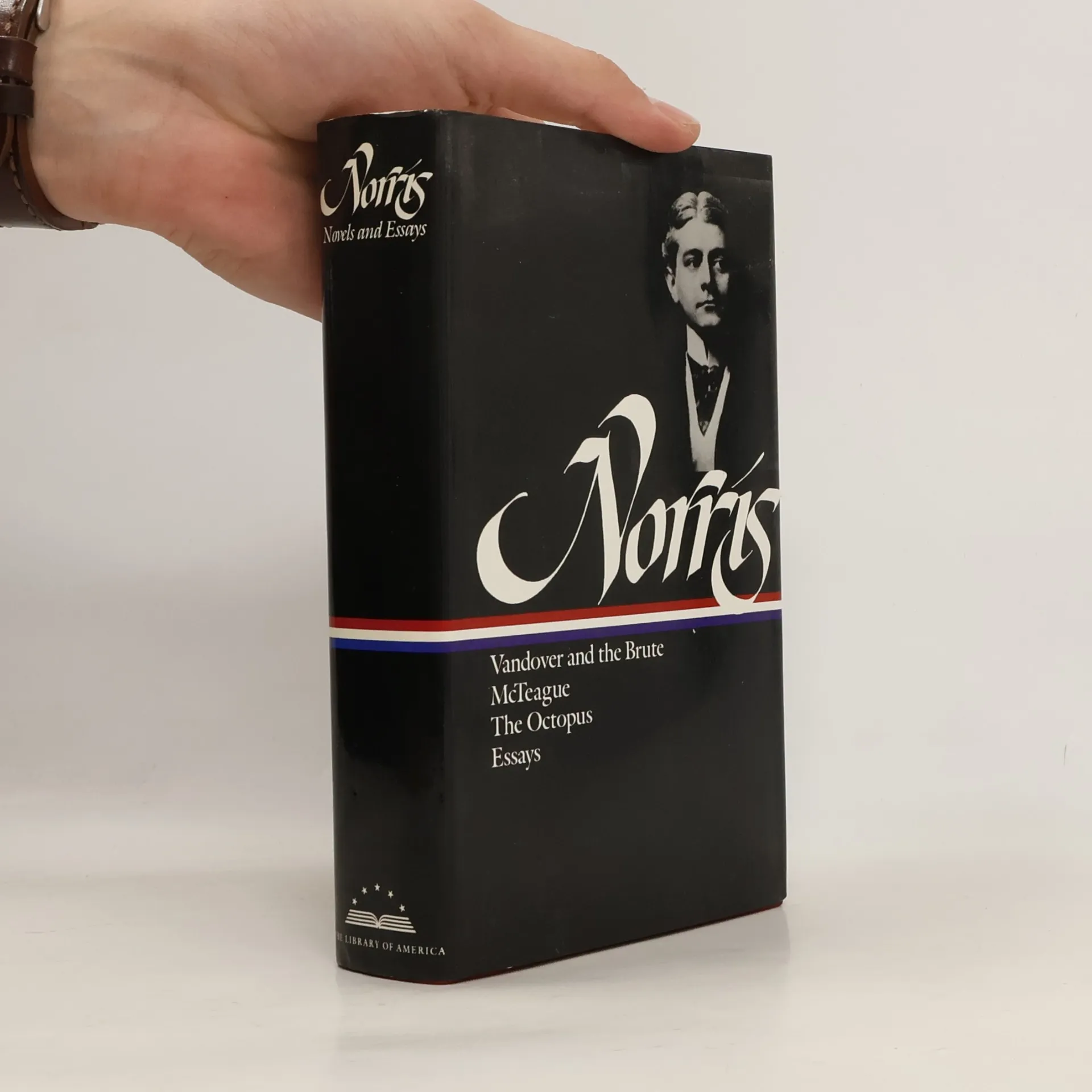
Vandover and the Brute / McTeague / The Octopus / Essays
1232 Seiten
44 Lesestunden
This volume features three novels and a collection of essays by a notable American naturalist writer, who drew inspiration from the “new novel” style of Zola and Flaubert, adapting it to American contexts with a focus on action and emerging sciences like economics and psychology. Born in Chicago in 1870 and later moving to San Francisco, the author studied art in Paris and literature at Berkeley and Harvard. His career included journalism and foreign correspondence, with significant experiences such as being expelled from South Africa and reporting on the Spanish-American War. He published six novels between 1898 and 1902 before his untimely death in 1902.
One novel, written in 1895 but published posthumously, explores the downfall of Vandover, a once-promising artist, through themes of debauchery and societal descent. Another, McTeague, presents a stark portrayal of a dentist and his wife, delving into issues of obsession and domestic violence, and served as the basis for the film Greed. The Octopus, part of an unfinished trilogy, depicts the struggles of California ranchers against a railroad monopoly, inspired by historical events. The accompanying essays, spanning 1896–1902, include reviews, literary commentary, and humorous parodies, discussing the state of American fiction and the artist's social responsibilities.