

Bookbot

Jerry Berndt

    Noir Complex
    Armenia
    • Noir Complex

      • 60 Seiten
      • 3 Lesestunden

      Der amerikanische Schriftsteller James Ellroy zitiert 1993 in einem autobiografisch gefärbten Prosastück C. G. Jung: 'Was nicht ins Bewusstsein gebracht wird, kommt als Schicksal auf uns zu.' Das ist Noir: der Spannungsbogen, der zwischen Determination und Analyse, Instruktion und Destruktion, Verstrickung und Ausweg entsteht. C. G. Jungs Diktum lässt sich präzise fassen: Der Aufgabe, das eigene Lebensrätsel zu lösen, entgeht niemand. Wer sich den Tatsachen heute nicht stellt, wird früher oder später vom Echo der Vergangenheit eingeholt. Das eigene Schicksal wird zum Fixstern. Die Dispositionen der Biografie werden zum Zwang. Egoismus ohne Ausweg. Schicksal und Tiefenpsychologie, Zufall und Bestimmung ergeben im Sinne der Noir-Logik immer nur: Aufbegehren und Scheitern. Lemmy Caution in Alphaville: 'Man versteht nichts und am Ende stirbt man daran.' – Aus dem begleitenden Text „noir complex/complex noir“von Maik Schlüter. Mit Fotografien von Andreas Schulze, Clare Strand, David Deutsch, Amy Patton, Caroline Hake, Marco Poloni, Jerry Berndt, Charles Gaines, Laura Bielau.

      Noir Complex2010
    • Armenia

      Portraits of Survival and Hope

      • 248 Seiten
      • 9 Lesestunden

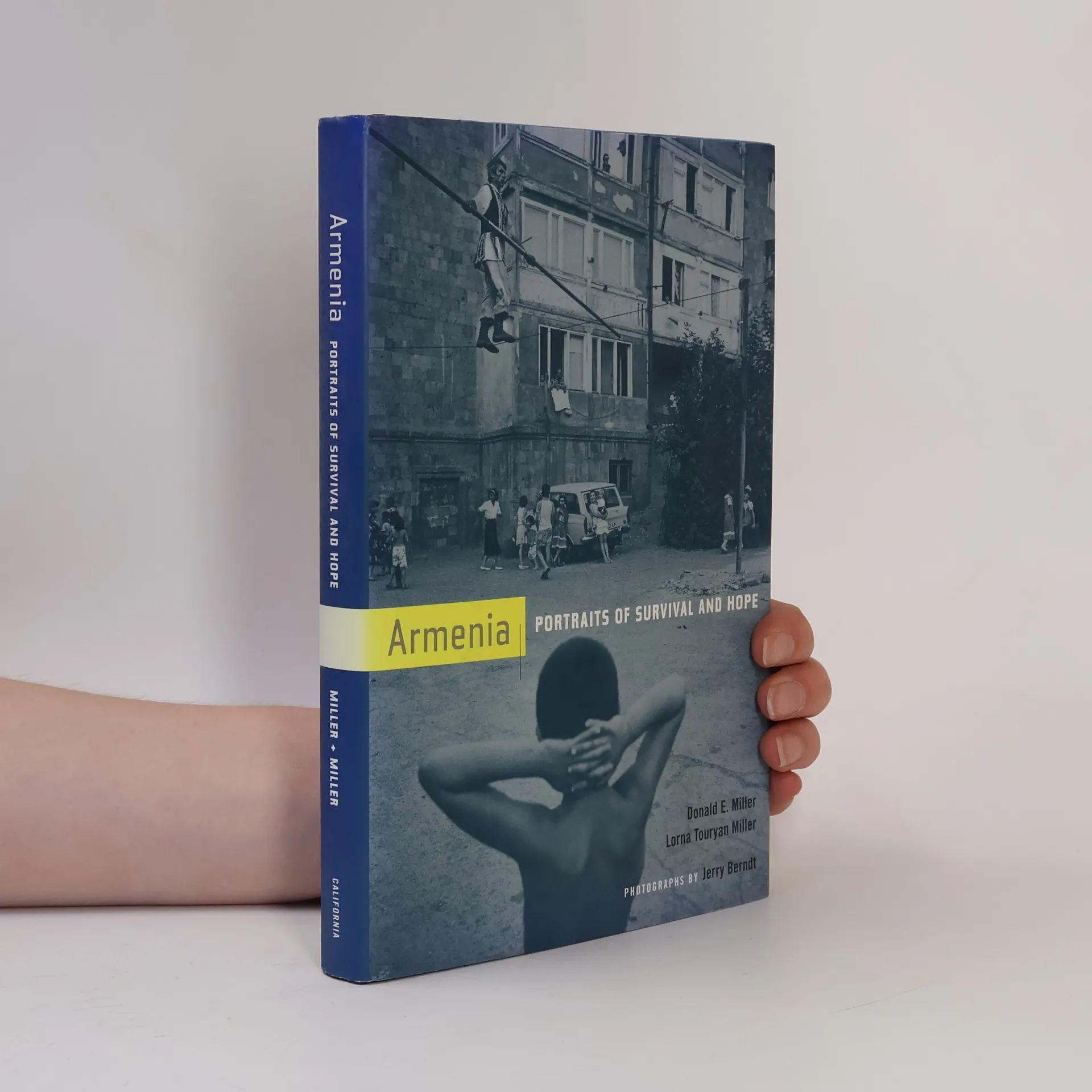
      This book offers a profound exploration of how geopolitics impacts the lives of ordinary Armenians over the past two decades. Through intimate interviews with three hundred individuals and accompanied by Jerry Berndt's striking photographs, it captures the social, economic, and spiritual challenges faced during the tumultuous 1980s and 1990s, marked by an earthquake, pogroms, and war. The narrative reveals extreme suffering and resilience, showcasing the struggle for independence and a nuanced portrayal of the human spirit. Focusing on four distinct groups—survivors of the 1988 earthquakes, refugees from Azerbaijan fleeing violence, individuals affected by the Nagorno-Karabakh conflict, and citizens enduring harsh winters due to blockades—the Millers provide context and thematic depth while prioritizing personal stories. Their firsthand accounts convey the emotional weight of these experiences, inviting readers to engage with the realities of contemporary Armenia. The authors also share insights from their research trips, encouraging a broader understanding beyond headlines and personal circumstances. This work serves as a powerful testament to survival and hope amidst adversity.

      Armenia2002