

Bookbot

Stephen Coleman

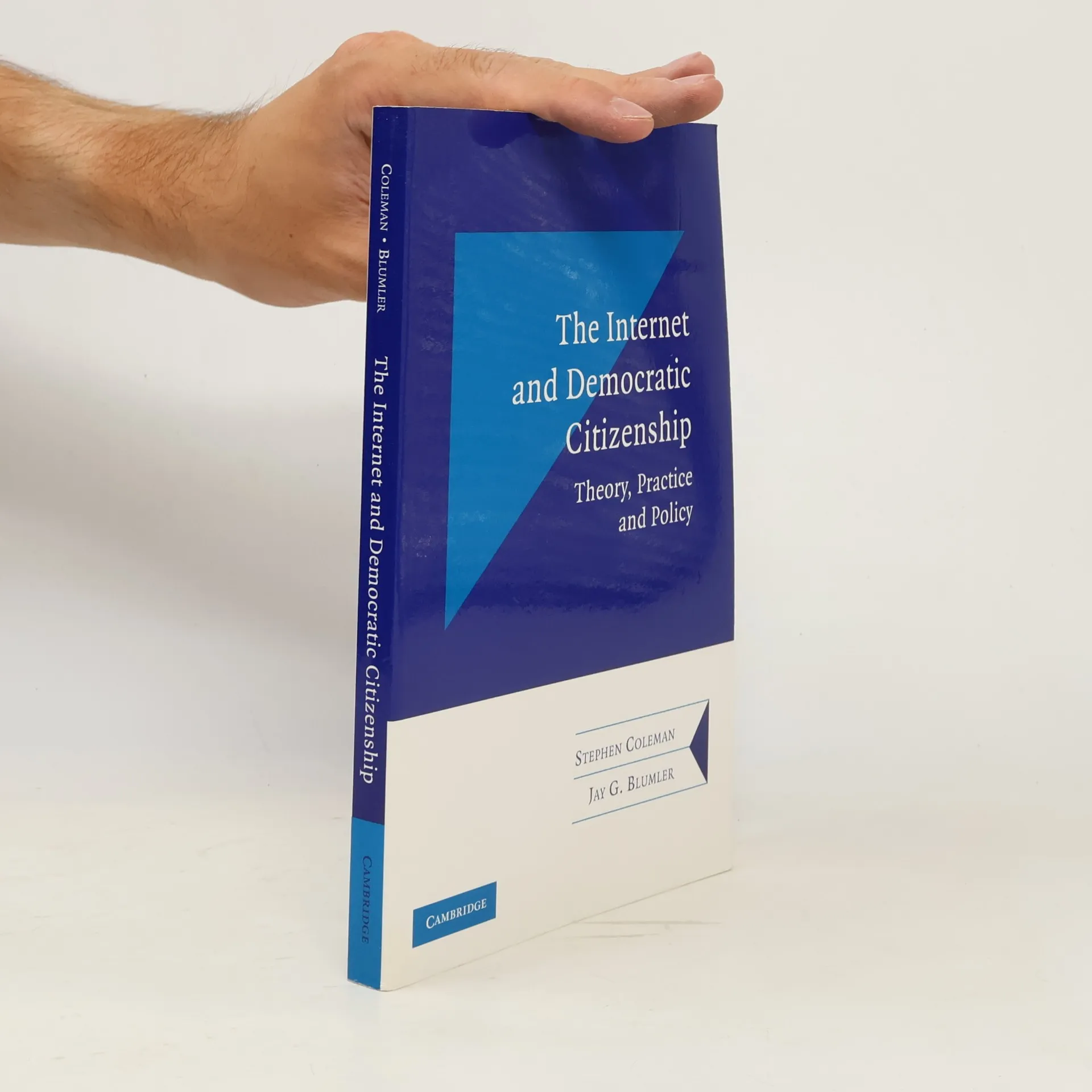
    The Internet and Democratic Citizenship
    Crawl of Fame - Julie Moss and the Fifteen Feet that Created an Ironman Triathlon Legend
    • "In 1982, Julie Moss ran the Ironman triathlon for her college senior research project. Her idea was quirky, even crazy; only a handful of hardcore, highly trained enthusiasts competed in the little-known, 140.6-mile combination of swimming, cycling, and running. Julie brought no experience or appreciable training beyond running two marathons... After becoming the unlikely leader during the marathon, the final leg of the Ironman, Julie fell and lost all bodily function fifteen meters (50 feet) from the finish. While on hands and knees, she watched her rival pass her. Thirty seconds later, she crawled across the line—stunning the millions who were watching on television. At age twenty-three, Julie became the instant global icon, and the public face of fitness and endurance sports — which exploded in popularity, partly because of her inspiration. That this young co-ed would represent such a new sport was unlikely. That she would inspire millions to change the courses of their lives in the three decades years since was unthinkable"--

      Crawl of Fame - Julie Moss and the Fifteen Feet that Created an Ironman Triathlon Legend
      3,3
    • The Internet and Democratic Citizenship

      Theory, Practice and Policy

      • 232 Seiten
      • 9 Lesestunden

      Relations between the public and holders of political authority are in a period of transformative flux. On the one side, new expectations and meanings of citizenship are being entertained and occasionally acted upon. On the other, an inexorable impoverishment of mainstream political communication is taking place. The Internet has the potential to improve public communications and enrich democracy, a project that requires imaginative policy-making. This argument is developed through three stages: first exploring the theoretical foundations for renewing democratic citizenship, then examining practical case studies of e-democracy, and finally, reviewing the limitations of recent policies designed to promote e-democracy and setting out a radical, but practical proposal for an online civic commons: a trusted public space where the dispersed energies, self-articulations and aspirations of citizens can be rehearsed, in public, within a process of ongoing feedback to the various levels and centers of governance: local, national and transnational.

      The Internet and Democratic Citizenship