Urin, Wasser des Lebens
- 109 Seiten
- 4 Lesestunden


John Armstrong ist ein britischer Philosoph, der sich auf das Schreiben über philosophische Themen konzentriert. Seine Arbeit zeichnet sich durch eine tiefgehende Erforschung des menschlichen Geistes und der Existenz aus. Armstrongs Bücher bieten den Lesern nachdenklich stimmende Reflexionen über die Natur der Realität und den Sinn des Lebens. Sein einzigartiger Stil und seine scharfsinnigen Beobachtungen machen ihn zu einer bedeutenden Figur in der zeitgenössischen philosophischen Literatur.

In this revolutionary treatise, J W Armstrong puts the compelling case that all diseases (except those caused by traumatism or structural disorders) can be cured by one simple means: urine therapy. The therapy is an entirely natural treatment, a drugless system of healing that treats the body as a whole. Moreover, the only ingredient needed is a substance manufactured in the body itself, rich in mineral salts, hormones and other vital substances, namely human urine. It may seem strange to take back into the body something that the body is apparently discarding. Yet the theory is similar to the natural practice of organic composting. Fallen leaves, when dug back into the soil, provide valuable mineral salts to nourish new plant life. The same principle holds true for the human body.
Wir alle lieben Kunst – wir gehen ins Museum und betrachten ein Gemälde, wir spazieren durch den Park und bewundern eine Skulptur, oder wir lassen unseren Blick an der Fassade eines imposanten Bauwerks entlanggleiten. Doch sehen wir die Kunst wirklich und nutzen wir sie für uns? Die Erfolgsautoren Alain de Botton und John Armstrong zeigen in ihrem erhellenden wie kurzweiligen Buch, wie wir das Potenzial von Kunst für uns ausschöpfen können – wie wir mit Vermeer einen Blick für die scheinbar nebensächlichen Details im Leben entwickeln können; wie wir uns Leonardo da Vincis Neugierde für die Funktionsweise von Dingen aneignen oder wie wir mit den hypnotischen Ozeanbildern von Hiroshi Sugimoto eine ganz besondere innere Ruhe finden können. Mit Werken von Caspar David Friedrich, Henri Matisse, Mies van der Rohe, Nan Goldin, Le Corbusier und vielen mehr
Drawing on such writers and thinkers as Plato, Tolstoy, Freud and Stendhal, this title explores how our perception of love is formed by culture and history. It is suitable for those who believe or disbelieve in love. schovat popis
Is it possible to be truly happy? In an imperfect world, how can we live well with what we have, and accept what we don’t have? In Love, Life, Goethe, John Armstrong looks at the life of the renowned yet often misunderstood writer Goethe to show the surprising ways in which we can learn from him, whether in love, suffering, friendship or family. He shows how relevant Goethe is to the way we live today, and how he wanted (much the same as us) to live life well. From work to our relationships to money and success, John Armstrong explores the main themes of our existence through Goethe, and helps us learn how to live.
Why Happiness Is in the Eye of the Beholder: First Edition
In this lucid and lyrical exploration John Armstrong aims to deepen our response both to beauty and to happiness. As he shows, the ability to truly recognise the beauty that surrounds us in the everyday could enable us to deepen the enjoyment of our lives.
Break free of your destructive relationship with money, and learn how money can make you happy
Friedrich Nietzsche was a German philosopher, poet and cultural critic. He is best known for his controversial idea of life affirmation that challenged traditional morality and all doctrines. Born in 1844 outside Leipzig, Germany, his teachings inspired people in all walks of life, from dancers and poets to psychologists and social revolutionaries. Here you will find extracts from his greatest works. John Armstrong takes this great thinker and highlights those ideas most relevant to ordinary everyday dilemmas.
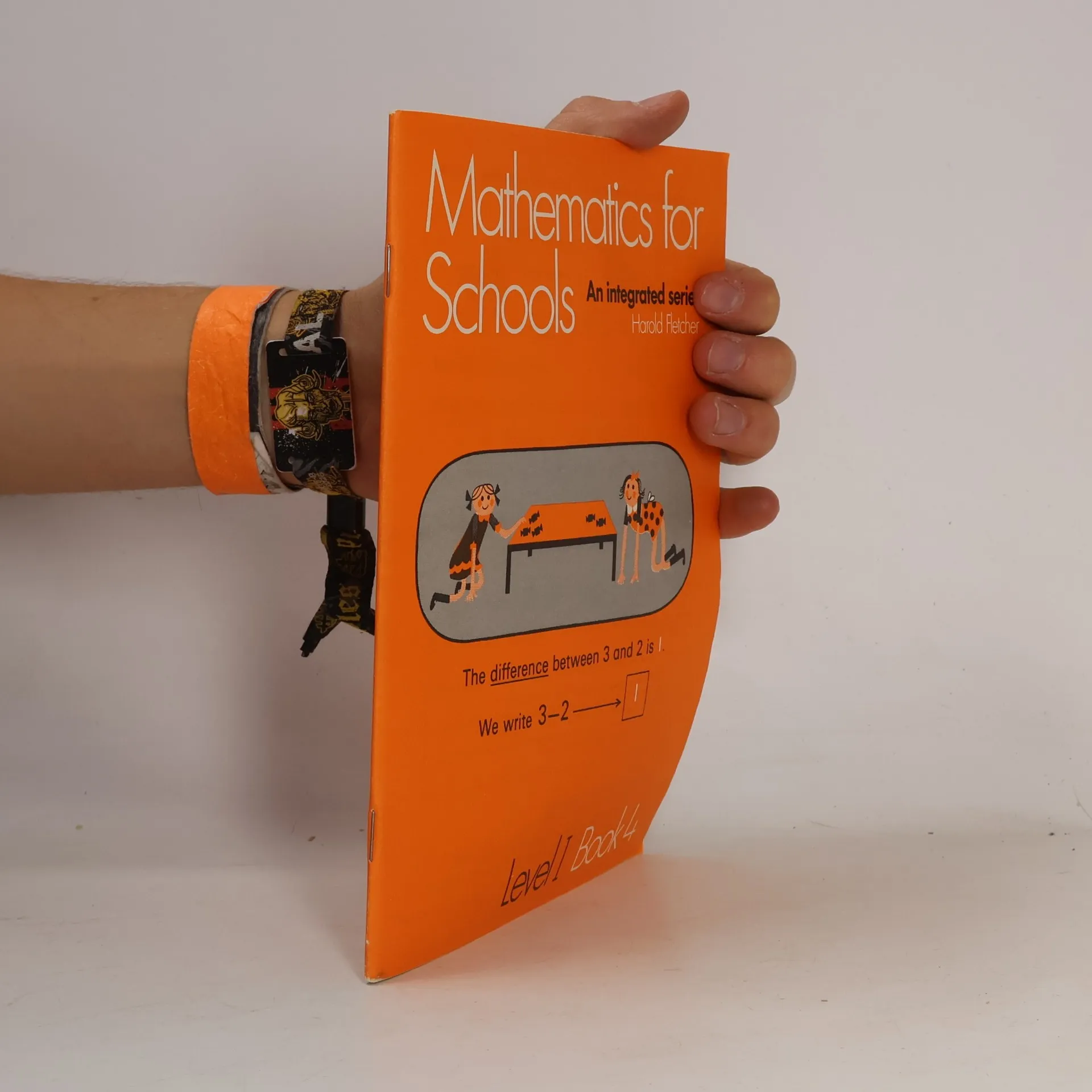
An integrated series
An integrated series
An integrated series
An integrated series
An integrated series
Second Edition: Level I Book 2
Overzicht van het westerse denken over de liefde.