

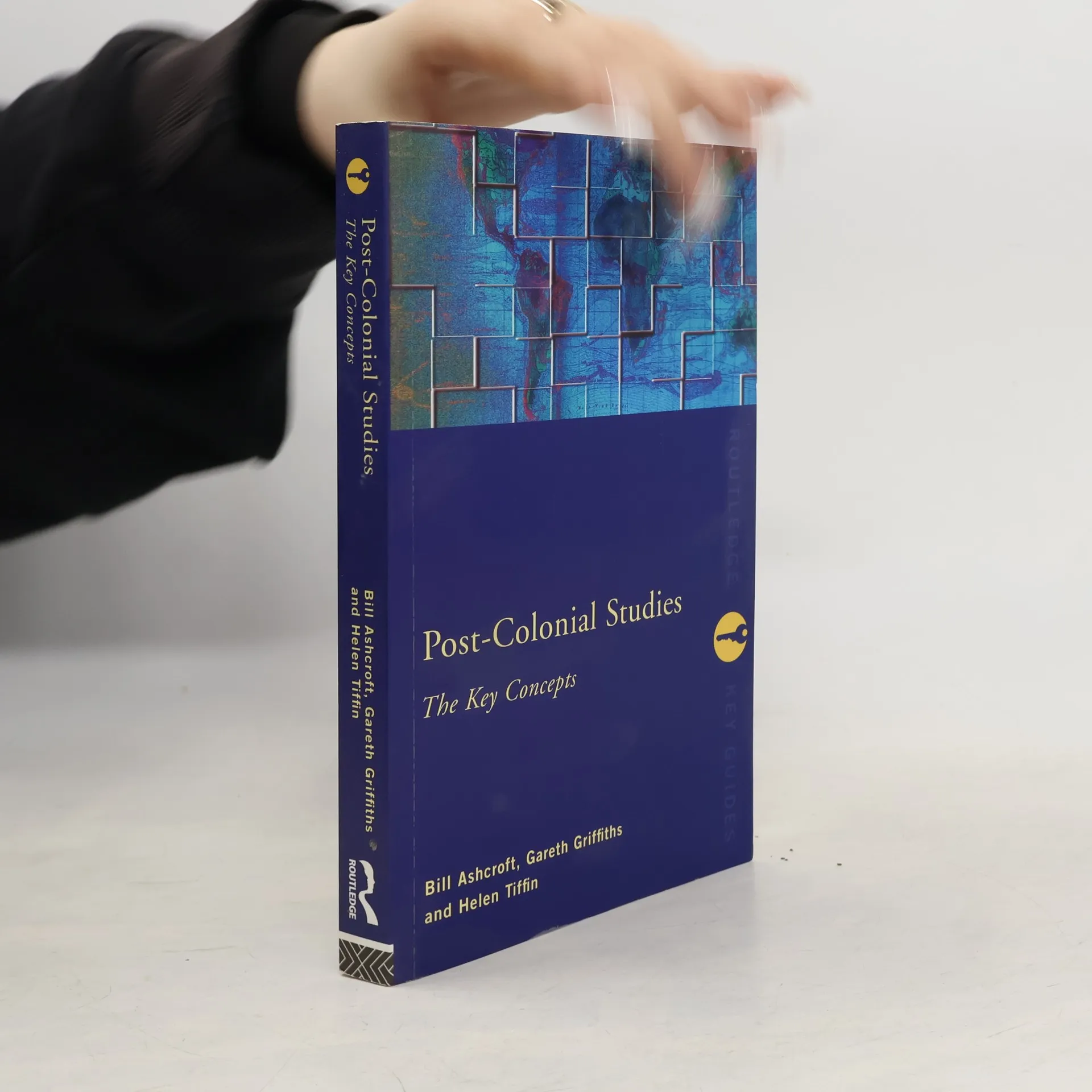
The experience of colonization and the challenges of a post-colonial world have produced an explosion of new writing in English. This diverse and powerful body of literature has established a specific practice of post-colonial writing in cultures as various as India, Australia, the West Indies and Canada, and has challenged both the traditional canon and dominant ideas of literature and culture. The Empire Writes Back was the first major theoretical account of a wide range of post-colonial texts and their relation to the larger issues of post-colonial culture, and remains one of the most significant works published in this field. The authors, three leading figures in post-colonial studies, open up debates about the interrelationships of post-colonial literatures, investigate the powerful forces acting on language in the post-colonial text, and show how these texts constitute a radical critique of Eurocentric notions of literature and language. This book is brilliant not only for its incisive analysis, but for its accessibility for readers new to the field. Now with an additional chapter and an updated bibliography, The Empire Writes Back is essential for contemporary post-colonial studies.
Gareth Griffiths Reihenfolge der Bücher (Chronologisch)


First published in 2000. Routledge is an imprint of Taylor & Francis, an informa company.
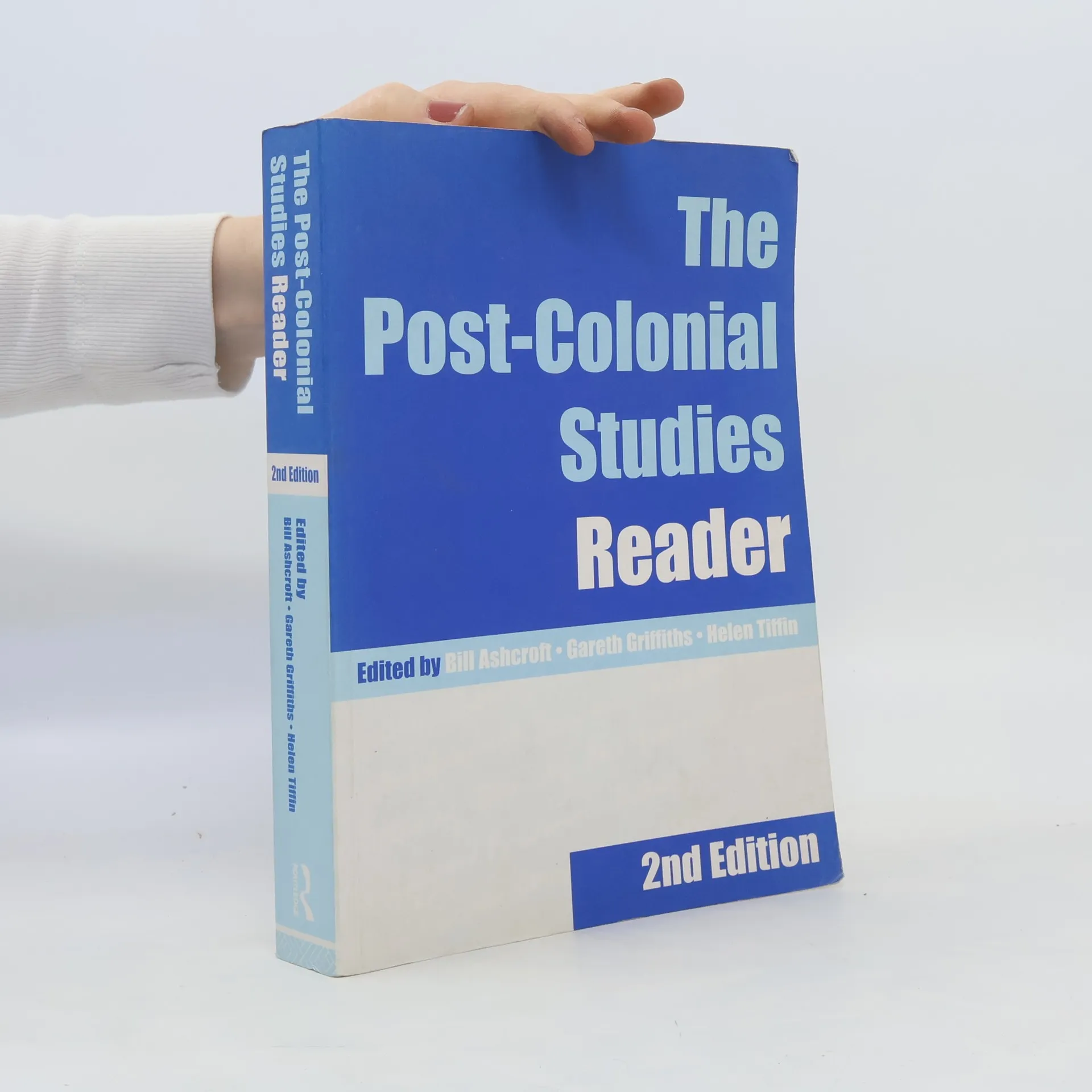
The Post-Colonial Studies Reader
- 618 Seiten
- 22 Lesestunden
Boasting new extracts from major works in the field, as well as an impressive list of contributors, this second edition of a bestselling Reader is an invaluable introduction to the most seminal texts in post-colonial theory and criticism.
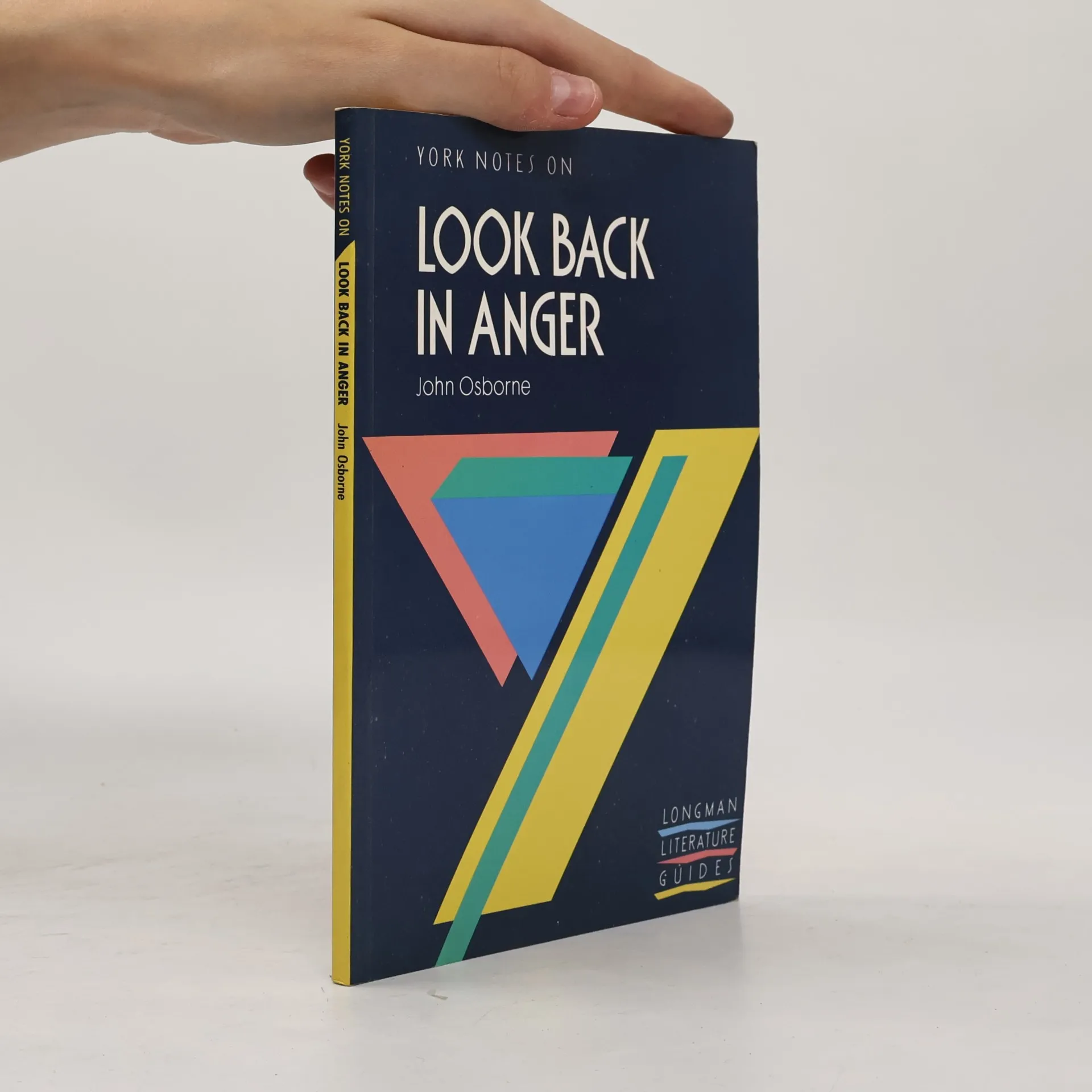
York Notes On: Look Back in Anger
- 72 Seiten
- 3 Lesestunden
Jimmy Porter plays trumpet badly. He browbeats his flatmate, terrorizes his wife, and is not above sleeping with her best friend-who loathes Jimmy almost as much as he loathes himself. Yet this working-class Hamlet, the original Angry Young Man, is one of the most mesmerizing characters ever to burst onto a stage, a malevolently vital, volcanically articulate internal exile in the dreary, dreaming Siberia of postwar England. First produced in 1956, Look Back in Anger launched a revolution in the English theater. Savagely, sadly, and always impolitely, it compels readers and audiences to acknowledge the hidden currents of rottenness and rage in what used to be called "the good life."