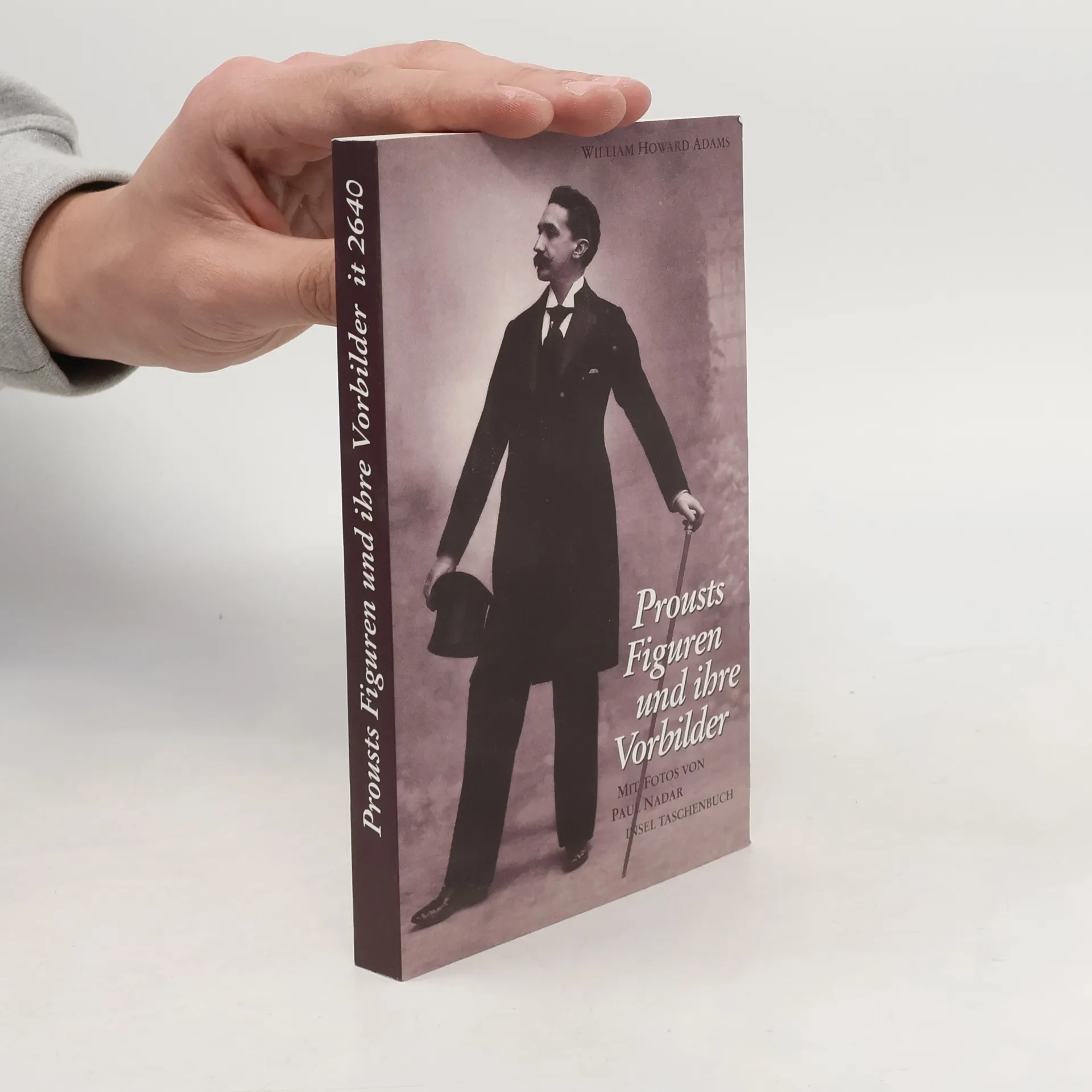
In Fotos und Texten werden die realen Vorbilder von Albertine, Swann, Odette, den Guermantes – nur um diese der über 500 unsterblichen Romanfiguren in Prousts zehnbändiger Recherche zu nennen – charakterisiert. Unverzichtbar für alle Proust-Fans!
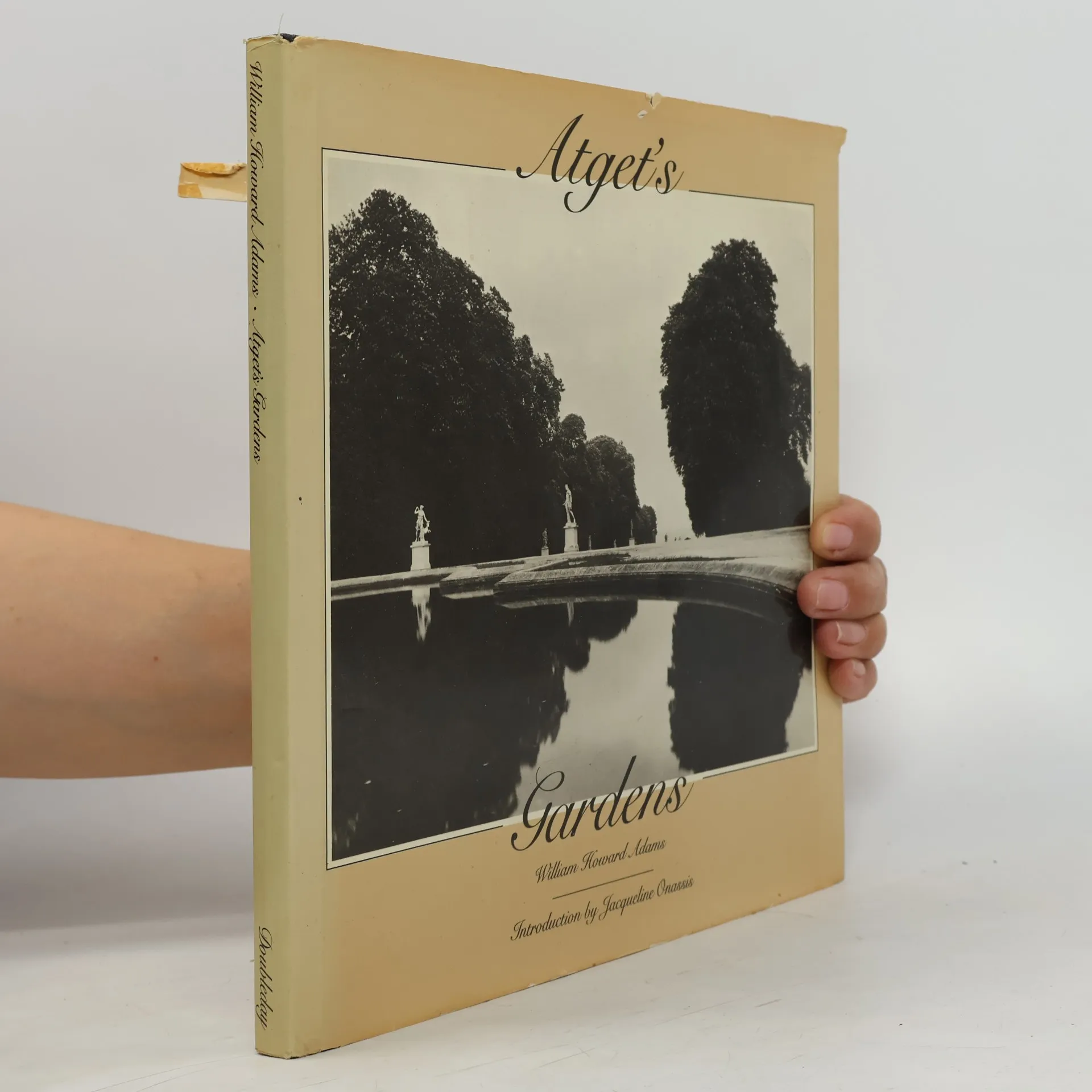
The gardens of the world's great civilizations are explored through vivid color plates and engaging text, presenting a groundbreaking international history of gardening as an art form. Beginning with ancient Egypt, Greece, and Rome, the book uncovers gardening's roots through art, history, and literature, alongside archaeological findings. It extends to later Islamic and Mughal civilizations, Italy, France, China, Japan, and the gardens of England, ultimately reaching the New World. The narrative is structured around the international exchange of aesthetic ideas and the cultivation of plant life, progressing both chronologically and geographically. Each chapter highlights significant design and horticultural contributions from various societies.
Unlike other garden histories, this work provides a comprehensive scope, supported by the author's extensive knowledge of literature, art, and gardening. A notable section discusses the impact of the 1492 discovery of new continents, leading to a fresh chapter in science and garden culture in the Western Hemisphere. The author traces the evolution of colonial American gardens and the efforts to reconstruct them, showcasing the achievements of New World gardeners, including those from South America and Mexico.
Gardening has long been a symbol of civilization and cultural expression. The text reflects on the human connection to nature, emphasizing the spiritual significance of crops li
An engrossing biography of one of the most colorful and least well-known of the founding fathers A plainspoken, racy patrician who distrusted democracy but opposed slavery and championed freedom for all minorities, an important player in the American Revolution, later an astute critic of the French Revolution, Gouverneur Morris remains an enigma among the founding generation. This comprehensive, engrossing biography tells his robust story, including his celebrated love affairs during his long stay in Europe. Morris’s public record is astonishing. One of the leading figures of the Constitutional Convention, he put the Constitution in its final version, including its opening Preamble. As Washington’s first minister to Paris, he became America’s most effective representative in France. A successful, international entrepreneur, he understood the dynamics of commerce in the modern world. Frankly cosmopolitan, he embraced city life as a creative center of civilization and had a central role in the building of the Erie Canal and in laying out the urban grid plan of Manhattan. William Howard Adams describes Morris’s many contributions, talents, sophistication, and wit, as well as his romantic liaisons, free habits, and free speech. He brings to life a fascinating man of great stature, a founding father who receives his due at last.