

Focusing on the emerging field of ecological economics, this introductory textbook critiques traditional economic perspectives and emphasizes the importance of integrating ecological principles into economic analysis. It aims to provide readers with foundational knowledge and insights into sustainable development, resource management, and the relationship between economic systems and the environment.
Herman E. Daly Reihenfolge der Bücher (Chronologisch)
Herman Daly ist eine bedeutende Stimme in der Ökologischen Ökonomie, der konventionelle Wachstumsbegriffe hinterfragt und eine stationäre Wirtschaft befürwortet. Seine Arbeit befasst sich mit der kritischen Beziehung zwischen wirtschaftlicher Aktivität und ökologischer Nachhaltigkeit und untersucht, wie globale Politik ökologische Systeme beeinflusst. Daly's bahnbrechende Ideen zum Konzept des unökonomischen Wachstums haben die Diskussionen über langfristiges wirtschaftliches und ökologisches Gleichgewicht maßgeblich beeinflusst.
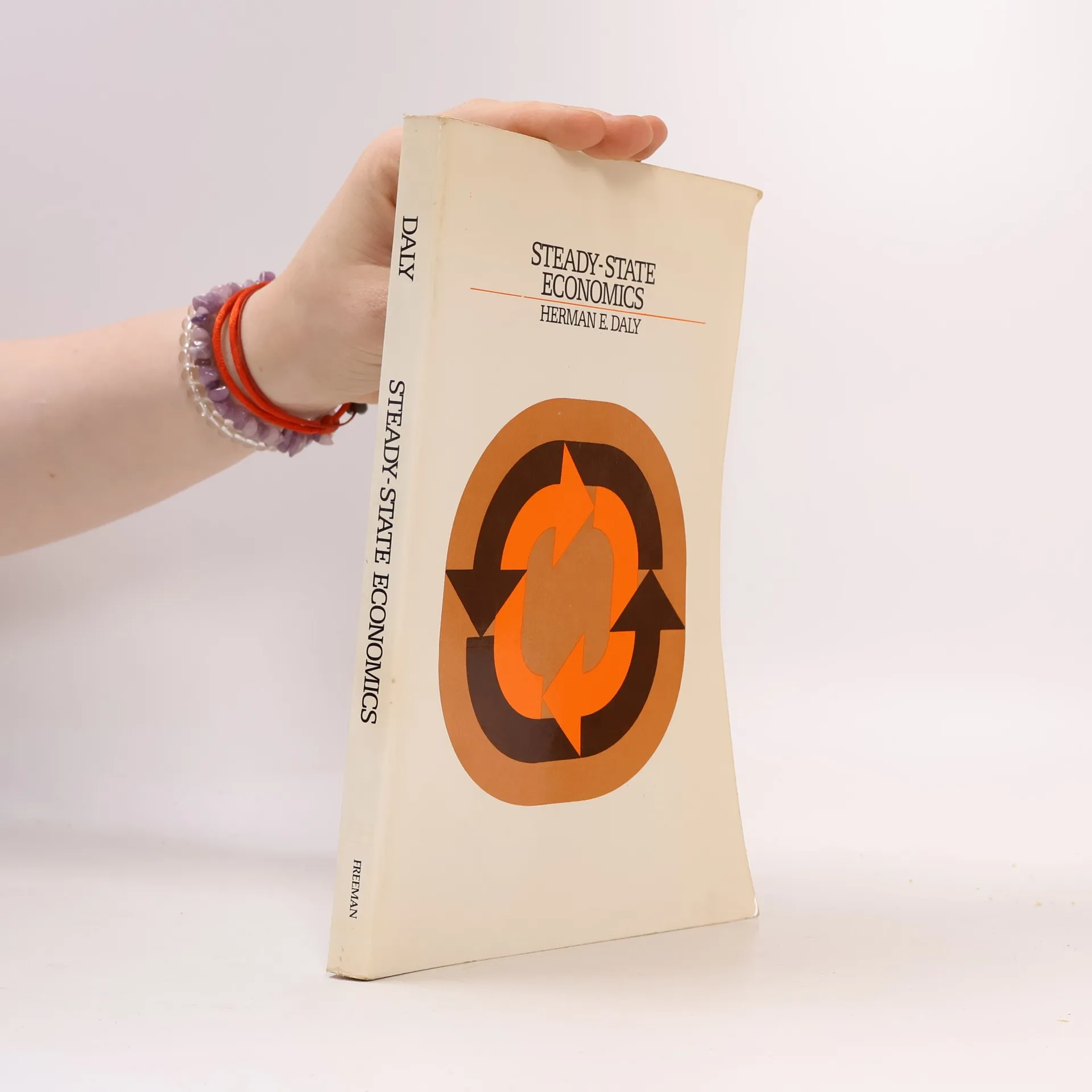

This work addresses one of the fundamental flaws in conventional economics-its failure to consider biophysical and social reality in its analyses and equations. It is an introductory-level textbook that offers a pedagogically complete examination of this dynamic new field. schovat popis
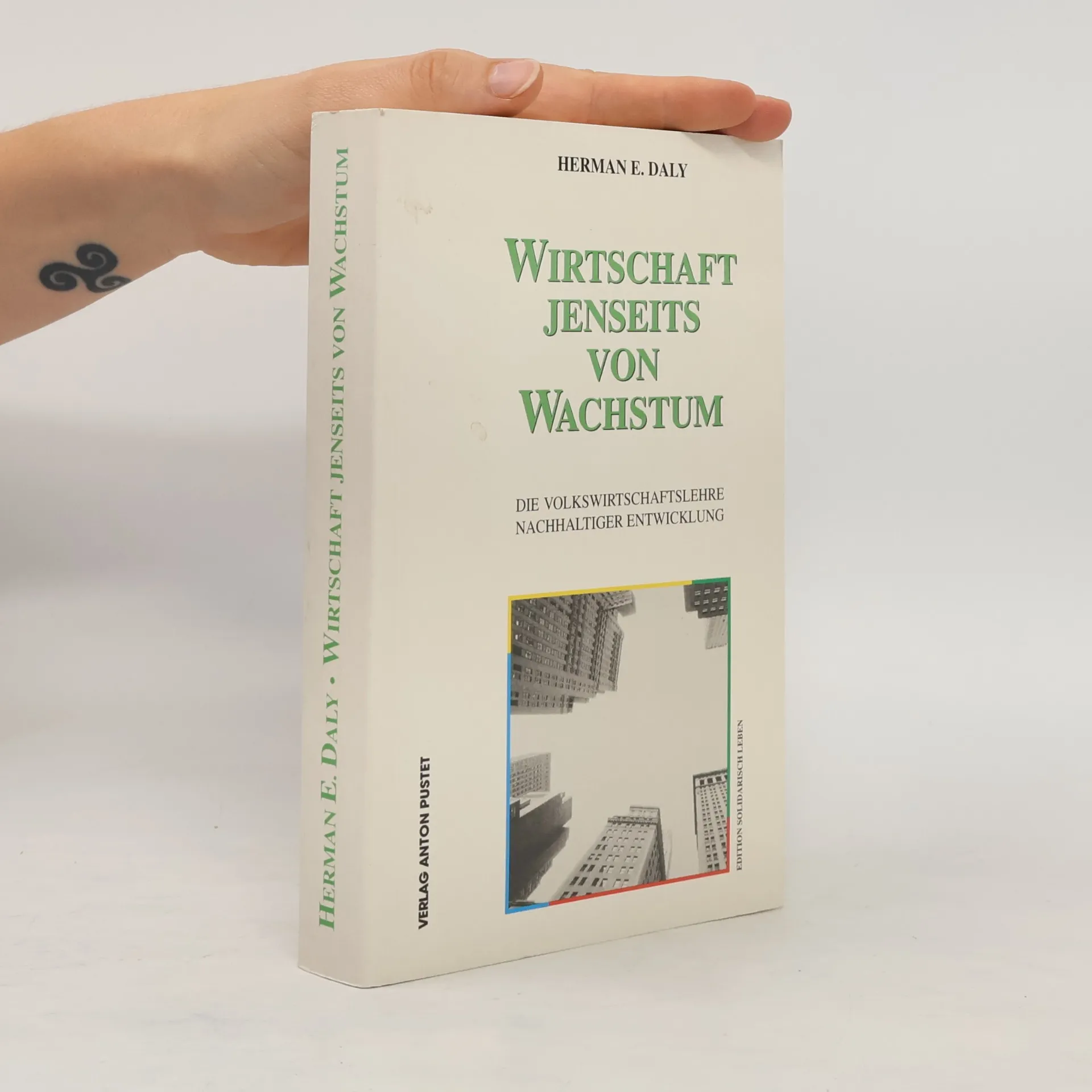
Herman Daly is a prominent advocate for a change in economic thinking in response to the environmental crisis. An iconoclast economist who has worked as a renegade insider at the World Bank, Daly argues for overturning some basic economic assumptions. He contends that if sustainable development means anything at this historical moment, it requires us to conceive of the economy as part of the ecosystem and to abandon the ideal of economic growth. We need a global understanding of developing welfare that does not entail expansion. These ideas are fundamentally radical, necessitating a rethinking of basic concepts in economic theory, poverty, trade, and population, as Daly demonstrates in careful, accessible detail. These questions have enormous practical consequences. Daly asserts that there is a real struggle to control the meaning of sustainable development, with conventional economists and development thinkers attempting to dilute its significance for their own purposes. Beyond Growth is an argument that will reshape the debate.
Edition Solidarisch Leben: Wirtschaft jenseits von Wachstum
Die Volkswirtschaftslehre nachhaltiger Entwicklung
- 300 Seiten
- 11 Lesestunden
Beyond Growth
- 264 Seiten
- 10 Lesestunden
Herman Daly is probably the most prominent advocate of the need for a change in economic thinking in response to environmental crisis. an iconoclast economist who has worked as a renegade insider at the World Bank in recent years, Daly has argued for overturning some basic economic assumptions. He has a wide and growing reputation among environmentalists, both inside and outside the academy. Daly argues that if sustainable development means anything at this historical moment, it demands that we conceive of the economy as part of the ecosystem and, as a result, give up on the ideal of economic growth. We need a global understanding of developing welfare that does not entail expansion. These simple ideas turn out to be fundamentally radical concepts, and basic ideas about economic theory, poverty, trade, and population have to be discarded or rethought, as Daly shows in careful, accessible detail. These are questions with enormous practical consequences. Daly argues that there is a real fight to control the meaning of "sustainable development," and that conventional economists and development thinkers are trying to water down its meaning to further their own ends. Beyond Growth is an argument that will turn the debate around.
Steady-State Economics
The Economics of Biophysical Equilibrium and Moral Growth
- 185 Seiten
- 7 Lesestunden
First published in 1977, this volume caused a sensation because of Daly's radical view that "enough is best." Today, his ideas are recognized as the key to sustainable development, and Steady-State Economics is universally acknowledged as the leading book on the economics of sustainability.