

Bookbot

Tito Boeri

    The Economics of Imperfect Labor Markets, Third Edition
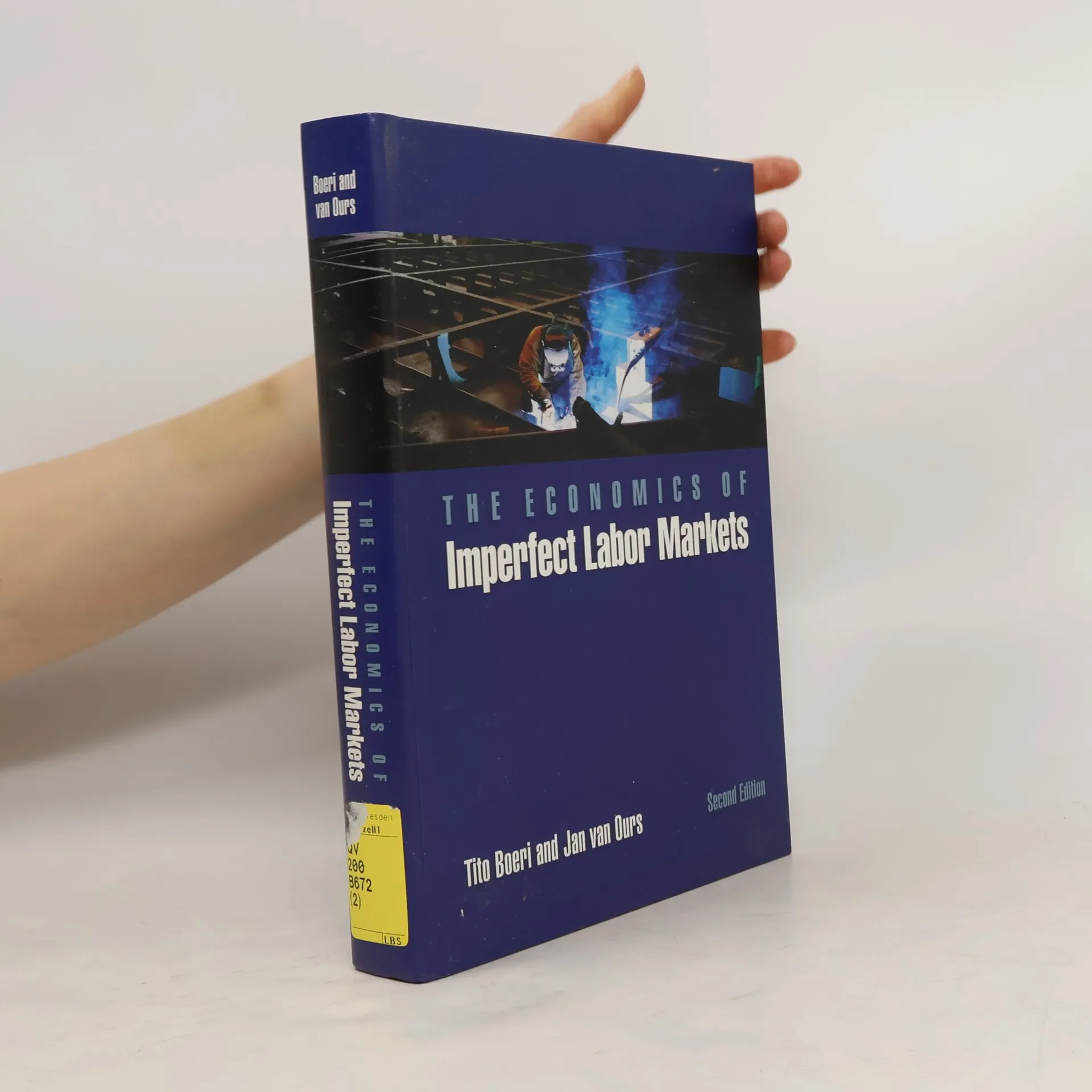
    The Economics of Imperfect Labor Markets
    • Most labor economics textbooks pay little attention to actual labor markets, taking as reference a perfectly competitive market in which losing a job is not a big deal. The Economics of Imperfect Labor Markets is the only textbook to focus on imperfect labor markets and to provide a systematic framework for analyzing how labor market institutions operate. This expanded, updated, and thoroughly revised second edition includes a new chapter on labor-market discrimination; quantitative examples; data and programming files enabling users to replicate key results of the literature; exercises at the end of each chapter; and expanded technical appendixes.The Economics of Imperfect Labor Markets examines the many institutions that affect the behavior of workers and employers in imperfect labor markets. These include minimum wages, employment protection legislation, unemployment benefits, active labor market policies, working-time regulations, family policies, equal opportunity legislation, collective bargaining, early retirement programs, education and migration policies, payroll taxes, and employment-conditional incentives. Written for advanced undergraduates and beginning graduate students, the book carefully defines and measures these institutions to accurately characterize their effects, and discusses how these institutions are today being changed by political and economic forces.

      The Economics of Imperfect Labor Markets
      4,7
    • The leading textbook on imperfect labor markets and the institutions that affect them―now completely updated and expandedToday's labor markets are witnessing seismic changes brought on by such factors as rising self-employment, temporary employment, zero-hour contracts, and the growth of the sharing economy. This fully updated and revised third edition of The Economics of Imperfect Labor Markets reflects these and other critical changes in imperfect labor markets, and it has been significantly expanded to discuss topics such as workplace safety, regulations on self-employment, and disability and absence from work. This new edition also features engaging case studies that illustrate key aspects of imperfect labor markets.Authoritative and accessible, this textbook examines the many institutions that affect the behavior of workers and employers in imperfect labor markets. These include minimum wages, employment protection legislation, unemployment benefits, family policies, equal opportunity legislation, collective bargaining, early retirement programs, and education and migration policies. Written for advanced undergraduates and beginning graduate students, the book carefully defines and measures these institutions to accurately characterize their effects, and discusses how these institutions are being transformed today.

      The Economics of Imperfect Labor Markets, Third Edition