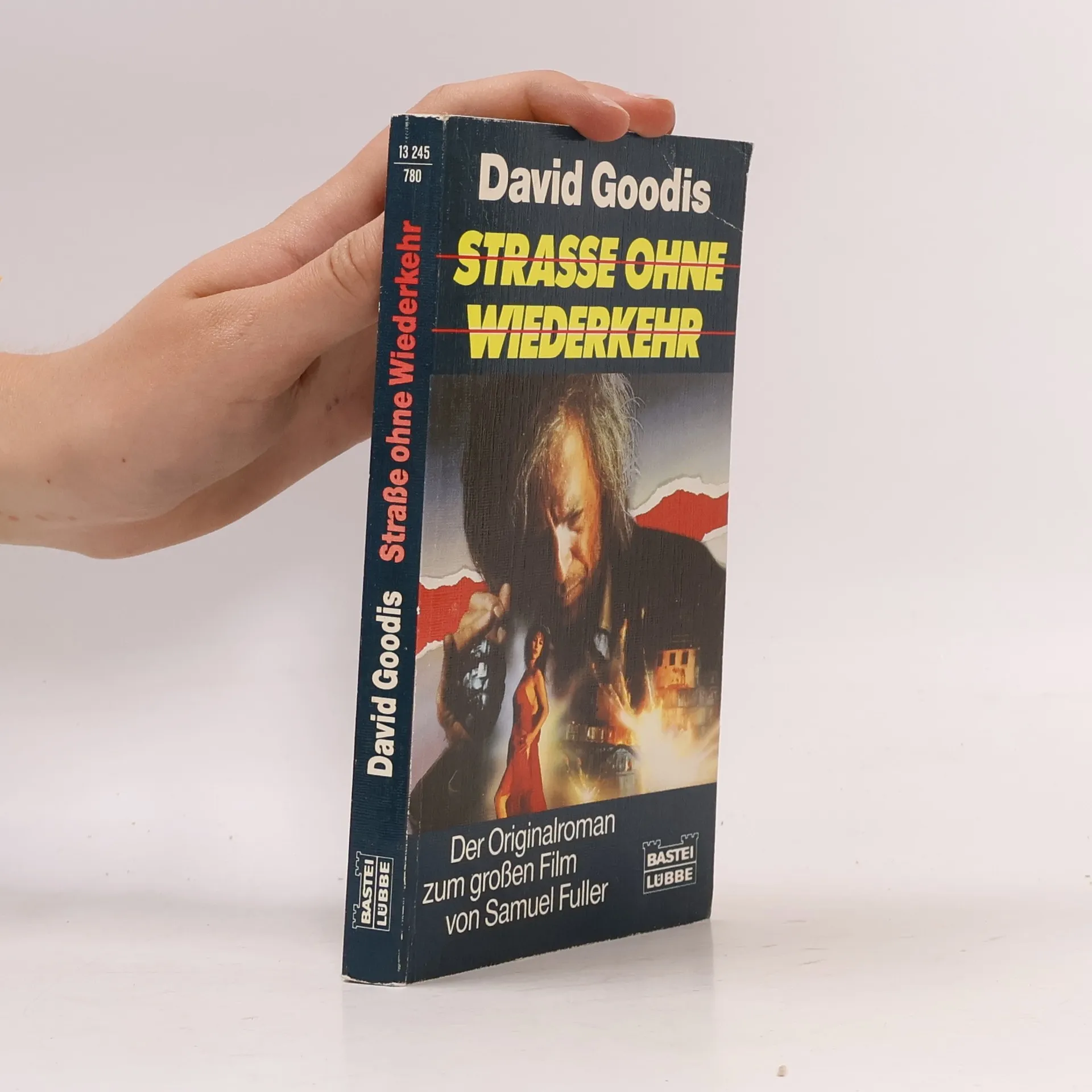
In einem heißen Sommer in New York wird der Werbegrafiker James Vanning von der Angst vor der Polizei und unbekannten Männern verfolgt, die mit einem Verbrechen in Colorado verbunden sind. Er kann sich nicht an das Geschehene erinnern, nur an eine Tasche voller Geld. Eine fatale Entscheidung führt ihn in eine lebensbedrohliche Situation.
David Goodis Reihenfolge der Bücher (Chronologisch)
David Goodis war ein amerikanischer Autor von Noir-Fiktion, bekannt für seine düsteren und spannungsgeladenen Geschichten aus der kriminellen Unterwelt. Seine Werke befassen sich häufig mit Themen wie Schuld, Schicksal und dem aussichtslosen Kampf gegen überwältigende Widrigkeiten. Goodis verstand es meisterhaft, eine Atmosphäre des Schreckens und der Verzweiflung zu erzeugen, in der seine Charaktere in moralisch zwiespältigen Situationen navigieren, in denen die Grenzen zwischen Richtig und Falsch verschwimmen. Sein Schreibstil zeichnet sich durch ein zügiges Tempo und knappe Dialoge aus, die seinen Erzählungen Dringlichkeit und rohe Intensität verleihen.
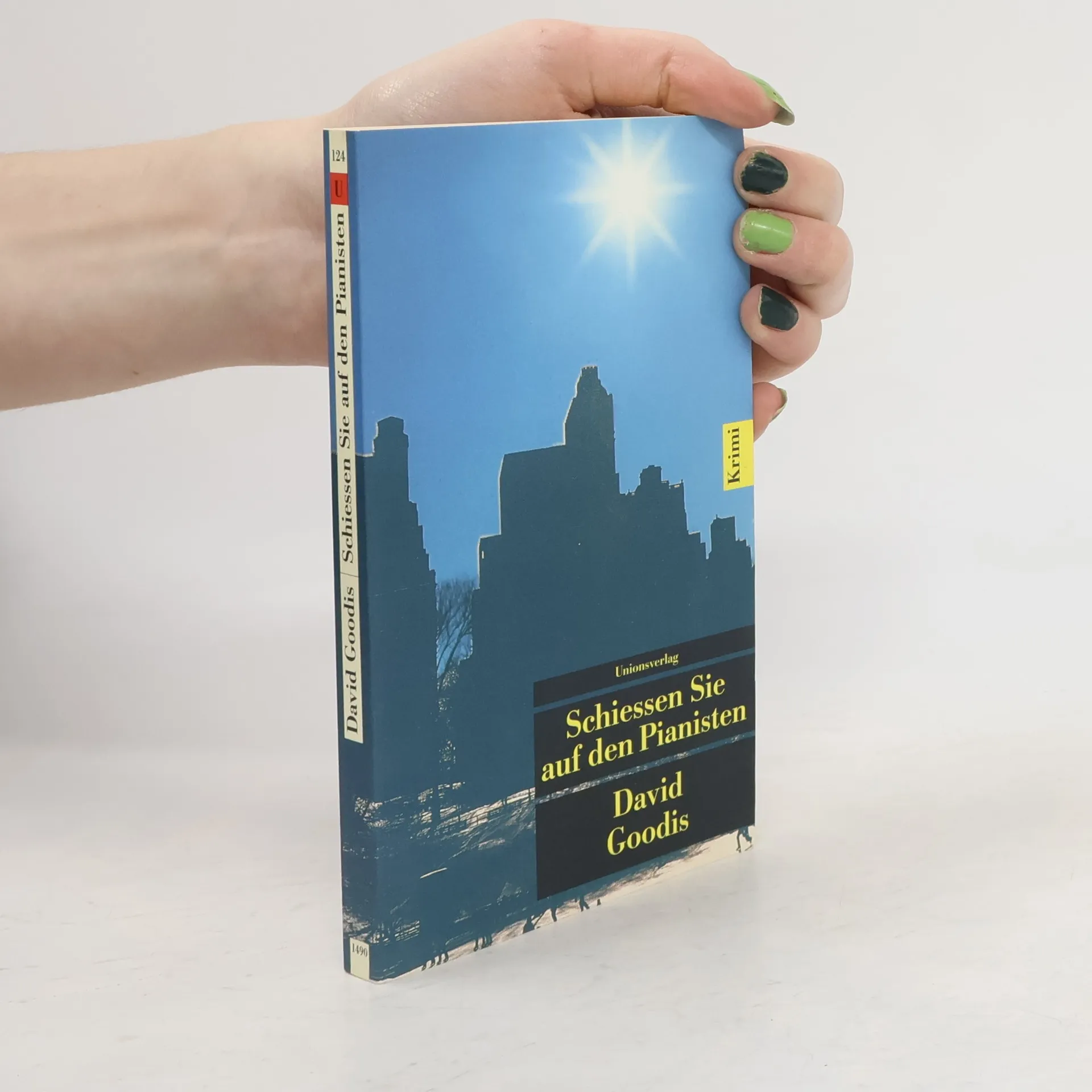




Eddie, ein gescheiterter Pianist, lebt in einer Kneipe und versucht, seine tragische Vergangenheit zu vergessen. Als sein Bruder um Hilfe bittet, bleibt er hart, doch die Situation zwingt ihn zur Flucht in sein Elternhaus. Dort entwickelt sich eine zarte Beziehung zu einer Kellnerin, bevor das Unvermeidliche geschieht.
Feuer in der Nacht. Ein poetisches Krimi-Drama
- 218 Seiten
- 8 Lesestunden
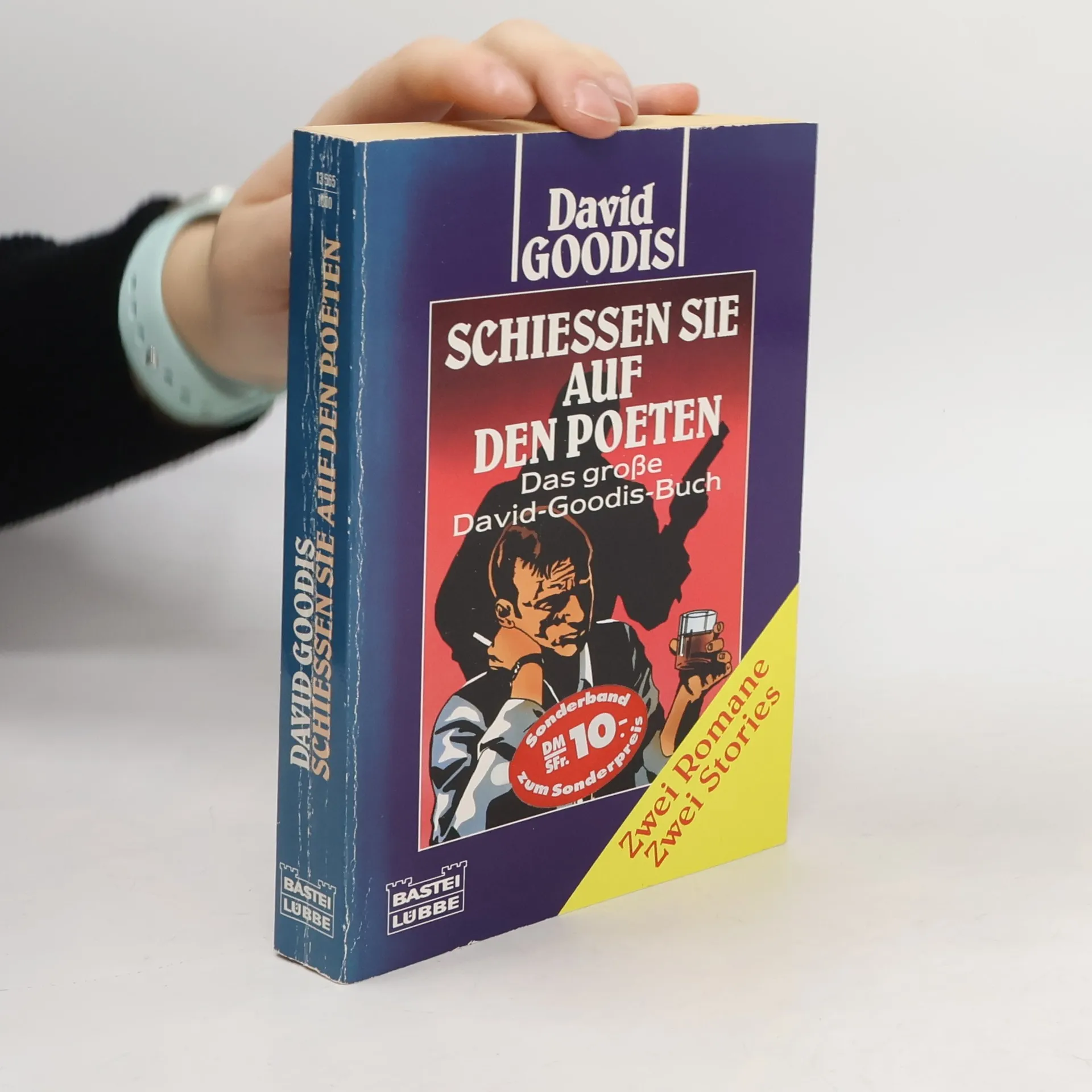
Schiessen Sie auf den Poeten
Das grosse David-Goodis-Buch ; [zwei Romane, zwei Stories] - Sonderband zum Sonderpreis
- 508 Seiten
- 18 Lesestunden
Der Mond in der Gosse. Einf. v. Martin Compart. Nachw. v. Florian Marzin
- 186 Seiten
- 7 Lesestunden
Einführg. ; Nachw. von Compart, Martin ; Marzin, Florian
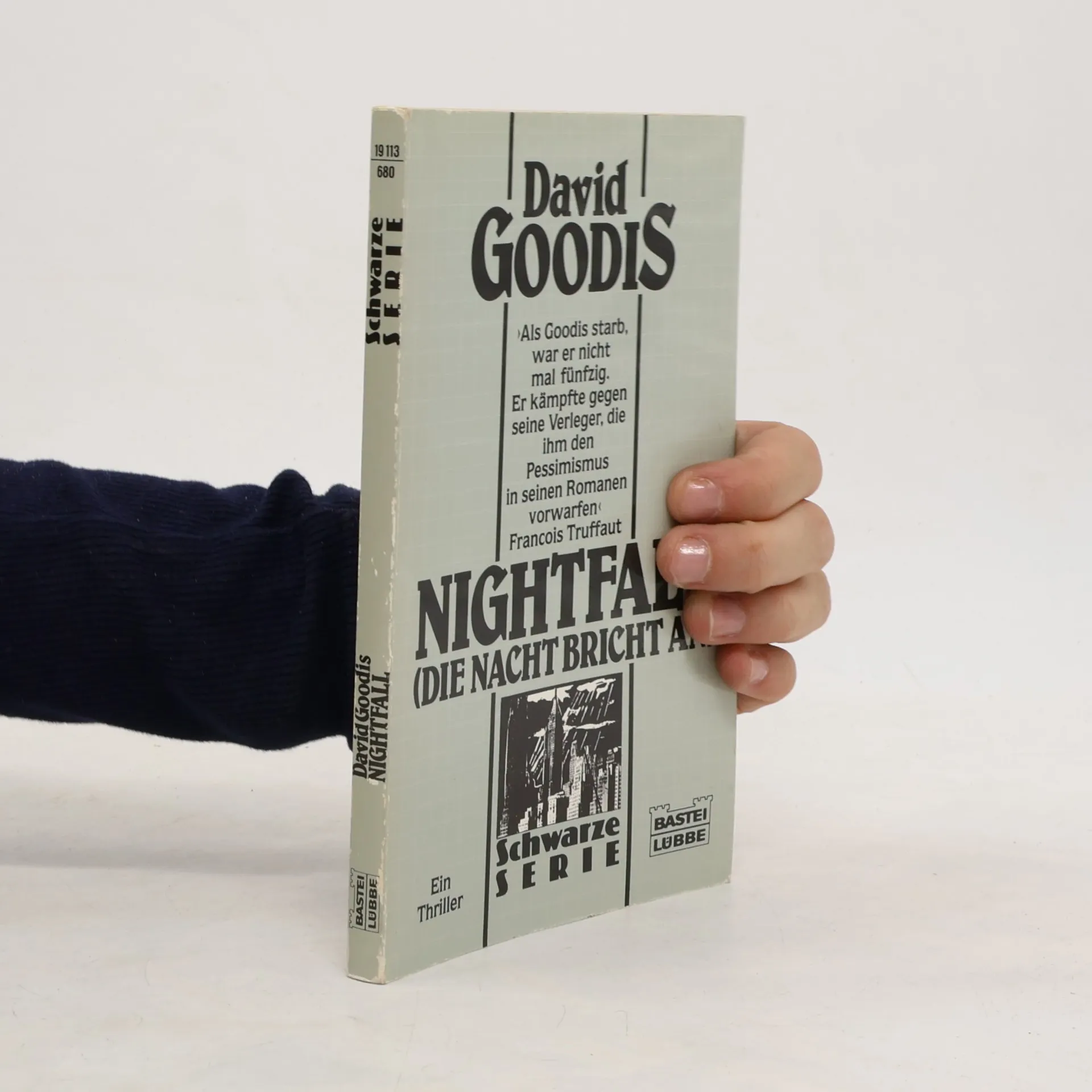
Nightfall
- 175 Seiten
- 7 Lesestunden
Mit e. Biblio- und Filmographie v. Compart, Martin
Am Ende der Nacht. Mit e. Nachw. u. e. ausgew. Filmographie von Andre Simonoviescz.
- 207 Seiten
- 8 Lesestunden
Das Buch enthält ein Nachwort und eine ausgewählte Filmographie von Andre Simonovieszc und umfasst 207 Seiten.
Nachtvorstellung
- 621 Seiten
- 22 Lesestunden
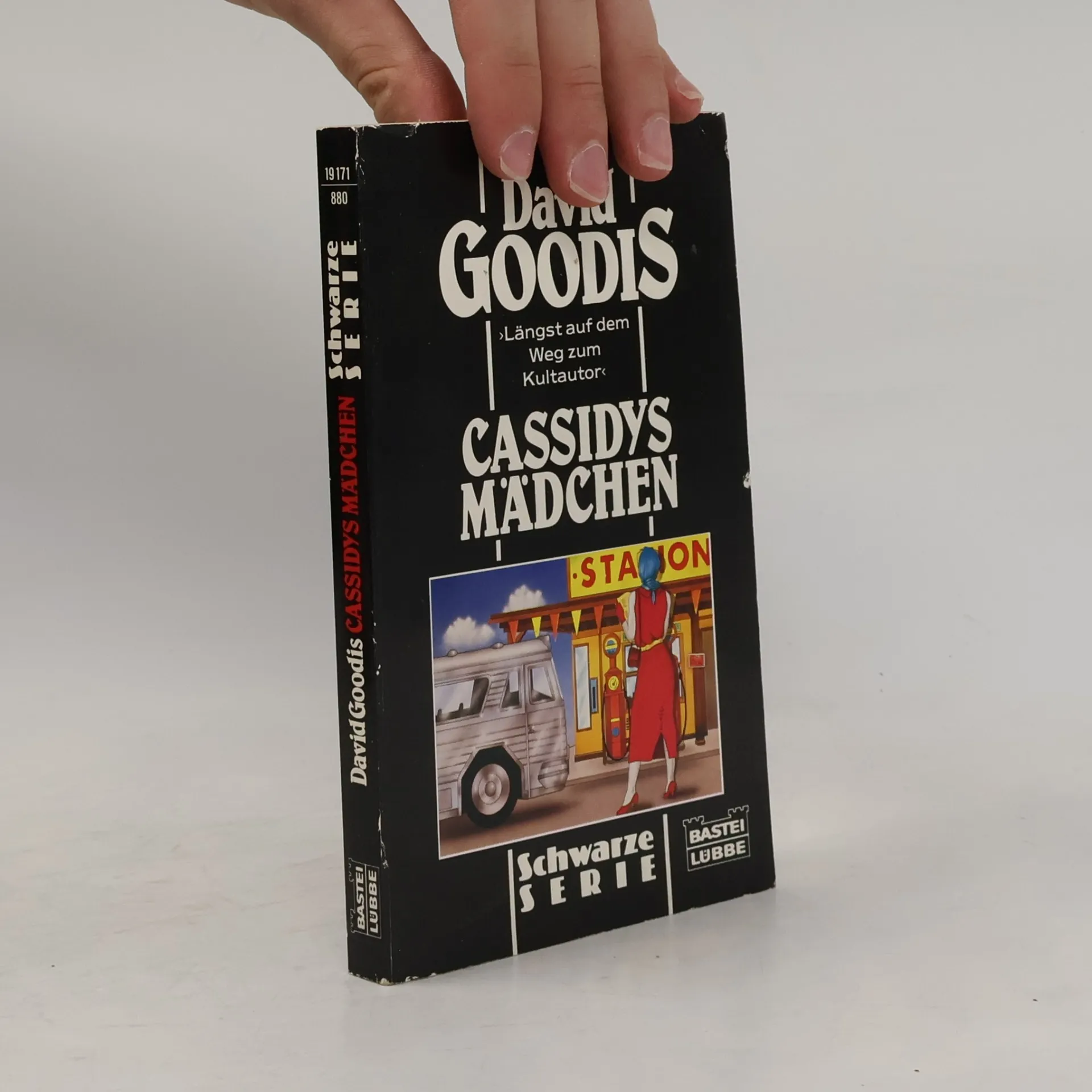
Schwarze Serie: Cassidys Mädchen
- 221 Seiten
- 8 Lesestunden
221 S.
Schwarze Serie: Schwarzer Freitag
- 190 Seiten
- 7 Lesestunden
190 S.
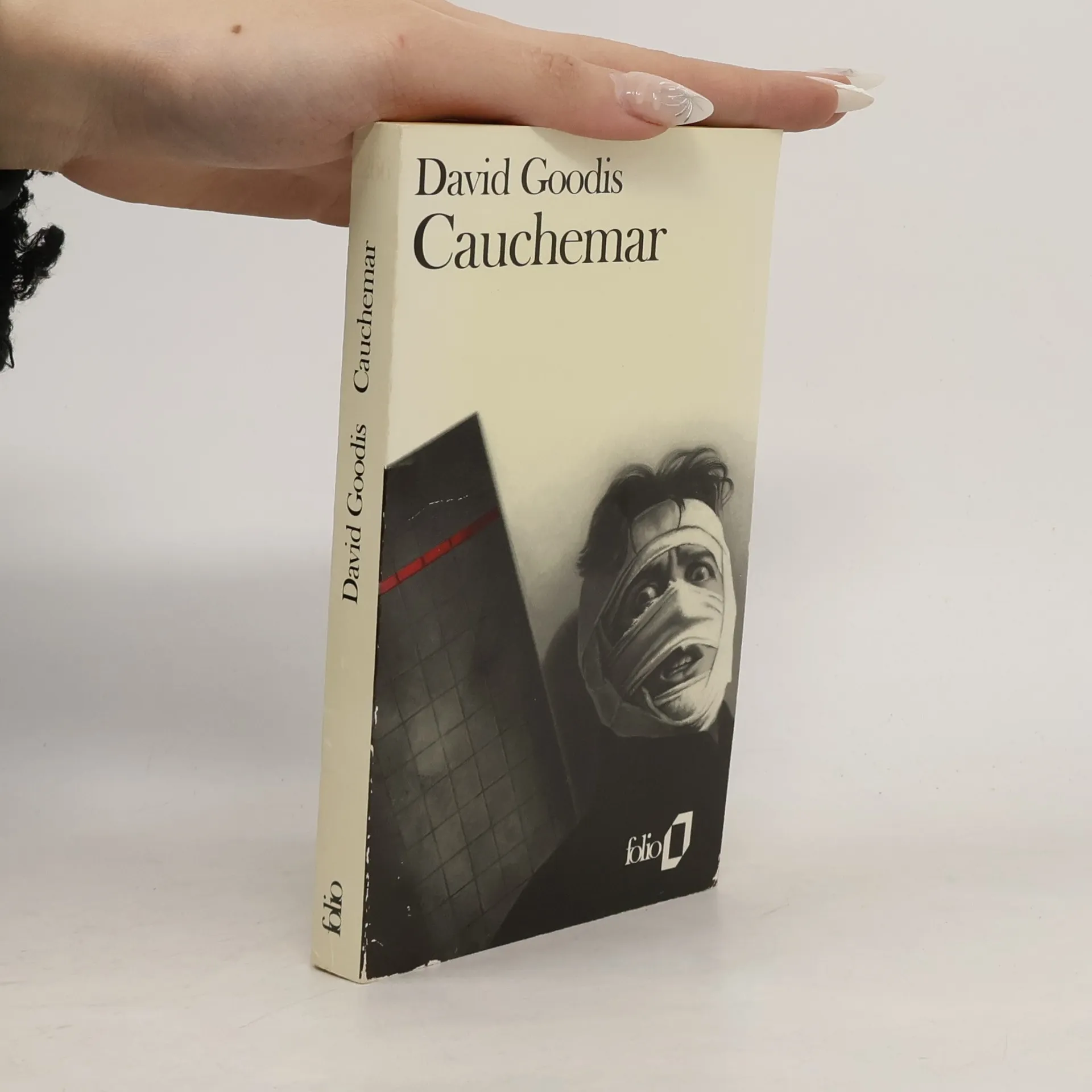
Cauchemar
- 288 Seiten
- 11 Lesestunden
Il y a des moments où un homme est contraint de laisser derrière lui tout ce qu'il a été. Tout. Vincent Perry est confronté à cette décision. Sa fuite de prison a réussi, mais aucun endroit où se réfugier n'est assez sûr. Il n'existe qu'une seule issue : se mettre entre les mains de ce chirurgien de pacotille, lui faire confiance aveuglément et acheter un nouveau visage. N'importe quel visage...
Schiessen Sie auf den Pianisten
- 205 Seiten
- 8 Lesestunden
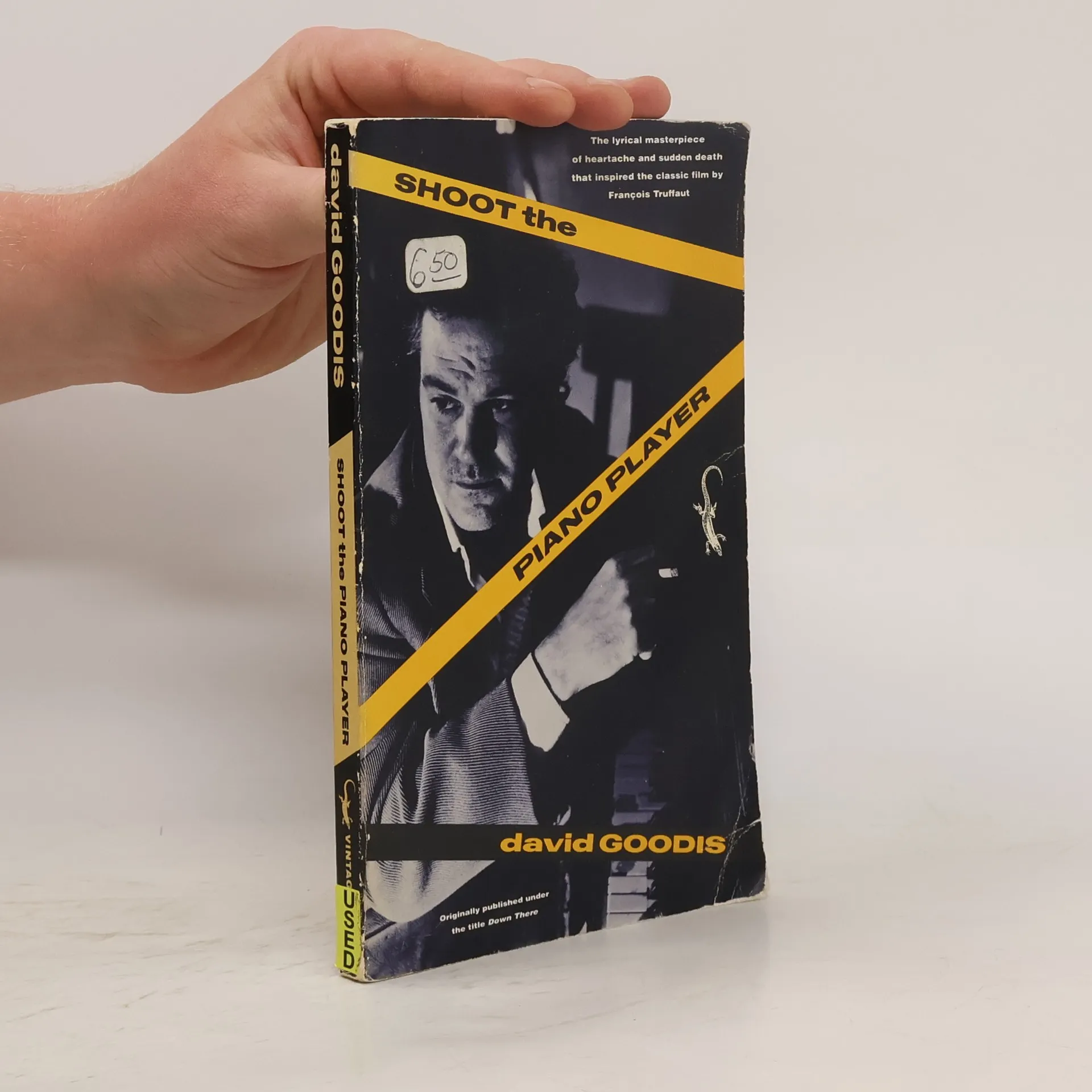
Shoot the Piano Player
- 158 Seiten
- 6 Lesestunden
Once upon a time Eddie played concert piano to reverent audiences at Carnegie Hall. Now he bangs out honky-tonk for drunks in a dive in Philadelphia. But then two people walk into Eddie's life—the first promising Eddie a future, the other dragging him back into a treacherous past.Shoot the Piano Player is a bittersweet and nerve-racking exploration of different kinds of loyalty: the kind a man owes his family, no matter how bad that family is; the kind a man owes a woman; and, ultimately, the loyalty he owes himself. The result is a moody thriller that, like the best hard-boiled fiction, carries a moral depth charge.
Schwarze Serie: Straße der Barbaren. Nachw. v. Alex Coutts
- 191 Seiten
- 7 Lesestunden
Nachw. v. Coutts, Alex. 191 S.
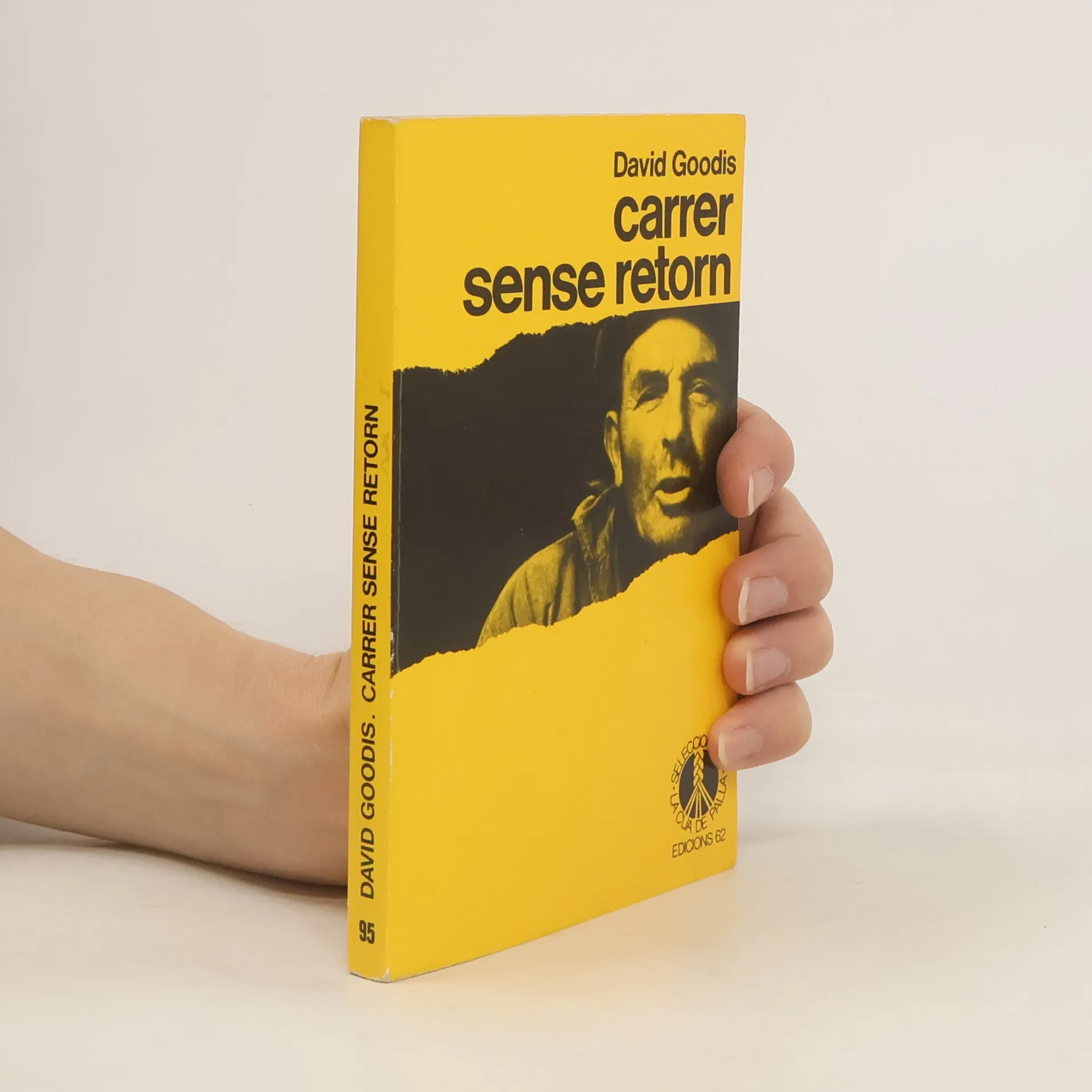
Carrer sense retorn
- 171 Seiten
- 6 Lesestunden
Whitey és acusat injustament de matar un policia i es veu atrapat en els esquemes de tres gàngsters brutals.
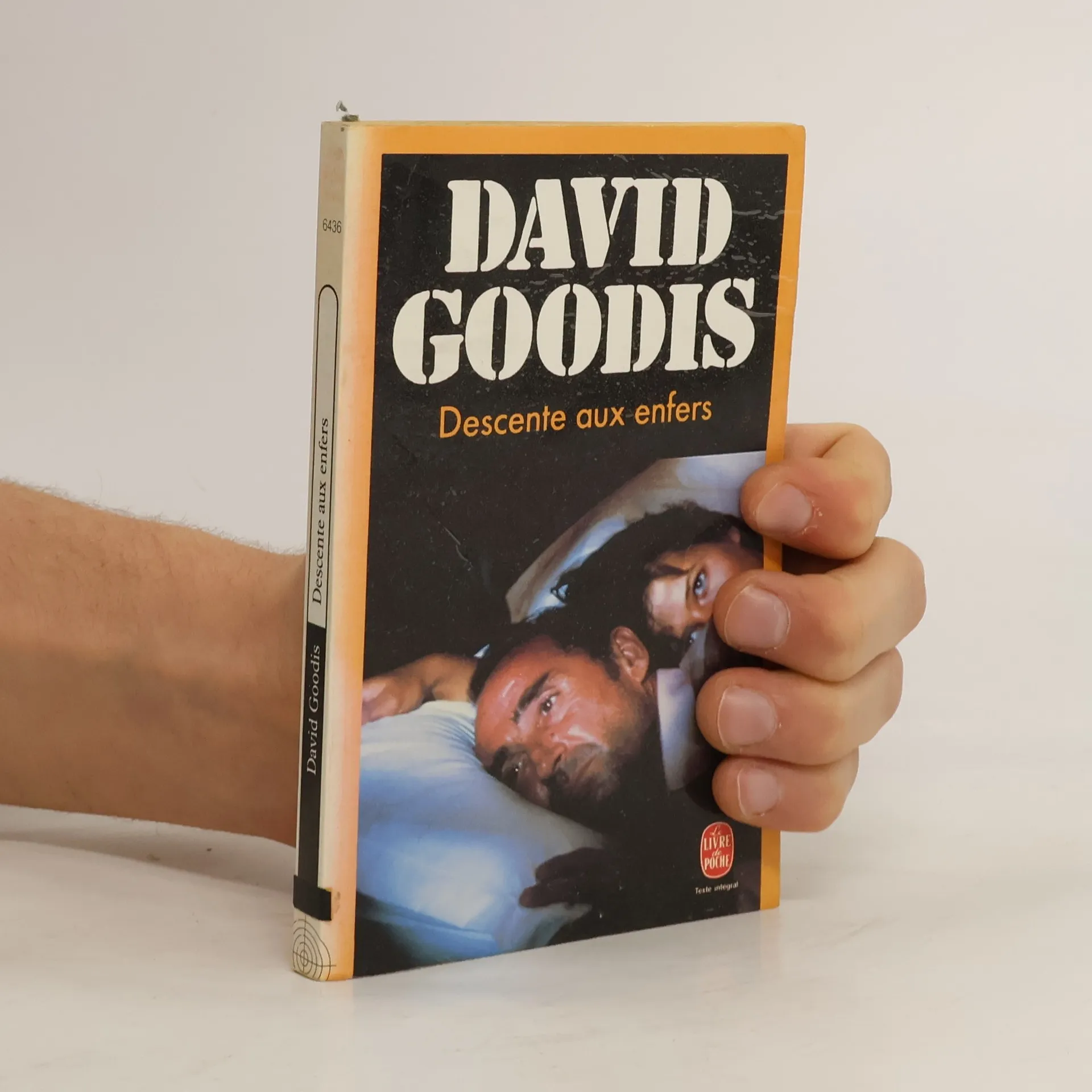
Livre de Poche: Descente aux enfers
- 251 Seiten
- 9 Lesestunden
Vigileu aquesta dona
- 192 Seiten
- 7 Lesestunden
Clara, una dona cruel i ambiciosa que oculta un passat molt tormentós, es casa amb George Ervin per escalar el lloc que desitja en la societat. Però després de la seva arribada a la casa, la vida de George, Evelyn -filla d'un anterior matrimoni d'aquest- i de la vella criada es converteix en un veritable infern. Clara s'ha desquiciat i la seva calculada perversitat s'ha transformat en desenfrenada violència. Tanmateix, ignora que algunes persones del seu entorn estan arribant al límit de la seva paciència. Qui tindrà el valor d'acabar amb aquesta bruixa?
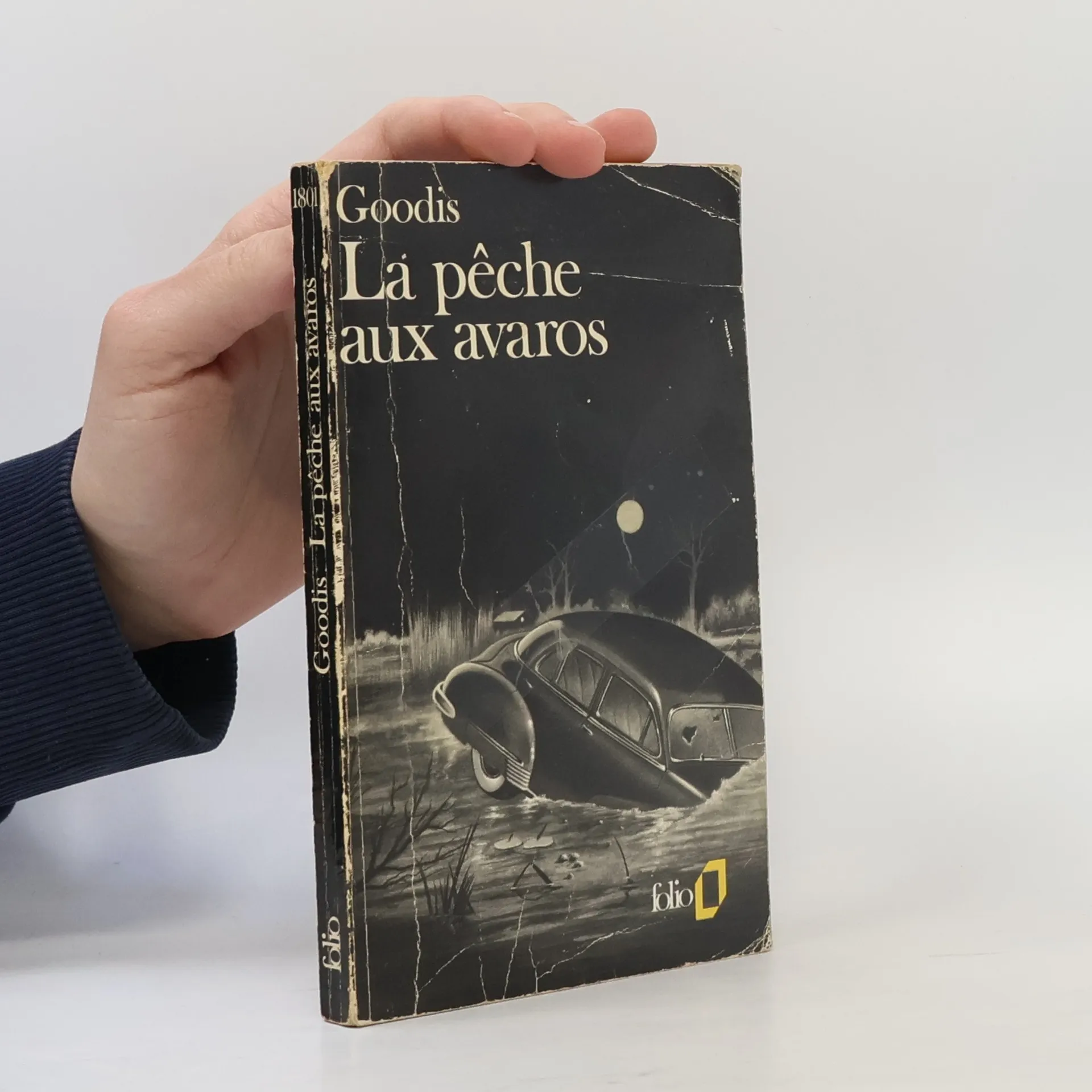
La pêche aux avaros
- 192 Seiten
- 7 Lesestunden
Nouvelle édition en 1987
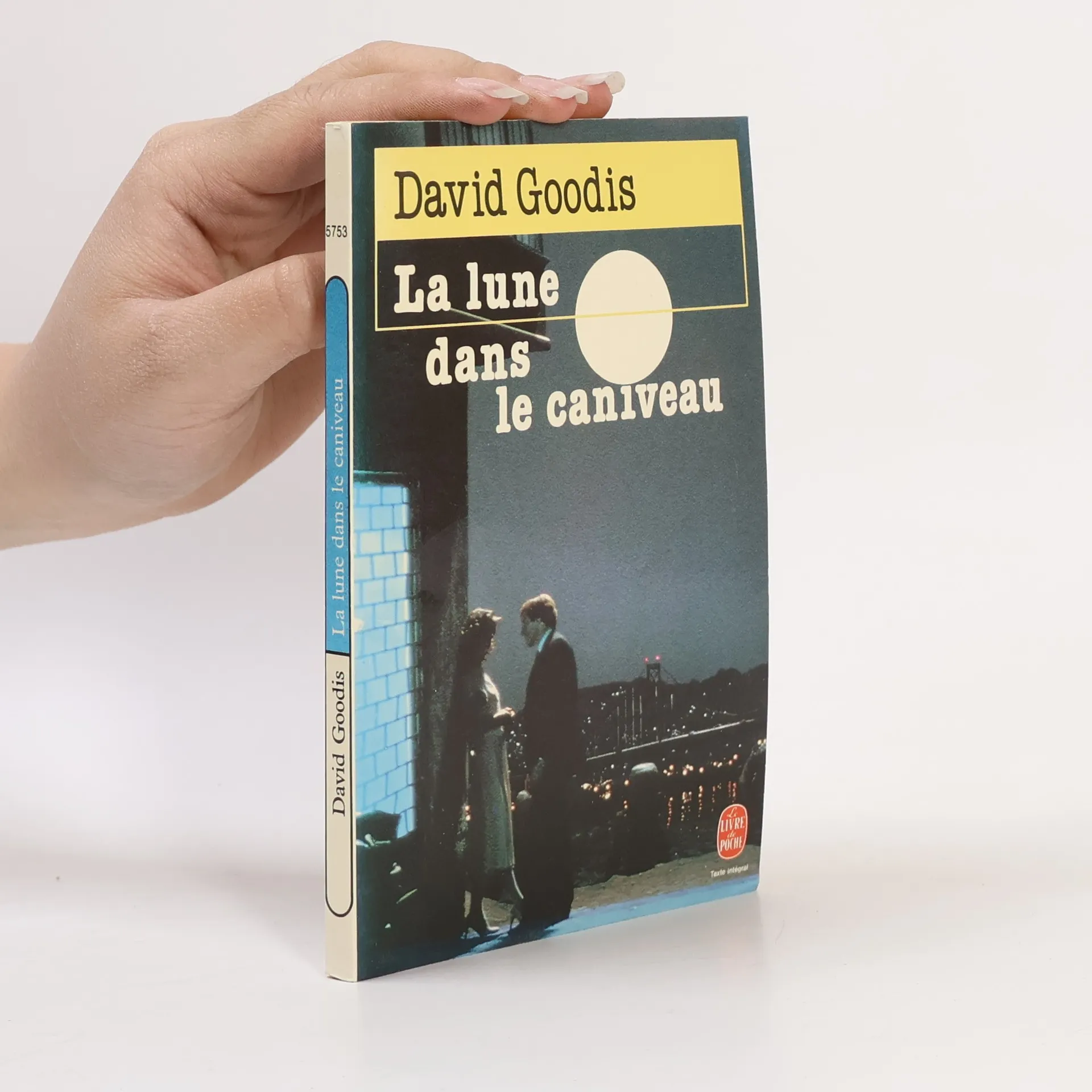
La lune dans le caniveau - Texte intégral
- 191 Seiten
- 7 Lesestunden
In the rough end of Philadelphia, docker William Kerrigan obsesses over the mysterious suicide of his sister. Into a dive bar walks Lorretta Channing the beautiful, enigmatic socialite and sister of Newton the drunk. Loretta's the impossible dream, the escape route from his hellhole existence, but maybe she holds the key to his sister's death.
Schüsse auf den Pianisten
- 158 Seiten
- 6 Lesestunden