Today every ICU provides rapid and automated blood gas testing twenty-four hours a day. The emphasis in this handy manual on blood gases is on interpreting readings and wisely using the information derived. The self-testing questions and glossary make it particularly useful. The Second Edition includes patient scenarios, more figures, a revised bibliography, and pertinent Internet addresses.
Pilotage information for the area from the Mull of Galloway to Colonsay, embracing the Firth of Clyde, the lochs north of Bute, the Crinan Canal and the islands of Islay and Jura is presented in this book. Aerial and ground photographs are also included
A completely revised edition of Martin Lawrence's guide to the Outer Hebrides from Barra northwards to the Isle of Lewis. This new edition of The Western Isles has been completely updated and improved by the use of colour throughout. Many of the photographs are new and almost every harbour and anchorage is now covered from the air to show the extent of drying rocks and low water channels. The plans have been corrected and are also now in colour. This pilot makes both an excellent on-board companion as well as a useful reference for anyone venturing across the Little Minch to explore the Outer Hebrides - one of the most remote and beautiful parts of the British Isles.
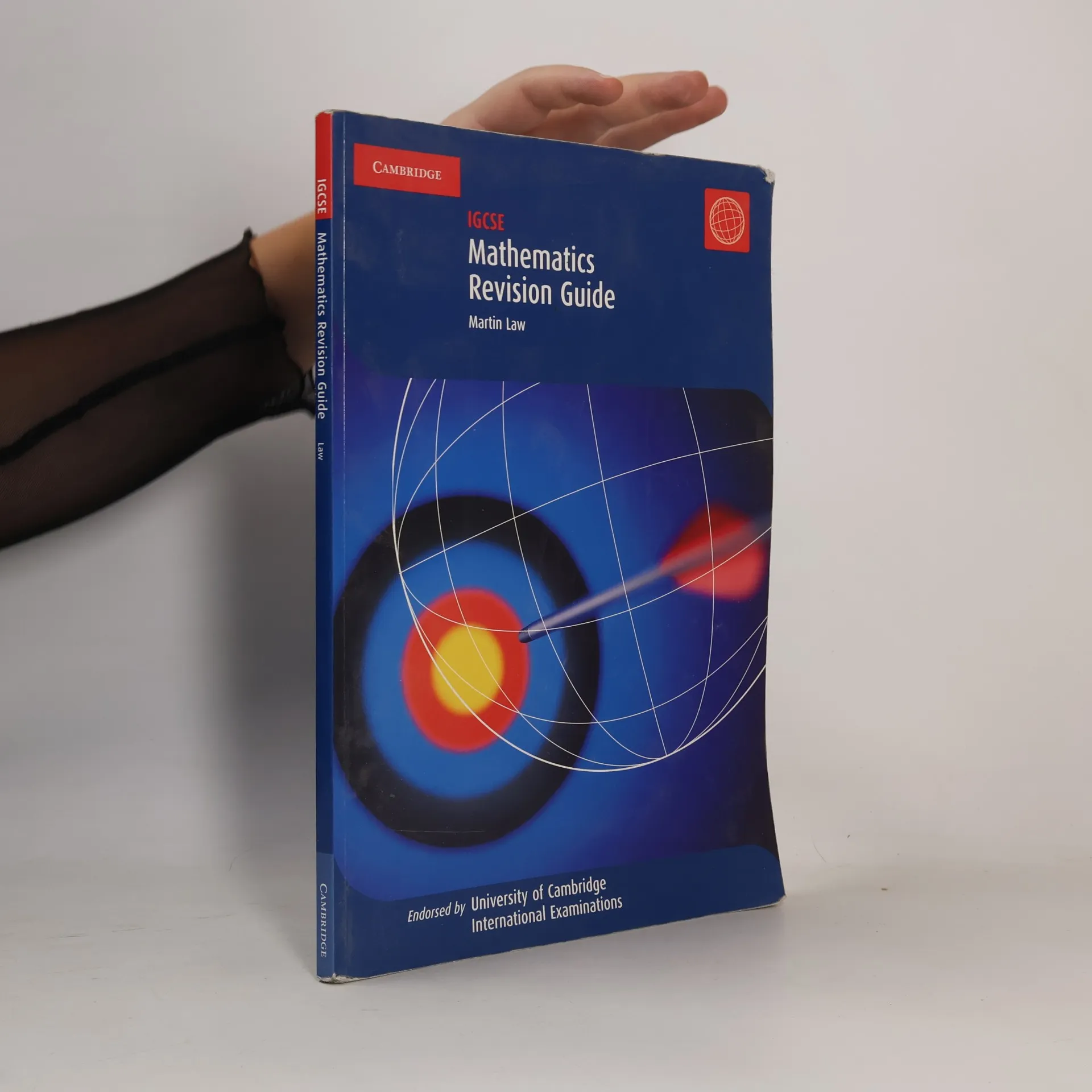
This revision tool is a must for all Cambridge IGCSE Maths students. It can be used as an ongoing reference book or as an aid for final exam preparation. All areas of the CIE syllabus are covered and examples are used that are typical of past-paper questions with each step fully explained, answers provided and grade descriptions available.
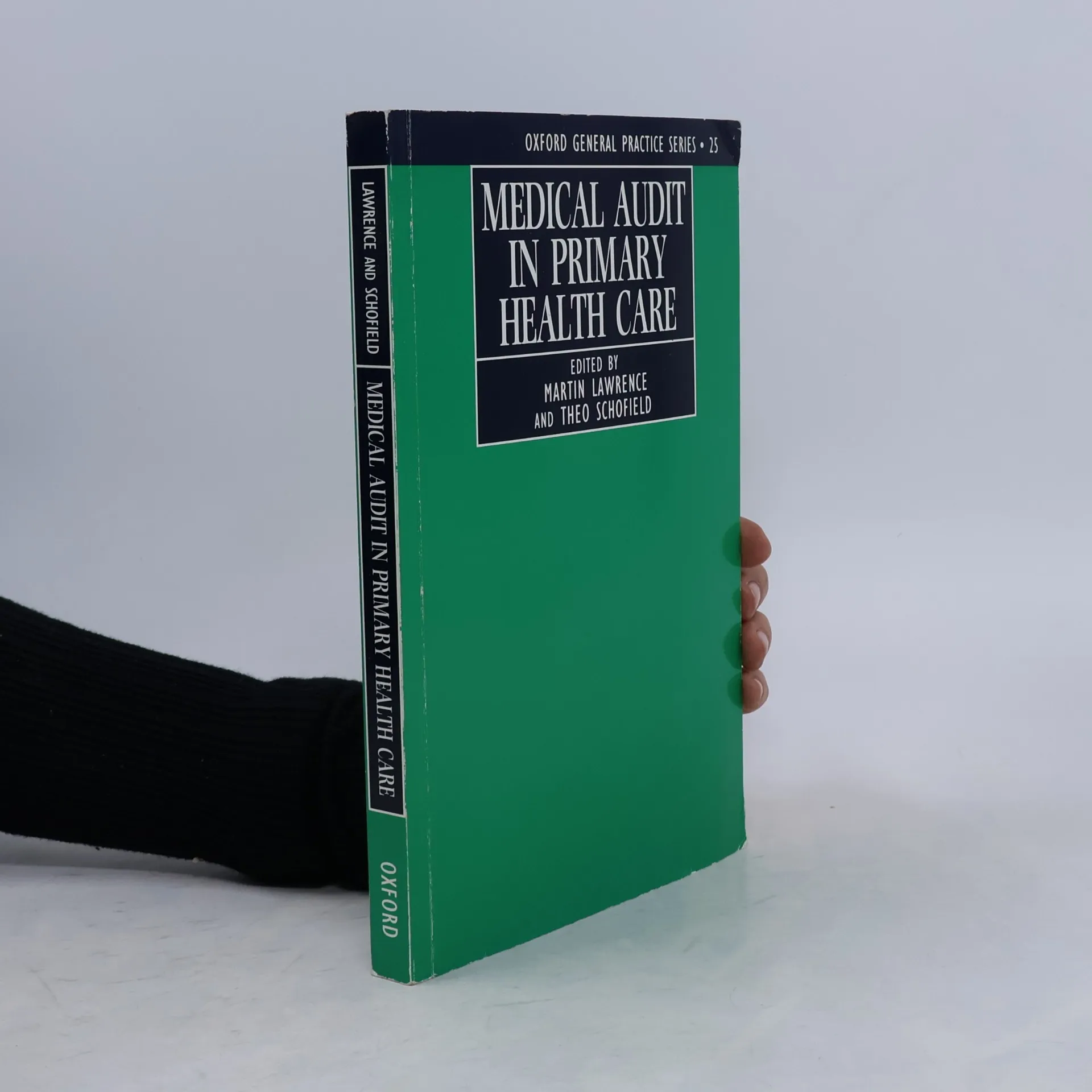
The demand for quality control in medical care has surged recently, driven by increased public awareness and political trends. This has led to the widespread implementation of audits in general practice across the US, supported by improved data collection systems and enhanced primary care teamwork. This concise yet comprehensive guide addresses the theory and practice of medical audit in primary health care. Edited by university lecturers and practicing family practitioners, it features contributions from various practitioners experienced in audit implementation and aware of potential pitfalls. The first section explores the theoretical foundation and purpose of audits, detailing the 'audit cycle' stages from setting target standards to enacting change. The second section focuses on the practical implementation of audits, examining each stage of the cycle and providing real-world examples of audit challenges in different care areas. It concludes with insights on the role of Medical Audit Advisory Groups and auditing methods. Emphasizing teamwork in problem-solving, this guide serves as a valuable resource for general practitioners, trainees, and all members of the primary health care team.