Ancient Egypt: A Social History
- 464 Seiten
- 17 Lesestunden
This book, first published in 1983, presents an innovative perspective on the ancient societies which flourished in the Nile Valley.


Der kanadische Archäologe, Anthropologe und Ethnohistoriker Bruce Graham Trigger konzentrierte seine Forschung auf die Geschichte der archäologischen Forschung und das vergleichende Studium früher Kulturen. Während seiner langen Karriere an der McGill University entwickelte er neue theoretische Ansätze für Archäologie und Ethnologie. Seine Arbeit zeichnete sich durch ein tiefes Verständnis kultureller Kontexte und das Engagement für interdisziplinäre Synthese aus. Triggers Forschungen trugen maßgeblich zu unserem Verständnis der Entwicklung menschlicher Gesellschaften bei.




This book, first published in 1983, presents an innovative perspective on the ancient societies which flourished in the Nile Valley.
A detailed comparative study of the seven best-documented early civilizations: ancient Egypt and Mesopotamia, Shang China, the Aztecs, peoples in the Valley of Mexico, the Classic Maya, the Inka, and the Yoruba. Equal attention is paid to similarities and differences in their sociopolitical organization, economic systems, religion, and culture.
The development of archeological thought is analyzed by examining archeological history to determine to what extent its trends reflect archeologists' personal & collective interests. List of Illustrations Preface The relevance of archaeological history Classical archaeology & antiquarianism The beginnings of scientific archaeology The imperial synthesis Culture-historical archaeology Soviet archaeology Functionalism in Western archaeology Neo-evolutionism & the new archaeology The explanation of diversity Archaeology & its social context Bibliographical Essay References Index
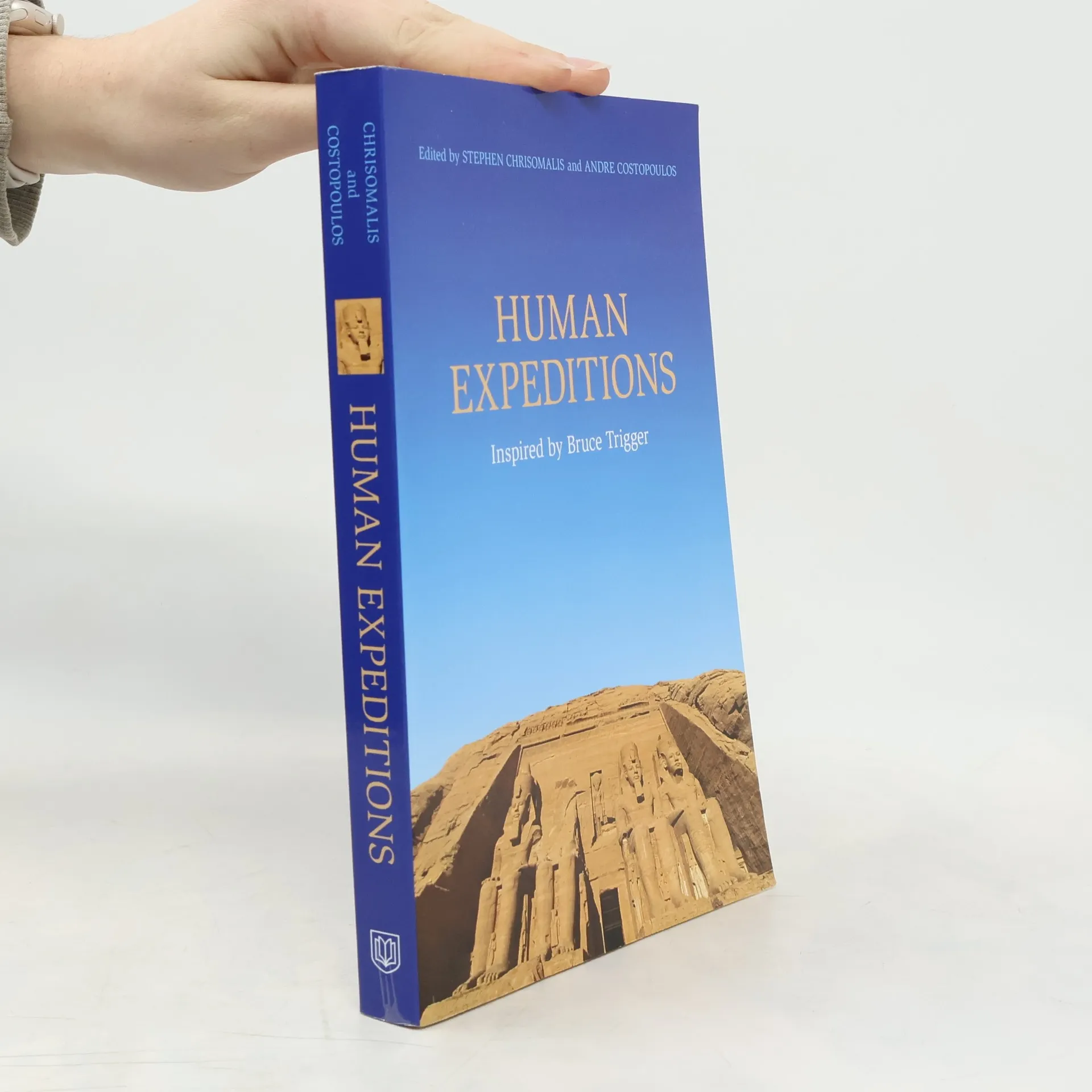
In its 2007 obituary of Bruce Trigger (1937-2006), the Times of London referred to the Canadian anthropologist and archaeologist as "Canada's leading prehistorian" and "one of the most influential archaeologists of his time." Trained at Yale University and a faculty member at McGill University for more than forty years, he was best known for his History of Archaeological Thought , which the Times called "monumental." Trigger inspired scholars all over the world through his questioning of assumptions and his engagement with social and political causes. Human Expeditions pays tribute to Trigger's immense legacy by bringing together cutting edge work from internationally recognized and emerging researchers inspired by his example. Covering the length and breadth of Trigger's wide-ranging interests - from Egyptology to the history of archaeological theory to North American aboriginal cultures - this volume highlights the diversity of his academic work and the magnitude of his impact in many different areas of scholarship.