

The narrative delves into the intense rivalry between Richard II and Henry IV, two cousins whose contrasting personalities shaped a tumultuous period in English history. Richard, a narcissistic ruler, and Henry, a charismatic leader, found their fates intertwined from childhood. As Richard's tyrannical rule led to Henry's exile, their conflict escalated into a dramatic confrontation that threatened the very fabric of the nation. Helen Castor's storytelling captures the complexities of power, masculinity, and ambition, revealing how their intertwined destinies led to profound consequences for England.
Helen Castor Bücher
Helen Castor ist eine Historikerin des mittelalterlichen Englands, die sich entschied, Geschichte für ein breiteres Publikum zu schreiben. Ihre Werke konzentrieren sich auf Frauen und ihre Machtpositionen in England und untersuchen deren Leben und Einfluss. Castor nutzt reiches Archivmaterial, um die Vergangenheit wiederzubeleben und komplexe persönliche und politische Dynamiken aufzudecken. Ihr Stil ist zugänglich und zugleich tiefgründig informiert, was sie zu einer faszinierenden Erzählerin macht.

Elizabeth I (Penguin Monarchs)
- 144 Seiten
- 6 Lesestunden
Part of the Penguin Monarchs series: short, fresh, expert accounts of England's rulers in a collectible format In the popular imagination, as in her portraits, Elizabeth I is the image of monarchical power. The Virgin Queen ruled over a Golden Age: the Spanish Armada was defeated; English explorers reached the ends of the earth; a new Church of England rose from the ashes of past conflict; the English Renaissance bloomed in the genius of Shakespeare, Spenser and Sidney. But the image is also armour. In this illuminating new account of Elizabeth's reign, Helen Castor shows how England's iconic queen was shaped by profound and enduring insecurity-an insecurity which was both a matter of practical political reality and personal psychology. From her precarious upbringing at the whim of a brutal, capricious father and her perilous accession after his death, to the religious division that marred her state and the failure to marry that threatened her line, Elizabeth lived under constant threat. But, facing down her enemies with a compellingly inscrutable public persona, the last and greatest of the Tudor monarchs would become a timeless, fearless queen.
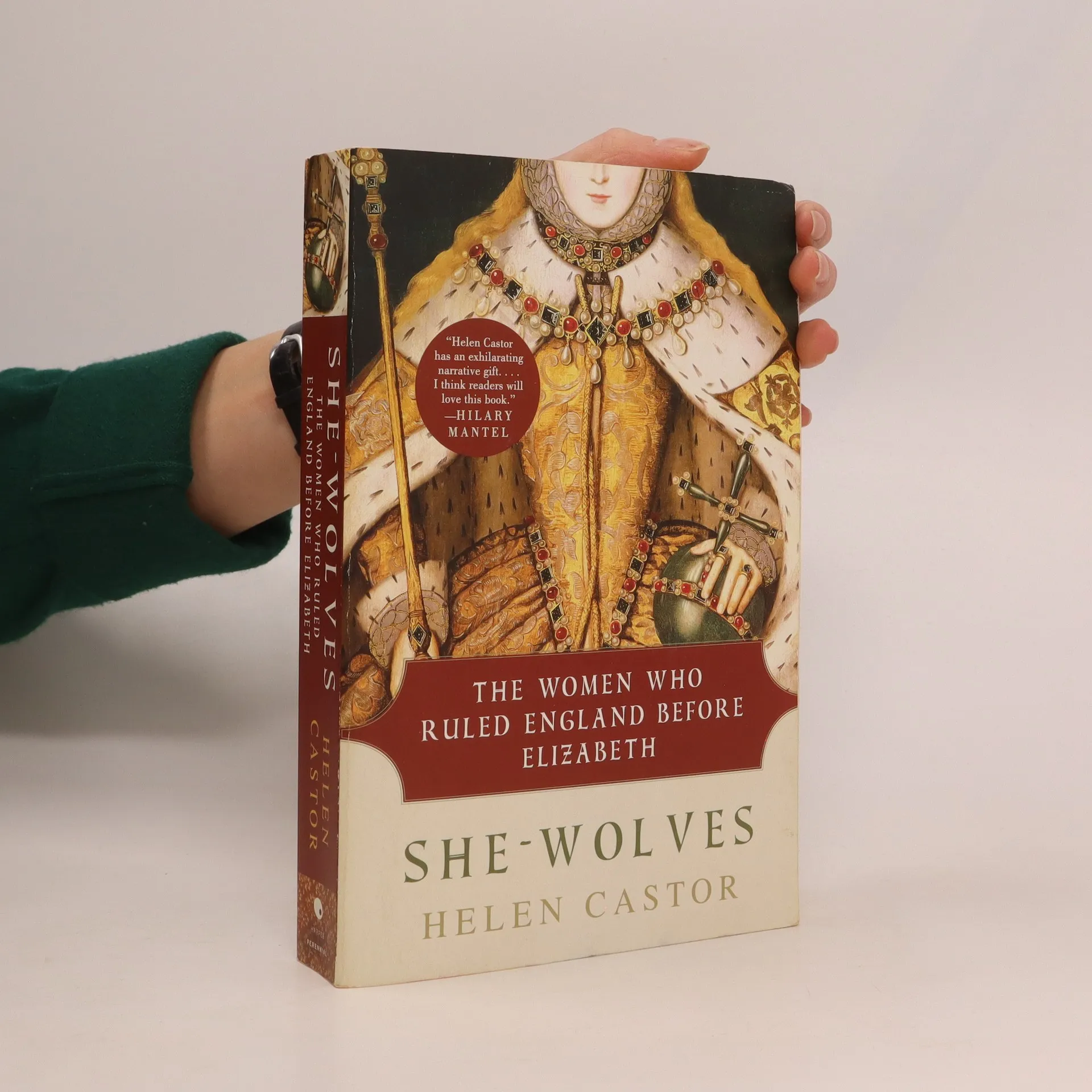
With the death of Edward VI in 1553, England, for the first time, would have a reigning queen. The question was: Who? Four women stood upon the crest of history: Katherine of Aragon’s daughter, Mary; Anne Boleyn’s daughter, Elizabeth; Mary, Queen of Scots; and Lady Jane Grey. But over the centuries, other exceptional women had struggled to push the boundaries of their authority and influence—and been vilified as “she-wolves” for their ambitions. Revealed in vivid detail, the stories of Eleanor of Aquitaine, Isabella of France, Margaret of Anjou, and the Empress Matilda expose the paradox that England’s next female leaders would confront as the Tudor throne lay before them—man ruled woman, but these women sought to rule a nation.
Joan of Arc
- 368 Seiten
- 13 Lesestunden
Focusing on the historical context, this biography presents Joan of Arc as a dynamic young woman rather than just a legendary figure. Helen Castor vividly depicts her as a fierce warrior involved in the struggles against the English and the internal conflicts of fifteenth-century France, offering readers an engaging and nuanced portrait of her life and the tumultuous times she navigated.
The Wars of the Roses transformed England between 1455 and 1485, resulting in the downfall of four kings and the deaths of over forty noblemen, alongside countless others. Despite the chaos, little is known about the sentiments of those who lived through this tumultuous period. However, a Norfolk family, the Pastons, documented their experiences through letters that have remarkably survived. These letters, the earliest significant collection of private correspondence in English, reveal insights into politics, business, love, and family life, offering a glimpse into a disintegrating world. Blood and Roses chronicles the Paston family's journey over three generations. As newcomers to the aristocracy, they navigated a society rife with snobbery and power struggles. Key figures include William Paston, the self-made patriarch; his son John, who fought to inherit estates from Sir John Falstaff, the inspiration for Shakespeare's character; and Margaret, John's wife, who held the family together for decades while raising seven children and defending their property. Their sons, John II, a courtier with a love for literature and women, and John III, the dependable brother who penned the earliest surviving valentine in England, further illustrate the family's rich legacy amidst the backdrop of the Wars of the Roses.
The Wars of the Roses turned England upside down. Between 1455 and 1485, four kings, including Richard III, lost their thrones, more than forty noblemen lost their lives on the battlefield, and thousands of the men who followed them met violent deaths. This title tells how a family survived one of the tempestuous periods in English History.