

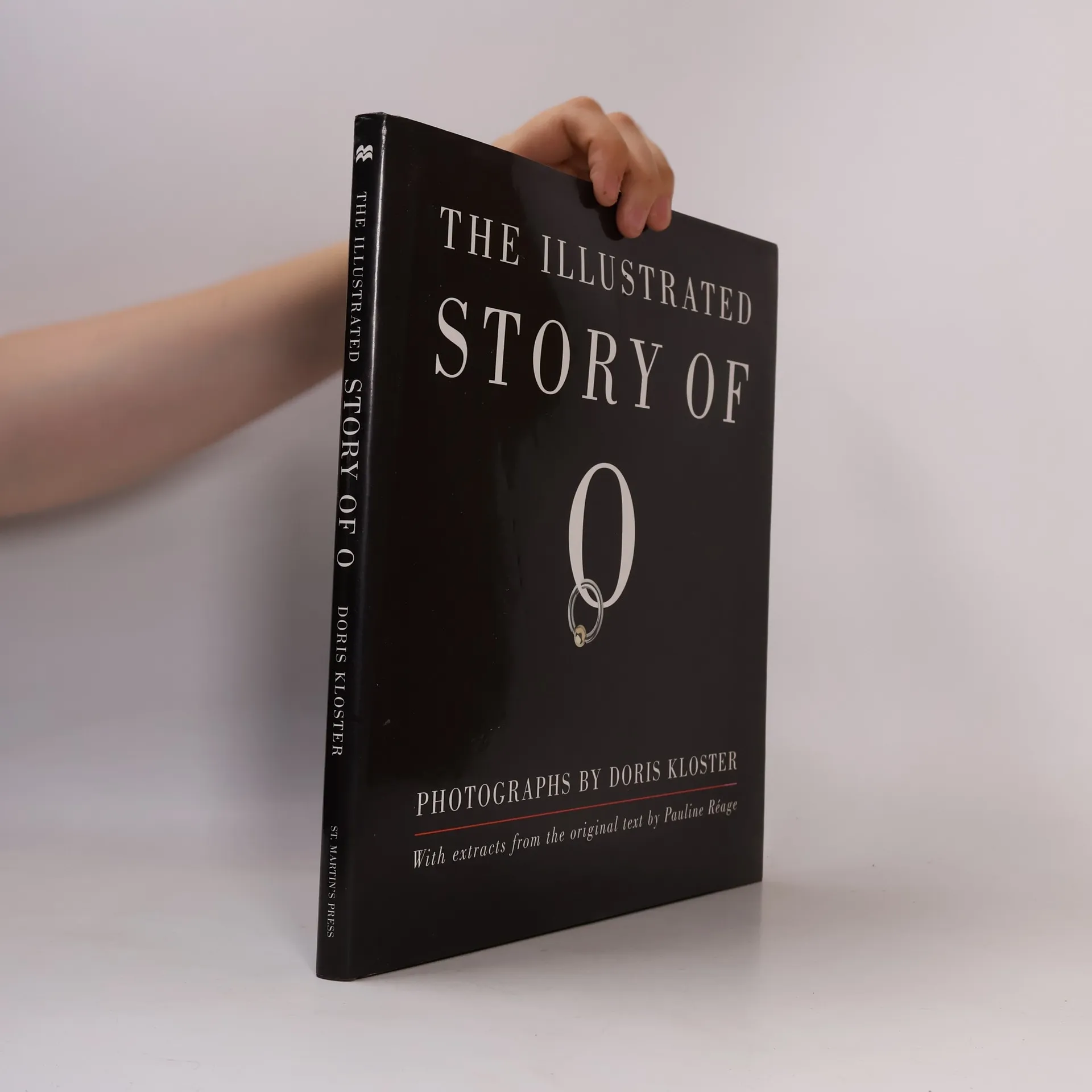
When first published in 1954 by Jean-Jacques Pauvert, this novel narrowly escaped censorship and became the most widely translated French novel globally. It depicts a young woman's experiences as she willingly navigates a dark maze of perverse sexual practices in an amoral society. The narrative explores themes of total submission through love, sadism, masochism, and the concept of "ownership." Doris Kloster, a photographer focused on women's sexuality and power, has realized her dream by creating a photographic representation of this controversial erotic work. The Illustrated Story of O features over 50 stunning images that capture the novel's intense eroticism. Shot entirely in Paris, Kloster meticulously matched characters, locations, costumes, and props to the original descriptions, enhancing the visual experience. Each magnificent color photograph is paired with a short extract from the text, enriching the reader's understanding. The collection includes a Preface by Kloster and an Introduction by Pauvert, offering additional insights. This illustrated edition presents a rich visual feast, appealing to fans of Kloster's work and connoisseurs of darker sexual themes, and is poised to become a classic collector's item.
Dominique Aury Reihenfolge der Bücher (Chronologisch)

Livre de Poche: Histoire d'O
précédé de Le bonheur dans l'esclavage par Jean Paulhan
- 310 Seiten
- 11 Lesestunden
Enfin une femme qui avoue ! Qui avoue quoi ? Ce dont les femmes se sont de tout temps défendues (mais jamais plus qu'aujourd'hui). Ce que les hommes de tout temps leur reprochaient : qu'elles ne cessent pas d'obéir à leur sang ; que tout est sexe en elles, et jusqu'à l'esprit. Qu'il faudrait sans cesse les nourrir, sans cesse les laver et les farder, sans cesse les battre. Qu'elles ont simplement besoin d'un bon maître, et qui se défie de sa bonté... Jean Paulhan.
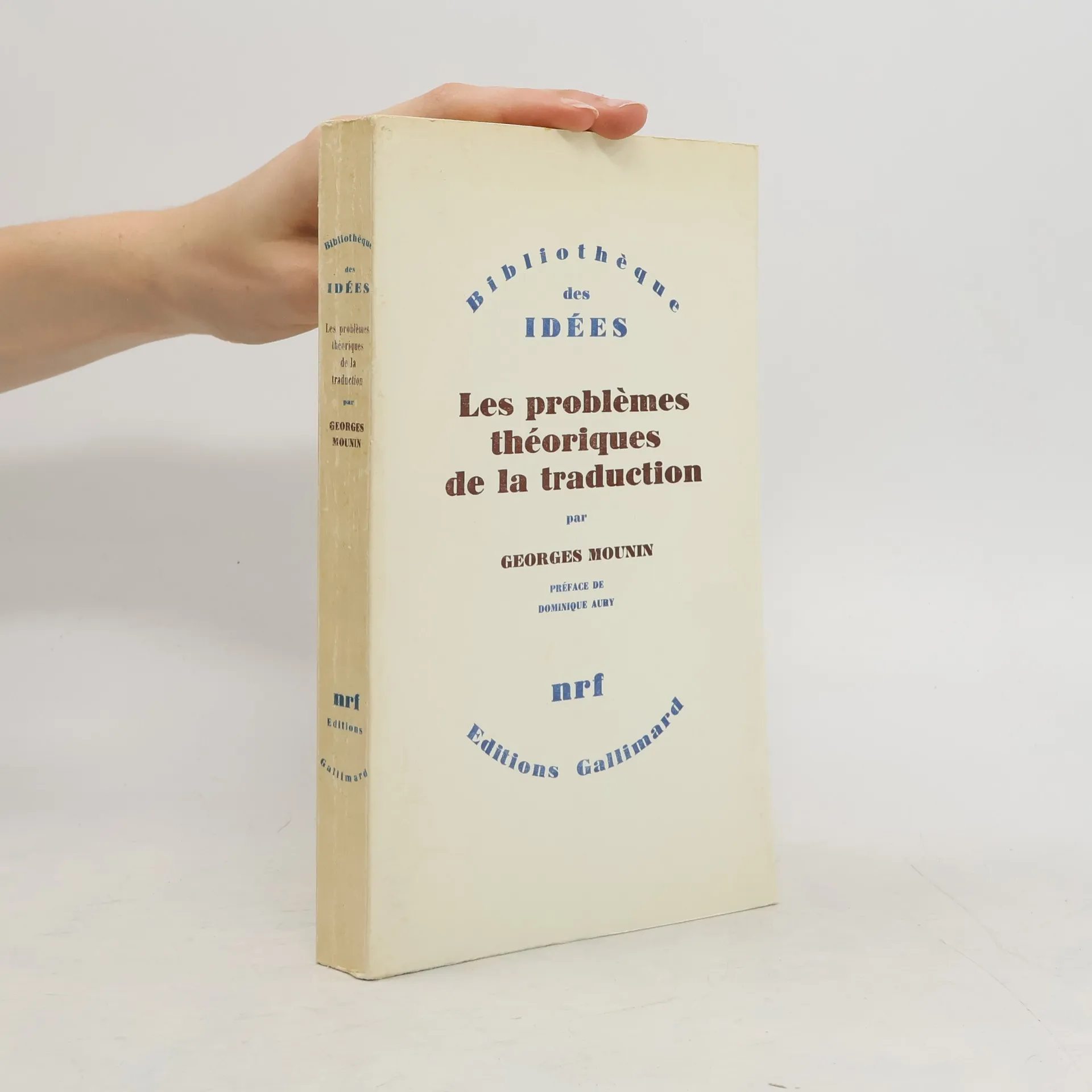
Les problemes théoriques de la traduction
- 296 Seiten
- 11 Lesestunden
"Une langue nous oblige à voir le monde d'une certaine manière. Au lieu de dire, comme les anciens praticiens de la traduction, que la traduction est toujours possible ou toujours impossible, toujours totale ou toujours incomplète, la linguistique contemporaine aboutit à définir la traduction comme une opération relative dans son succès, variable dans les niveaux de la communication qu'elle atteint".