Consultant--and beekeeper--O'Malley shows exactly how bees get things done and how leaders can learn from their highly effective organizations. He has defined 25 lessons on how to get the most out of teams, become more efficient, and prepare for the future.
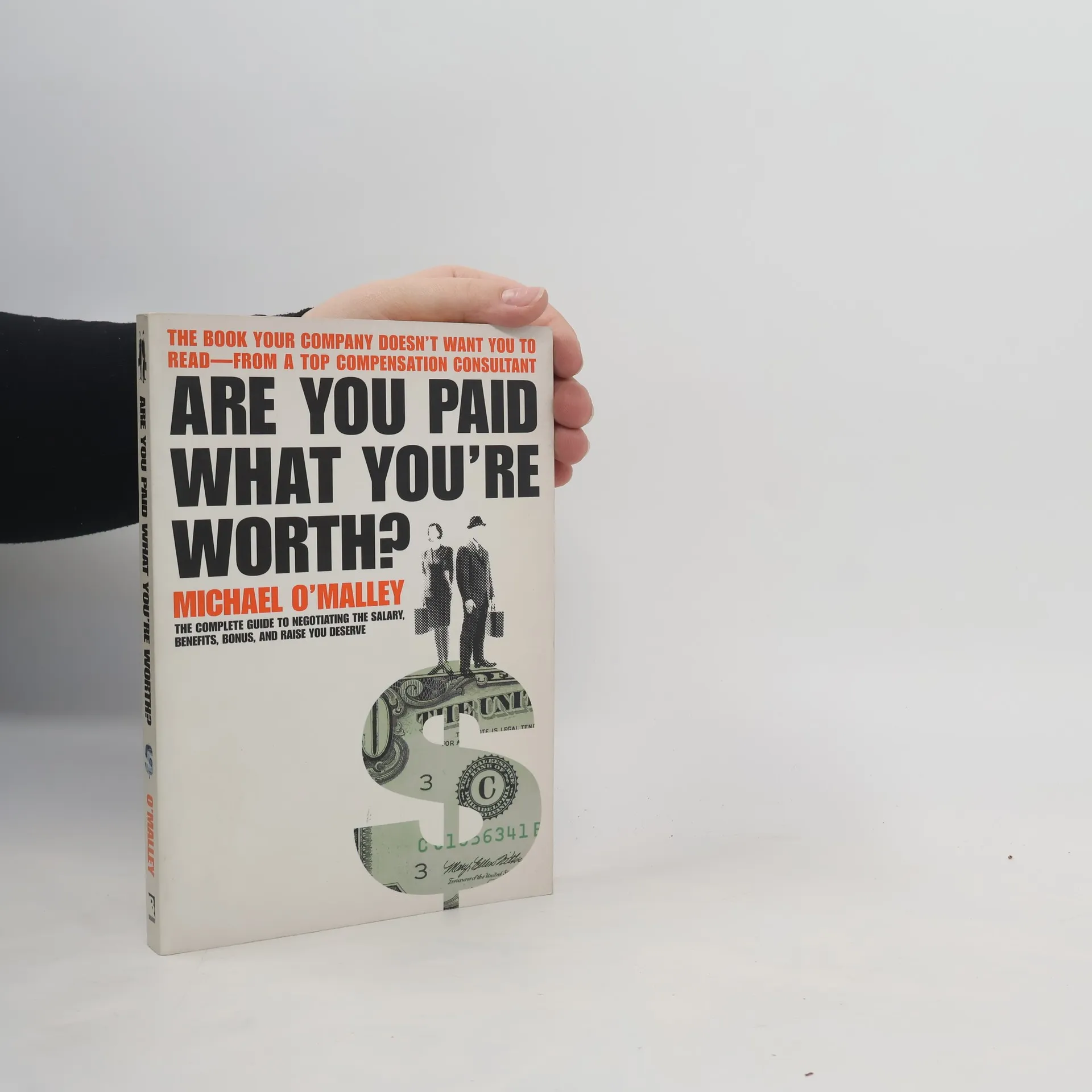
The Complete Guide to Calculating and Negotiating the Salary, Benefits, Bonus, and Raise You Deserve
262 Seiten
10 Lesestunden
In this age of downsizing, paycuts, and shrinking health-care contributions, employees on all rungs of the corporate ladder are increasingly baffled by company pay structures, benefits packages, and bonus plans. What might look like a nice raise on the surface often translates into a virtual pay cut when all the components are figured in. And what's more, until now, employers have had a monopoly on the knowledge of how these systems actually work, leaving employees virtually defenseless.Now, in Are You Paid What You're Worth?, long-time corporate insider and compensation consultant Michael O'Malley exposes the inner workings of compensation systems and provides a specific formula that allows anyone--from the cubicle-dweller up to the CEO--to determine his or her own competitive worth. Packed with practical tips and strategies, and spiced with real-life examples from big-name companies, Are You Paid What You're Worth? arms you with the information, confidence, and strategies you need to:Compute the overall market worth of your jobIncrease your base salary, or negotiate a salary at a new jobImprove your chances of receiving bonuses and other cash/non-cash awardsKnow the pros and cons of different equity plans, and what to look for in company benefitsIncrease the total compensation package you receive from your employer
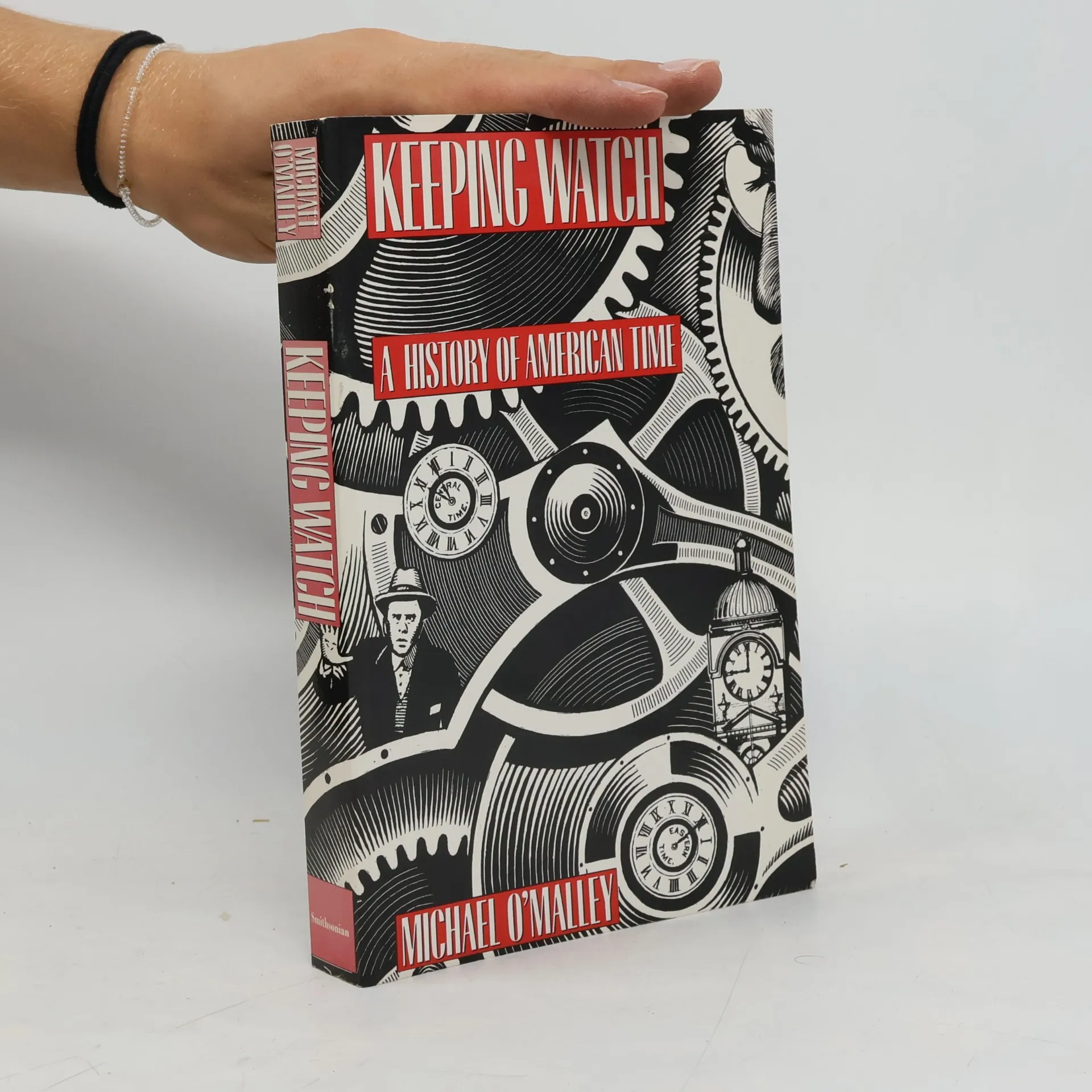
Focusing on the period from 1820 to 1920, Keeping Watch details the far-reaching changes in American society brought about by the transition from natural to mechanical sources of time - from farmers' almanacs and religious formulations of time to regional time zones, synchronized watches, and factory punch clocks. Michael O'Malley shows how the pressures of industrialization, the emergence of the telegraph, and the spread of railroads led to a demand for uniform, consistent schedules. Chronicling particular communities' resistance to standard time and, later, daylight saving time, Keeping Watch also examines the cut-and-paste manipulation of "real time" in motion pictures. The cumulative impact of these technological changes, O'Malley argues, was momentous, creating a harsher ethic of punctuality and an unprecedented degree of labor regimentation.