The Fontana Dictionary of Modern Thought
- 684 Seiten
- 24 Lesestunden
Concise explanations of some four thousand terms cover movements, trends, people, organizations, concepts, the natural and social sciences, the arts, history, and other disciplines


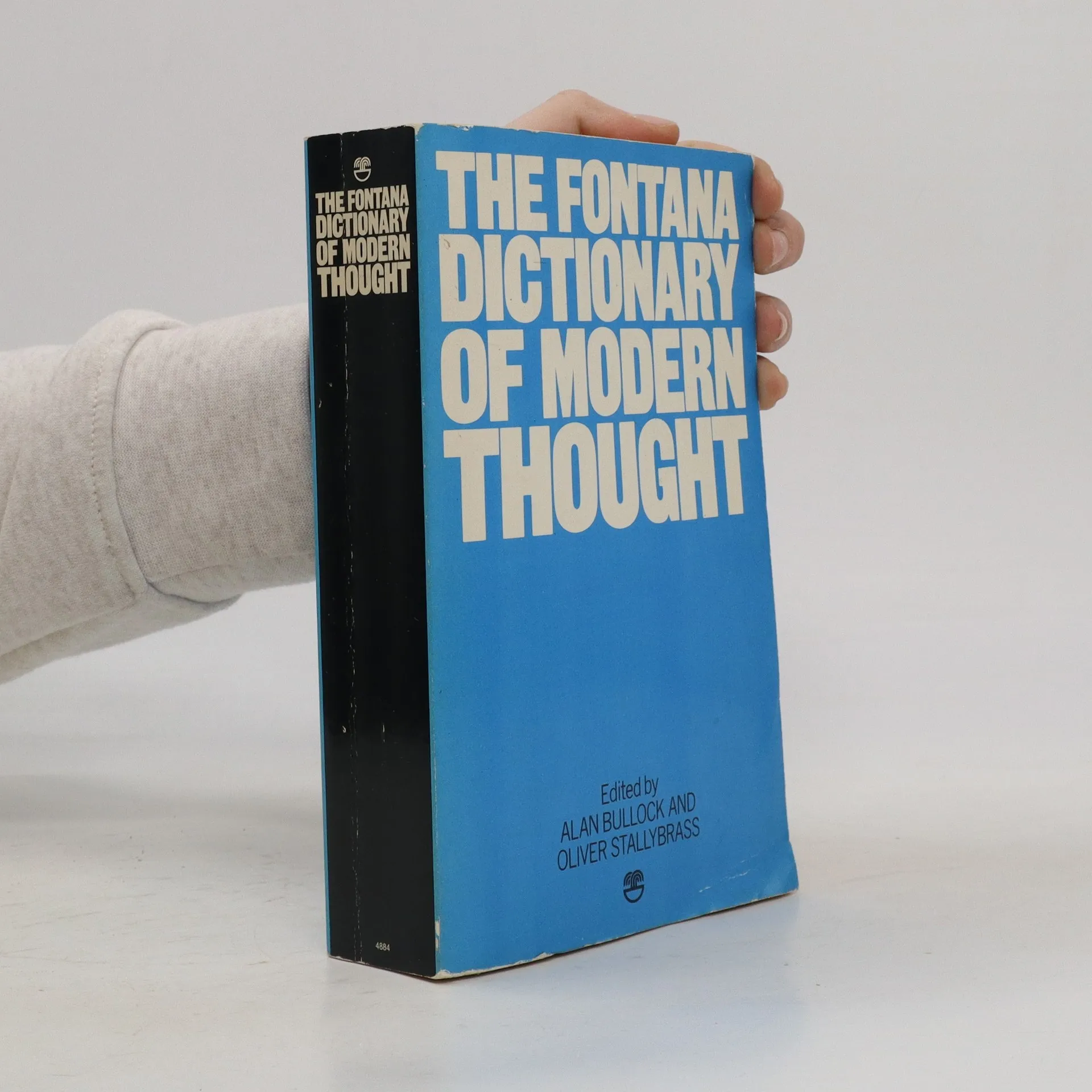



Concise explanations of some four thousand terms cover movements, trends, people, organizations, concepts, the natural and social sciences, the arts, history, and other disciplines
Only two were published in his lifetime. Most of the other stories remained unpublished because of their overtly homosexual themes; instead they were shown to an appreciative circle of friends and fellow writers, including Christopher Isherwood, Siegfried Sassoon, Lytton Strachey, and T. E. Lawrence. The stories differ widely in mood and setting. One is a cheerful political satire; another has, most unusually for Forster, a historical setting; others give serious and powerful expression to some of Forster's profoundest concerns.
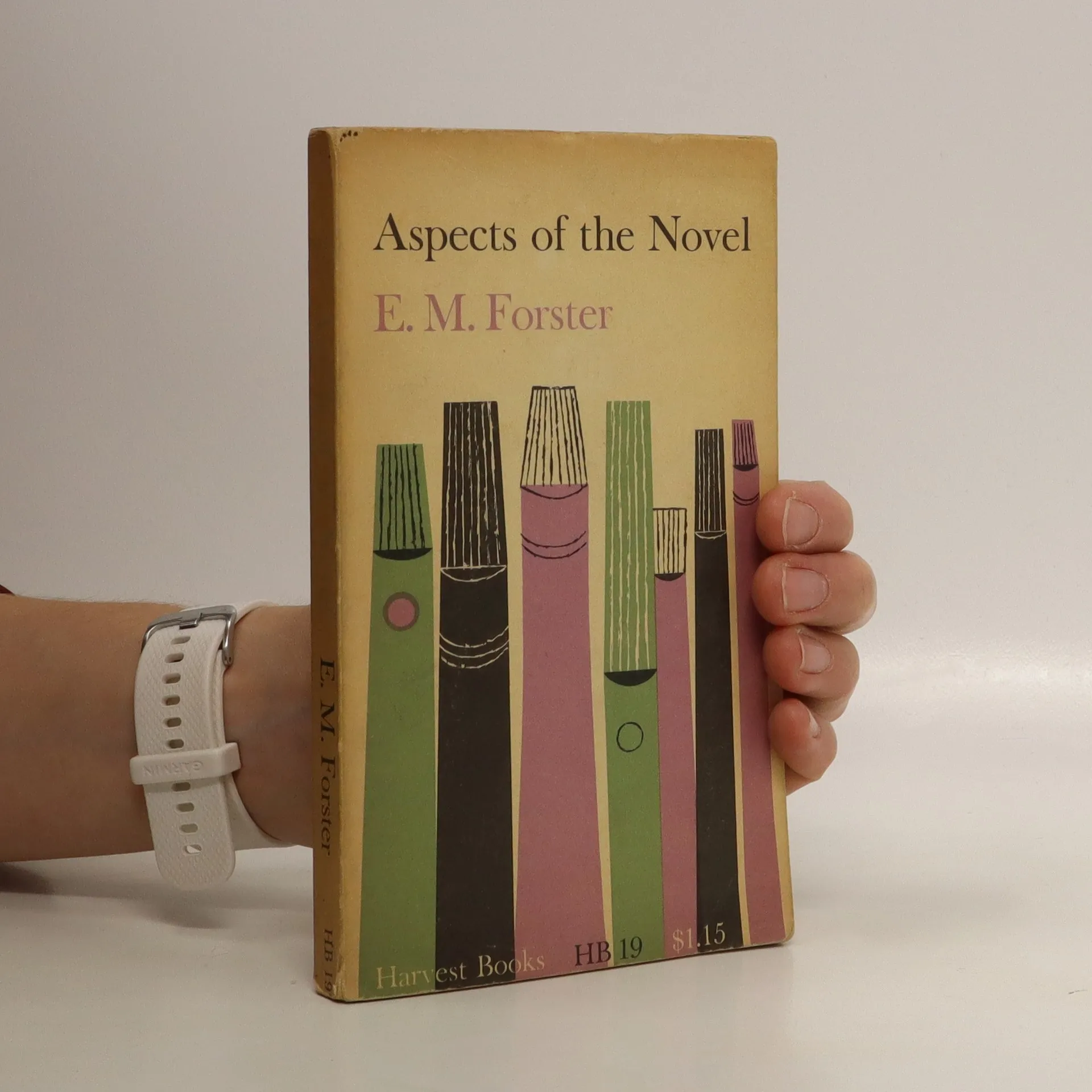
ASPECTS OF THE NOVEL is a unique attempt to examine the novel afresh, rejecting the traditional methods of classification by chronology or subject- matter.
Ein Klassiker der englischen Literatur und der berühmteste Indien-Roman des 20. Jahrhunderts. Kein Autor beschrieb die britische Kolonialzeit Indiens so eindrucksvoll wie E. M. Forster. Eines von 12 bisher vergriffenen Meisterwerken aus der ZEIT Bibliothek der verschwundenen Bücher.
Like his novel A Room with a View, E. M. Forster's Where Angels Fear to Tread focuses on a group of English men and women living and traveling in Italy. A young Englishman journeys to Tuscany to rescue his late brother's wife from what appears to be an unsuitable romance with an Italian of little fortune. In the events surrounding that match and its fateful consequences, Forster weaves an exciting and eventful tale that intriguingly contrasts English and Italian lives and sensibilities. As in Forster novels, among them Howards End and A Passage to India, Where Angels Fear to Tread reveals the author's deep fascination with all of human experience — sexual, moral, spiritual, imaginative, material. Acutely observant of the ways of the English middle class, he is as critical here of its snobbishness, greed, and cultural insensitivity as he is respectful of its decency and kindness, common sense, and goodwill. This splendid novel reveals the great breadth of his gifts as both storyteller and humanist — attributes that continue to make him one of the twentieth century's most admired novelists.