Das Lehrbuch der Biologie
- 192 Seiten
- 7 Lesestunden



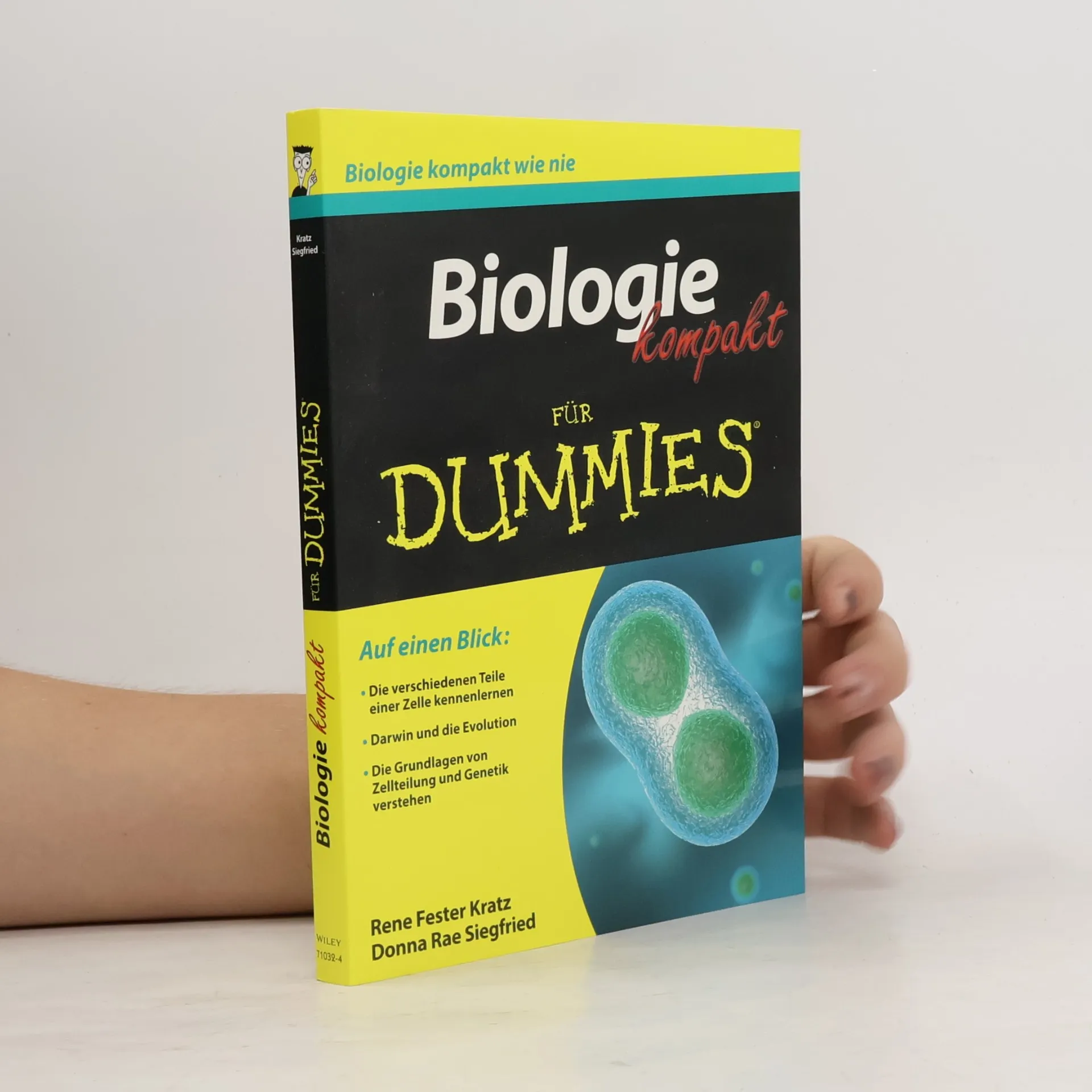

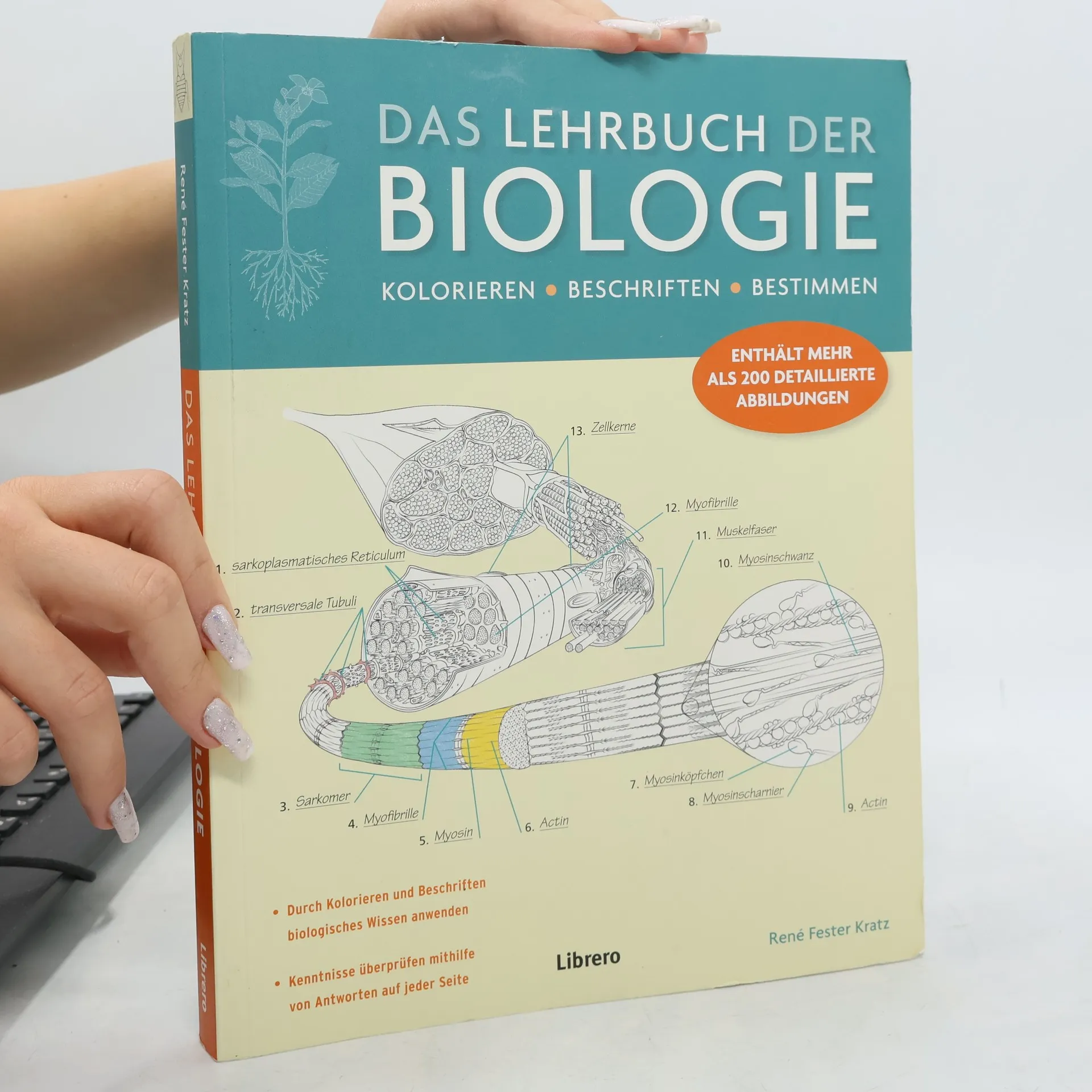
Schauen Sie hinter die Kulissen von Mutter Natur. Tauchen Sie in die faszinierende Welt der Kleinstorganismen, der Pflanzen und Tiere ein. Erfahren Sie von Rene Fester Kratz und Donna Rae Siegfried, wie die Photosynthese abläuft, was bei der Zellteilung passiert, wie ein Ökosystem funktioniert und vieles mehr. Lassen Sie sich die Grundlagen der Genetik und Evolutionslehre erklären und bestaunen Sie die wichtigsten Entdeckungen in der Biologie. Sie werden sehen: Die Wissenschaft des Lebens ist eine spannende Sache!
Müssen Sie sich in der Schule oder im Studium mit Biologie beschäftigen? Keine Sorge, dieses Buch hilft Ihnen, wenn Sie sich einen schnellen Überblick über das Thema verschaffen wollen. Die Autoren erklären leicht verständlich, was Sie über den Aufbau von Zellen, Mikroorganismen, Biodiversität, Genetik sowie Evolution und Co. wissen sollten. Damit ist Biologie kompakt für Dummies der perfekte Nachhilfelehrer für die Tasche: einfach, kompetent und günstig.
Ohne Pflanzen wäre das Leben des Menschen auf der Erde undenkbar - sie dienen als Nahrung, Sauerstoff- und Energielieferant, Baustoff und Heilmittel. Und auch das Papier, auf dem Sie Ihre Antworten in der Botanikklausur niederschreiben müssen, war vermutlich mal ein Baum. Das macht die Klausur natürlich nicht einfacher. Aber keine Sorge, dieses vollfarbige Buch gibt ihnen einen umfassenden und leicht verständlichen Überblick über die Botanik, von den zellbiologischen Grundlagen über die verschiedenen Pflanzengewebe und -strukturen bis hin zu Physiologie, Genetik, Systematik und Ökologie. Themen wie Biodiversität, Biotechnologie, die heimische Pflanzenwelt und die Bedeutung von Pflanzen für den Menschen runden das Buch ab.
Ohne Pflanzen wäre das Leben des Menschen auf der Erde undenkbar - sie dienen als Nahrung, Sauerstoff- und Energielieferant, Baustoff und Heilmittel. Und auch das Papier, auf dem Sie Ihre Antworten in der Botanikklausur niederschreiben müssen, war vermutlich mal ein Baum. Das macht die Klausur natürlich nicht einfacher. Aber keine Sorge, dieses Buch gibt ihnen einen umfassenden und leicht verständlichen Überblick über die Botanik, von den zellbiologischen Grundlagen über die verschiedenen Pflanzengewebe und -strukturen bis hin zu Physiologie, Genetik, Systematik und Ökologie. Themen wie Biodiversität, Biotechnologie und die Bedeutung von Pflanzen für den Menschen runden das Buch ab.
Speciation and Morphogenesis
This collection features original contributions from symbiosis biologists and evolutionary theorists who challenge the adequacy of the neo-Darwinian concept of evolution. They present growing evidence that hereditary symbiosis, alongside gradual heritable mutations, plays a crucial role in the emergence of new species and morphological innovations. The concept of symbiosis, particularly the genetic and metabolic interactions of bacterial communities that evolved into the earliest eukaryotes, has garnered increasing interest among scientists. The contributions explore various topics, including the evolutionary implications of symbiosis, the prolonged physical associations between different species, and the significance of symbiosis in cell evolution, ecology, and morphogenesis. Key issues discussed include individuality, microbial symbioses, and animal-bacterial interactions. Lynn Margulis, a distinguished professor at the University of Massachusetts at Amherst, is recognized as the modern originator of the symbiotic theory of cell evolution, which has transitioned from being viewed as heretical to becoming integral to the microbiological revolution. The volume includes insights from notable contributors in the field, reflecting a shift in understanding evolution through the lens of symbiotic relationships.
The ultimate guide to understanding biology Have you ever wondered how the food you eat becomes the energy your body needs to keep going? The theory of evolution says that humans and chimps descended from a common ancestor, but does it tell us how and why? We humans are insatiably curious creatures who can't help wondering how things work—starting with our own bodies. Wouldn't it be great to have a single source of quick answers to all our questions about how living things work? Now there is. From molecules to animals, cells to ecosystems, Biology For Dummies answers all your questions about how living things work. Written in plain English and packed with dozens of enlightening illustrations, this reference guide covers the most recent developments and discoveries in evolutionary, reproductive, and ecological biology. It's also complemented with lots of practical, up-to-date examples to bring the information to life. Discover how living things work Think like a biologist and use scientific methods Understand lifecycle processes Whether you're enrolled in a biology class or just want to know more about this fascinating and ever-evolving field of study, Biology For Dummies will help you unlock the mysteries of how life works.
Molecular & Cellular Biology For Dummies brings this complex field of study to the masses by decoding the jargon and theories that can tax even the most devoted student of molecular biology. This title is an indispensable resource for readers looking for both a reference to the field as well as a course supplement.